




Chicago Orders Electric-Powered Heavy Trash Trucks
The City of Chicago has ordered 20 heavy-duty electric-powered trash trucks that will be the first in the nation, according to one of the companies that won the official bid

The City of Chicago has ordered 20 heavy-duty electric-powered trash trucks that will be the first in the nation, according to one of the companies that won the official bid.
The five-year, $13.4 million contract involves three main suppliers and will include development of detailed specifications, component manufacture and final assembly, sources said.
The electric trucks will run almost silently, produce practically no emissions and, with no traditional powertrains to fuel and maintain, will cut operating costs by at least 50%, said Jim Castelaz, chief executive officer of Motiv Power Systems, Foster City, Calif. It will supply the electronic controls, and obtain battery packs, motors and associated gear from established manufacturers.
The components will be assembled into rolling glider kits furnished by Crane Carrier Corp., said Dave Lopina of Cumberland Service Center of Chicago, the CCC dealer that is coordinating the order. Final assembly will be done by Detroit Chassis in Michigan.
The electric vehicles will be low-cab-forward, three-axle, 52,000-pound GVW trucks similar in appearance to many of Chicago's existing trash collection trucks, Lopina said. In addition to propulsion, electric motors will power hydraulic pumps to run the Loadmaster bodies' compaction systems.
Motiv Power's flex electric system can use components from a variety of suppliers, which makes it scalable for bus and truck chassis grossing from 15,000 to 52,000 pounds, Castelaz explained.
"We've designed the whole system to be compatible with any off-the-shelf motors and batteries, which are brought to a uniform operating standard by our software," he said. "If Chicago ever wants newer batteries, the old ones can be easily swapped out."
The company now has a 20-passenger shuttle bus operating in the San Francisco Bay area that is proving the concept's worth, he said. The medium-duty bus's operating cost is 10 cents per mile compared to 80 cents per mile for a diesel chassis.
"As far as I know, this will be the largest all-electric street vehicle in the U.S.," he said of the Chicago trash trucks. Each will have 10 battery packs for a total capacity of 200 kilowatt-hours and a range of 60 miles. The batteries will be charged at night and also be boosted by regenerative braking that will save brake wear at least as well as hybrids and probably better.
The contract cost will break down to $1.3 million for the first vehicle, which includes a lot of development money, Castelaz said. The cost per truck will then slide downward with the first 10 vehicles, after which each one will be priced at about $500,000 each. That's about twice the cost of a current diesel-powered truck.
Low operating costs will pay back the premium in a reasonable time. Meanwhile, the public will benefit from the trucks cleanliness and quietness.
"These EV refuse trucks will provide the streets of Chicago with quiet, emissions-free garbage pick-up, without submitting residents to excessive diesel pollution or loud noise," said Shyam Nagrani, Motiv Power's vice president of business development and marketing. "Who wants to be woken up at 5 a.m. by an idling garbage truck?"
More Fuel Smarts
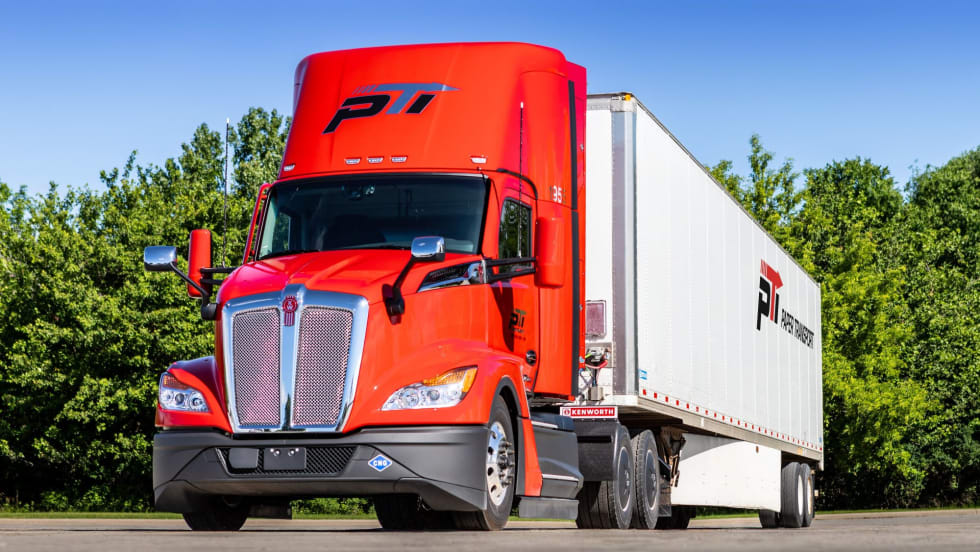
Lessons Learned About Alternative Fuels: Start Small, Stay Flexible
Practical advice on adopting alternative fuels and ZEVs from HDT's 2026 Top Green Fleets, from renewable diesel and natural gas to electric trucks.
Read More →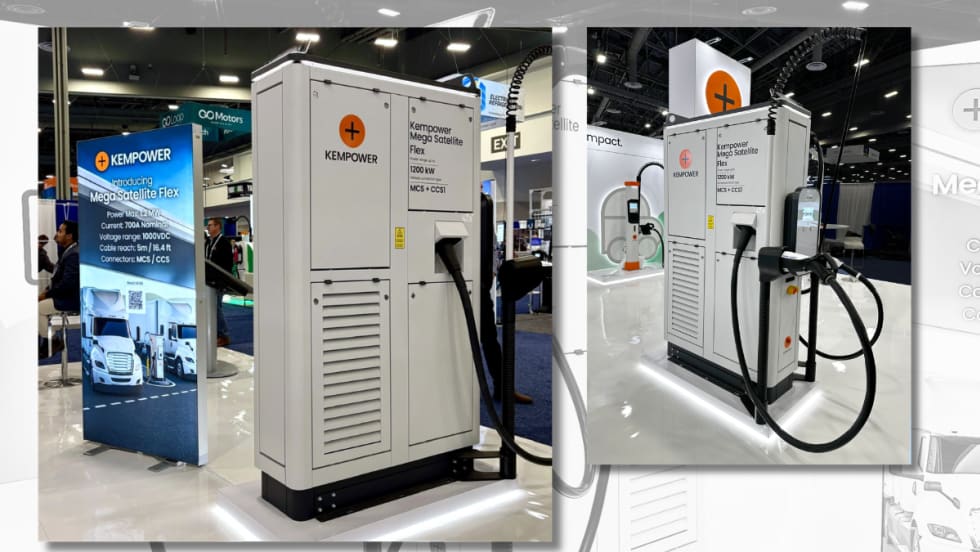
Kempower Adds Flex EV Charger to Help Support Transition to Megawatt Charging
The Kempower Mega Satellite Flex has both a CCS and MCS connector, allowing operators to serve both types of heavy-duty vehicles.
Read More →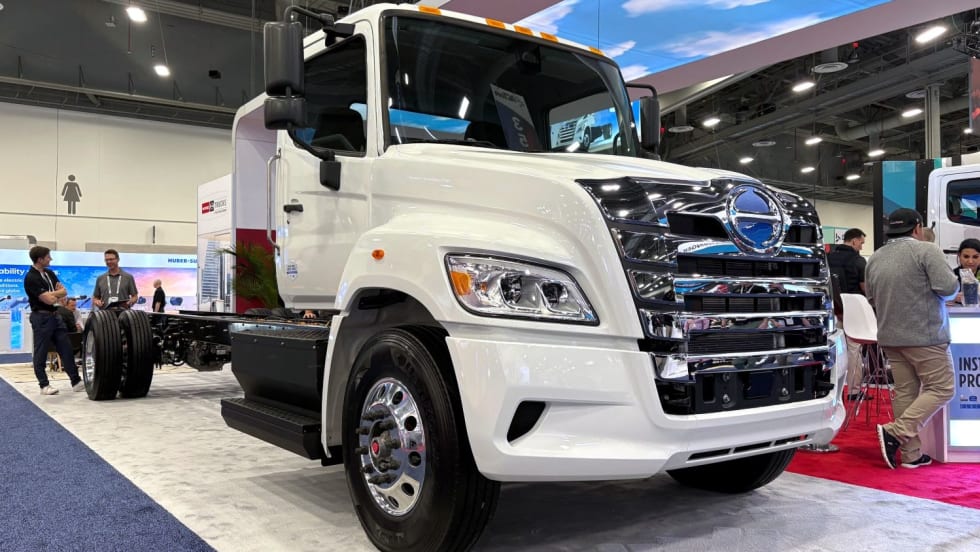
Hino Adds Electric Class 6/7 Truck
Hino says the Le Series is an important step in the company's efforts to reduce environmental impact and support its customers’ sustainability goals.
Read More →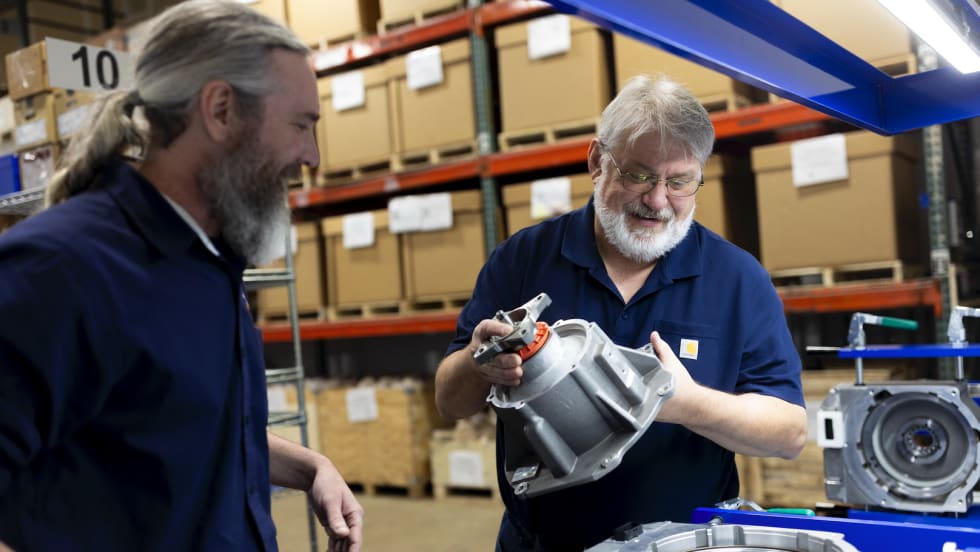
Can Multi-Speed EV Transmissions Solve Heavy Trucking’s Biggest Electric-Vehicle Problems?
A startup called Sigma Powertrain believes purpose-built multi-speed gearboxes can boost efficiency, reduce battery size and improve gradeability for heavy-duty battery-electric trucks.
Read More →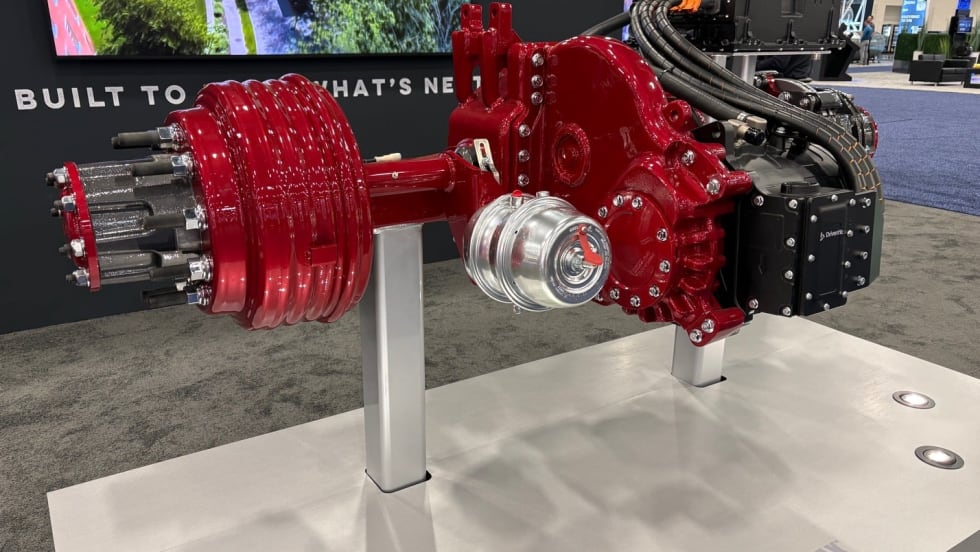
Hendrickson Debuts Electraax E-Axle for Medium-Duty Trucks
Developed with Driventic, Hendrickson's new integrated e-axle is designed to improve efficiency, reduce weight, and extend range in Class 6-7 EV applications.
Read More →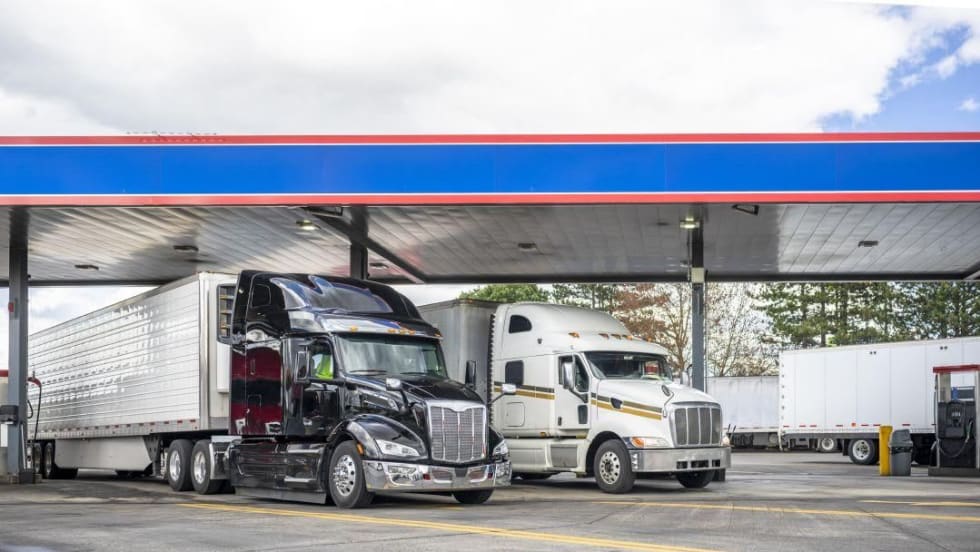
50 Ways Fleets Can Cut Fuel Costs Now — Without Buying New Trucks
Fuel savings don’t come from one big change. They come from dozens of small ones. Here’s how leading fleets are stacking gains across drivers, routing, maintenance, and more.
Read More →
Top Green Fleets 2026: How Fleets Are Reducing Emissions in the Real World
What works in sustainable trucking today? Heavy Duty Trucking's Top Green Fleets are finding practical ways to cut fuel use, reduce emissions, and keep freight moving.
Read More →
California Launching $1 Billion Electric Truck Rebate Program
CARB says the California Clean Fuel Reward program will begin offering point-of-sale rebates of up to $120,000 for electric commercial trucks starting June 26.
Read More →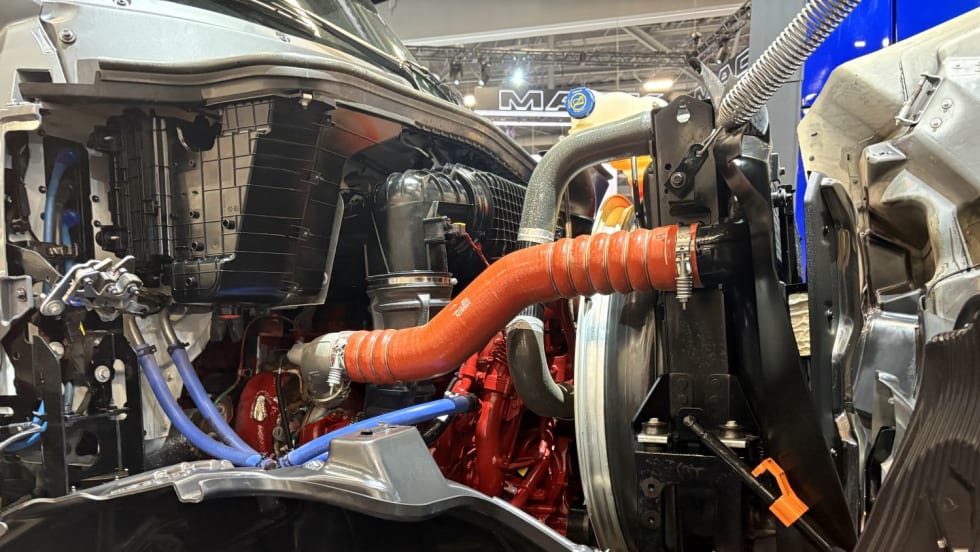
Mack Unveils EPA 2027-Compliant MP13 Engine With More Power, Better Fuel Economy
Along with unveiling its EPA 2027-compliant MP13 engine, Mack outlined powertrain changes across its Class 6-8 lineup, including new Cummins-based X10 engines.
Read More →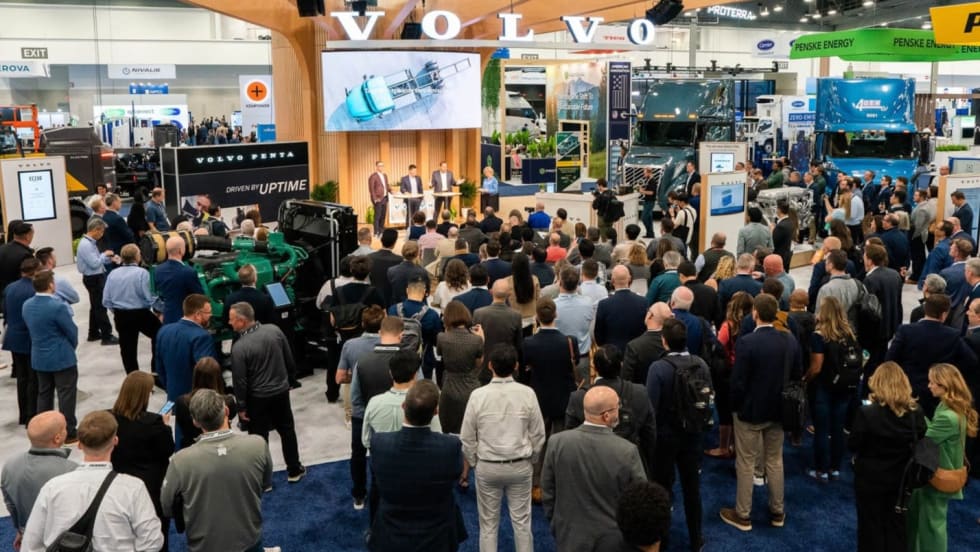
How Volvo’s New D13 Engine Meets EPA 2027 Emissions Without Sacrificing Power or Fuel Efficiency
Volvo says advances in combustion and aftertreatment helped its new EPA 2027 D13 engine avoid the fuel-economy penalties many once expected from tighter NOx emissions limits.
Read More →