




Delphi offers useful tips to help drivers enhance fuel economy during A/C use
The use of any commercial vehicle's air conditioning system increases the load on a vehicle's engine, which in turn consumes fuel
. The National Renewable Energy Laboratories (NREL) estimates that traditional air conditioning systems account for approximately 5 percent of a vehicle's fuel usage each year in the U.S. and 3 percent in Europe and Japan. With a long history of developing thermal technology, Delphi continues to develop energy-efficient air conditioning systems that can cut those numbers in half. But for today's drivers, just properly using the air conditioning controls will help reduce fuel consumption.
Here are some tips to using a vehicle's air conditioning system more efficiently:
* Press the recirculation button to enable the recirculation of the passenger air back through the air conditioner. This button may be labeled as "MAX." Use of the recirculation feature will significantly reduce the energy used by the air conditioning system.
* For a manual system, it is most efficient to keep the temperature control in the full cold position and use the blower fan setting to adjust the amount of cooling. The temperature control should be used to adjust the air only after the blower is at the lowest setting.
* If the A/C is not as cold as it used to be, an air conditioning specialist can evaluate and repair the system. If there is a leak in the system, it should be repaired and recharged with refrigerant. It is also normal for the A/C system to lose small amounts of refrigerant by permeation through hoses over years of use. This may require a recharge of refrigerant.
* A vehicle's HVAC system may have an air filter that has caught debris and is reducing airflow. If this is the case, the filter needs to be changed. On newer vehicles, this air filter could be located behind the glove box or below the windshield wipers. It can be changed by the vehicle's owner or by service personnel. A service interval should be in the vehicle's owner's manual.
Besides optimizing a vehicle's air conditioning system, drivers can also park in a shady spot, use a reflective sun shade or leave the window partially open during sunny days.
"These simple steps allow the [vehicle] air and seats to be cooler which helps the air conditioning provide cooling comfort faster and save fuel at the same time," said James Bertrand, president Delphi Thermal Systems, Delphi Corp.
With a long history of producing automotive thermal systems, Delphi has developed energy-efficient technologies that are smaller, lighter and help reduce the impact on the environment.
From an August 2009 White Paper by Delphi Corp.
How to Stay Cool While Saving Fuel
Delphi offers useful tips to help drivers enhance fuel economy during A/C use The use of any commercial vehicle's air conditioning system increases the load on a vehicle's engine, which in turn consumes fue
More Fuel Smarts
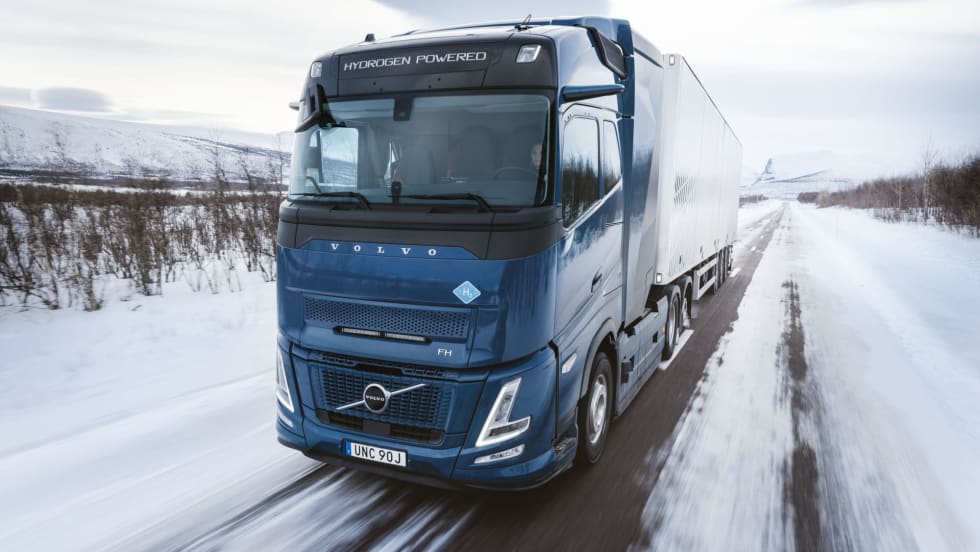
Volvo Testing Hydrogen-Fueled Internal Combustion Engines on Trucks in Europe
Hydrogen combustion engine trucks will be especially suitable over longer distances and in regions where there is limited charging infrastructure or time for recharging of battery-electric trucks, according to the company.
Read More →
Toyota’s Entry Into Cellcentric Signals Push to Accelerate Hydrogen Truck Adoption
By joining Daimler Truck and Volvo, Toyota brings fuel cell expertise to a joint effort aimed at making hydrogen viable for heavy-duty transport.
Read More →
U.S. Diesel Prices Hit $5.40, Top $7 in California
Trucking operators are slowing speeds, cutting empty miles, and declining unprofitable freight as diesel costs continue to rise due to conflict in the Middle East.
Read More →
EPA Targets DEF Sensor Failures Behind Truck Derates
New guidance allows engine makers to replace problematic DEF sensors with NOx-based systems, aiming to reduce unnecessary derates and downtime caused by failures in the sensors designed to monitor diesel exhaust fluid on trucks.
Read More →
Heavy Duty Trucking is Searching for the Top Green Fleets of 2026
Is your company a leader in sustainability efforts among trucking fleets? If so, Heavy Duty Trucking's editors want to hear from you.
Read More →
What's Real in Advanced Truck Technology? ACT Expo's Erik Neandross Weighs In
Artificial intelligence, the software-defined vehicle, telematics, autonomous trucks, electric trucks and alternative fuels, and more in this HDT Talks Trucking interview
Read More →Why Diesel Is Climbing Fast—and What the Iran Conflict Has to Do With It
With global oil flows disrupted, U.S. diesel prices have topped $5 across every region, climbing sharply in the past few weeks.
Read More →
From Diesel Prices to Cyberattacks: How the Iran War Is Affecting Trucking
The impact of the Iran conflict extends beyond fuel costs, bringing more fraud and cybersecurity risks to the trucking industry.
Read More →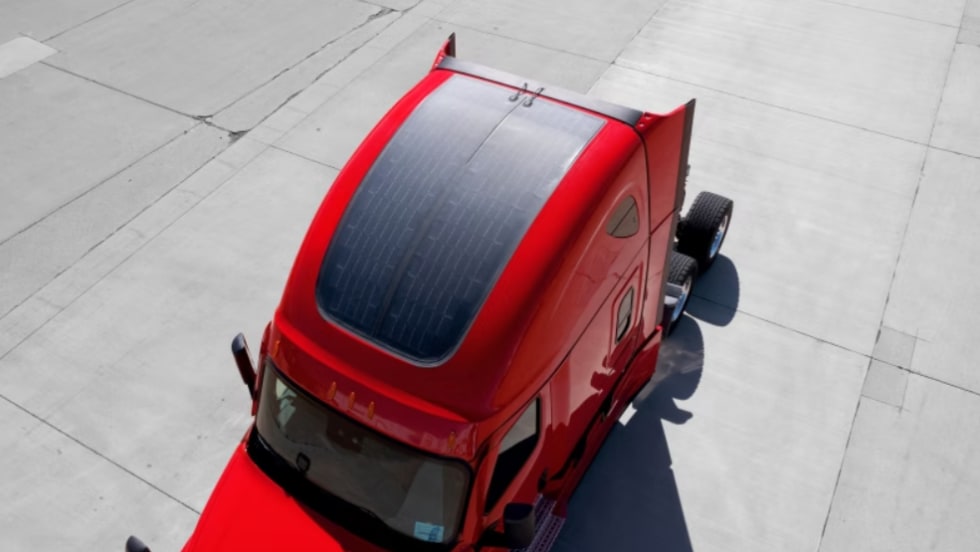
Vanair Introduces Solar, Battery Power Ecosystem for Class 8 Trucks
The company’s expanded EPEQ ecosystem includes flexible solar panels, lithium batteries, hydraulic power systems, and a portable fast charger for electric trucks.
Read More →
Run on Less “Messy Middle” Data Shows Multiple Paths for Truck Powertrains [Listen]
Listen as Mike Roeth of the North American Council for Freight Efficiency shares insights into battery-electric trucks, natural gas, biofuels, and clean diesel on this episode of HDT Talks Trucking.
Read More →