





Cleanliness may be next to godliness, but it also makes lots of sense in a truck shop. So say three maintenance managers we interviewed for this article. "Good housekeeping,"
as one described the recommended ongoing effort to keep the place neat and orderly, helps technicians concentrate on their work. And, for want of a better management buzz word, a squared-away establishment keeps them from falling over things - cutting accidents right there.
A shop has to be clean, well lit and organized. It's got to be managed like a supermarket, says Darry Stuart, president and CEO of DWS Fleet Management Services, Wrentham, Mass. When all these housekeeping things are in place - the cleanliness, the lighting so people can see what they're doing and avoid slips and falls, and organization, so things run smoothly and predictively - then technicians will get used to it and safety will click into place.
A shop needs a monthly check, just like the preventive maintenance on a truck. For instance: Grinders, lighted. Vises, smooth operating, not broken. Work benches - dirty all the time? That becomes part of the attitude. Tire cages? Well, those cages are the most abused piece of equipment in a shop, Stuart says, because they are used wrong, not used at all, or simply not there. Teach guys who bust tires and put them back together how to use a cage and insist that they use them every time (see tire safety feature, page 42) .
On company that emphasizes shop safety is Southeastern Freight Lines in Columbia, S.C. For safety and other matters, Southeastern uses an IQ (individualized quality) approach in the shop and elsewhere in the company. Part of this campaign is monthly safety meetings for every shift.
Supervisors start meetings with a quality focus, a period of praise for deserving individuals, and then goes to selected topics: Use of lights - hey, there's a light out over here, someone says, or a switch is shorted out in the locker room. Those things get fixed and the place is a little safer. Maintenance service topics, or MSTs, get covered; they include any change in procedures for certain tasks, or maybe a modification campaign involving certain vehicles or components.
In the employee recognition process, a person can recommend a pat on the back for somebody who helped him, and everyone feels better about everyone else, and so they work better together. Employees regularly rate their supervisors for their management skills, and that includes the ability to deal effectively with people. Also, does the technician have the tools he needs to do his job?
And there are regular "safety cookouts" where a technician who's gone a month without an accident gets a good hot dog, another guy who's gone accident-free for a quarter gets a hamburger, and a fella who's gone six months without hurting himself or somebody else might get a juicy steak. They hold these during regular meal or rest breaks, and Lee Long, director of maintenance, credits Southeastern's owners for being generous and enlightened enough to sponsor these events.
An in-house safety officer does monthly audits of the fleet's shops, looking for general cleanliness, any hazardous materials laying around, where tools and equipment are stored, whether machinery like grinders is "safetied" after use. He and regular supervisors look for the basics: use of gloves, steel-toed boots, glasses, hearing protection, face shields and rubber aprons for anyone doing steam cleaning, and wearing a tethering harness while working atop a trailer.
Finally, there's "lock out, tag out" - the procedure for securing a truck while it's being worked on. Take the key out of the ignition and put a tag on the steering wheel, with the name of the person who pulled the key. If the technician will be working on the engine, disconnect the batteries so the engine can't be started if somebody digs up another set of keys.
At Ozark Motor Lines in Memphis, Tenn., they've got a slightly different lock-out, tag-out procedure, according to Glen McDonald, director of maintenance. Each technician has a blank key that he puts that in the ignition; the key has a tag with his name on it so folks can go looking for him if they're wondering about the truck.
Ozark managers do quarterly meetings. They used to do them monthly, with a safety committee and safety director, reps and supervisors in different shops, but it got to where they were rehashing the same stuff, so they dropped it back to quarterly, McDonald says. The safety director does make periodic walk-throughs, announced at first and then unannounced. Surprise is best - let them come through - because then the director sees what's really happening versus what they prepared for him to see. Those were every month, too, and that was too much, so now they're quarterly, and can occur any time in that period.
Some things Ozark managers have covered in meetings:
• Plastic covers for fluorescent tubes in case they explode;
• Frayed insulation on wires;
• Pit area - keep it clean by placing cardboard under the grate to catch falling crud;
• Stuff piled on steps leading to the mezzanine - clean off those stairs;
• Clutter in battery station, storage rooms, access to fire extinguisher blocked; and
• Chains across shop entrances to discourage non-authorized personnel from wandering in.
Not mentioned by any of the managers were a mop and pail, vacuum cleaner, cloths, detergents and anything else needed to keep the shop and adjoining rest rooms, showers and locker rooms really clean. We can presume those are on the premises and they're put to regular use.
From the April 2009 issue of Heavy Duty Trucking.
Shop Safety: Carrying on the Good Fight
Cleanliness may be next to godliness, but it also makes lots of sense in a truck shop. So say three maintenance managers we interviewed for this article. "Good housekeeping,
More Maintenance
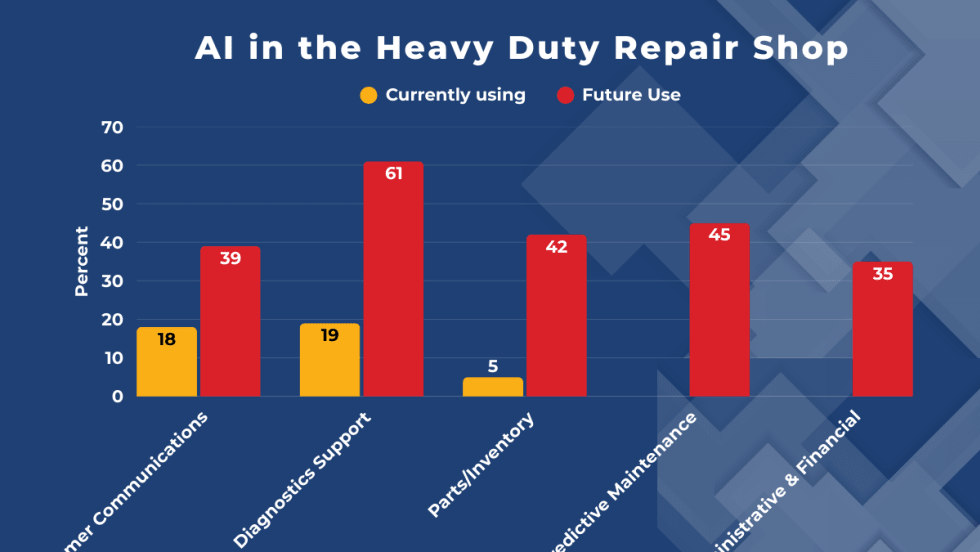
Fullbay Report: Heavy-Duty Shop Revenue Up, Rates Rising, but Shops Still Short on Techs
Strong growth across the heavy-duty repair sector is being tempered by workforce shortages and an aging technician pipeline.
Read More →
How Mack Sees the Next Era of Fleet Intelligence
Telematics has evolved from simple vehicle tracking into a connected service platform that can help fleets boost uptime, improve specifications, and move toward predictive maintenance. Mack executives say AI is now giving fleets a way to turn all that vehicle data into faster, smarter decisions.
Read More →
Clarios Expands Battery Monitoring Into Subscription Service with Battery Manager Pro
A new battery-monitoring-as-a-service program from Clarios Connected Services uses predictive analytics and automatic replacement to reduce downtime and smooth fleet maintenance costs.
Read More →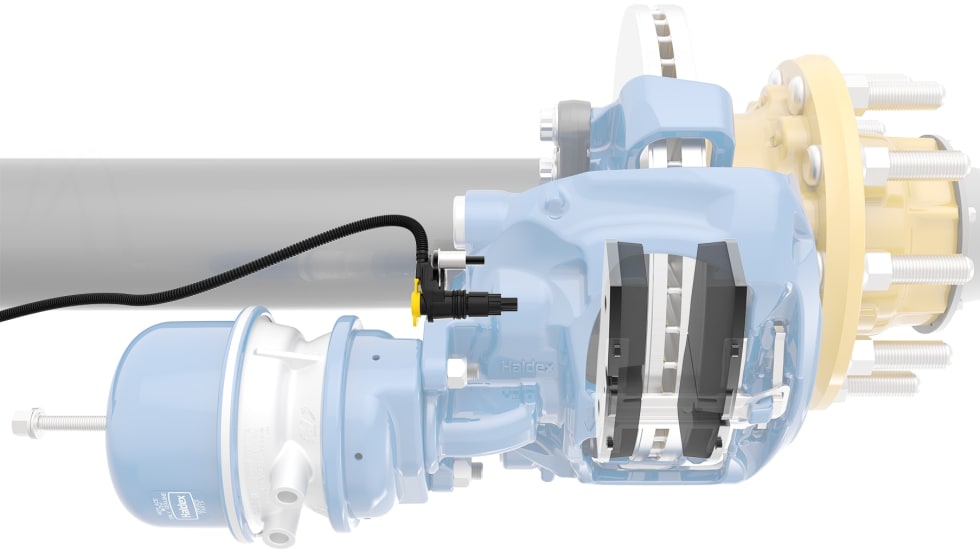
SAF-Holland’s BrakeSight Aims to Take the Guesswork Out of Air Disc Brake Maintenance
New Haldex sensor technology from SAF-Holland integrates with telematics systems to give fleets continuous insight into air disc brake condition.
Read More →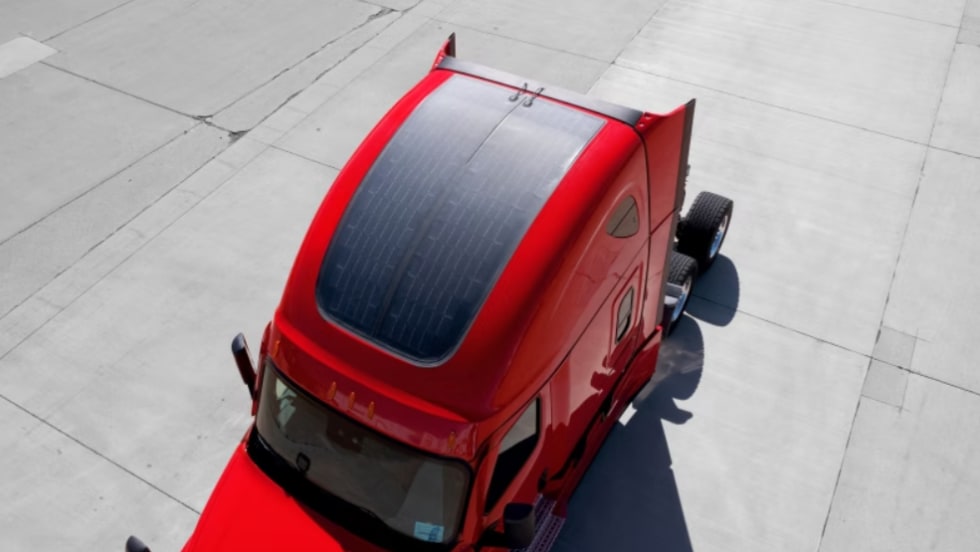
Vanair Introduces Solar, Battery Power Ecosystem for Class 8 Trucks
The company’s expanded EPEQ ecosystem includes flexible solar panels, lithium batteries, hydraulic power systems, and a portable fast charger for electric trucks.
Read More →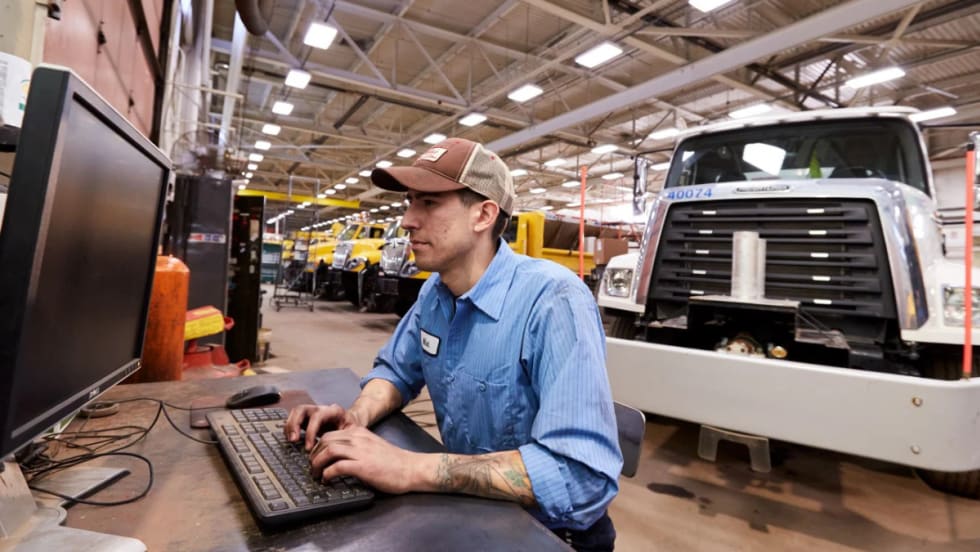
Mitchell 1 Targets Technician Search Challenges With New Fleet Feature
TruckSeries’ new Unit Number Search allows fleet technicians to access repair data using the identifier they know best — the truck’s unit number.
Read More →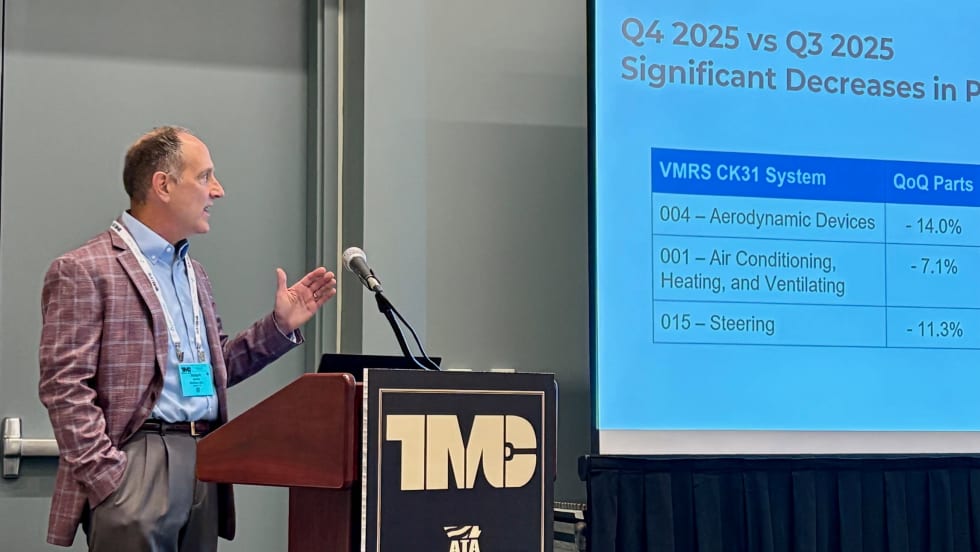
Truck Maintenance Costs Ease Slightly, but Long-Term Trend Still Rising
Benchmark data from Decisiv and TMC shows repair expenses still climbing, but fleets are improving efficiency with digital tools.
Read More →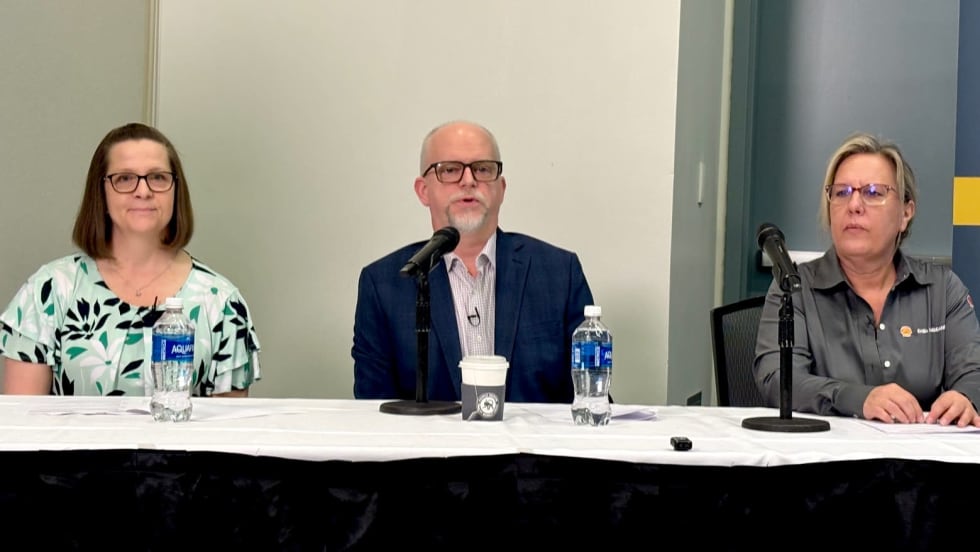
New PC-12 Diesel Engine Oil Category Nears Completion: What Fleets Should Know
The new heavy-duty engine oil category, PC-12, is nearing the finish line. Here’s what fleet maintenance managers should know before it arrives in 2027.
Read More →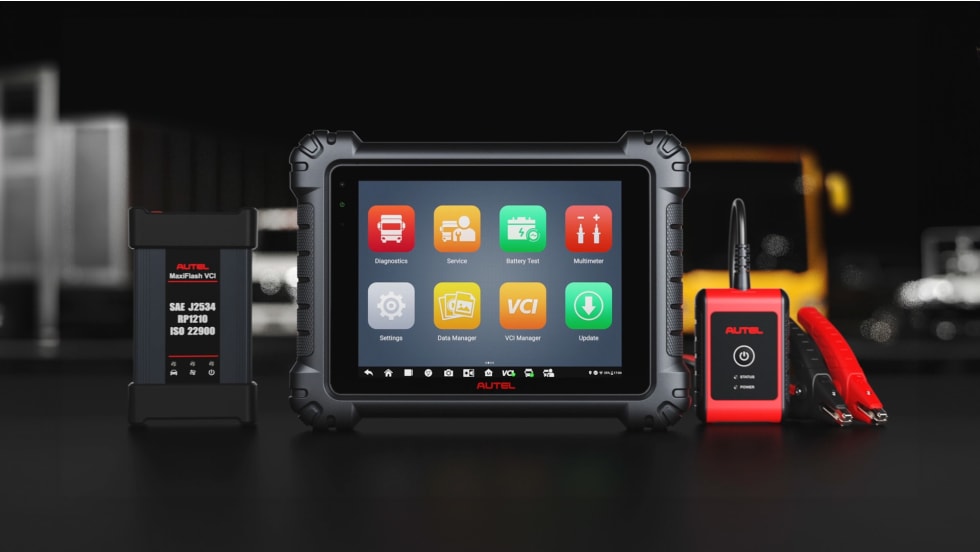
Advanced Commercial Vehicle Diagnostic Strategies
Learn how to diagnose complex electrical and drivability issues with confidence using the Autel MS909CV, a digital storage oscilloscope, and real-world engine data in this hands-on virtual introduction to advanced commercial vehicle diagnostics.
Read More →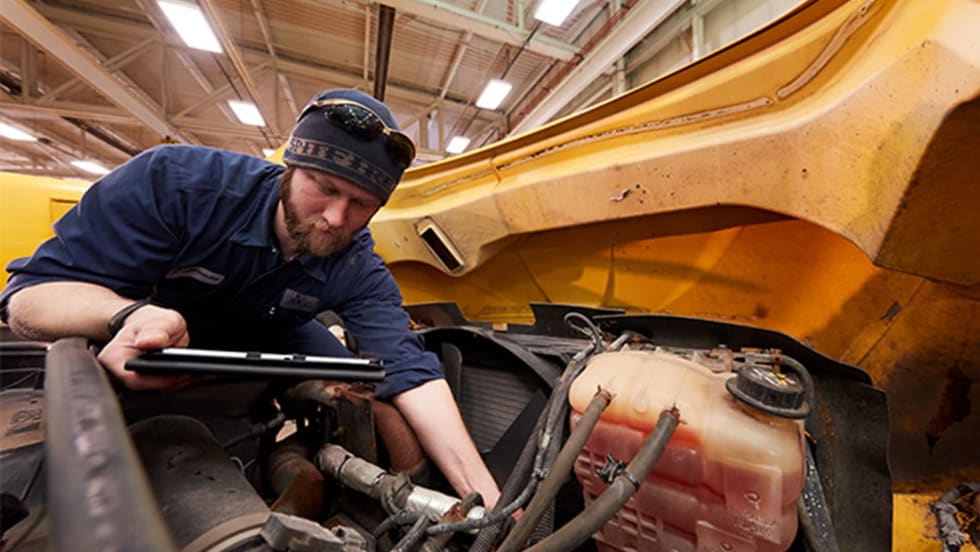
Smarter Maintenance Strategies to Keep Trucks Rolling
In today’s cost-conscious market, fleets are finding new ways to get more value from every truck on the road. See how smarter maintenance strategies can boost uptime, control costs and drive stronger long-term returns.
Read More →