Environmental stewardship is driving Nestlé Waters North America’s deployment of more than 400 additional medium-duty ReadyRefresh by Nestlé beverage delivery trucks fueled by propane autogas.
by Staff
December 11, 2017
ReadyRefresh’s additional Ford F-650/750 delivery trucks are each equipped with a ROUSH CleanTech propane autogas fuel system that provides 55 usable gallons of fuel. (Photo courtesy of ROUSH CleanTech)
3 min to read
ReadyRefresh’s additional Ford F-650/750 delivery trucks are each equipped with a ROUSH CleanTech propane autogas fuel system that provides 55 usable gallons of fuel. (Photo courtesy of ROUSH CleanTech)
Environmental stewardship is driving Nestlé Waters North America’s deployment of more than 400 additional medium-duty ReadyRefresh by Nestlé beverage delivery trucks fueled by propane autogas. The company now operates nearly 600 of these alternatively fueled trucks, which make up about 30% of its total North American fleet.
Ad Loading...
“Becoming a better steward of our environment is a priority for Nestlé Waters,” said Bill Ardis, national fleet manager for its ReadyRefresh business unit. “We’ve been running propane autogas vehicles since 2014, beginning with five Class 5 vehicles. Based on the proven emissions reduction compared with our older diesel units, and lower fuel and total cost of ownership, we knew this was the right application for us within the alternative fuel space. With propane being domestically produced, it’s proven to have a more stable cost per gallon, while the fueling and maintenance infrastructures are much more cost-effective than other alternative fuel options.”
Ad Loading...
ReadyRefresh’s additional Ford F-650/750 delivery trucks are each equipped with a ROUSH CleanTech propane autogas fuel system that provides 55 usable gallons of fuel “without compromising our standard delivery methods,” said Ardis.
The Ford 6.8L V-10 3V engine with a ROUSH CleanTech fuel system is certified to 0.05 grams per brake horsepower-hour for nitrogen oxide (NOx). This engine is 75% cleaner than the current Environmental Protection Agency standard and 99% cleaner than diesel vehicles built before 2007.
“ReadyRefresh’s heavier-duty trucks fueled by propane autogas reduce nitrogen oxide and particulate matter when compared to diesel models,” said Todd Mouw, vice president of sales and marketing for ROUSH CleanTech. “Propane autogas is an affordable, abundant American fuel that allows industry leaders like Nestlé Waters to reduce their operating costs while helping to preserve the environment in which they work.”
The company’s vehicle operators cite additional benefits, including a quieter engine, powertrain performance equivalent to current diesel delivery vehicles, easy fueling, and simple operation.
“Many of our drivers have provided positive feedback for the propane vehicles,” said Robert Austin, director of supply chain for Nestlé Waters North America’s ReadyRefresh business unit. “We are excited about this strategic endeavor that will ultimately drive awareness, efficiency, and sustainability. Our new fleet will ensure that ReadyRefresh is poised to meet our consumer’s needs and the delivery of our great brands while improving our environment.”
Ad Loading...
Propane autogas is the leading alternative fuel in the United States and the third most commonly used vehicle fuel, following gasoline and diesel. More than 90% of the United States propane autogas supply is produced domestically, with an additional 7% coming from Canada.
Nestlé Waters North America continues to make strides to create a more sustainable future through its use of alternative fuels, like propane autogas. In 2016, the company was recognized within all of Nestle Worldwide for its commitment to alternative fuel vehicles within the United States. The company will continue to replace older delivery vehicles with propane autogas to reach its goal of operating 52% on the alternative fuel by 2019.
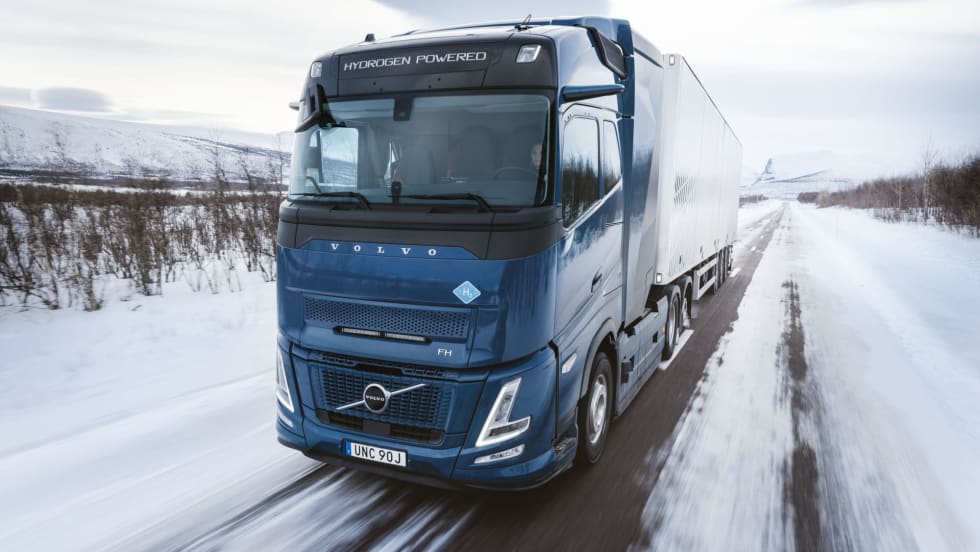
Hydrogen combustion engine trucks will be especially suitable over longer distances and in regions where there is limited charging infrastructure or time for recharging of battery-electric trucks, according to the company.
Trucking operators are slowing speeds, cutting empty miles, and declining unprofitable freight as diesel costs continue to rise due to conflict in the Middle East.
New guidance allows engine makers to replace problematic DEF sensors with NOx-based systems, aiming to reduce unnecessary derates and downtime caused by failures in the sensors designed to monitor diesel exhaust fluid on trucks.
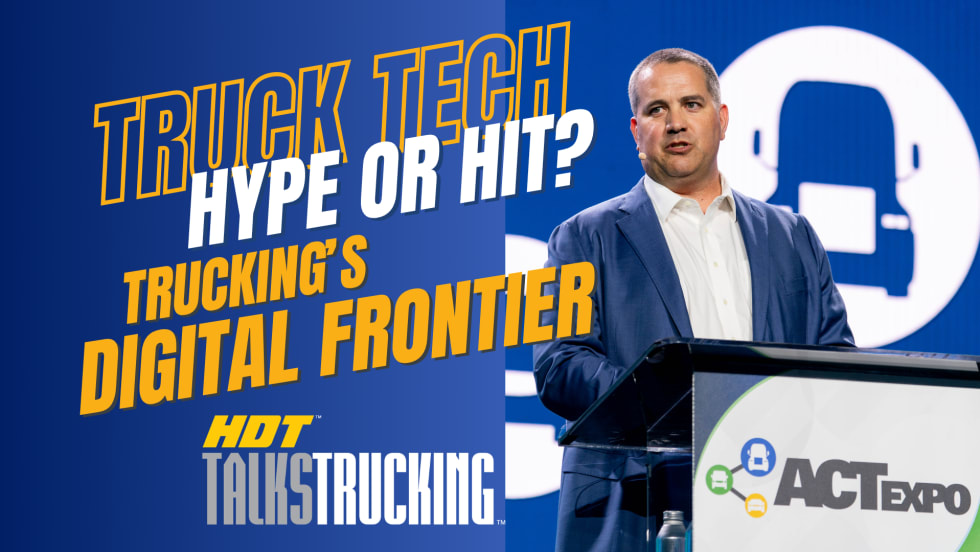
Artificial intelligence, the software-defined vehicle, telematics, autonomous trucks, electric trucks and alternative fuels, and more in this HDT Talks Trucking interview
The company’s expanded EPEQ ecosystem includes flexible solar panels, lithium batteries, hydraulic power systems, and a portable fast charger for electric trucks.
Listen as Mike Roeth of the North American Council for Freight Efficiency shares insights into battery-electric trucks, natural gas, biofuels, and clean diesel on this episode of HDT Talks Trucking.