Electric, Hybrid Trucks to Exceed 1.6 Million Units by 2027
The overall medium- and heavy-duty truck market is projected to continue its reliance on conventional diesel powertrain for the next decade, but hybrid and electric powertrains populations will increase, with volumes expected to grow from about 125,500 to 1.66 million from 2017 to 2027.
by Staff
November 29, 2017
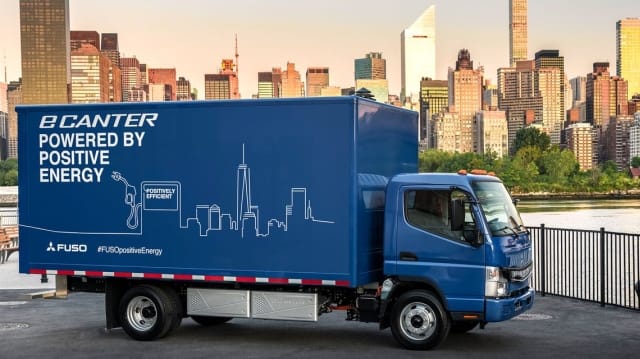
One of the electric trucks that are adding to the growth in future estimates is the Mitsubishi eCanter. (Photo courtesy of Mitsubishi Fuso)
2 min to read
One of the electric trucks that are adding to the growth in future estimates is the Mitsubishi eCanter. (Photo courtesy of Mitsubishi Fuso)
The overall medium- and heavy-duty truck market is projected to continue its reliance on conventional diesel powertrain for the next decade, but hybrid and electric powertrains populations will increase, with volumes expected to grow from about 125,500 to 1.66 million from 2017 to 2027, according to Navigant Research.
Ad Loading...
This is compared to last year's prediction of 332,000 trucks Navigant Research estimated by 2026.
Ad Loading...
A new report from the market research provider examines the global market for medium- and heavy-duty trucks across hybrid, electric, and fuel-cell powertrains providing forecasts for annual sales and vehicle population, through 2027.
With the potential to provide lower operational costs, noise reduction, and environmental benefits, electric trucks are attractive to fleets, yet high up-front costs are still prohibitive. Nonetheless, manufacturers continue to work toward commercially viable electric trucks, thanks to mounting pressure from governments to reduce pollutants from diesel fuel combustion and tackle greenhouse gas emissions.
“We could see a breakthrough in the adoption of electrified trucks once total cost of ownership benefits can be clearly demonstrated for fleet operators,” says Lisa Jerram, principal research analyst with Navigant Research. “For the next few years, trials and small-scale deployments by major fleets and manufacturers will help clarify potential cost benefits and could set in motion a significant increase in orders for electrified trucks.”
While the electric truck market has lagged behind the electric bus market, the sector is likely to benefit from its progress as the cost of key components comes down thanks to increasing volumes. Until this occurs, electric trucks deployments are expected to be focused in places where there are incentives or other government programs in place.
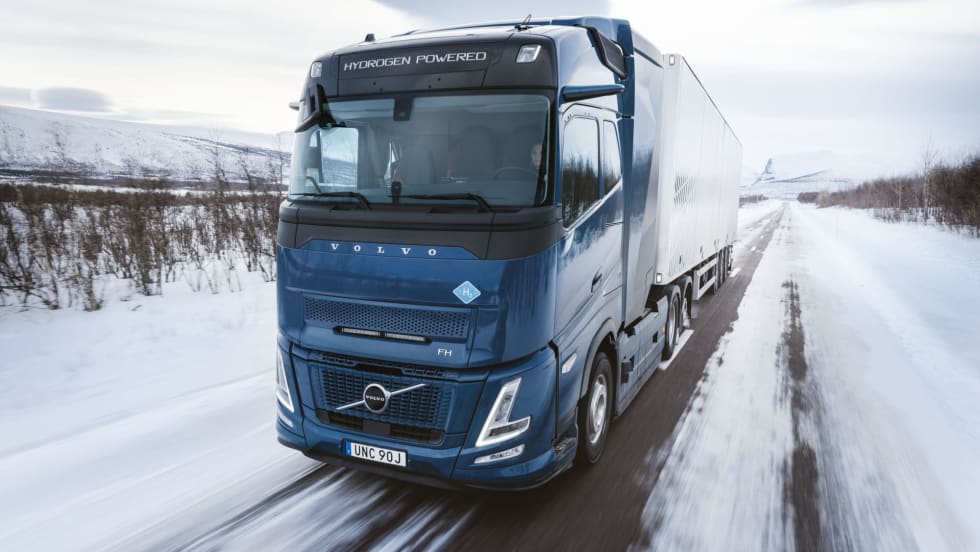
Hydrogen combustion engine trucks will be especially suitable over longer distances and in regions where there is limited charging infrastructure or time for recharging of battery-electric trucks, according to the company.
Trucking operators are slowing speeds, cutting empty miles, and declining unprofitable freight as diesel costs continue to rise due to conflict in the Middle East.
New guidance allows engine makers to replace problematic DEF sensors with NOx-based systems, aiming to reduce unnecessary derates and downtime caused by failures in the sensors designed to monitor diesel exhaust fluid on trucks.
Artificial intelligence, the software-defined vehicle, telematics, autonomous trucks, electric trucks and alternative fuels, and more in this HDT Talks Trucking interview
The company’s expanded EPEQ ecosystem includes flexible solar panels, lithium batteries, hydraulic power systems, and a portable fast charger for electric trucks.
Listen as Mike Roeth of the North American Council for Freight Efficiency shares insights into battery-electric trucks, natural gas, biofuels, and clean diesel on this episode of HDT Talks Trucking.