Los Angeles Completes Battery-Electric Refuse Truck Demo
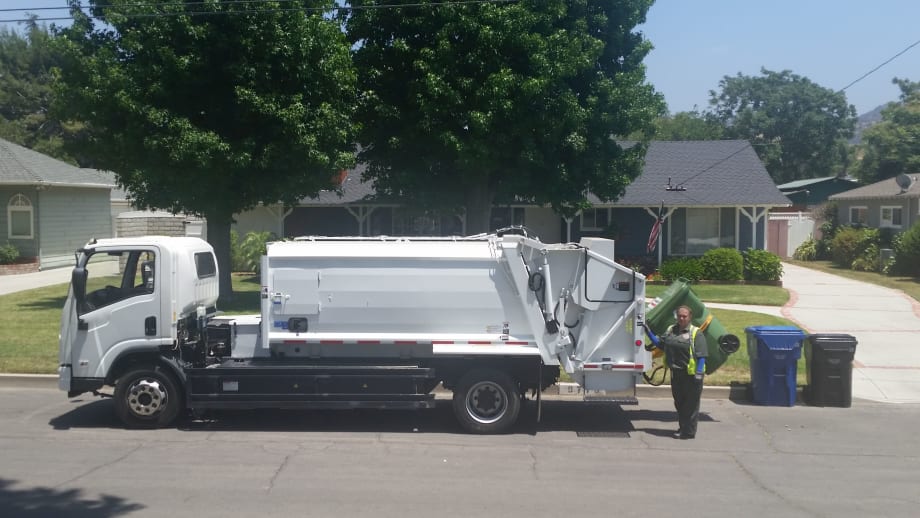
The City of Los Angeles Sanitation has completed its battery-electric refuse truck demonstration project with BYD and Wayne Engineering. This demo vehicle logged more than 5,200 miles and drove up to 108 miles per day.
by Staff
June 7, 2017
Photo courtesy of LA Sanitation
2 min to read
Photo courtesy of LA Sanitation
The City of Los Angeles Sanitation (LASAN) has completed its battery-electric refuse truck demonstration project with BYD and Wayne Engineering. This demo vehicle logged more than 5,200 miles and drove up to 108 miles per day, with an average range of 99 miles, proving that zero-emission refuse vehicles are a viable technology for municipal waste haulers, according to a BYD release.
Ad Loading...
LASAN ran a four-month pilot project with a Class 6 battery-electric refuse truck developed by BYD and Wayne Engineering. The demonstration began in January 2017, with the truck operating on the same real-world routes and variable terrain as LASAN’s regular trucks. The vehicle delivered up to four tons per day to the landfill, all on a single charge, with no major mechanical or performance issues.
Ad Loading...
Urban refuse trucks are a challenging sector for electrification, as most modern battery technologies have not been able to meet the heavy-duty service requirements for waste hauling operations. The pilot demonstrated that zero-emission technology can meet the range and performance needs of the refuse industry.
“LASAN worked closely with BYD during the testing to ensure the electric vehicle met our operational requirements and the outcomes of the testing are satisfactory. This will pave the path for LASAN to move to zero emission collection fleet as part of Mayor Eric Garcetti's Sustainability pLAn,” said Ron Cole, fleet manager for LA Sanitation.
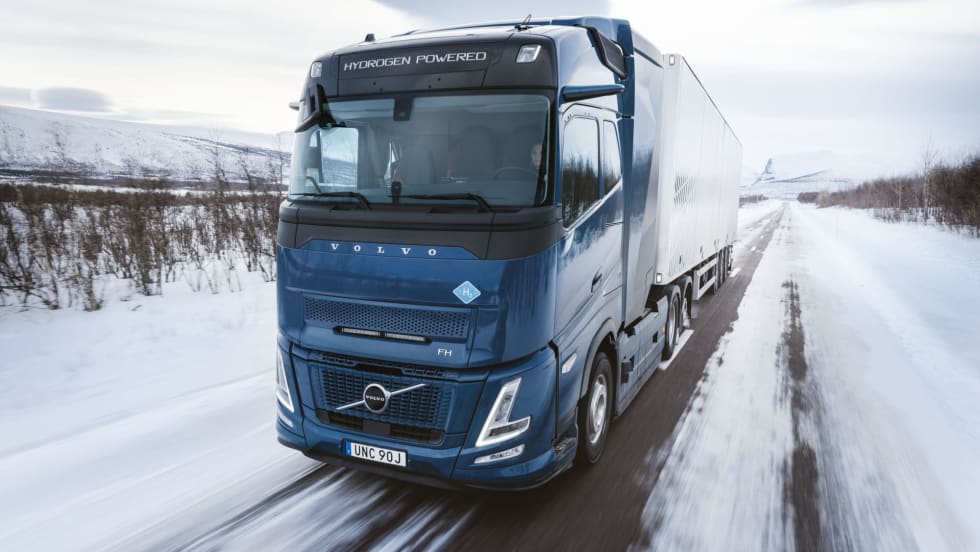
Hydrogen combustion engine trucks will be especially suitable over longer distances and in regions where there is limited charging infrastructure or time for recharging of battery-electric trucks, according to the company.
Trucking operators are slowing speeds, cutting empty miles, and declining unprofitable freight as diesel costs continue to rise due to conflict in the Middle East.
New guidance allows engine makers to replace problematic DEF sensors with NOx-based systems, aiming to reduce unnecessary derates and downtime caused by failures in the sensors designed to monitor diesel exhaust fluid on trucks.
Artificial intelligence, the software-defined vehicle, telematics, autonomous trucks, electric trucks and alternative fuels, and more in this HDT Talks Trucking interview
The company’s expanded EPEQ ecosystem includes flexible solar panels, lithium batteries, hydraulic power systems, and a portable fast charger for electric trucks.
Listen as Mike Roeth of the North American Council for Freight Efficiency shares insights into battery-electric trucks, natural gas, biofuels, and clean diesel on this episode of HDT Talks Trucking.