




Related: BYD, Wayne Engineering Unveil All-Electric Refuse Truck
BYD Introduces Class 8 Battery-Electric Refuse Truck
BYD's new Class 8 battery-electric refuse truck represents the first heavy-duty refuse truck designed and built by an original equipment manufacturer and is 100% battery electric.
by Staff
May 4, 2017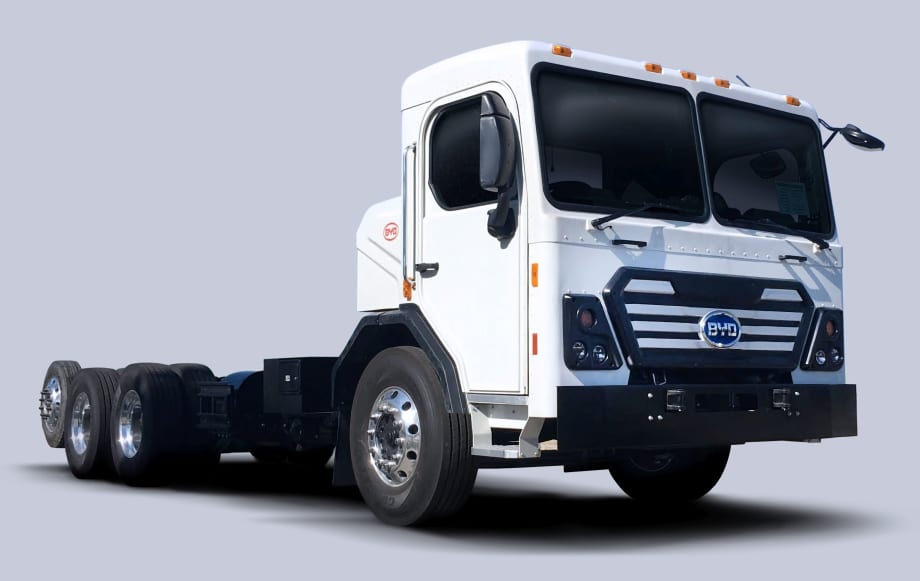
Photo courtesy of BYD
2 min to read

BYD's new Class 8 battery-electric refuse truck represents the first heavy-duty refuse truck designed and built by an original equipment manufacturer and is 100% battery electric. The company formally introduced the truck at ACT Expo on May 3, and it is now available for purchase and deployment.
BYD’s 10-ton payload refuse truck provides 76 miles of range with minimal battery degradation. The truck is a cab and chassis platform, which includes the batteries, high voltage control system, all-electric propulsion system, and electric power take off (ePTO) for powering the hydraulic system to operate the refuse truck bodies. This platform is designed to integrate with all of the major refuse truck body builders in North America and can be configured as a side loader, automated side loader, front loader, rear loader, or roll off.
Because the entire system was designed with electric propulsion in mind, the vehicle features optimized efficiency, maintenance, and usability throughout its life, according to BYD.
Fleet managers can expect more than $13,000 of operational cost savings annually based on service routes of 60 miles per day/five days a week. These savings are due to high-efficiency electric motors and motor controls, as well as lower maintenance on propulsion systems, fewer fluids to change, less brake wear due to regenerative braking technology, and fewer moving parts. Manufactured in California, the BYD refuse truck is compliant with FMVSS and CMVSS regulations.
The BYD battery-electric refuse truck can charge at 40 kW, 80 kW, 100 kW, or 200 kW rates, requiring between one and five hours to charge depending on the power interface used. BYD’s refuse truck battery technology allows for a projected 80% capacity after 5,000 cycles, or 14 years if charged every day.
More Fuel Smarts
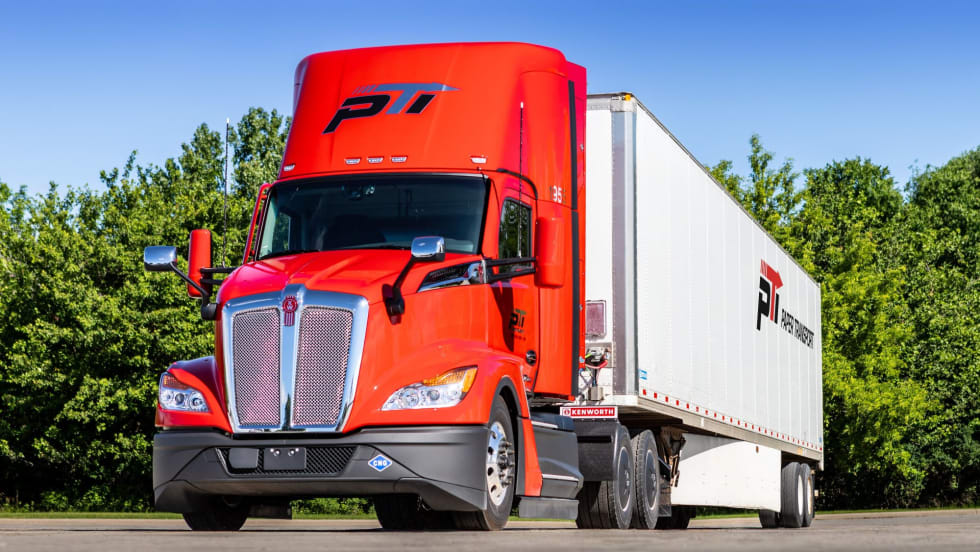
Lessons Learned About Alternative Fuels: Start Small, Stay Flexible
Practical advice on adopting alternative fuels and ZEVs from HDT's 2026 Top Green Fleets, from renewable diesel and natural gas to electric trucks.
Read More →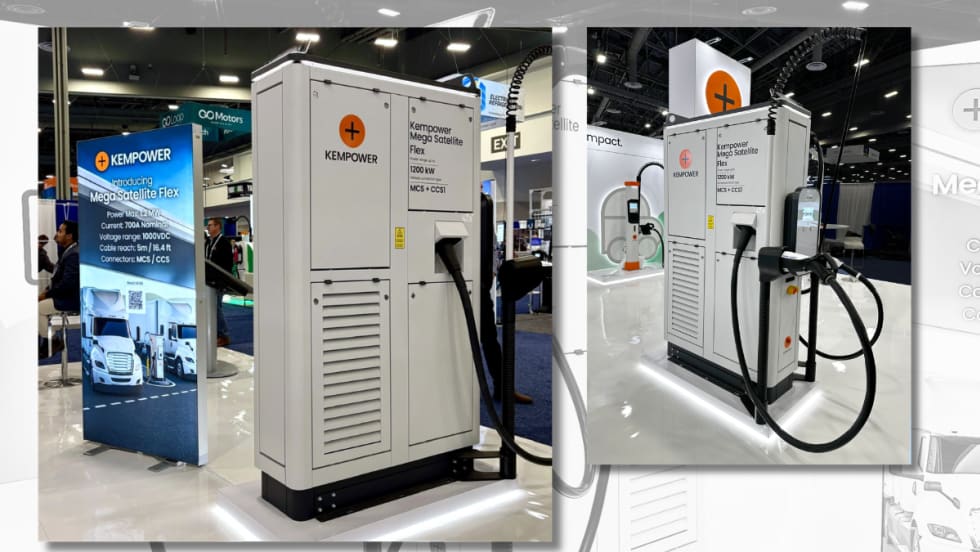
Kempower Adds Flex EV Charger to Help Support Transition to Megawatt Charging
The Kempower Mega Satellite Flex has both a CCS and MCS connector, allowing operators to serve both types of heavy-duty vehicles.
Read More →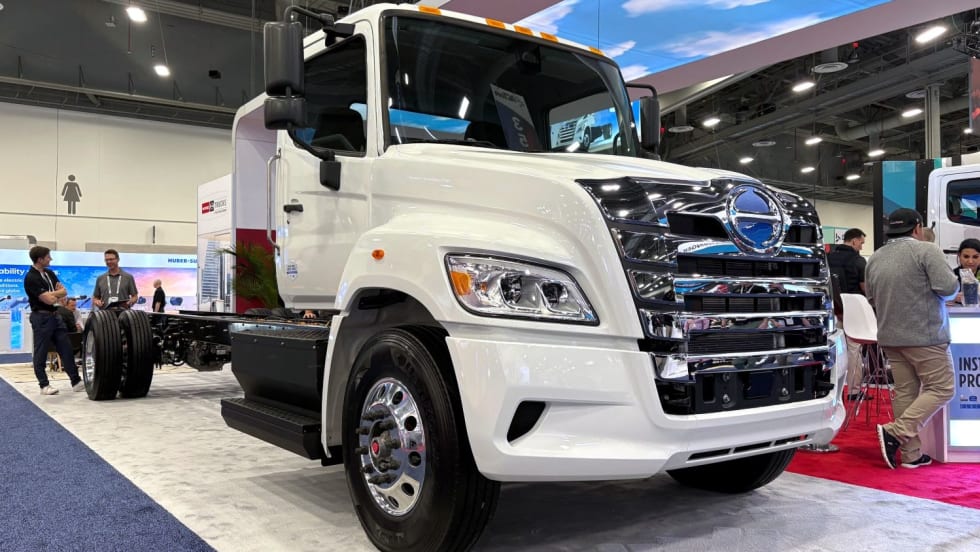
Hino Adds Electric Class 6/7 Truck
Hino says the Le Series is an important step in the company's efforts to reduce environmental impact and support its customers’ sustainability goals.
Read More →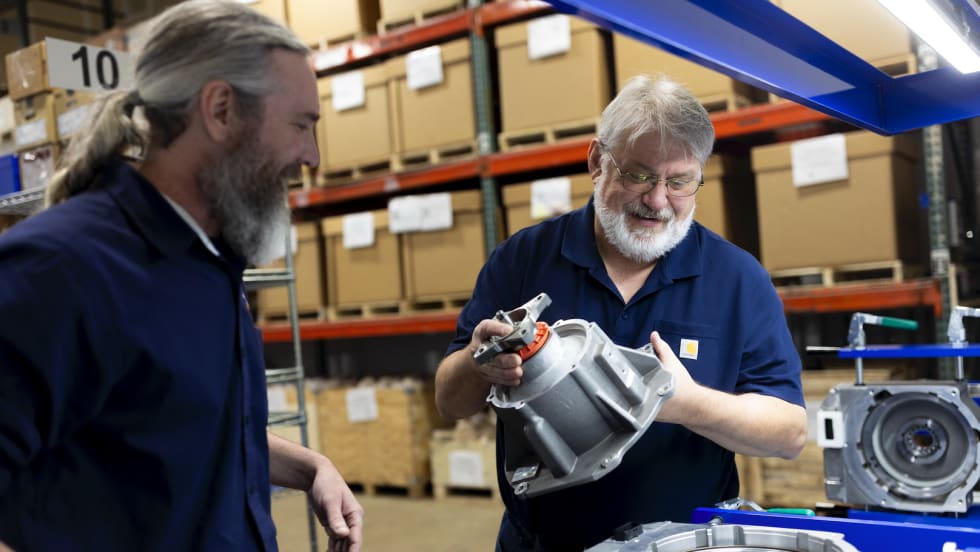
Can Multi-Speed EV Transmissions Solve Heavy Trucking’s Biggest Electric-Vehicle Problems?
A startup called Sigma Powertrain believes purpose-built multi-speed gearboxes can boost efficiency, reduce battery size and improve gradeability for heavy-duty battery-electric trucks.
Read More →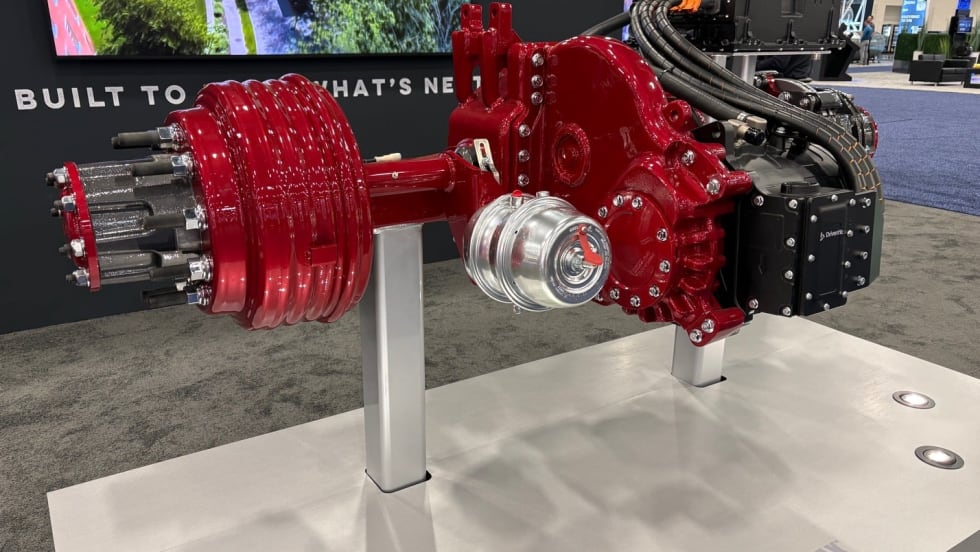
Hendrickson Debuts Electraax E-Axle for Medium-Duty Trucks
Developed with Driventic, Hendrickson's new integrated e-axle is designed to improve efficiency, reduce weight, and extend range in Class 6-7 EV applications.
Read More →
50 Ways Fleets Can Cut Fuel Costs Now — Without Buying New Trucks
Fuel savings don’t come from one big change. They come from dozens of small ones. Here’s how leading fleets are stacking gains across drivers, routing, maintenance, and more.
Read More →
Top Green Fleets 2026: How Fleets Are Reducing Emissions in the Real World
What works in sustainable trucking today? Heavy Duty Trucking's Top Green Fleets are finding practical ways to cut fuel use, reduce emissions, and keep freight moving.
Read More →
California Launching $1 Billion Electric Truck Rebate Program
CARB says the California Clean Fuel Reward program will begin offering point-of-sale rebates of up to $120,000 for electric commercial trucks starting June 26.
Read More →
Mack Unveils EPA 2027-Compliant MP13 Engine With More Power, Better Fuel Economy
Along with unveiling its EPA 2027-compliant MP13 engine, Mack outlined powertrain changes across its Class 6-8 lineup, including new Cummins-based X10 engines.
Read More →
How Volvo’s New D13 Engine Meets EPA 2027 Emissions Without Sacrificing Power or Fuel Efficiency
Volvo says advances in combustion and aftertreatment helped its new EPA 2027 D13 engine avoid the fuel-economy penalties many once expected from tighter NOx emissions limits.
Read More →