



Ryder System has formed a 10-year strategic partnership with Workhorse Group to be primary distributor and provider of service and support for Workhorse light- and medium-duty range-extended electric vehicles in North America.
 MENU
MENU SEARCH
Ryder System has formed a 10-year strategic partnership with Workhorse Group that makes Ryder the primary distributor and provider of service and support for Workhorse light- and medium-duty range-extended electric vehicles in North America, Ryder has announced.
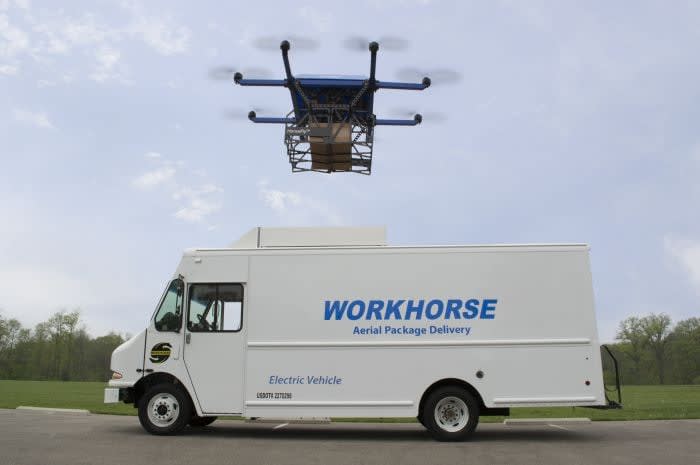
Photo: Workhorse
Ryder System has formed a 10-year strategic partnership with Workhorse Group to be primary distributor and provider of service and support for Workhorse light- and medium-duty range-extended electric vehicles in North America.
Workhorse provides battery electric and range-extended hybrid electric vehicles for the commercial vehicle industry. Ryder will be the primary provider of service for these vehicles and will now be the primary distributor of the E-100, E-Gen, and the new W-15 electric pickup.
“Workhorse brings not only a strong track record in range-extended electric medium-duty vehicles with the E-100 and E-Gen, but also a strong future in the light-duty market with the range-extended W-15 electric pickup," said Scott Perry, chief technology and procurement officer at Ryder. “This new strategic partnership will help us expand our advanced vehicle technology portfolio of innovative solutions within the commercial transportation industry."
As part of the deal Ryder will also join the Workhorse W-15 leadership council. Earlier this year UPS and Workhorse demonstrated a home package delivery using the Workhorse E-Gen launching an automated Horsefly drone for delivery. Workhorse also released preliminary specifications for the W-15 pickup truck in April and recently unveiled its first drivable prototype.
"Our partnership with Ryder represents an important milestone for Workhorse as we seek to transition to commercial scale," said Stephen Burns, CEO of Workhorse. "We believe that this partnership will also open distribution to a wide range of national, regional and local fleets looking to save fuel and maintenance costs by integrating electric Workhorse step vans and pickup trucks."
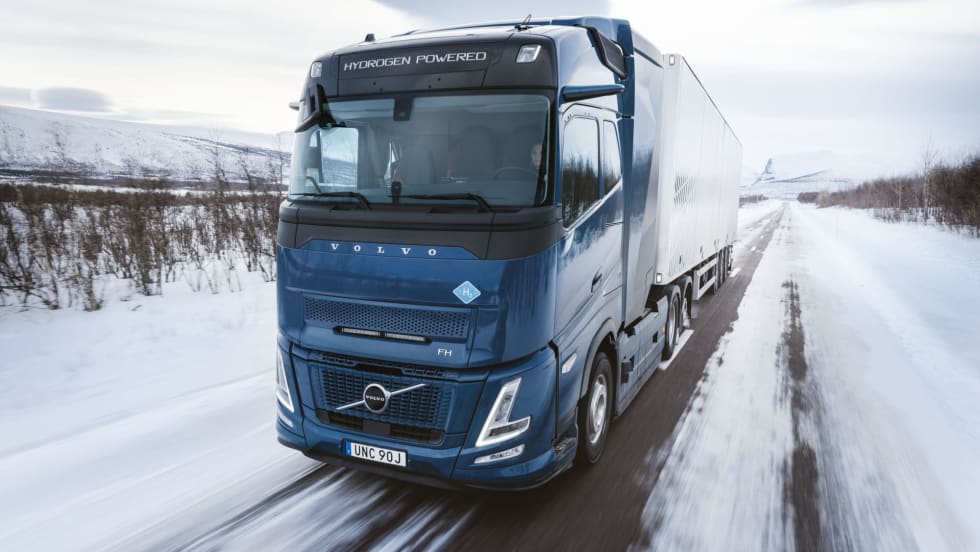
Hydrogen combustion engine trucks will be especially suitable over longer distances and in regions where there is limited charging infrastructure or time for recharging of battery-electric trucks, according to the company.
Read More →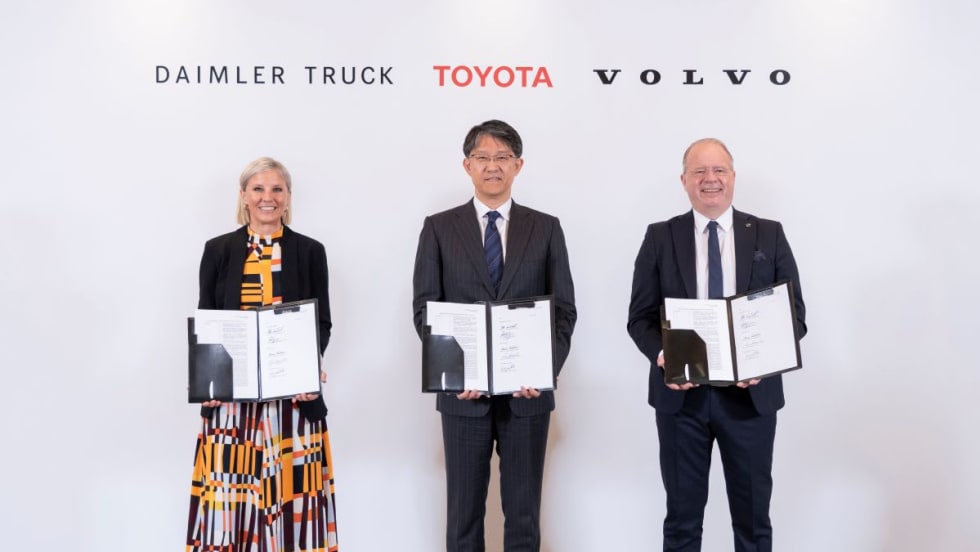
By joining Daimler Truck and Volvo, Toyota brings fuel cell expertise to a joint effort aimed at making hydrogen viable for heavy-duty transport.
Read More →
Trucking operators are slowing speeds, cutting empty miles, and declining unprofitable freight as diesel costs continue to rise due to conflict in the Middle East.
Read More →
New guidance allows engine makers to replace problematic DEF sensors with NOx-based systems, aiming to reduce unnecessary derates and downtime caused by failures in the sensors designed to monitor diesel exhaust fluid on trucks.
Read More →
Is your company a leader in sustainability efforts among trucking fleets? If so, Heavy Duty Trucking's editors want to hear from you.
Read More →
Artificial intelligence, the software-defined vehicle, telematics, autonomous trucks, electric trucks and alternative fuels, and more in this HDT Talks Trucking interview
Read More →With global oil flows disrupted, U.S. diesel prices have topped $5 across every region, climbing sharply in the past few weeks.
Read More →
The impact of the Iran conflict extends beyond fuel costs, bringing more fraud and cybersecurity risks to the trucking industry.
Read More →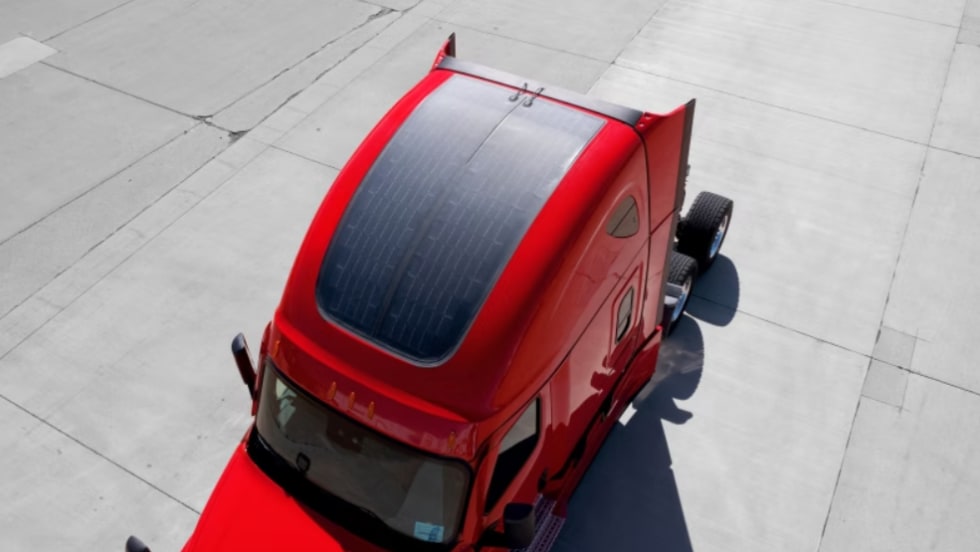
The company’s expanded EPEQ ecosystem includes flexible solar panels, lithium batteries, hydraulic power systems, and a portable fast charger for electric trucks.
Read More →
Listen as Mike Roeth of the North American Council for Freight Efficiency shares insights into battery-electric trucks, natural gas, biofuels, and clean diesel on this episode of HDT Talks Trucking.
Read More →