



ROUSH CleanTech will begin offering a 35-gallon propane autogas fuel tank for medium-duty trucks such as the Ford F-450 and F-550, the Livonia, Mich.-based vehicle modifier has announced.
 MENU
MENU SEARCH
ROUSH CleanTech will begin offering a 35-gallon propane autogas fuel tank for medium-duty trucks such as the Ford F-450 and F-550, the Livonia, Mich.-based vehicle modifier has announced.
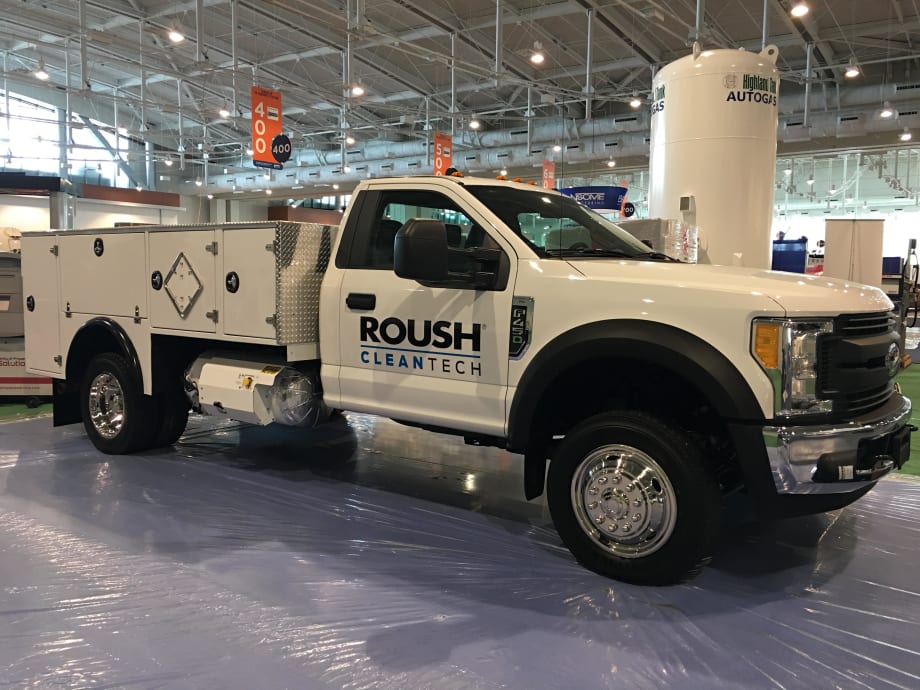
Photo of ROUSH CleanTech Ford F-450 courtesy of ROUSH CleanTech.
ROUSH CleanTech will begin offering a 35-gallon propane autogas fuel tank for medium-duty trucks such as the Ford F-450 and F-550, the Livonia, Mich.-based vehicle modifier has announced.
The company will show the new single-saddle tank at the NPGA Southeastern Convention & International Propane Expo in Nashville on April 22 and 23.
"The innovative propane autogas fuel tank configuration for these heavier-duty Ford trucks provides the propane industry with another option for their fleets," said Todd Mouw, vice president of sales and marketing. "Companies can fuel all of their Class 4-7 work trucks and bobtails with the same product they sell."
Propane suppliers and other companies that use 84-inch cab-to-axle fleet vehicles no longer need to order a size up to accommodate a propane tank, according to the company. The new tank will fit 84-inch, 120-inch and 180-inch cab axles.
Applications for the propane autogas-fueled F-450 / F-550 trucks with the new tank design include box trucks, flat beds, service trucks, mini-bobtails, crane trucks and cylinder delivery trucks. The ROUSH CleanTech propane autogas vehicles maintain the same horsepower, torque and towing capacity as their Ford gasoline-fueled counterparts, according to the company.
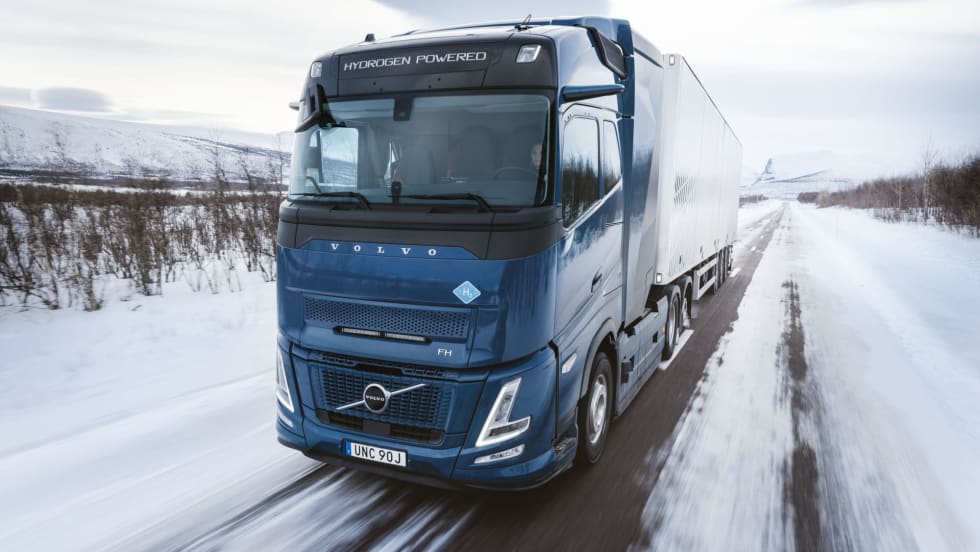
Hydrogen combustion engine trucks will be especially suitable over longer distances and in regions where there is limited charging infrastructure or time for recharging of battery-electric trucks, according to the company.
Read More →
By joining Daimler Truck and Volvo, Toyota brings fuel cell expertise to a joint effort aimed at making hydrogen viable for heavy-duty transport.
Read More →
Trucking operators are slowing speeds, cutting empty miles, and declining unprofitable freight as diesel costs continue to rise due to conflict in the Middle East.
Read More →
New guidance allows engine makers to replace problematic DEF sensors with NOx-based systems, aiming to reduce unnecessary derates and downtime caused by failures in the sensors designed to monitor diesel exhaust fluid on trucks.
Read More →
Is your company a leader in sustainability efforts among trucking fleets? If so, Heavy Duty Trucking's editors want to hear from you.
Read More →
Artificial intelligence, the software-defined vehicle, telematics, autonomous trucks, electric trucks and alternative fuels, and more in this HDT Talks Trucking interview
Read More →With global oil flows disrupted, U.S. diesel prices have topped $5 across every region, climbing sharply in the past few weeks.
Read More →
The impact of the Iran conflict extends beyond fuel costs, bringing more fraud and cybersecurity risks to the trucking industry.
Read More →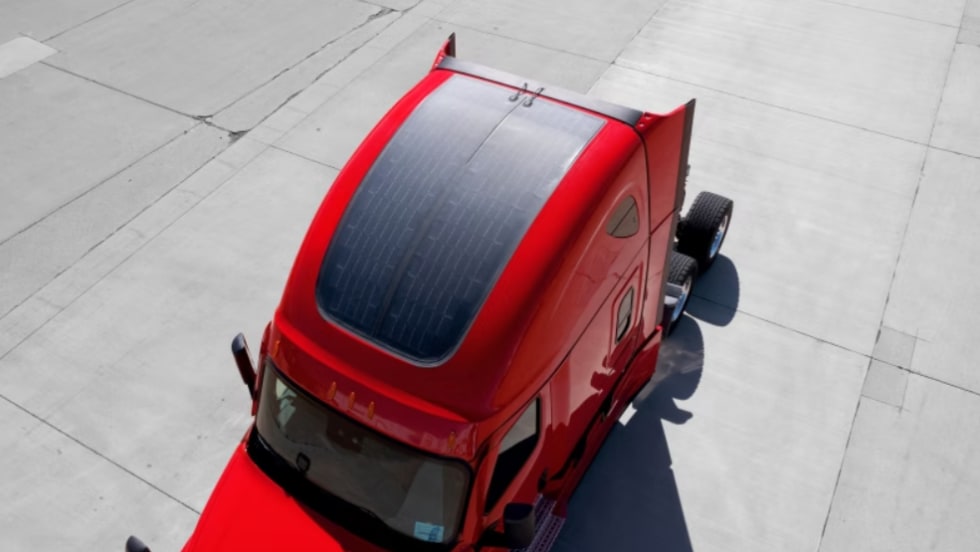
The company’s expanded EPEQ ecosystem includes flexible solar panels, lithium batteries, hydraulic power systems, and a portable fast charger for electric trucks.
Read More →
Listen as Mike Roeth of the North American Council for Freight Efficiency shares insights into battery-electric trucks, natural gas, biofuels, and clean diesel on this episode of HDT Talks Trucking.
Read More →