




Related: Cheaper Renewable Diesel May be Possible With Modified Yeast
Renewable Fuel Boosts Diesel's Dominance, Tech Forum Says
Alan Schaeffer of the Diesel Technology Forum also cited data showing that in emissions-sensitive southern California, more particulates come from brake dust and tire wear than from heavy diesel trucks.
by Staff
March 31, 2017
Screenshot via Neste YouTube
2 min to read

Renewable diesel fuel made from organic materials will enhance the dominant position of Clean Diesel engines among the world’s power sources, the head of a diesel advocacy group told a seminar in San Francisco yesterday.
Alan Schaeffer, executive director of the Diesel Technology Forum, outlined how renewable diesel fuels build on the near-zero-emissions diesel engine and emission control systems. He also cited data showing in emissions-sensitive southern California, more particulates come from brake dust and tire wear than from heavy diesel trucks.
His remarks came at the Renewable Diesel Seminar, hosted by the Neste Corp., a leading supplier of renewable diesel, with additional presentations by officials from the San Francisco Department of the Environment, the City of Oakland, and the Natural Resources Defense Council.
“Diesel engines remain the workhorse of the global economy and have evolved to retain that position in the future,” Schaeffer said. “New clean diesel technology across all applications has now transformed to achieve near-zero emissions, while still maintaining an efficiency advantage over other energy sources.
“As we work toward a sustainable future, the utilization of advanced renewable diesel fuels enhances all diesel performance and ensures diesel’s long-term suitability for helping achieve environmental, energy, climate and sustainability goals of nations, states, cities, and fleets.”
Renewable diesel fuel is made from 100% renewable raw materials and results in a 40-90% reduction in greenhouse gas emissions over the fuel's lifecycle when compared with traditional petroleum diesel. Cities like San Francisco and Oakland have switched their truck and equipment fleets to renewable diesel as a cost-effective policy to immediately lower emissions in their regions.
“Renewable diesel is suitable for all diesel engines and its significant reduction in greenhouse gas emissions offers immediate societal and customer benefits and an overnight transformation of the carbon footprint,” Schaeffer said.
The latest engines and ultra-low sulfur diesel fuel have virtually eliminated particulate matter and NOx emissions in the past 15 years, he said. He also noted that more fine particulates in Southern California come from brake dust and tire wear than from heavy-duty diesel trucks, according to California Air Resources Board data.
He added that diesel advancements were especially significant because diesel engines power over 90% of heavy-duty trucks in the U.S. and an overwhelming majority of all off-road construction and agricultural engines.
“There are new advancements in engine thermal efficiency, diesel engine hybridization, and innovations in system efficiency which mean even lower emissions and improved efficiency,” he said.
Schaeffer also highlighted how the integration of clean diesel generators in microgrids for electric power generation is allowing communities to utilize “the solar and wind renewable energy they want with the reliability they need from diesel generators.”
More Fuel Smarts
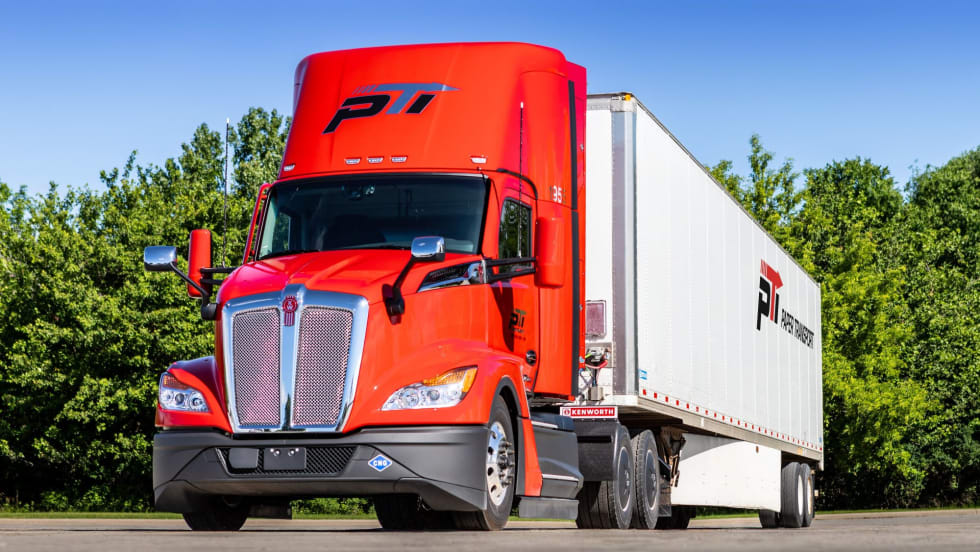
Lessons Learned About Alternative Fuels: Start Small, Stay Flexible
Practical advice on adopting alternative fuels and ZEVs from HDT's 2026 Top Green Fleets, from renewable diesel and natural gas to electric trucks.
Read More →
Kempower Adds Flex EV Charger to Help Support Transition to Megawatt Charging
The Kempower Mega Satellite Flex has both a CCS and MCS connector, allowing operators to serve both types of heavy-duty vehicles.
Read More →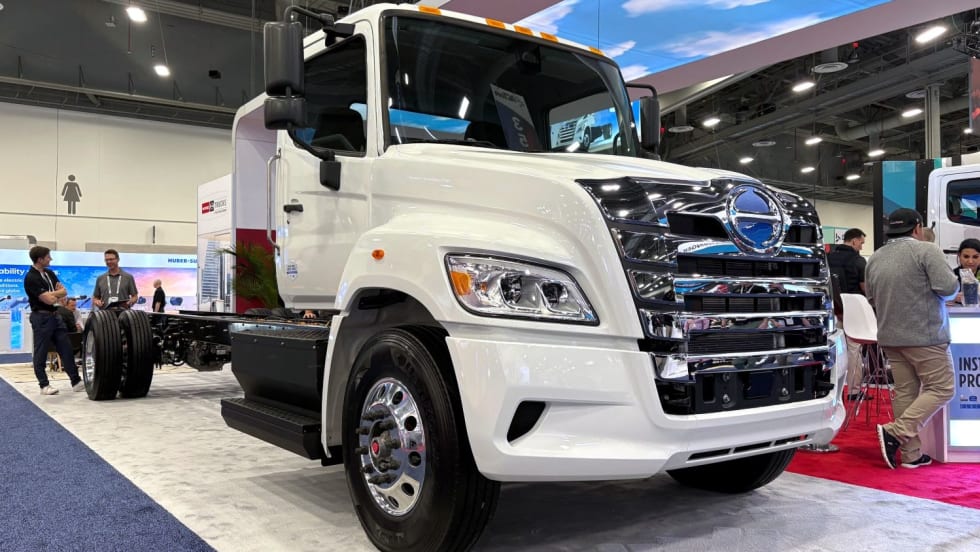
Hino Adds Electric Class 6/7 Truck
Hino says the Le Series is an important step in the company's efforts to reduce environmental impact and support its customers’ sustainability goals.
Read More →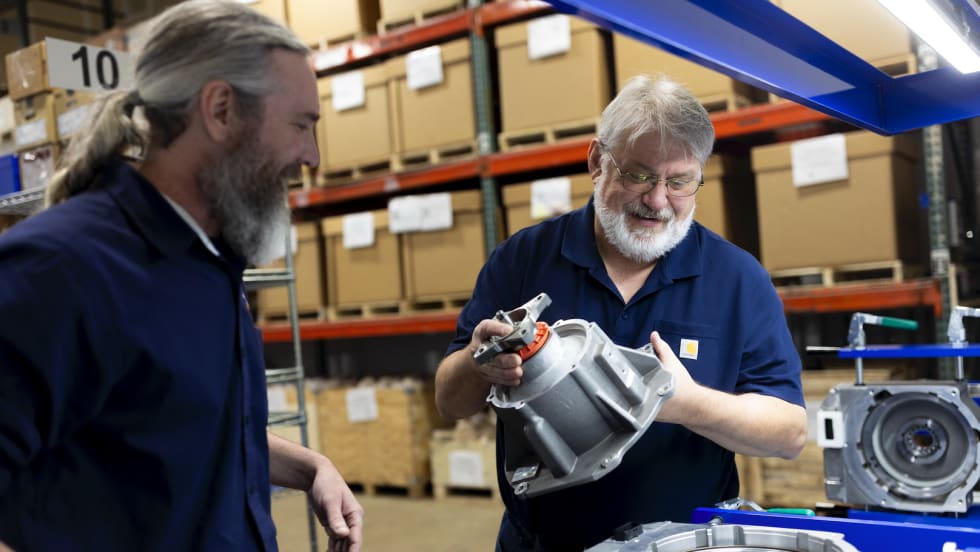
Can Multi-Speed EV Transmissions Solve Heavy Trucking’s Biggest Electric-Vehicle Problems?
A startup called Sigma Powertrain believes purpose-built multi-speed gearboxes can boost efficiency, reduce battery size and improve gradeability for heavy-duty battery-electric trucks.
Read More →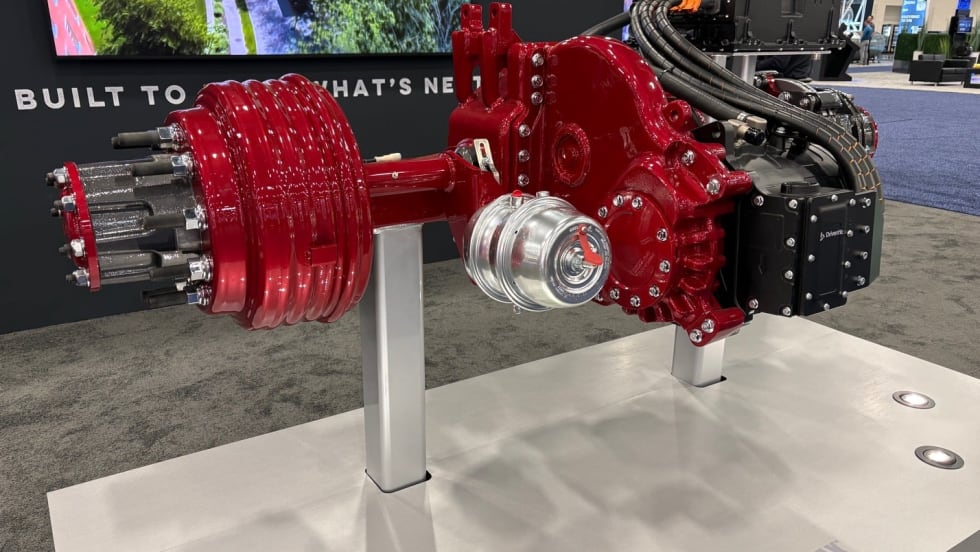
Hendrickson Debuts Electraax E-Axle for Medium-Duty Trucks
Developed with Driventic, Hendrickson's new integrated e-axle is designed to improve efficiency, reduce weight, and extend range in Class 6-7 EV applications.
Read More →
50 Ways Fleets Can Cut Fuel Costs Now — Without Buying New Trucks
Fuel savings don’t come from one big change. They come from dozens of small ones. Here’s how leading fleets are stacking gains across drivers, routing, maintenance, and more.
Read More →
Top Green Fleets 2026: How Fleets Are Reducing Emissions in the Real World
What works in sustainable trucking today? Heavy Duty Trucking's Top Green Fleets are finding practical ways to cut fuel use, reduce emissions, and keep freight moving.
Read More →
California Launching $1 Billion Electric Truck Rebate Program
CARB says the California Clean Fuel Reward program will begin offering point-of-sale rebates of up to $120,000 for electric commercial trucks starting June 26.
Read More →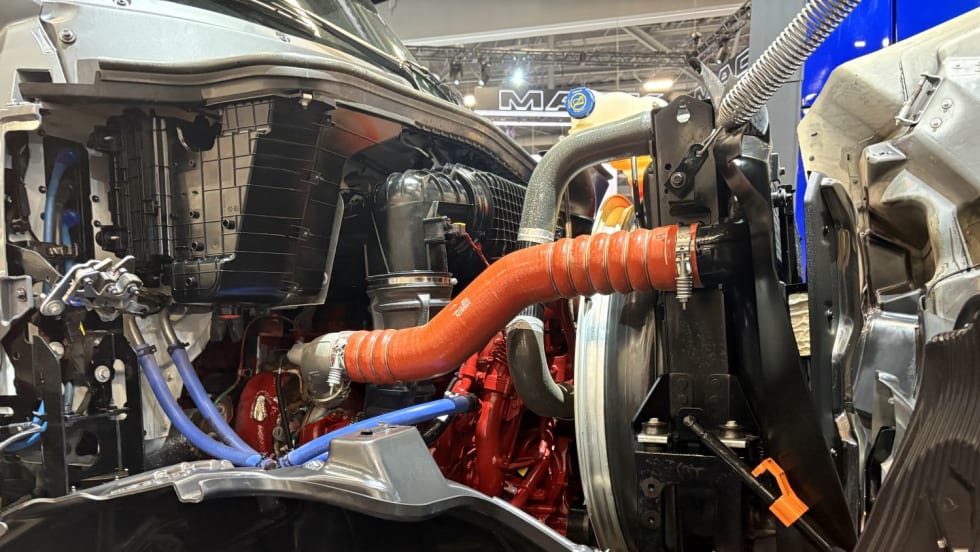
Mack Unveils EPA 2027-Compliant MP13 Engine With More Power, Better Fuel Economy
Along with unveiling its EPA 2027-compliant MP13 engine, Mack outlined powertrain changes across its Class 6-8 lineup, including new Cummins-based X10 engines.
Read More →
How Volvo’s New D13 Engine Meets EPA 2027 Emissions Without Sacrificing Power or Fuel Efficiency
Volvo says advances in combustion and aftertreatment helped its new EPA 2027 D13 engine avoid the fuel-economy penalties many once expected from tighter NOx emissions limits.
Read More →