Loop Energy, Peterbilt to Build Zero-Emission Truck
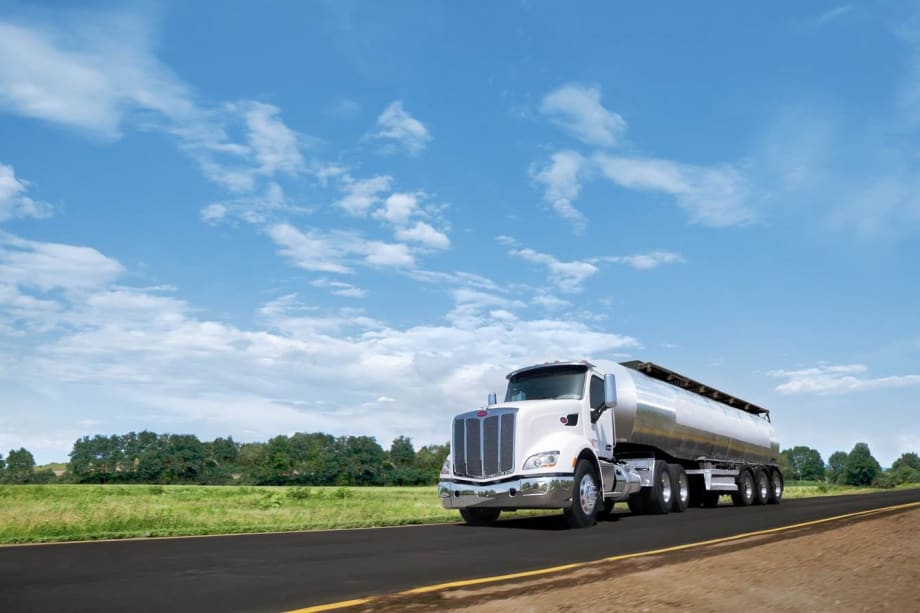
Loop Energy will use a newly acquired $7.5 million grant to accelerate deployment of its new zero-emission powertrain for heavy-duty trucks. The company plans to install the powertrain in a Peterbilt Class 8 truck and deliver it to a customer for testing.
by Staff
March 7, 2016
Photo courtesy of Loop Energy
1 min to read
Photo courtesy of Loop Energy
Loop Energy will use a newly acquired $7.5 million grant to accelerate deployment of its new zero-emission powertrain for heavy-duty trucks. The company plans to install the powertrain in a Peterbilt Class 8 truck and deliver it to a customer for testing.
Ad Loading...
The project is being funded with a grant from Sustainable Development Technology Canada (SDTC) announced March 4.
Ad Loading...
Based in British Columbia, Canada, Loop Energy (formerly PowerDisc Development) combines an electric battery with a hydrogen fuel cell with only water vapor as exhaust.
The zero-emission powertrain will enable an annual reduction of 64 tons of carbon dioxide per truck. The Loop powertrain is suited for urban freight applications, such as yard trucks and delivery trucks operating at commercial distribution centers, and drayage trucks operating at ports, according to Loop Energy.
“This zero-emission powertrain for heavy-duty trucks is the kind of technology that has the potential to generate jobs, growth and export opportunities, and to bring lasting economic, environmental and health benefits to Canadians and the world," said Leah Lawrence, president and CEO of SDTC.
Diesel trucks are a primary contributor to the release of greenhouse gases in North America, accounting for 20% of emissions and oil use from the entire transportation sector, according to the company.
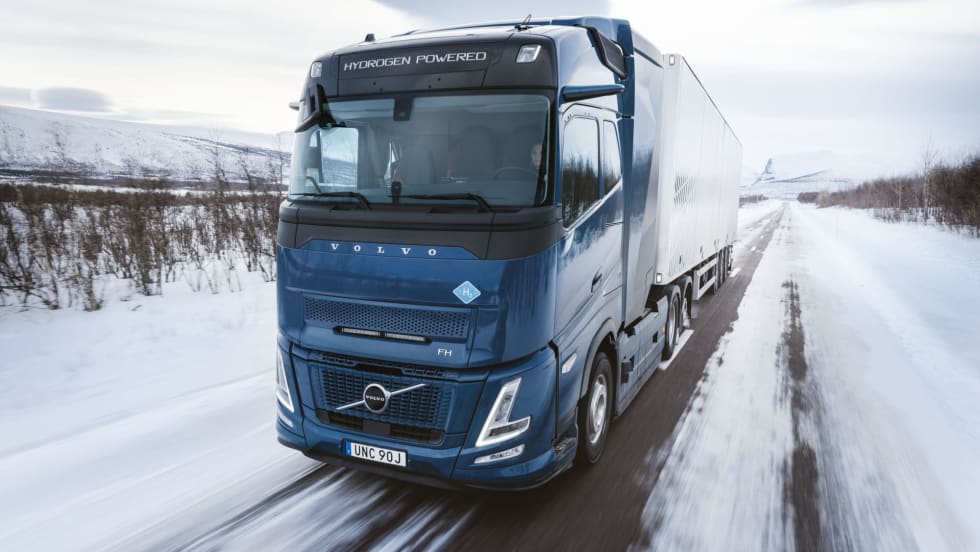
Hydrogen combustion engine trucks will be especially suitable over longer distances and in regions where there is limited charging infrastructure or time for recharging of battery-electric trucks, according to the company.
Trucking operators are slowing speeds, cutting empty miles, and declining unprofitable freight as diesel costs continue to rise due to conflict in the Middle East.
New guidance allows engine makers to replace problematic DEF sensors with NOx-based systems, aiming to reduce unnecessary derates and downtime caused by failures in the sensors designed to monitor diesel exhaust fluid on trucks.
Artificial intelligence, the software-defined vehicle, telematics, autonomous trucks, electric trucks and alternative fuels, and more in this HDT Talks Trucking interview
The company’s expanded EPEQ ecosystem includes flexible solar panels, lithium batteries, hydraulic power systems, and a portable fast charger for electric trucks.
Listen as Mike Roeth of the North American Council for Freight Efficiency shares insights into battery-electric trucks, natural gas, biofuels, and clean diesel on this episode of HDT Talks Trucking.