A new guide created by the Center for Climate and Energy Solutions (C2ES) states that public and private fleets that use natural gas vehicles are better at advancing their deployment than individual vehicle owners.
by Staff
November 16, 2015
Photo courtesy of C2ES
2 min to read
Photo courtesy of C2ES
Public and private fleets that use natural gas vehicles are better at advancing NGV deployment because they may be able to more readily overcome the barriers involved with NGVs than individual vehicle owners, according to a guide released by the Center for Climate and Energy Solutions (C2ES).
Ad Loading...
Increasing the use of natural gas vehicles (NGVs) in public and private fleets is the best way to significantly reduce gasoline and diesel use in the transportation sector, according to the independent nonprofit organization that works to advance strong policy and action to address climate and energy challenges.
Ad Loading...
The findings are part of a two-year initiative to develop groundbreaking finance mechanisms aimed at quickening the deployment of alternative fuel vehicles and fueling infrastructure, as part of a combined effort by the center and the National Association of State Energy Officials (NASEO) with funding from the U.S. Department of Energy’s Clean Cities Program.
The guide details how fleet managers were originally hesitant to adopt NGVs in the past due to high upfront vehicle costs and lack of available fueling stations. It also delves into questions that private investors, state, and local agencies may have about important concerns and strategies for deploying NGVs in public and private fleets.
An additional section of the guide analyzes a variety of scenarios for tractor-trailer truck and light-duty vehicle fleets, and estimates the potential for NGVs to achieve net cost savings compared to conventional vehicles.
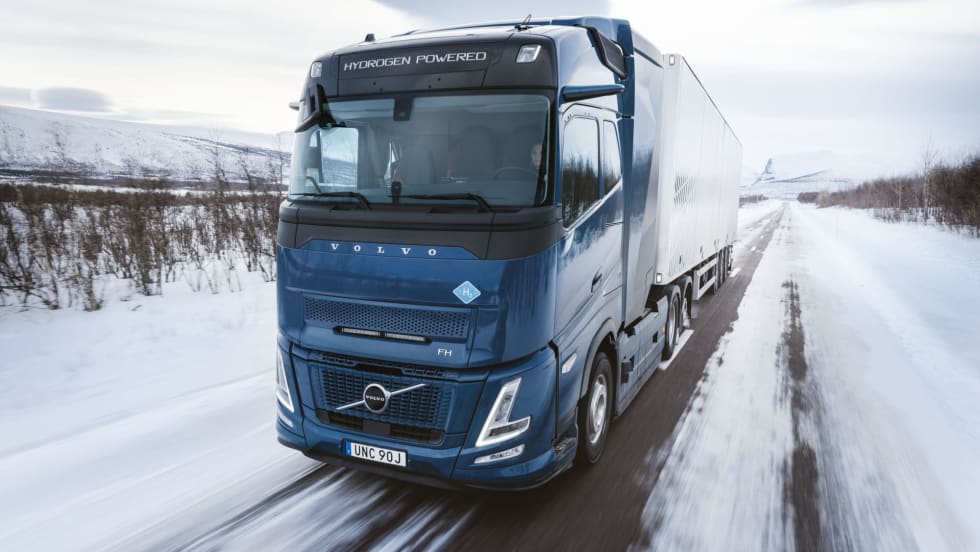
Hydrogen combustion engine trucks will be especially suitable over longer distances and in regions where there is limited charging infrastructure or time for recharging of battery-electric trucks, according to the company.
Trucking operators are slowing speeds, cutting empty miles, and declining unprofitable freight as diesel costs continue to rise due to conflict in the Middle East.
New guidance allows engine makers to replace problematic DEF sensors with NOx-based systems, aiming to reduce unnecessary derates and downtime caused by failures in the sensors designed to monitor diesel exhaust fluid on trucks.
Artificial intelligence, the software-defined vehicle, telematics, autonomous trucks, electric trucks and alternative fuels, and more in this HDT Talks Trucking interview
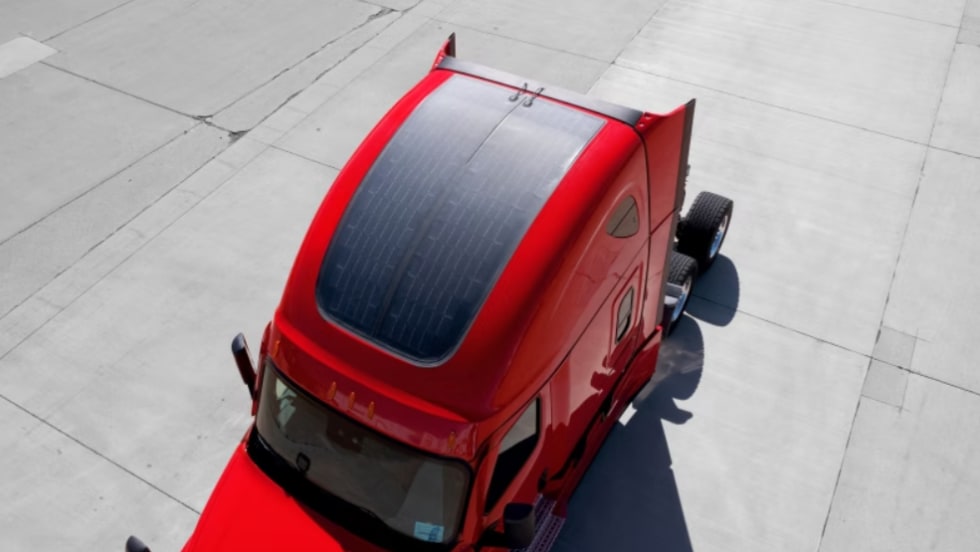
The company’s expanded EPEQ ecosystem includes flexible solar panels, lithium batteries, hydraulic power systems, and a portable fast charger for electric trucks.
Listen as Mike Roeth of the North American Council for Freight Efficiency shares insights into battery-electric trucks, natural gas, biofuels, and clean diesel on this episode of HDT Talks Trucking.