



Lockheed Martin has reached an investment agreement with Peloton Technology to accelerate Peloton’s development and deployment of truck-platooning technology for the U.S. and international trucking industries.
 MENU
MENU SEARCH
Lockheed Martin has reached an investment agreement with Peloton Technology to accelerate the development and deployment of the company's truck-platooning technology.

Image via Peloton
Lockheed Martin has reached an investment agreement with Peloton Technology to accelerate Peloton’s development and deployment of truck-platooning technology for the U.S. and international trucking industries.
Lockheed Martin is joining a $17-million invest round that was co-led by Denso International America and Intel capital. Lockheed Martin joins an investment group that includes Volvo Group Venture capital, UPS Strategic Enterprise Fund, and Castrol innoVentures.
In Europe, Volvo was involved in the testing of another platooning technology referred to as Safe Road Trains for the Environment or Project Sartre.
“Lockheed Martin is committed to partnering with Peloton and excited to be working with such a strong team of strategic investors,” said Adam Miller, new initiatives director for Lockheed Martin Missiles and Fire Control. “Our partnership is consistent with Lockheed Martin’s approach of researching and investing in disruptive and cutting-edge technologies.”
Peloton’s Truck Platooning system electronically couples pairs of trucks through a combination of vehicle-to-vehicle communications, radar-based active braking systems and vehicle-control algorithms. The pairing allows trucks to travel at closer distances to improve aerodynamics and reduce fuel use.
The Peloton Truck Platooning system’s direct communication link enables the rear truck to react automatically to acceleration or braking by the front truck nearly instantaneously, which allows tighter spacing for better fuel efficiency.
Peloton’s cloud-based network operations center monitors truck safety and approves of truck pairings only on suitable roads under appropriate weather, vehicle and traffic conditions.
To date, the Truck Platooning system has logged more than 15,000 platooning miles and has been tested in Nevada, Utah, Texas, Ohio, Florida, Alabama and Michigan, according to Peloton.
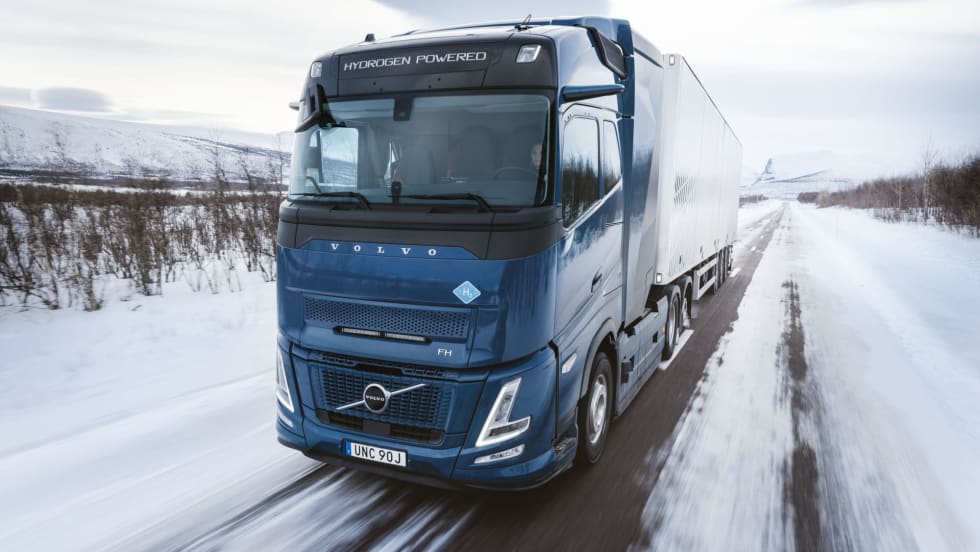
Hydrogen combustion engine trucks will be especially suitable over longer distances and in regions where there is limited charging infrastructure or time for recharging of battery-electric trucks, according to the company.
Read More →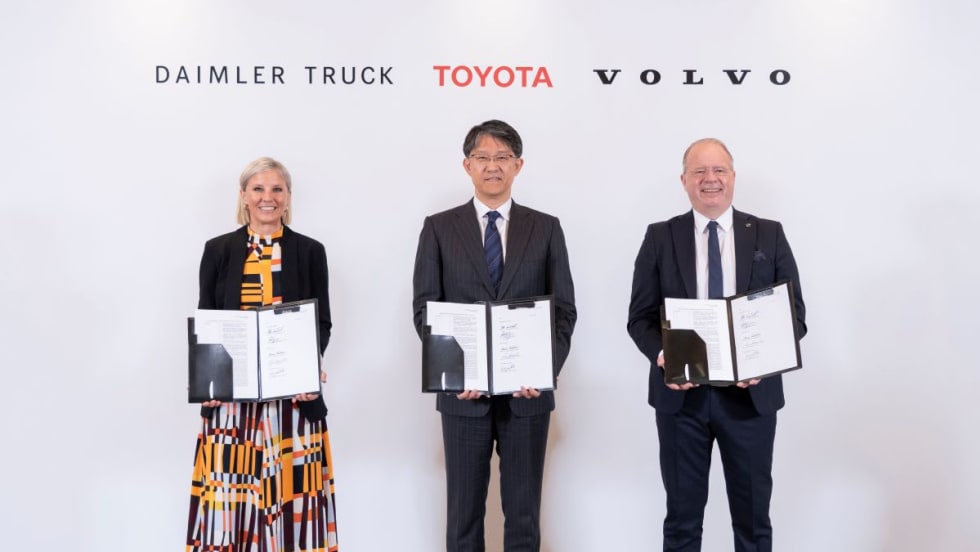
By joining Daimler Truck and Volvo, Toyota brings fuel cell expertise to a joint effort aimed at making hydrogen viable for heavy-duty transport.
Read More →
Trucking operators are slowing speeds, cutting empty miles, and declining unprofitable freight as diesel costs continue to rise due to conflict in the Middle East.
Read More →
New guidance allows engine makers to replace problematic DEF sensors with NOx-based systems, aiming to reduce unnecessary derates and downtime caused by failures in the sensors designed to monitor diesel exhaust fluid on trucks.
Read More →
Is your company a leader in sustainability efforts among trucking fleets? If so, Heavy Duty Trucking's editors want to hear from you.
Read More →
Artificial intelligence, the software-defined vehicle, telematics, autonomous trucks, electric trucks and alternative fuels, and more in this HDT Talks Trucking interview
Read More →With global oil flows disrupted, U.S. diesel prices have topped $5 across every region, climbing sharply in the past few weeks.
Read More →
The impact of the Iran conflict extends beyond fuel costs, bringing more fraud and cybersecurity risks to the trucking industry.
Read More →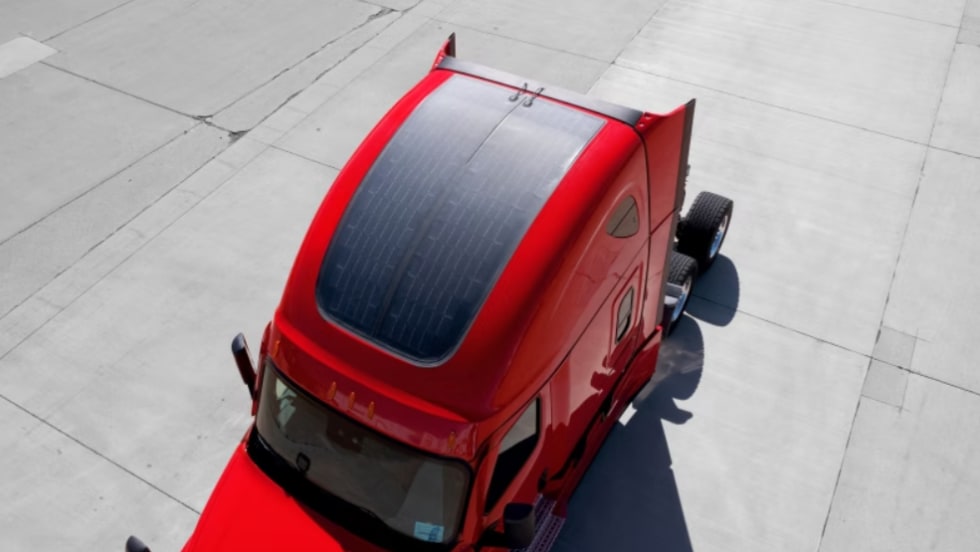
The company’s expanded EPEQ ecosystem includes flexible solar panels, lithium batteries, hydraulic power systems, and a portable fast charger for electric trucks.
Read More →
Listen as Mike Roeth of the North American Council for Freight Efficiency shares insights into battery-electric trucks, natural gas, biofuels, and clean diesel on this episode of HDT Talks Trucking.
Read More →