




Carrier Transicold Marks 75 Years of Road Transport Refrigeration
Carrier's reefer activities date to 1940, and Transicold brand was formed in 1970, when the company acquired Transicold Co., based in California.
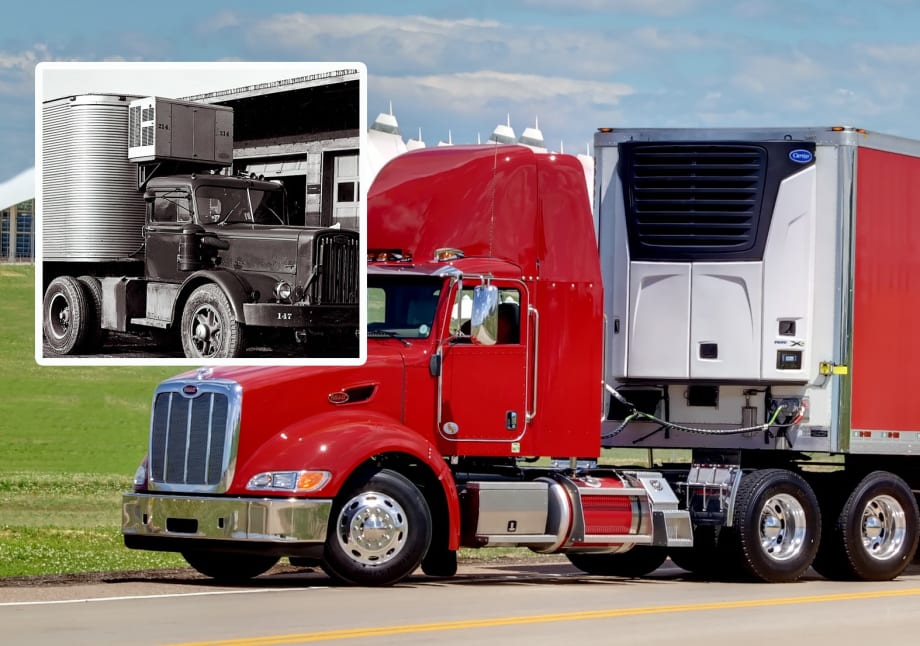
Photo courtesy Carrier Transicold.
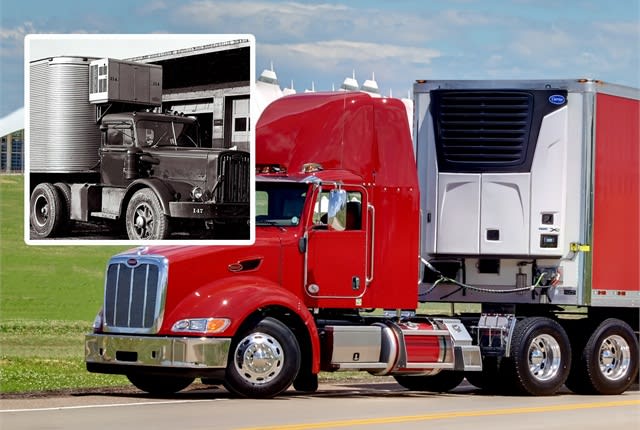
Photo courtesy Carrier Transicold.
Carrier Transicold says it is celebrating a double anniversary this year: 75 years since Carrier entered the road transport refrigeration business and the 45th anniversary of the Carrier Transicold name. The company now builds and sells reefer equipment for trucks, trailers and containers, and is a part of United Technologies Corp.
“Carrier’s history encompasses more than a century of innovation in air conditioning and refrigeration, and pioneering achievements in truck and trailer refrigeration have been an integral part of this story,” said David Appel, president, Carrier Transicold & Refrigeration Systems.
The Carrier Transicold brand was formed in 1970, when Carrier acquired Transicold Co., based in California, and combined it with its Special Products Division, which had experience in trucking applications extending back to 1940. The business involved all types of transport refrigeration, including reefers for ocean-going containers that it claims to have pioneered in 1968.
Carrier’s first foray into truck refrigeration in 1940 included the application of its model 7K refrigeration compressors in early systems, Appel said. Although haulers had experimented with mechanical refrigeration since the 1920s, most transport refrigeration methods by 1940 still used ice/salt or dry-ice/gravity flow refrigeration systems.
The initial success with the rugged 7K compressor led to the development of a complete truck refrigeration system for trucks and trailers, Carrier’s Type 68D unit. Available in two sizes, the Type 68D used a four-cylinder gasoline engine coupled to a high-speed compressor.
The relatively compact and adjustment-free unit boasted minimal moving parts, making it durable enough for the often rough conditions encountered by refrigerated trucks with bodies ranging up to 35 feet in length.
The logistical improvement eliminated the need for haulers to replenish ice and assured more uniform temperature control over greater distances, helping to pave the way for long-haul refrigerated trucking.
Today, streamlined designs with minimal moving parts remain features of Carrier Transicold systems, Appel said. as demonstrated by Vector trailer units, featuring E-Drive all-electric equipment and the X4 series of mechanical trailer units, which claim high capacity, reliability and ease of service.
In contrast to those early systems, today’s transport refrigeration units provide cooling power to haul perishable and frozen loads in 53-foot trailers, intermodal containers and railcars ranging up to 72 feet in interior length. While meeting federal Tier 4 diesel emissions regulations, recent engines also claim improved fuel economy.
Carrier Transicold’s operations have expanded worldwide, with manufacturing facilities located in Athens, Ga.; Rouen, France; Singapore; and Shanghai, China.
“Our products have long served an important need delivering food and other temperature-sensitive goods to expanding population centers,” said Appel. “It’s a heritage we’re proud of and one that we intend to build further upon with more sustainable and innovative transport refrigeration solutions. It is this higher purpose that motivates and excites us to continue.”
More Equipment
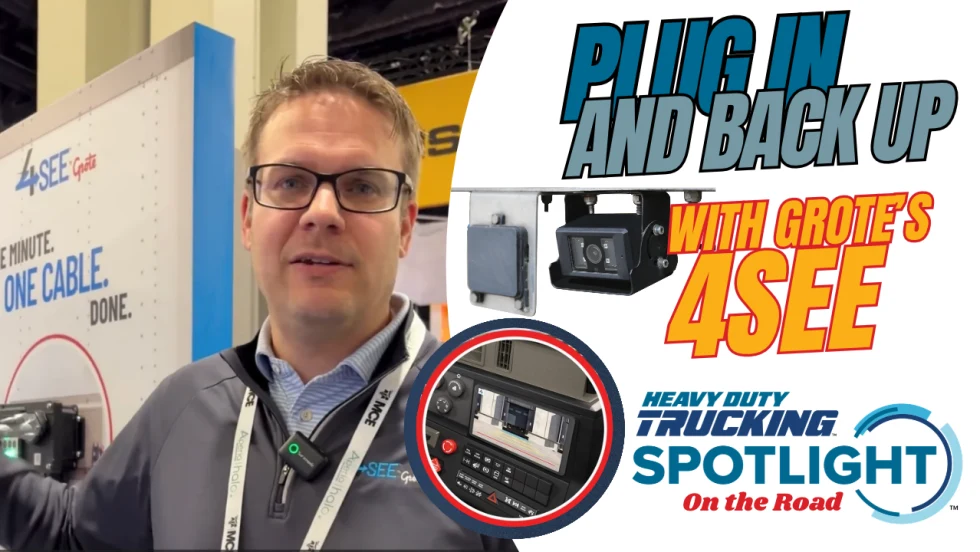
More Trailer Data Through the Same Seven-Way [Video]
Can trucking’s standard seven-way connector handle more cameras and trailer data? Grote’s Adam Slade shows HDT how the company is using new technology with its 4See trailer system, not only to add a new backup camera but also to expand other capabilities — without adding another connection.
Read More →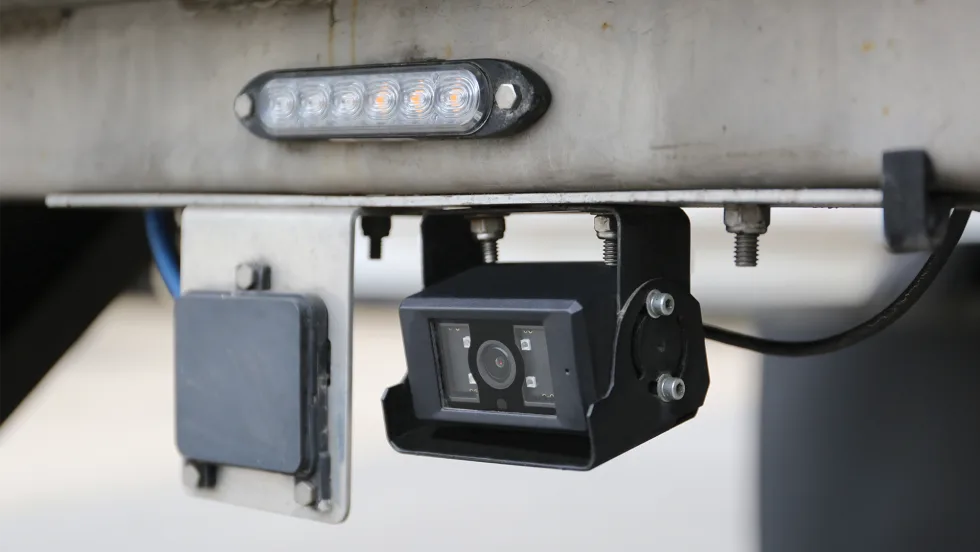
Grote: More Cameras, Same Seven-Way Connector
The next-generation 4See rear-view backup camera from Grote uses the standard seven-way connector and supports additional cameras and other trailer data.
Read More →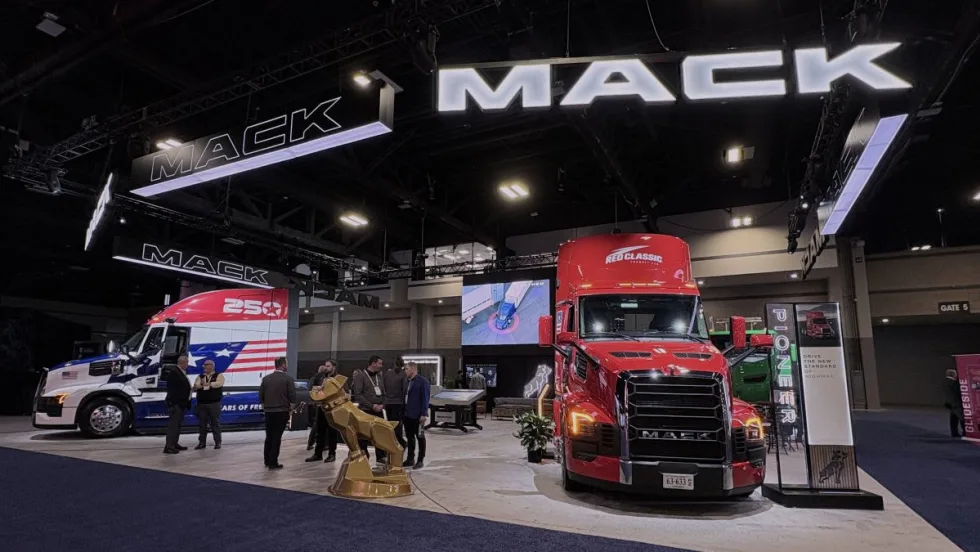
Trucks at ATA's 2026 MC&E in Charlotte, North Carolina [Photos]
From rigs decked out in patriotic America's 250 paint schemes to autonomous trucks and more, check out these photos from ATA's 2026 Management Conference & Exhibition.
Read More →
Help HDT Find Trucking’s Top Products
Have you come across a new product that could make a difference for trucking fleets? Nominate it for HDT’s 2027 Top 20 Products Awards by November 9.
Read More →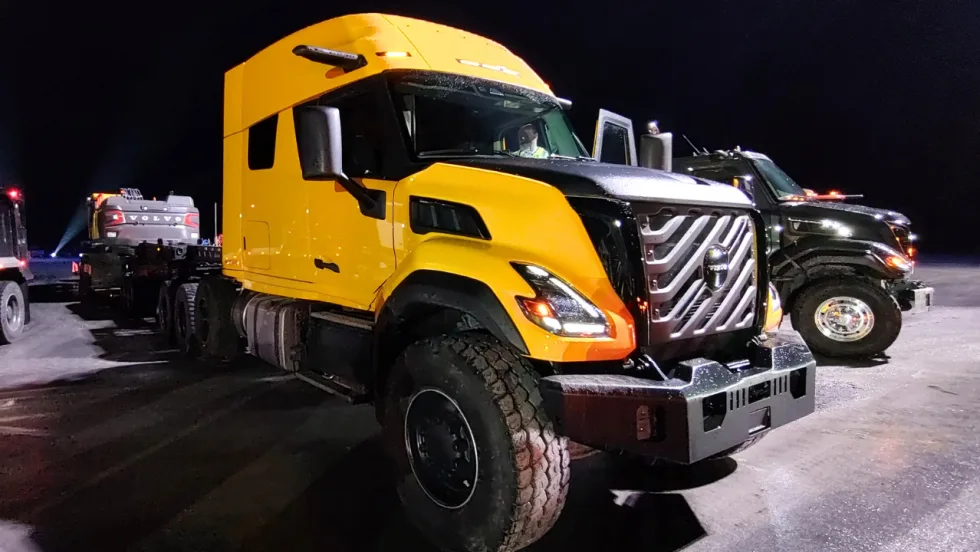
Volvo Unveils New VNX Heavy-Haul and Vocational Truck
Volvo Trucks has launched the VNX, a new vocational truck also available as a tractor in day cab and two sleeper configurations, with one heavy-haul model. The Volvo VNX is powered by Volvo's D13 platform, which delivers up to 540 horsepower and 1,950 pound-feet of torque and is EPA 2027-compliant.
Read More →
How GP Transco Cuts Trucking Fuel Costs, a Tenth of a Gallon at a Time
What’s another tenth of a mile per gallon worth? GP Transco shares how equipment upgrades and driver coaching turn small gains into meaningful fuel savings.
Read More →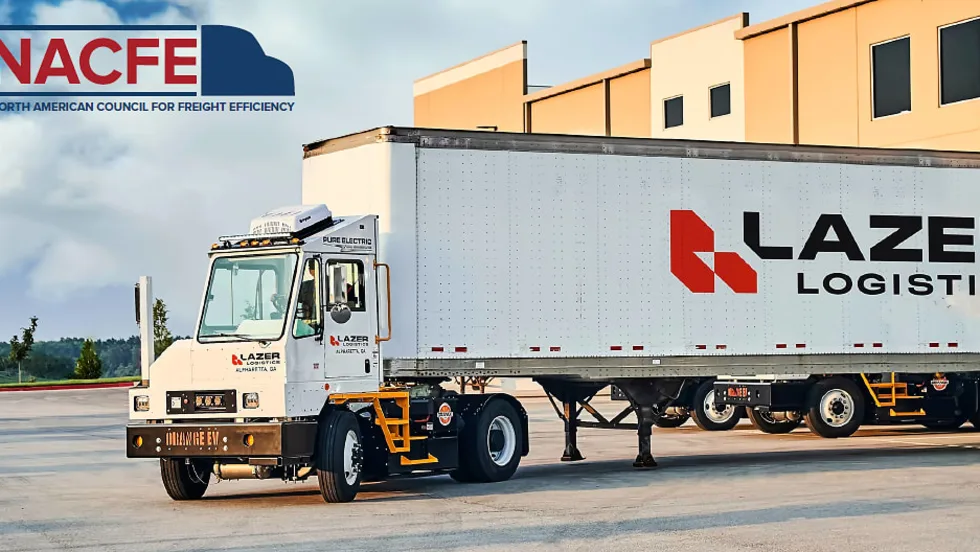
Electric Yard Tractors Move Beyond Pilots
Operating-cost savings have overtaken sustainability goals as the leading reason surveyed fleets are adopting battery-electric terminal tractors, according to new NACFE research.
Read More →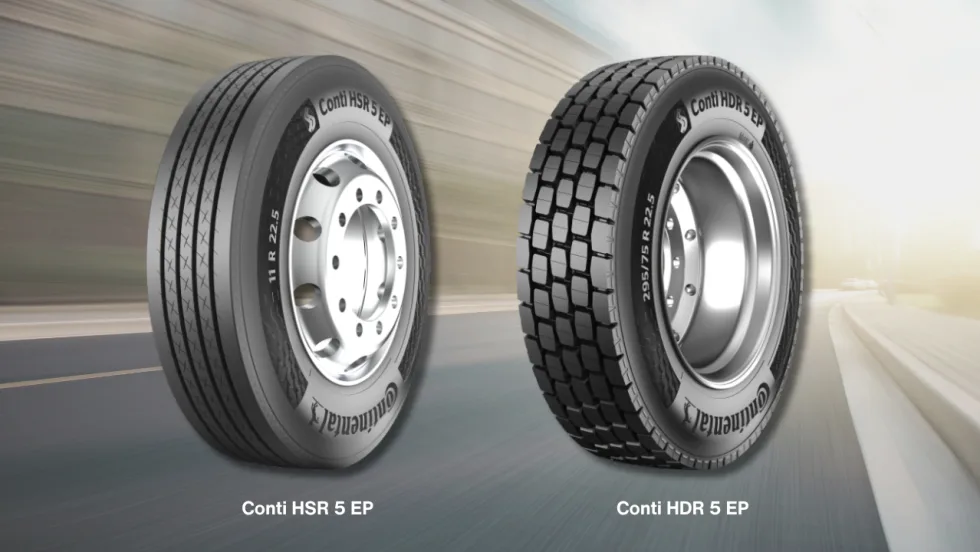
Continental Introduces New Regional Truck Tires
Continental says its new Generation 5 steer and drive tires for regional operations offer longer tread life, with estimated mileage gains of 22% and 19%, respectively.
Read More →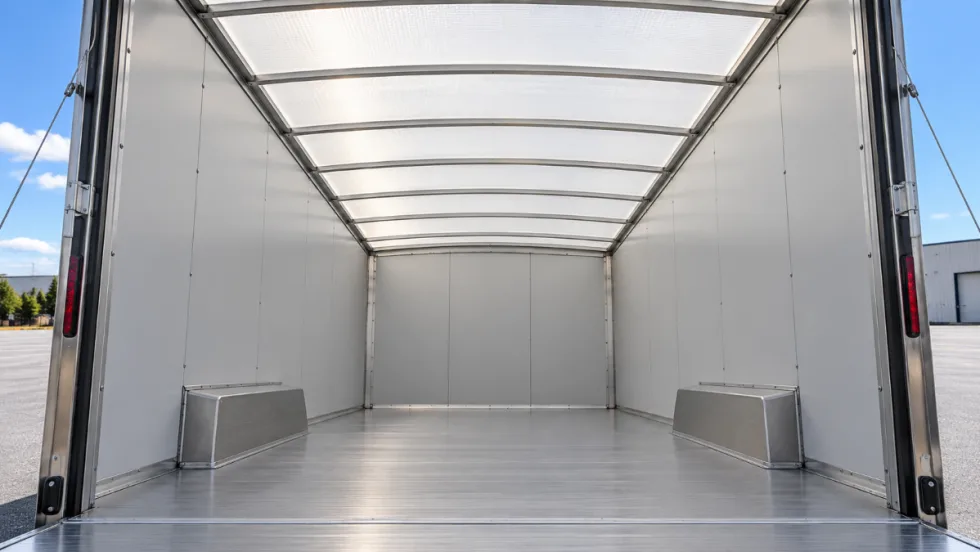
Tekmodo Introduces CargoBright Brand for Translucent Trailer Roofs
CargoBright is designed to diffuse daylight across the cargo area while performing as a working vehicle roof.
Read More →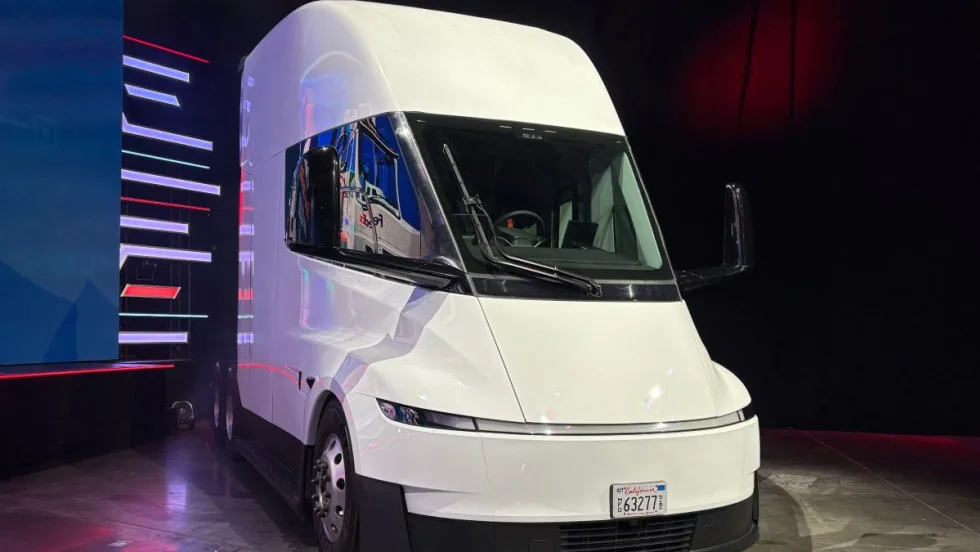
Fleet Economics Shape Electric Truck Outlook
ACT Research expects costs, charging infrastructure, and technology improvements to drive zero-emission commercial vehicle adoption as federal regulations and incentives retreat.
Read More →