Natural Gas Expected To Grow Despite Diesel Price Drop
Looking at the most likely adoption curve, ACT believes Class 8 penetration is expected to total 23% of the units sold in 2025.
by Staff
November 11, 2014
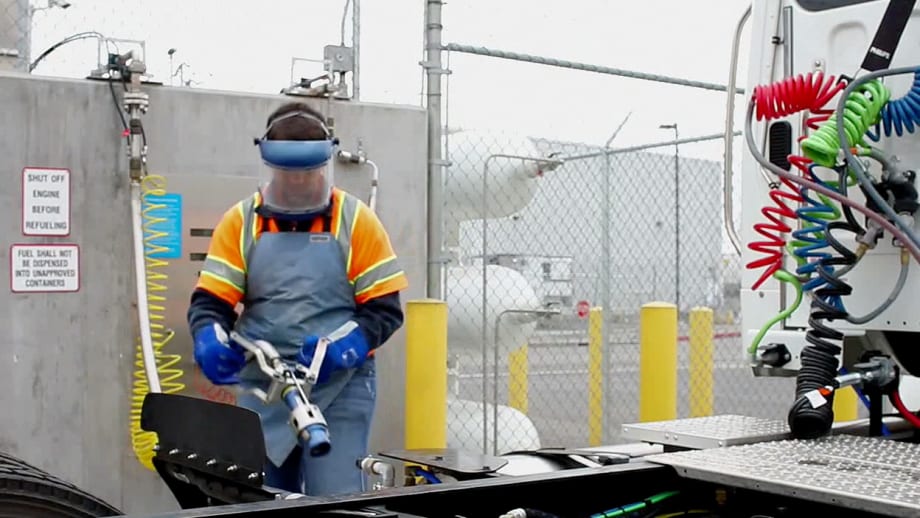
Fueling a natural gas powered heavy truck.
2 min to read
Fueling a natural gas powered heavy truck.
With the natural gas powered vehicle market seemingly stalled as diesel fuel prices have fallen much of the year the trucking industry research firm ACT Research has released the results of its updated findings on U.S. natural gas transportation fuel trends in the heavy duty truck market.
Ad Loading...
The report entitled, “NG Reality Check: Moving from Infancy to Adolescence,” is a comprehensive, forward-looking long-term analysis on the use of natural gas as fuel in the U.S. heavy Class 8 truck transportation sector, according to the firm.
Ad Loading...
ACT published its first comprehensive natural gas study in 2012. It was more bullish than this latest report, said ACT, reflecting the enthusiasm of the moment that included planned market and product development that has been slow to materialize with a narrowing fuel price spread and improving diesel engine fuel economy gains.
“The previous long-term penetration over-statement does not mean natural gas has not grown. It has and will continue to grow, but at a slower rate the next few years.” said Ken Vieth, ACT Research senior partner and general manager. “Natural gas Class 8 truck/transit bus penetration was 3% in 2013 and should reach 4% in 2014, or about 11,000 units.”
Looking at the most likely adoption curve, ACT believes Class 8 penetration is expected to total 23% of the units sold in 2025. If the total new U.S. Class 8 truck/transit bus market is 200,000 units that year, then the natural gas market would be 46,000 units.
“That’s a large quantity that will be shared by those with an understanding of tomorrow’s truck transportation needs and plans to get there,” said Veith, “Depending upon the emissions and greenhouse gas needs of the nation and the regulations put in place in coming years to achieve those needs, Natural gas penetration could even be higher since natural gas is equally available and is a cleaner, cheaper fuel than diesel.”
The report provides forecasts, insights and supporting analysis on major trends already taking place such as:
Ad Loading...
Natural gas engine technologies,
Natural gas fuel preference,
Infrastructure design, from fuel only to full service and fuels,
Emerging infrastructure investors and early natural gas adopters,
Return-on-investment adjustments as fuel cost spreads and up-charges change,
Miles per gallon versus cost per mile and
Shipper-trucker relationships from contracts to diesel fuel surcharges to going green and more.
More information about the report, including details on obtaining a copy, is on the ACT Research website.
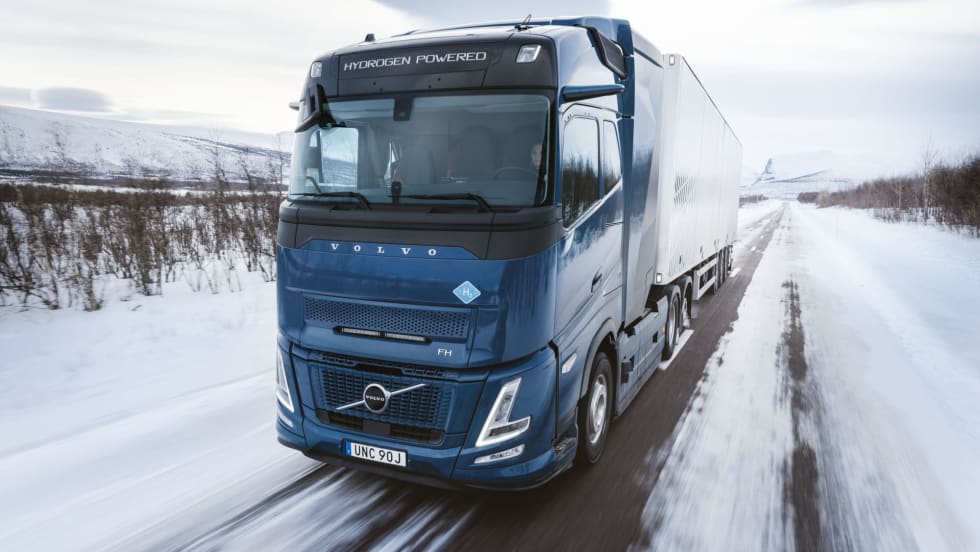
Hydrogen combustion engine trucks will be especially suitable over longer distances and in regions where there is limited charging infrastructure or time for recharging of battery-electric trucks, according to the company.
Trucking operators are slowing speeds, cutting empty miles, and declining unprofitable freight as diesel costs continue to rise due to conflict in the Middle East.
New guidance allows engine makers to replace problematic DEF sensors with NOx-based systems, aiming to reduce unnecessary derates and downtime caused by failures in the sensors designed to monitor diesel exhaust fluid on trucks.
Artificial intelligence, the software-defined vehicle, telematics, autonomous trucks, electric trucks and alternative fuels, and more in this HDT Talks Trucking interview
The company’s expanded EPEQ ecosystem includes flexible solar panels, lithium batteries, hydraulic power systems, and a portable fast charger for electric trucks.
Listen as Mike Roeth of the North American Council for Freight Efficiency shares insights into battery-electric trucks, natural gas, biofuels, and clean diesel on this episode of HDT Talks Trucking.