



Clean Energy Fuels Corp. has introduced a separation and vapor containment system designed for maintenance and storage facilities with natural gas vehicles.
 MENU
MENU SEARCH
The NGV Easy Bay is a code-compliant fabric barrier system utilizing an industrial curtain that's more affordable than installing a concrete, masonry, or dry wall barrier in a maintenance garage, according to the company.
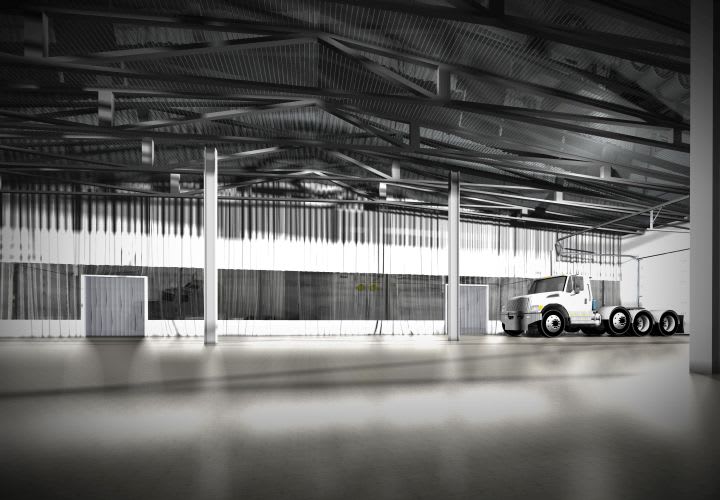
Rendering courtesy of Clean Energy Fuels.
Clean Energy Fuels Corp. has introduced a separation and vapor containment system designed for maintenance and storage facilities with natural gas vehicles.
The company's NGV Easy Bay is a code-compliant fabric barrier system utilizing an industrial curtain that's more affordable than installing a concrete, masonry, or dry wall barrier in a maintenance garage. The product was developed through Clean Energy's facility modification group, and can be installed in several days, according to the company.
“With NGV Easy Bay, customers now have an unprecedented and cost-effective option available to adapt their facility for NGVs,” said Tim Newman, general manager of Clean Energy’s facility modification group. “As fleets across the country convert their vehicles to natural gas, a growing need has emerged for a scalable and practical solution to modify facilities.”
The NGV Easy Bay system offers benefits such as meeting local, state and federal codes; accommodating single-bay projects or large buildings; optional retracting for storage; relocatable to expand an existing NGV service area; and turn-key design and installation services by Clean Energy.
The industrial curtain is made from PVC-coated vinyl and mounted to a heavy-duty galvanized steel track. It meets ASTM standards for exposure to compressed natural gas and liquid natural gas. It includes an optional strip door that's 6- to 8-inches wide and includes a clear panel across the center section to offer visibility.
Government fleet buyers would likely procure the NGV Easy Bay through a design-build process prior to putting out a request for proposal. Clean Energy's team could assist government users in meeting compliance requirements, according to the company.
While the system is designed for any garage that works on natural gas vehicles, the company is targeting medium- and heavy-duty fleets, including the Class 8 trucking market, Newman said.
For more info on the system, visit the company's webpage here.
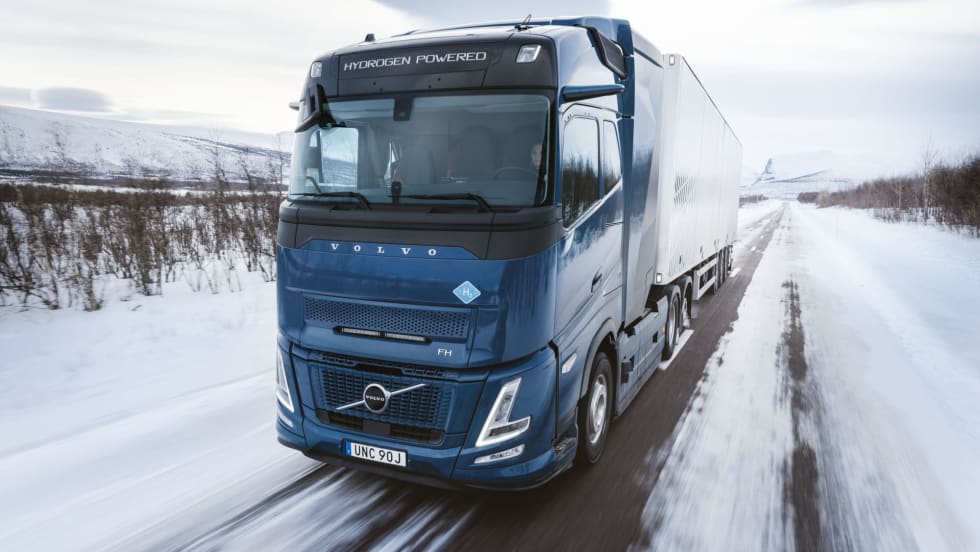
Hydrogen combustion engine trucks will be especially suitable over longer distances and in regions where there is limited charging infrastructure or time for recharging of battery-electric trucks, according to the company.
Read More →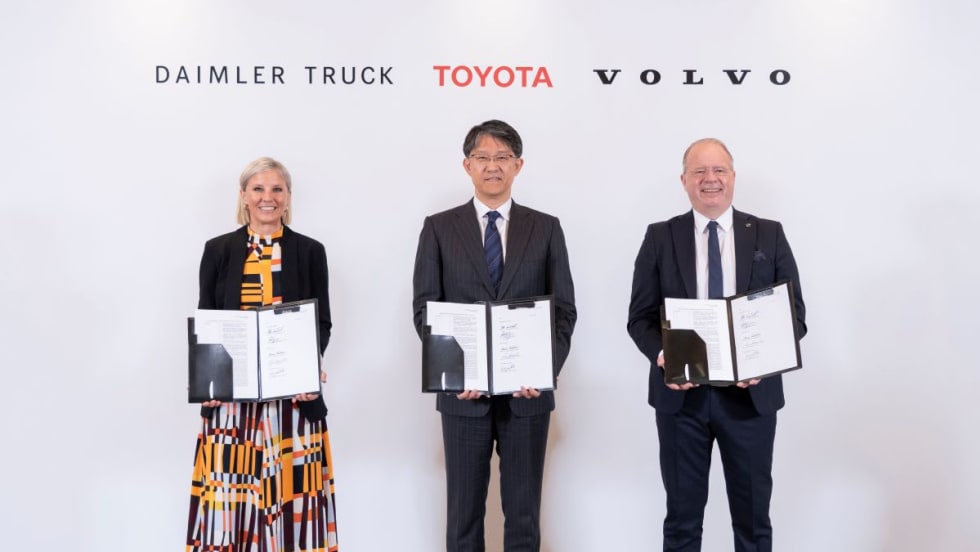
By joining Daimler Truck and Volvo, Toyota brings fuel cell expertise to a joint effort aimed at making hydrogen viable for heavy-duty transport.
Read More →
Trucking operators are slowing speeds, cutting empty miles, and declining unprofitable freight as diesel costs continue to rise due to conflict in the Middle East.
Read More →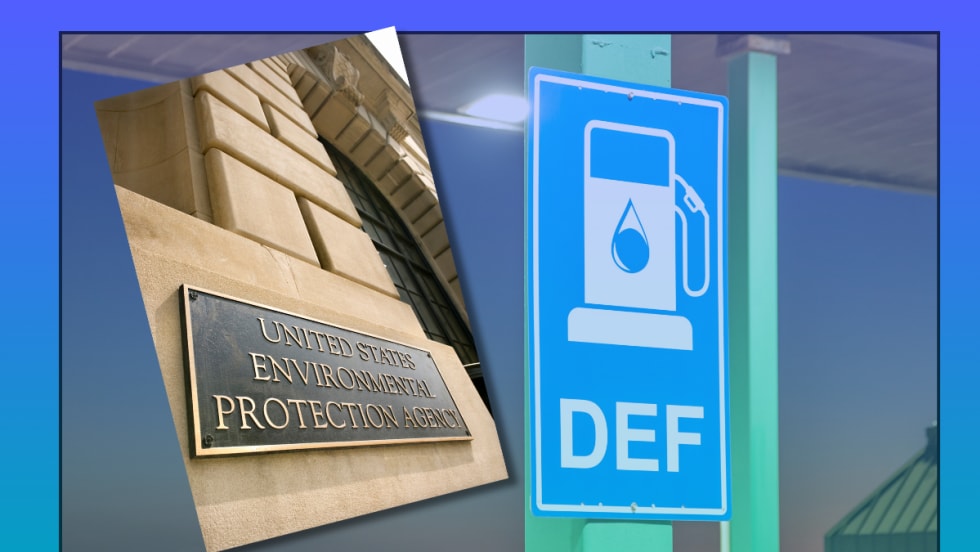
New guidance allows engine makers to replace problematic DEF sensors with NOx-based systems, aiming to reduce unnecessary derates and downtime caused by failures in the sensors designed to monitor diesel exhaust fluid on trucks.
Read More →
Is your company a leader in sustainability efforts among trucking fleets? If so, Heavy Duty Trucking's editors want to hear from you.
Read More →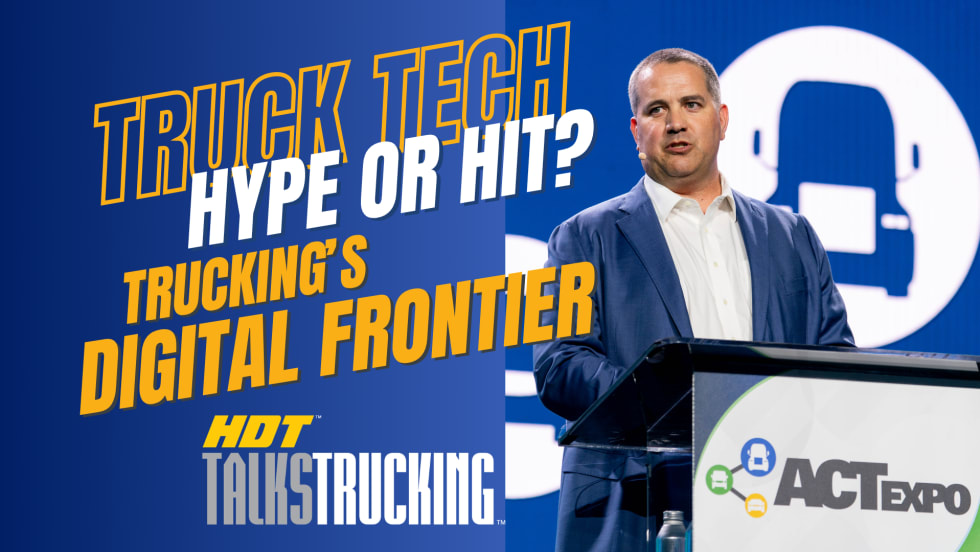
Artificial intelligence, the software-defined vehicle, telematics, autonomous trucks, electric trucks and alternative fuels, and more in this HDT Talks Trucking interview
Read More →With global oil flows disrupted, U.S. diesel prices have topped $5 across every region, climbing sharply in the past few weeks.
Read More →
The impact of the Iran conflict extends beyond fuel costs, bringing more fraud and cybersecurity risks to the trucking industry.
Read More →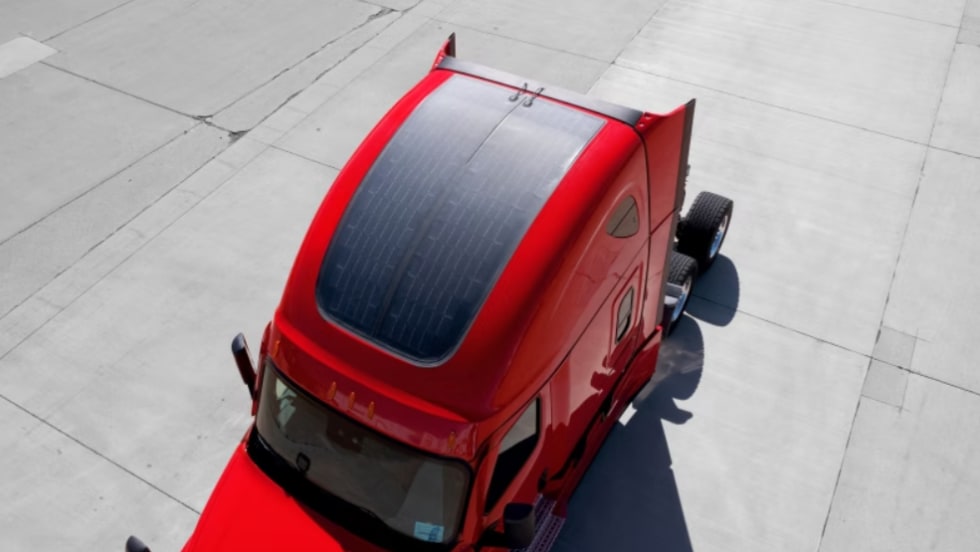
The company’s expanded EPEQ ecosystem includes flexible solar panels, lithium batteries, hydraulic power systems, and a portable fast charger for electric trucks.
Read More →
Listen as Mike Roeth of the North American Council for Freight Efficiency shares insights into battery-electric trucks, natural gas, biofuels, and clean diesel on this episode of HDT Talks Trucking.
Read More →