C.R. England Opens New 48,000-Square-Foot Terminal in California
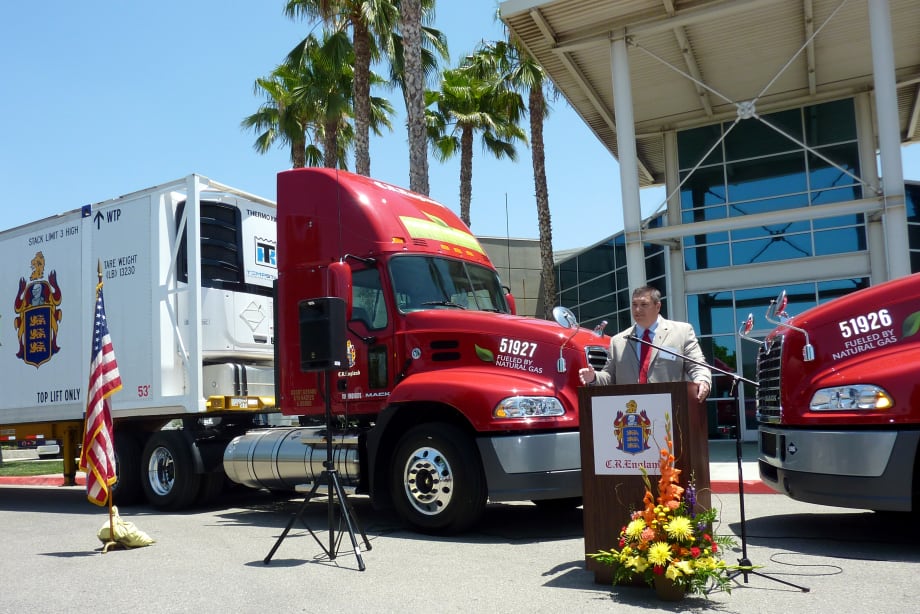
C.R. England, one of the nation’s largest refrigerated carriers, celebrated the opening of a new terminal in Colton, Calif., Wednesday, and announced the addition of 10 new liquified natural gas powered trucks to the company’s Southern California fleets.
by Staff
June 12, 2014
Photo by Joanne Tucker
2 min to read
C.R. England, one of the nation’s largest refrigerated carriers, celebrated the opening of a new terminal in Colton, Calif., Wednesday, and announced the addition of 10 new liquified natural gas powered trucks to the company’s Southern California fleets.
Ad Loading...
This 34-acre facility is the second largest C.R. England facility nationwide and will feature the following amenities:
Ad Loading...
30,000-square-foot maintenance shop with eight service bays and a state-of-the-art truck wash
18,000 square feet are dedicated to a Driver Resource Center including laundry, TV lounge, game room, an exercise facility and driver training facilities. Additional space is allocated to non-driver support staff office space, including operations for several key Dedicated fleets
Parking for more than 250 tractors and 350 trailers
Parking for drivers and employees
The ribbon-cutting event also featured the display of two of the 10 new Mack Pinnacle 12-liter liquefied natural gas (LNG) tractors being added to the Southern California fleets.
“C.R. England is a strong advocate of sustainable transportation and is aggressively implementing and testing new technology, equipment and training to provide our customers and our environment with greener transportation,” said COO Zach England. “Although there are still challenges with utilizing natural gas tractors in our fleets, such as equipment costs, maintenance, and degradation in mpg, we have made the commitment to continually test this equipment and introduce them into strategic areas where the freight and fueling networks fit best."
As LNG technology has improved over time, England expects better maintenance results from the 12-liter.
In 2011, C.R. England introduced 15-liter LNG tractors into its fleet. Two years later, England introduced a compressed natural gas fleet in Utah.
Heavy Duty Trucking's Top 20 Products awards recognize the best new products and technologies. Check out the award presentations at the 2026 Technology & Maintenance Council annual meeting.
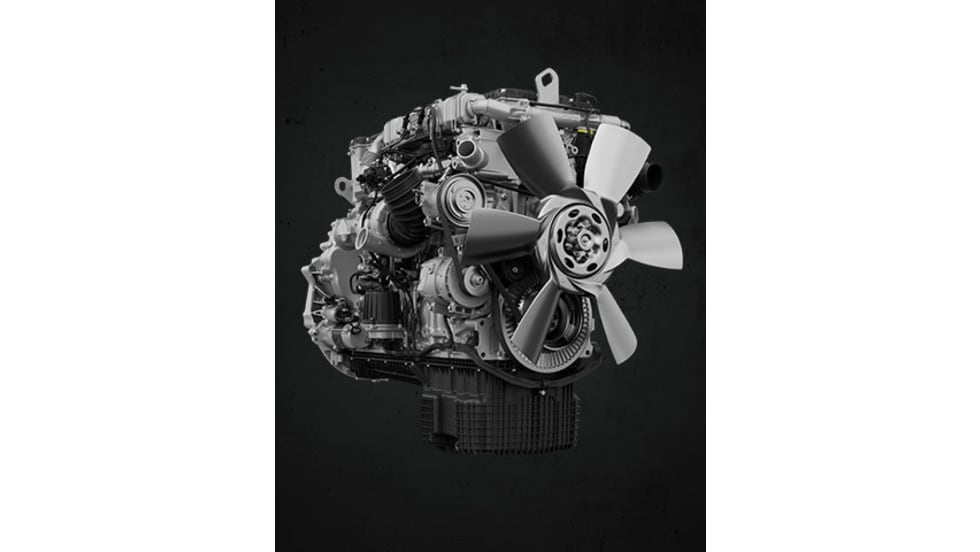
The Detroit® Gen 6 engine platform proves that real progress doesn’t require a complete redesign. Built on 20 years of trusted technology, these engines are designed for efficiency, stronger performance, and greater reliability than before. And they do it all while complying with 2027 EPA standards on every mile.
The 2026 ACT Expo is focusing heavily on what organizer Erik Neandross calls trucking's digital frontier. This interview excerpt dives into artificial intelligence, zero-emission vehicles, and tips to make sense of it all.
There's an amazing amount of new technology for trucking out there. For fleets, the challenge is figuring out what’s real, what’s hype, and what’s worth investing in.
Artificial intelligence, the software-defined vehicle, telematics, autonomous trucks, electric trucks and alternative fuels, and more in this HDT Talks Trucking interview
ACT Research data shows volumes hitting a four-year high and supply-demand balance strengthening, but higher oil prices are undercutting tariff relief and tempering optimism.
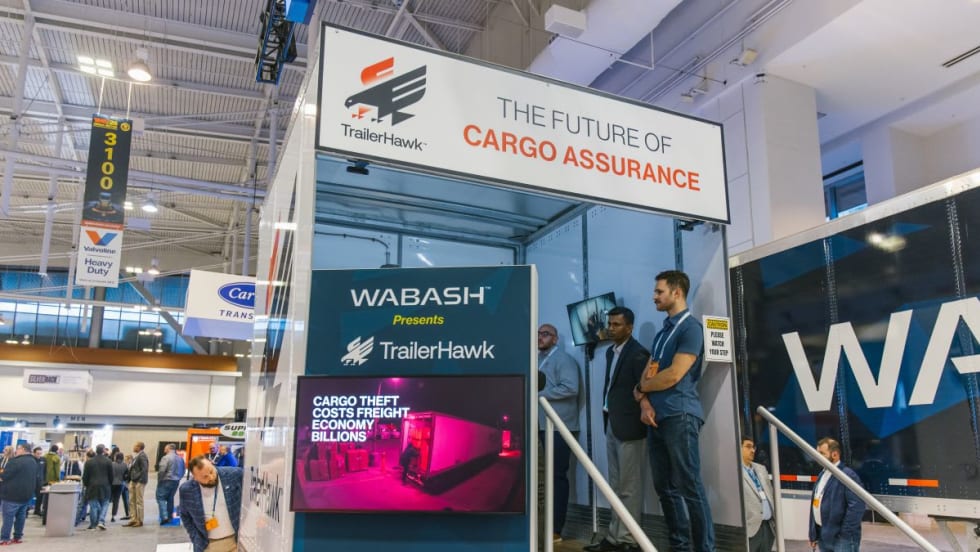
The patent-pending cargo solution integrates a digitally connected cargo door and an intelligent locking system with the TrailerHawk.AI technology platform.
Speaking at the TMC Annual Meeting in Nashville, ATA President Chris Spear said trucking faces mounting pressure from rising fuel prices, geopolitical instability, and uncertainty around trade policy.
More than 100,000 new trucking companies enter the industry each year, but regulators manage to audit only a fraction of them. That churn creates opportunities for inexperienced startups — and for “chameleon carriers” that shut down after safety violations and reappear under new identities. Read more from Deborah Lockridge in this commentary.