




DOT Freight Index Rises to Best Level on Record
The amount of freight carried by the nation’s for-hire transportation industry rose 1.2% in November from October, rebounding from a one-month decline to reach its highest all-time level, according to a new U.S. Department of Transportation report.
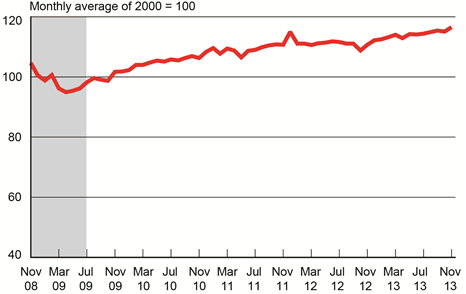
Five Years: Freight Transportation Services Index, November 2008-November 2013. Credit: U.S. DOT
The amount of freight carried by the nation’s for-hire transportation industry rose 1.2% in November from October, rebounding from a one-month decline to reach its highest all-time level, according to a new U.S. Department of Transportation report.

The November 2013 Freight Transportation Services Index level of 116.5 was 22.8% above the April 2009 low during the most recent recession and exceeds the previous high of 115.4 in September 2013. Records go back to 2000.
The October index was revised upward to 115.1 from 114.3 in last month’s release. Monthly numbers for May through September were also revised up from last month’s release.
The 1.2% increase in November freight transportation after a small dip in October was a return to the growth that has characterized the second half of 2013, says the DOT. “The November rise was a result of increases in all modes except pipeline. Growth in tonnage intensive industries such as heavy construction and oil and gas fracking produced an increase in truck tonnage. Both trucking and rail benefitted from growing auto production.”
The Freight TSI remained above its 2012 range for the 11th month in a row. Beginning with January, every month in 2013 has exceeded the high point of 2012, 112.2 reached in December. After dipping to 94.9 in April 2009, the index rose 22.8% in the succeeding 55 months.
Year to date freight shipments measured by the index were up 3.8% higher in November compared to the end of 2012.
Freight shipments are up 11.3% in the five years from the recession level of November 2008 and are up 9.6% in the 10 years from November 2003.
Compared to the same month a year ago, November 2013 freight shipments were up 5.2% from November 2012.
The freight transportation index consists of for-hire trucking, railroad (including rail based intermodal shipments such as containers on flat cars), inland waterway, pipeline transportation and air freight.
More Drivers
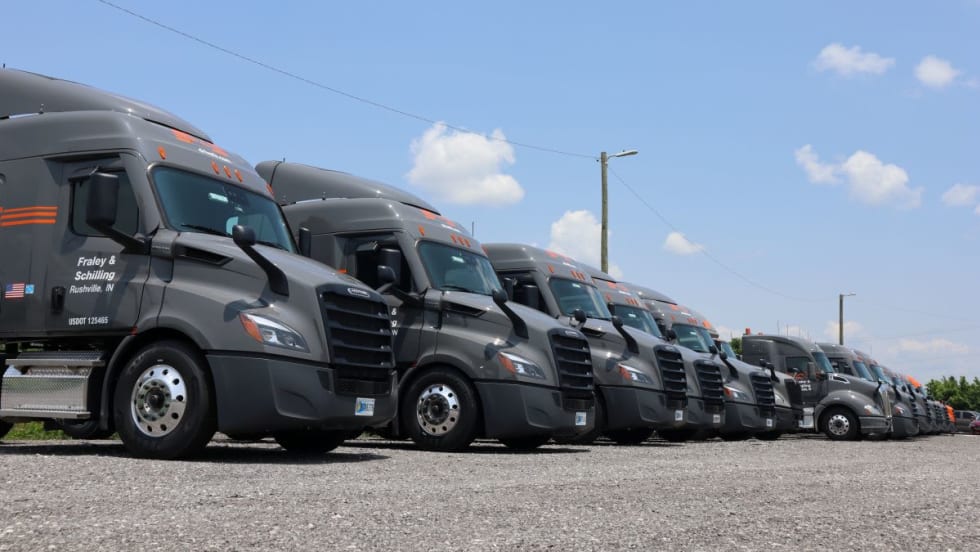
How Fraley & Schilling Improved Logbook Compliance by Over 50%
Fraley & Schilling needed a way to close a compliance workflow gap in its ELD system without adding more work from driver training, reminders, and back-office follow-ups. It found the answer in a custom driver app.
Read More →
Volvo Goes Gaming
Volvo has roared into American Truck Simulator with two new flagship trucks.
Read More →
What the Best Fleets to Drive For Teach About Driver Retention
Survey fatigue, AI-powered routing, owner-operator expectations, and the decline of social media all emerged as themes from this year's Best Fleets to Drive For program.
Read More →
Driver Retention Lessons From the Best Fleets to Drive For
What separates trucking's best workplaces from the rest? Jane Jazrawy shares the biggest lessons from this year's Best Fleets to Drive For program on driver retention, communication, AI, and workforce trends on the HDT Talks Trucking podcast.
Read More →
Farewell, CDL: Why I'm Giving Up My Commercial Driver's License
After more than 20 years as a CDL holder, HDT Executive Editor Jack Roberts is letting his commercial license expire. Not because he wants to — but because trucking's nuclear verdict crisis has made the risks of public-road test drives too great for editors, manufacturers, and everyone involved.
Read More →
How Top Trucking Fleets Improve Driver Retention [Video]
What do healthy snacks, optimized routing, and just picking up the phone have in common? They're all strategies the Best Fleets to Drive For are using to retain truck drivers.
Read More →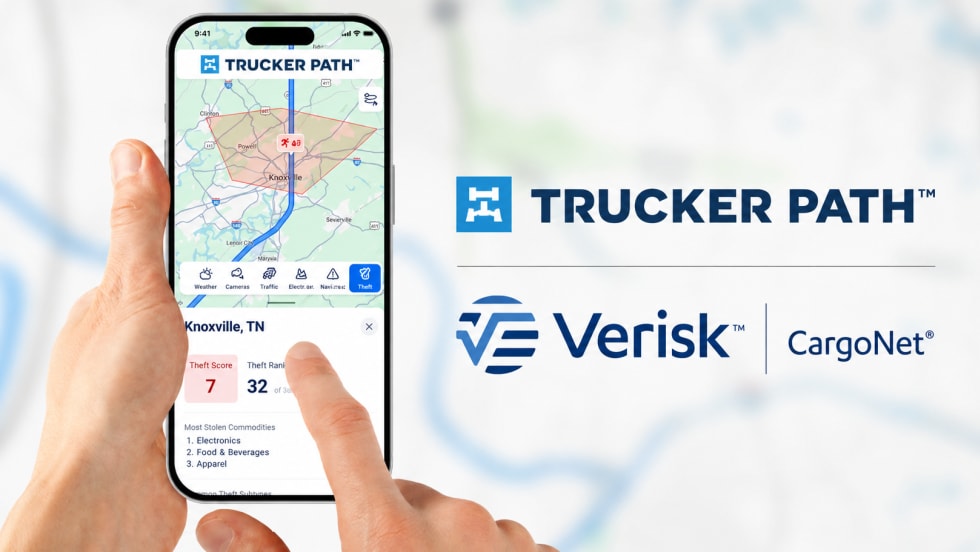
Trucker Path Adds Verisk CargoNet Theft Data to Navigation Platform
Trucker Path’s new cargo theft risk overlays give drivers and fleets visibility into high-risk areas, stolen commodity trends, and theft hotspots.
Read More →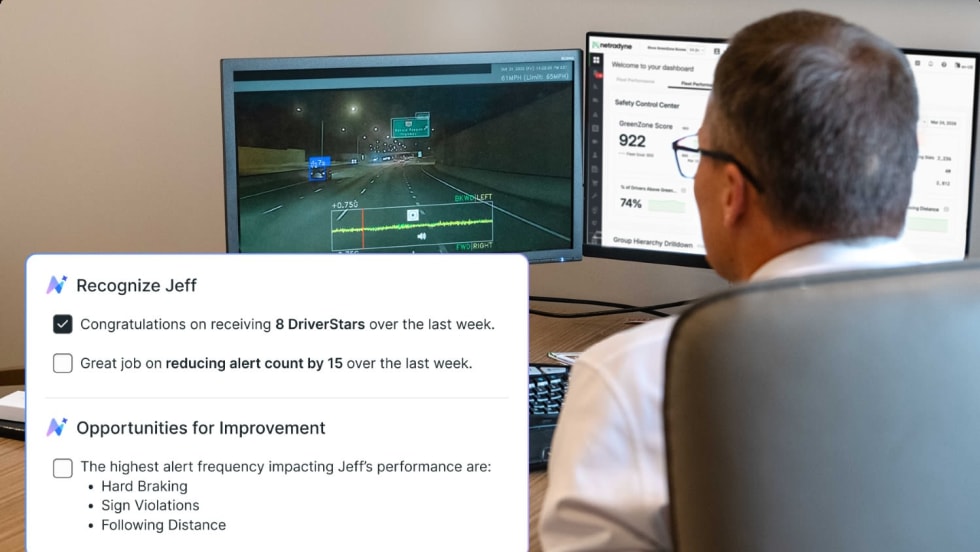
Netradyne Intelligence Uses New AI Agents to Automate Response to In-Cab Camera Data
The company called the next-generation in-cab camera safety platform "a fundamental shift from systems that report on what happened to systems that actively drive what should happen next."
Read More →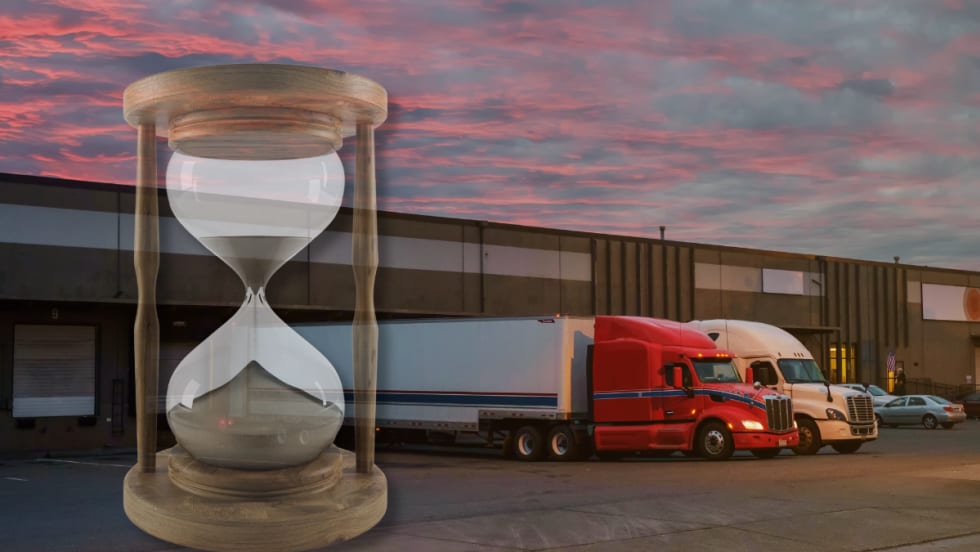
Why Truck Detention Keeps Costing Fleets Time and Money
A 2024 ATRI study found detention affects nearly 40% of truckload stops and costs the industry more than $15 billion annually. Despite the toll on drivers, fleets, and supply chains, the problem remains stubbornly persistent.
Read More →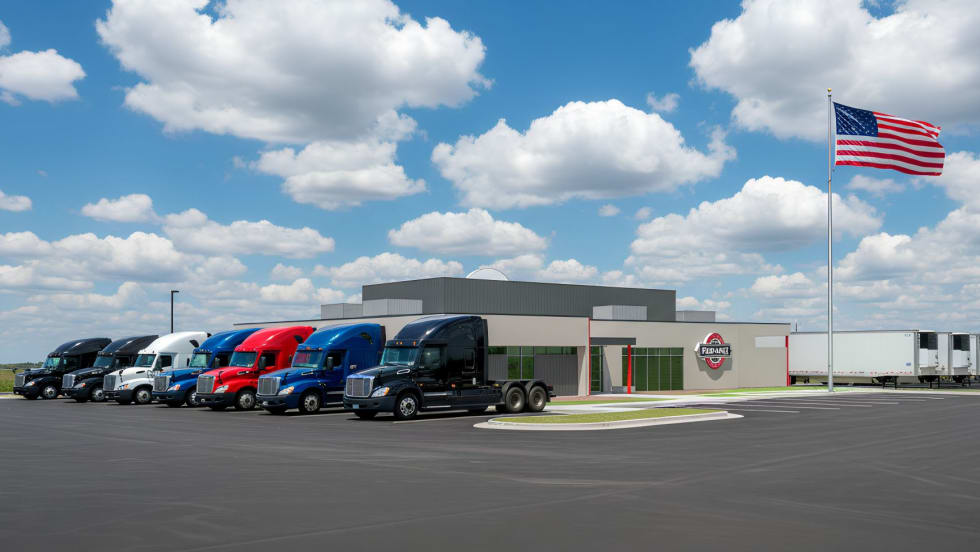
Prime Inc. to Open $7.9M Flagship Used-Truck Dealership
A new driver-focused facility to sell Prime Inc's used trucks and trailers will be the first purpose-built location in the company's history.
Read More →