




FBI, IRS Raid Pilot Flying J Headquarters
Dozens of agents from the IRS and FBI conducted a Monday raid on the Knoxville, Tenn., headquarters of the nation’s largest truckstop and travel plaza operator and one of the nation’s largest private companies, Pilot Flying J.


Pilot Flying J says its locations are all still operating despite an FBI/IRS raid on its Tennessee headquarters.

Pilot Flying J says its locations are all still operating despite an FBI/IRS raid on its Tennessee headquarters.
Dozens of agents from the IRS and FBI conducted a Monday raid on the Knoxville, Tenn., headquarters of the nation’s largest truckstop and travel plaza operator and one of the nation’s largest private companies, Pilot Flying J.
An FBI agent quoted by the Associated Press said the move is part of an “ongoing investigation” but would not give more details.
Soon after the raid, described as “orderly but swift” by an employee interviewed by the Knoxville News Sentinel, authorities checked the identities of employees and separated out those key to day-to-day operations from others. All reportedly were told to turn off their computers and other electronic devices, including cell phones. Agents also told employees to leave their company laptop computers and escorted some out of the building; the rest in some departments were told to stay.
The AP reported agents were expected to remain in the building well into Monday evening, focusing on the company’s accounting, customer service and information technology departments.
In a statement, the truckstop chain’s spokesperson, Lauren Christ, said, "As of the afternoon of April 15, FBI officials have sequestered the Pilot Flying J headquarters on Lonas Drive in Knoxville. At this time, we do not know the nature of the situation. Pilot Flying J is cooperating fully with the authorities. Pilot Food Marts, Pilot Travel Centers and Flying J Travel Plazas remain open and continue to serve the public. Pilot Flying J is confident that the matter will be resolved fully."
Pilot Flying J is led by CEO Jimmy Haslam, who recently returned to the company after stepping down last year to purchase the Cleveland Browns pro football team. In the interim, former PepsiCo executive John Compton headed up Pilot Fling J until Haslam’s return in February, with Compton reportedly becoming a consultant.
Tennessee Gov. Bill Haslam is said to have no position with the company but still has unknown holdings in it, reportedly in a blind trust since becoming the state’s leader.
About three years ago in running for the position, Bill Haslam refused to reveal how much money he earned from Pilot Flying J, claiming it would lead to revealing personal information about family members not running for office. Bill Haslam is the son of founder Jim Haslem. The younger Haslem headed up what was then Pilot Travel Centers until 2003, before he was elected Knoxville’s mayor.
In 2010, Pilot closed a deal with Flying J travel plaza for $1.8 billion, putting together an empire with more than 600 truckstops in North America. The Tennessean newspaper reports the Haslams sold a 47.5% stake in the company in 2008 to CVC Capital Partners, a private equity firm based in Luxembourg, but the family retained majority ownership and control of the company.
It is now the sixth largest private company in the United States, according to Forbes magazine, with annual revenue of $29.2 billion and 25,000 employees.
A spokesman for the governor said Haslam was “aware of the situation in Knoxville today” but declined to comment further, referring reporters questions to Pilot Flying J.
An NFL spokesman said the league was aware of the investigation but had no other information, nor would it comment. The Cleveland Brown football team also withheld any comment.
This is not the first time Pilot Flying J has been placed under a microscope by investigators. A few years ago price gouging suits were filed against it in Tennessee, Kentucky and Georgia.
More Drivers

Platform Science Adds Dispatch and Safety Tools
Four additions to PS Fleet help fleets monitor loads, manage driver coaching, share truck locations and adjust video system settings.
Read More →
When Language Stops the Truck: The Return of ELP Out-of-Service Orders
English language proficiency rules for commercial drivers aren’t new, but renewed out-of-service enforcement has raised the stakes. Here’s what carriers need to know before a driver reaches a roadside inspection.
Read More →
Samsara Launches Custom AI Agent Builder
Agent Studio lets fleets create AI tools for hours-of-service monitoring, reporting and driver support, including agents that communicate by phone.
Read More →
Trucker Path Expands Reserved Parking Network
Trucker Path has added close to 6,000 more truck parking spaces to its Trucker Path Reserved Parking Network with the addition of Safe Truck Parking.
Read More →
EEOC Sues Texas Trucking Company Over Driver Age Limits
The agency says Trancasa USA rejected applicants over 65 and applied tougher driving-record standards to those over 60.
Read More →
Nussbaum, Roehl Announce Second Driver Pay Increase This Year
This year has seen a swath of major truck driver pay increases as freight capacity has tightened.
Read More →
From One Generation to the Next: How Mentorship Builds Safer Truck Drivers
After three decades in trucking, Harold Perry shares what he's learned about driver safety, mentorship, and helping the next generation build confidence behind the wheel.
Read More →
Truck Drivers Need More Than Another Alert
Fleets have more visibility into truck health, safety events, and driver activity than ever. The next challenge is turning all that information into useful guidance for the person who has to decide what to do next.
Read More →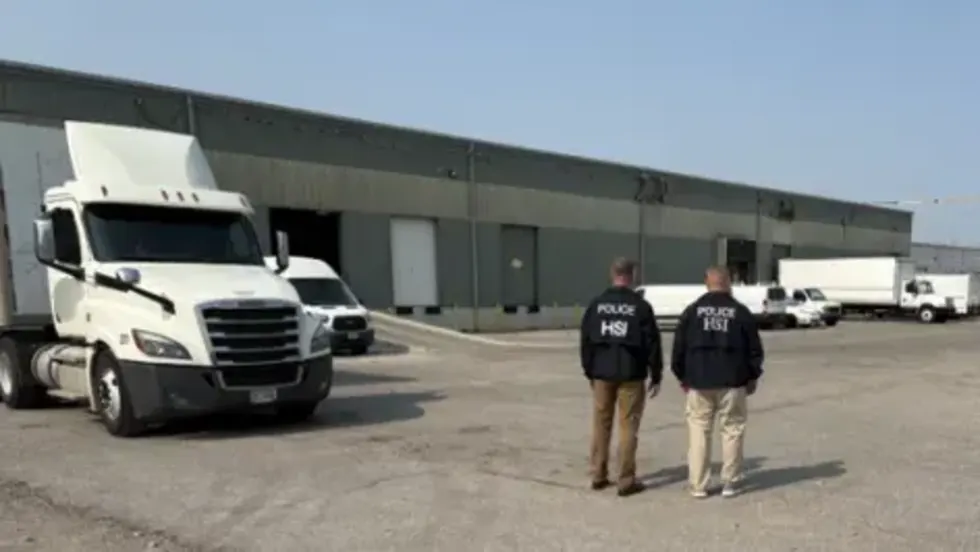
FMCSA Removes 110 Truck Driver Training Schools from Certified ELDT List
Federal regulators also are targeting more than 160 additional training providers and launching a nationwide audit of third-party CDL skills testers as part of a broader crackdown on trucking fraud.
Read More →
Hours of Service Pilot Programs: FMCSA Readies for 2027 Rollout
Two pilot programs could eventually reshape hours-of-service rules, giving truck drivers options to pause their 14-hour clock or use longer split sleeper rest periods.
Read More →