




Alcoa released the findings of a peer-reviewed life cycle assessment, which concluded that aluminum wheels substantially cut the carbon footprint of commercial vehicles.
In North America, the study found that substituting 18 conventional steel truck wheels with Alcoa aluminum wheels cut carbon emissions by 16.3 metric tons over the lifetime of the wheels. In Europe, replacing 12 steel wheels with aluminum cut 13.3 metric tons of carbon emissions.
In addition, the study found that the use of Alcoa forged aluminum wheels over steel wheels can be viewed as an investment in the reduction of greenhouse gas emissions in the commercial vehicle sector.
"As commercial vehicles face stricter regulations around reducing carbon emissions, this life cycle assessment confirms that Alcoa forged aluminum wheels support sustainable transportation and can help trucks and trailers to be greener," said Tim Myers, President, Alcoa Wheel and Transportation Products. "Compared to steel, the lighter weight and infinite recyclability of Alcoa forged aluminum wheels support greener vehicles that cut down on fuel use and carbon emissions."
"Life cycle assessment is the universally accepted method to comprehensively assess the environmental impact of a product," said Dr. Christoph Koffler, technical director of PE International, Inc. & Five Winds Strategic Consulting, which conducted the study. "Our findings are based on the full life cycle of Alcoa forged aluminum wheels-from the raw materials, through the production, distribution, use, disposal, and recycling of the product."
This study analyzed the entire "cradle-to-grave" production process of commercial vehicle wheels-from bauxite mining to wheel manufacturing, through a truck wheel's use phase and end-of-life, including recycling and land filling. The study incorporated the latest available information on energy and material consumption, greenhouse gas emissions and other environmental releases.
Alcoa provided primary data for aluminum wheel production from five facilities. PE International provided upstream data for fuels, raw materials, and steel wheel manufacturing processes, including primary metals and chemicals. The study conformed to ISO methodology and was peer reviewed by respected professionals in the LCA community, including experts from the world-renowned Technische Universitat Berlin and the University of Michigan.
Major findings of the study include:
- The 16.3 metric ton savings of switching one 18-wheel truck from steel wheels to Alcoa forged aluminum wheels in North America equals the average annual carbon footprint of a four person American household.
- For volume-restricted vehicles in North America that are unable to add additional payload, switching from steel to Alcoa forged aluminum truck wheels produces an average lifetime savings of more than 520 gallons of fuel. In Europe, these savings amount to more than 1,942 liters.
- For mass-restricted vehicles in North America, where lighter weight aluminum wheels allow for additional payload, switching from steel to Alcoa forged aluminum truck wheels results in the ability to carry 414 pounds of additional payload per haul with the same fuel consumption. In Europe, the amount totals 215 kg of additional payload per haul. This benefit reduces the fuel consumed per pound of cargo, thus increasing the efficiency of transport.
- While aluminum wheels require more energy to manufacture than steel wheels, the light weight and recyclability of aluminum allow for a net energy savings throughout the life cycle of an aluminum wheel. A truck with aluminum wheels can see a CO2 "break even mileage" as early as 205,000 miles, or about two years. Once this mileage is reached, all the travel on aluminum wheels produces CO2 and energy savings.
The LCA entitled, "Comparative Life Cycle Assessment of Aluminum and Steel Truck Wheels," is publicly available at www.alcoawheels.com/LCA.
Study finds Aluminum Wheels Can Cut Carbon Footprints
Alcoa released the findings of a peer-reviewed life cycle assessment, which concluded that aluminum wheels substantially cut the carbon footprint of commercial vehicles.
More Aftermarket
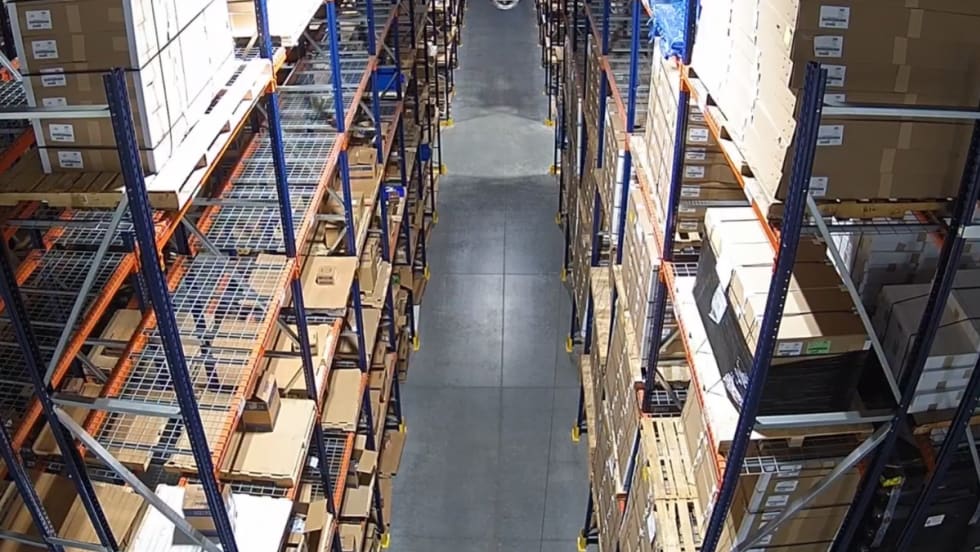
Phillips Opens High-Tech Distribution Center for Faster Parts Delivery
Phillips Industries’ new Cincinnati-area distribution center is now shipping aftermarket trucking parts nationwide, aiming to speed up delivery times for customers.
Read More →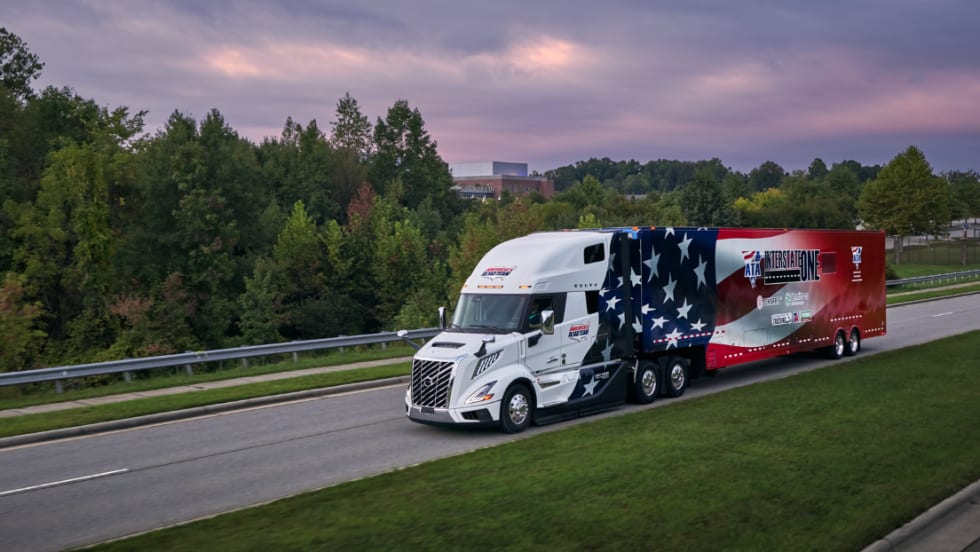
Volvo to Sponsor America’s Road Team for 2025
Volvo Trucks announced that it is extending its exclusive sponsorship of America’s Road Team for 2025.
Read More →
Webb to Start Taking Orders for UltraSet Pre-Adjusted Wheel Hubs
Webb, which recently acquired the Stemco Trifecta pre-adjusted hub program, will soon start taking orders for its replacement pre-assembled hub, the UltraSet.
Read More →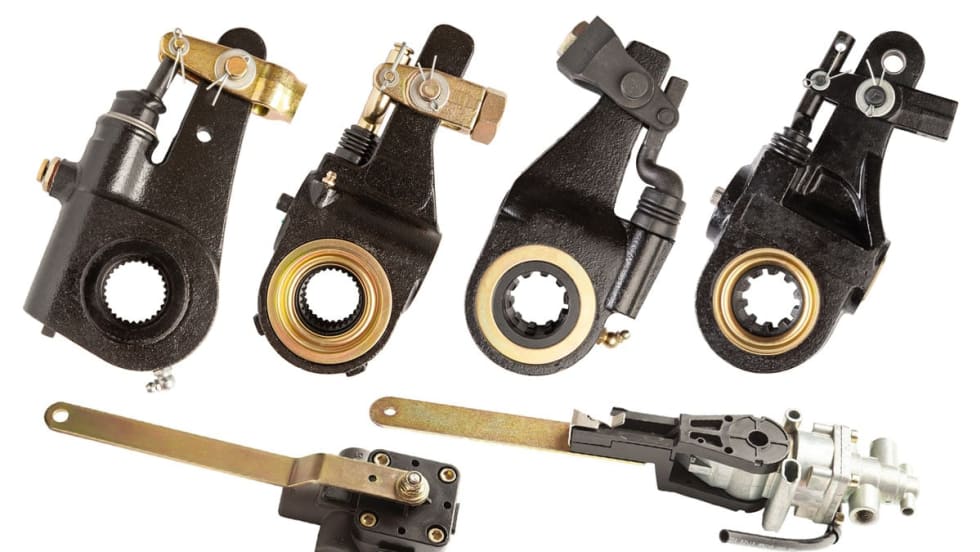
All-Makes Automatic Brake Adjusters, Ride Height Control Valves from Midland
SAF-Holland has added automatic brake adjusters and ride height control valves to its Midland All-Makes Program.
Read More →
ZF Aftermarket Expands [pro]Academy Training
ZF Aftermarket said it is expanding its ZF [pro]Academy training and will be adding 40 new modules this year.
Read More →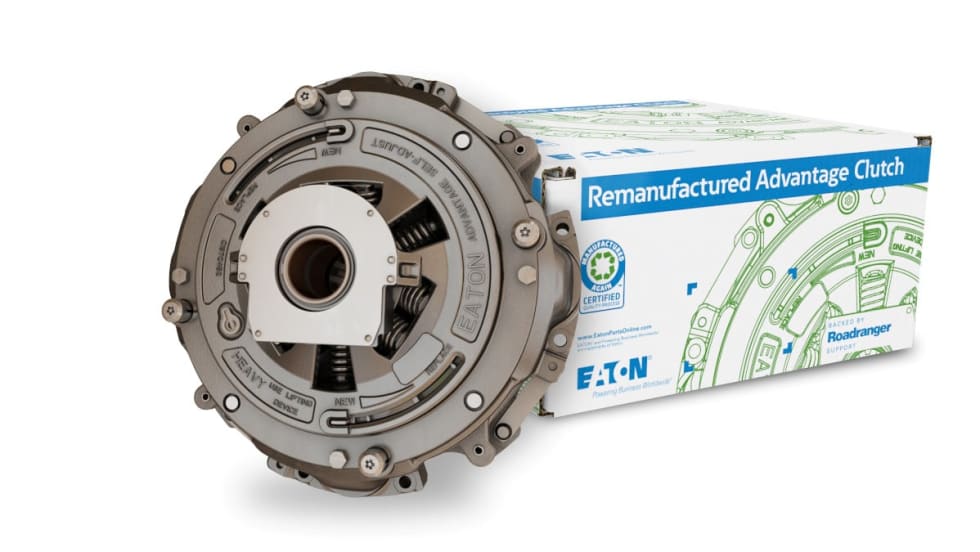
Eaton Adds Remanufactured Advantage Line of Clutches
Eaton has added its Advantage clutches to its remanufactured product line. The clutches feature a unique strap drive intermediate plate designed to allow customers to choose the latest OE specification
Read More →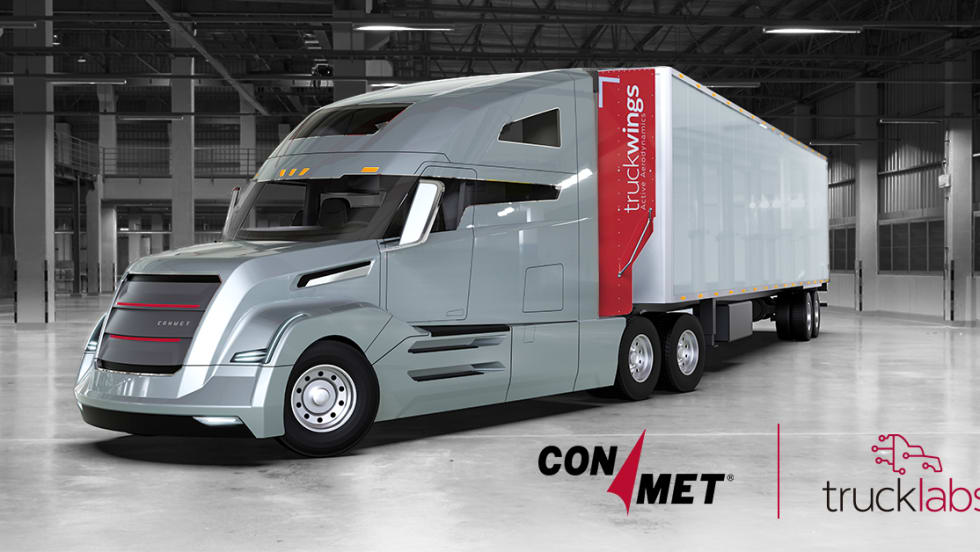
ConMet Acquires TruckLabs, the Creator of TruckWings
Commercial truck and trailer parts provider ConMet acquired TruckLabs, the company that created TruckWings, an aerodynamic device that attaches to truck cabs and deploys to close the gap between truck and trailer. TruckLabs now operates as a subsidiary of ConMet.
Read More →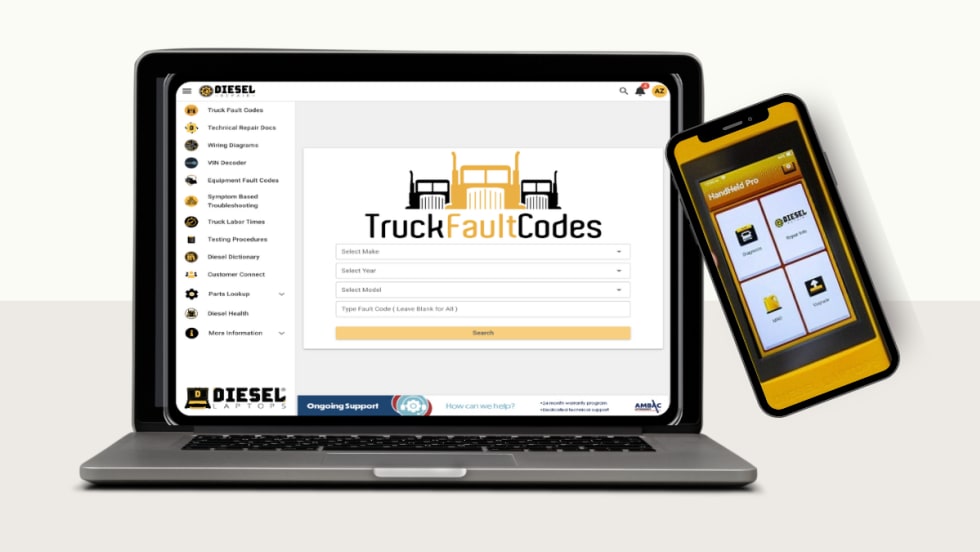
Diesel Laptops Releases Fault-Code-to-Part-Number Tool
Diesel Laptops said its Truck Fault Codes allows users to input a fault code and immediately identify and order the parts needed to complete repair work.
Read More →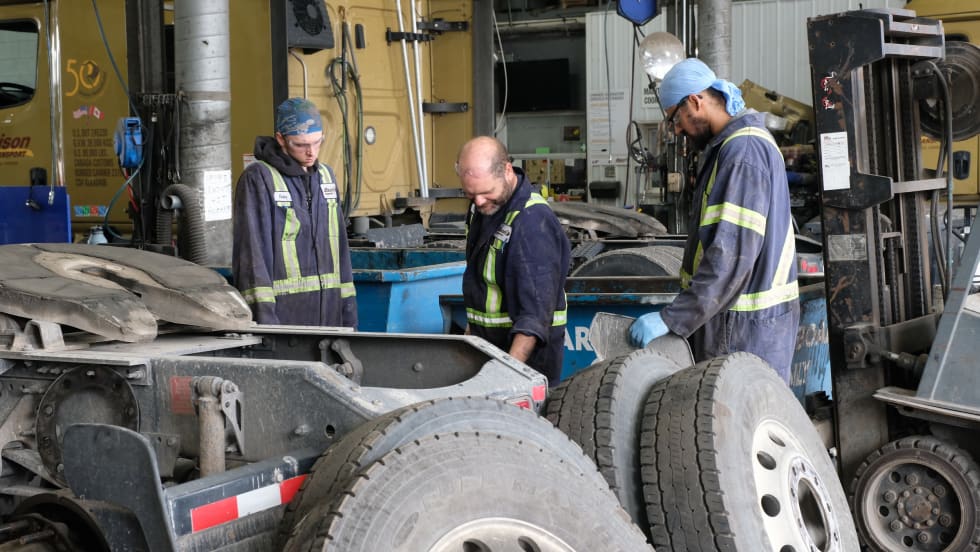
Heavy Duty Parts and Labor Costs Dropped in Q2
A benchmarking report from TMC and Decisiv reveals good news for fleets as heavy-duty parts and labor costs dropped in the second quarter of 2023.
Read More →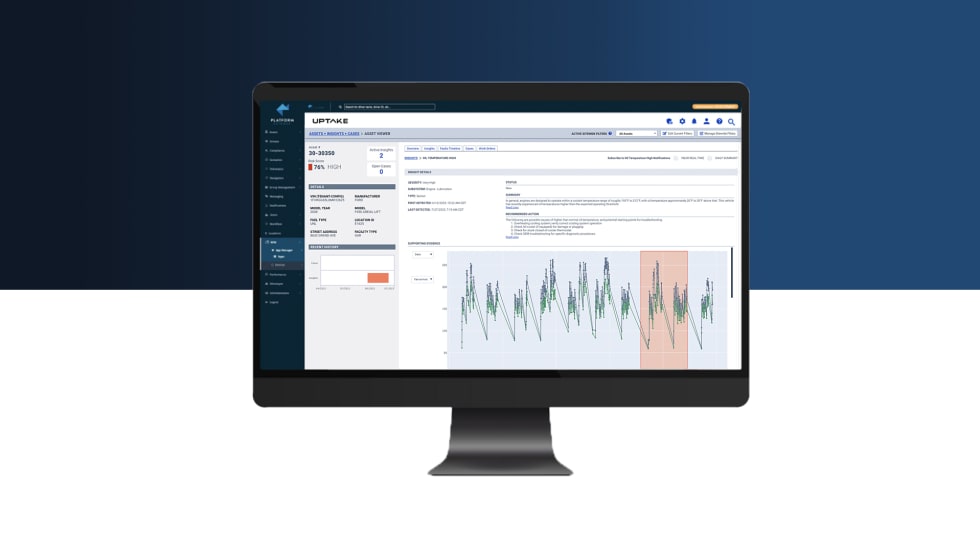
Platform Science, Uptake Partner on Predictive Maintenance Platform
Platform Science and Uptake have formed a partnership aimed at bringing a comprehensive predictive maintenance program to market for U.S. truck fleets.
Read More →