




Industry and Safety Groups Press for Recorder Mandate
Trucking and safety interests are pressing congressional negotiators to include an electronic onboard recorder mandate in the highway bill they are drafting. In a letter to leaders of the House-Senate conference committee, industry interest groups strongly urged that the mandate be kept in the bill
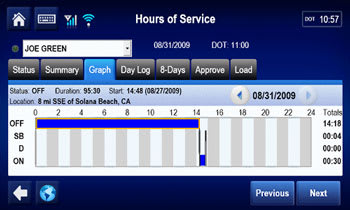
Trucking and safety interests are pressing congressional negotiators to include an electronic onboard recorder mandate in the highway bill they are drafting. In a letter to leaders of the House-Senate conference committee, industry interest groups strongly urged that the mandate be kept in the bill.
"Enactment of this provision is essential for improving (hours of service) compliance, assisting law enforcement in verifying compliance with HOS rules, and advancing highway safety," they said.
The May 7 letter was signed by Bill Graves, president and CEO of American Trucking Associations, Jacqueline Gillan, president of Advocates for Highway and Auto Safety, Joan Claybrook, president emeritus of Public Citizen, and LaMont Byrd, director of safety and health for the Teamsters union.
Also, Stephen Keppler, executive director of the Commercial Vehicle Safety Alliance, John Lannen, executive director of the Truck Safety Coalition, Steve Williams, chairman of the Alliance for Driver Safety and Security, and Chris Burruss, president of the Truckload Carriers Association.
The provision is opposed by the Owner-Operator Independent Drivers Association, which holds that the recorders are an unnecessary expense because they do not improve safety.
The EOBR mandate is included in the Senate's two-year, $109 billion highway bill. The House does not have a comparable bill, although it has drafted a measure that says the eobr rule that now is being written by the Federal Motor Carrier Safety Administration must include standards for performance and certification.
The agency recently began a supplemental process to resolve technical and legal issues surrounding its recorder proposal. It is not clear when a final rule will be ready.
Sean McNally, spokesman for ATA, explained that FMCSA does not need Congress to pass an eobr mandate in order to complete work on its rule. But the law will give the agency specific directions on the terms of the rule, and strengthen the case for the rule in the likely event that it will be challenged in court.
The conferees, whose first formal meeting is scheduled for today, have until the end of June to agree on a bill, or extend the program temporarily for the 10th time.
More Drivers

EEOC Sues Texas Trucking Company Over Driver Age Limits
The agency says Trancasa USA rejected applicants over 65 and applied tougher driving-record standards to those over 60.
Read More →
Nussbaum, Roehl Announce Second Driver Pay Increase This Year
This year has seen a swath of major truck driver pay increases as freight capacity has tightened.
Read More →
From One Generation to the Next: How Mentorship Builds Safer Truck Drivers
After three decades in trucking, Harold Perry shares what he's learned about driver safety, mentorship, and helping the next generation build confidence behind the wheel.
Read More →
Truck Drivers Need More Than Another Alert
Fleets have more visibility into truck health, safety events, and driver activity than ever. The next challenge is turning all that information into useful guidance for the person who has to decide what to do next.
Read More →
FMCSA Removes 110 Truck Driver Training Schools from Certified ELDT List
Federal regulators also are targeting more than 160 additional training providers and launching a nationwide audit of third-party CDL skills testers as part of a broader crackdown on trucking fraud.
Read More →
Hours of Service Pilot Programs: FMCSA Readies for 2027 Rollout
Two pilot programs could eventually reshape hours-of-service rules, giving truck drivers options to pause their 14-hour clock or use longer split sleeper rest periods.
Read More →
Medical Cards, English Proficiency Reshape Roadcheck Violations
Medical-card violations jumped to the top of the driver out-of-service list during CVSA’s 2026 International Roadcheck, while English-language proficiency violations appeared among the leading violations for the first time.
Read More →
Driver Trust Can Make or Break the Success of Fleet Safety Technology
New Teletrac Navman research suggests that onboarding, transparency about driver data, and positive feedback can play a significant role in how commercial drivers respond to safety and coaching technology.
Read More →
EEOC Sues KLLM Over Alleged Sex Discrimination in Driver Training
KLLM is facing a federal sex-discrimination lawsuit over policies the EEOC alleges put female truck driver trainees at a disadvantage.
Read More →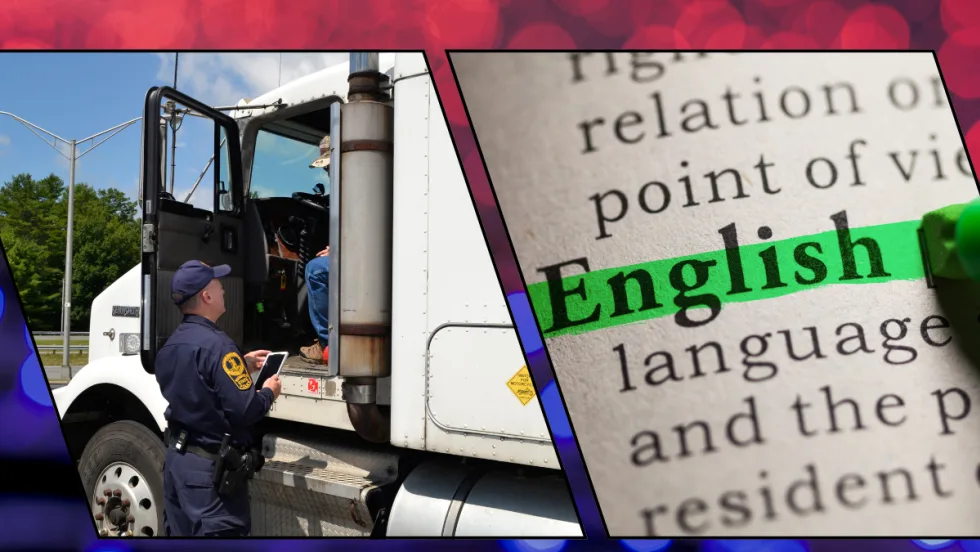
FMCSA Moves to Codify English Language Requirements for Commercial Drivers
By changing regulations on English-language proficiency requirements for commercial drivers, rather than relying on a guidance memo, the FMCSA said future administrations won't be able to walk back the Trump administration's stricter enforcement with just a memo.
Read More →