




Jason's Law Reintroduced; Would Address Truck Parking Problems
U.S. Reps Paul Tonko (D-NY) and Erik Paulsen (R-MN) have reintroduced Jason's Law, which would create a grant program to help alleviate the parking shortages and pay for safety improvements at existing rest areas
U.S. Reps Paul Tonko (D-NY) and Erik Paulsen (R-MN) have reintroduced Jason's Law, which would create a grant program to help alleviate the parking shortages and pay for safety improvements at existing rest areas.
Tonko and Paulsen had previously introduced Jason's Law in the U.S. House to address the truck parking shortage and improve conditions at current truck parking facilities. The new bill was announced Wednesday at a press conference in Washington, DC.
The law is named for truck driver Jason Rivenburg, who was murdered during an attempted robbery while parked at an abandoned gas station in South Carolina. Due to a lack of adequate truck parking, the gas station was the only place to stop and comply with the hours-of-service. His widow, Hope Rivenburg, was present at the announcement.
Jason's Law would provide $20 million annually for six years for a number of initiatives to improve access to truck parking across the country, ranging from construction of new parking capacity and improvements to existing commercial parking areas, to technology to track open parking spaces and improvements to existing noncommercial parking facilities to accommodate large trucks.
The American Trucking Associations and the Owner Operator Independent Drivers Association announced statements indicating their support of the bill.
"America's professional truck drivers need access to safe and legal parking in order to get the rest they need to safely transport the nation's essential goods and comply with federal hours-of-service rules," Mary Phillips, ATA senior vice president of legislative affairs said at the press conference. "Our drivers shouldn't be forced into the 'no-win' situation of choosing between continuing to drive to find safe parking or parking on the shoulder or ramp or other location that puts themselves or other motorists at risk."
"The fact that states have been considering closing existing parking facilities in order to address their budget shortfalls underscores the need for this legislation," Phillips said. "If left unaddressed, the lack of truck parking will reach a crisis stage; over the next 9 years, we will add nearly 2 million more trucks to our roads to meet our nation's freight demand."
"The trucking industry faces a litany of issues, and the least we can do is to make sure drivers have a safe place to rest while delivering the nation's goods," said Todd Spencer, executive vice President of OOIDA.
More Safety & Compliance
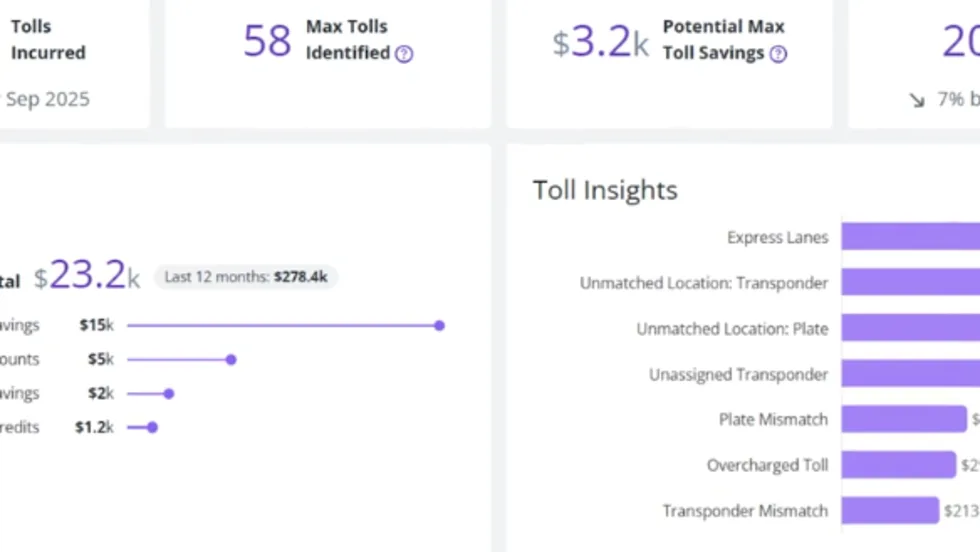
PrePass Intelligence Mines Fleet Bypass, Toll and Safety Data
PrePass Intelligence helps fleets measure bypass savings, flag potential toll overcharges, and spot suspicious transactions by combining data from separate systems.
Read More →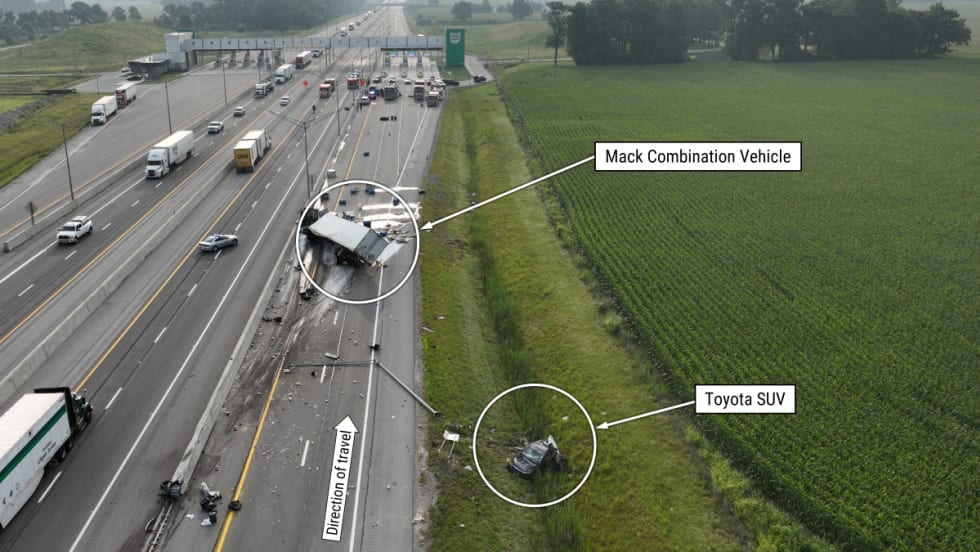
Fatal Crash Exposes Toll Plaza Risks
An NTSB investigation found that last-minute lane changes and large speed differences at an Ohio toll plaza created a hazard the truck driver couldn't avoid in time.
Read More →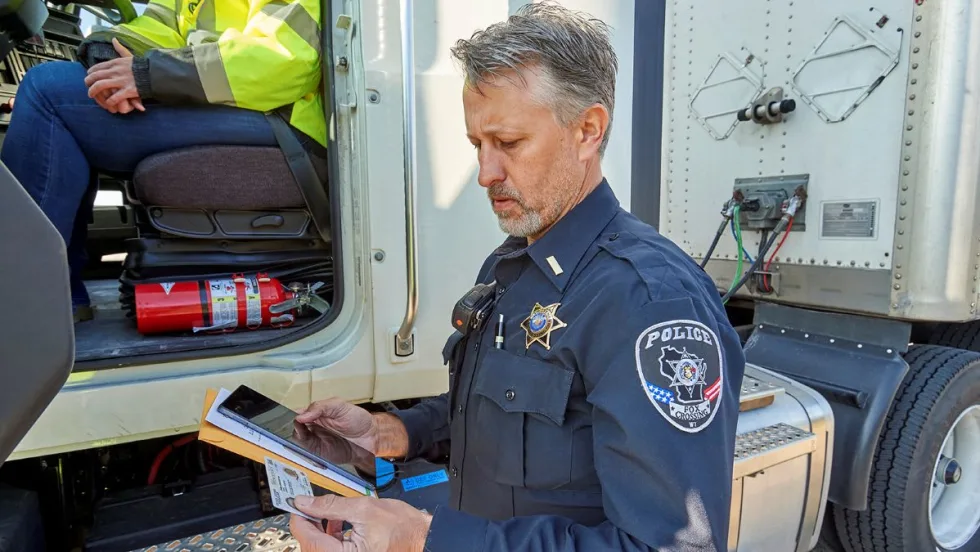
When Language Stops the Truck: The Return of ELP Out-of-Service Orders
English language proficiency rules for commercial drivers aren’t new, but renewed out-of-service enforcement has raised the stakes. Here’s what carriers need to know before a driver reaches a roadside inspection.
Read More →
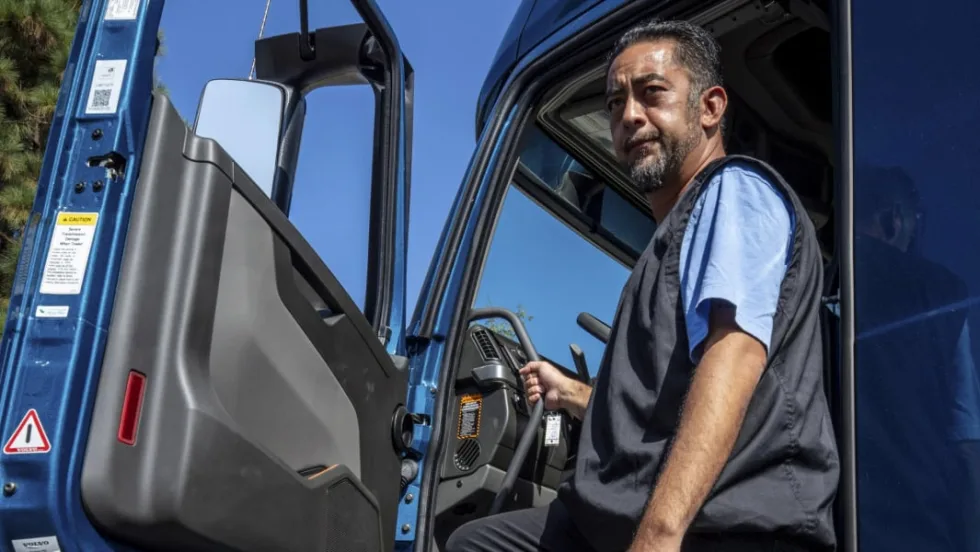
A Camera Isn't a Safety Program. Here's What Brokers Are Screening for Now
Footage alone may not be enough to pass broker vetting processes. Here's what counts as a defensible safety program now.
Read More →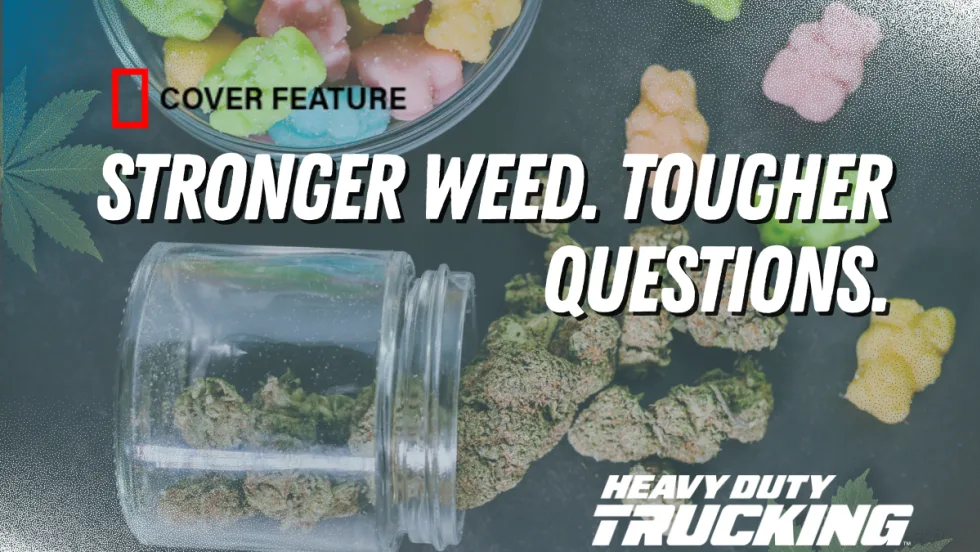
Marijuana and Trucking’s Drug-Testing Dilemma
Marijuana is getting stronger, laws are changing, and drug tests still can’t reliably establish impairment. What does that mean for truck drivers and the fleets that employ them?
Read More →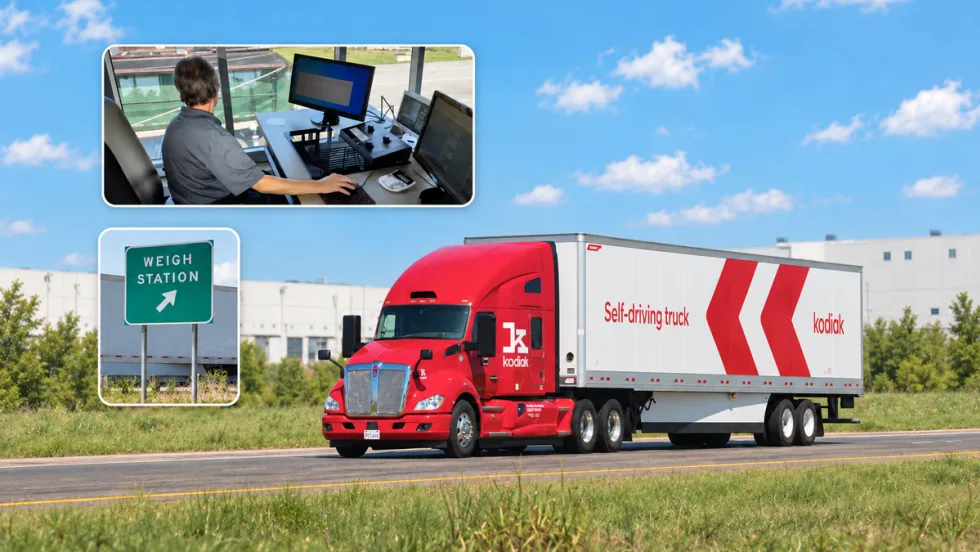
PrePass, Kodiak Connect Driverless Trucks to Roadside Enforcement
The system will allow enforcement agencies to verify Enhanced Inspection information and decide whether Kodiak’s autonomous trucks can bypass roadside screening sites.
Read More →
From One Generation to the Next: How Mentorship Builds Safer Truck Drivers
After three decades in trucking, Harold Perry shares what he's learned about driver safety, mentorship, and helping the next generation build confidence behind the wheel.
Read More →
FMCSA Pauses Biennial-Update Enforcement Amid Motus Transition
Carriers whose updates were due on or after June 1 have more time, while FMCSA works to stabilize its new registration system and warns of phishing sites impersonating its new carrier registration system, Motus.
Read More →
ZF Expands Commercial Vehicle Push in North America
ZF is expanding its North American commercial-vehicle presence with new transmission applications, electrification, trailer technology and autonomous-driving systems.
Read More →
Truck Drivers Need More Than Another Alert
Fleets have more visibility into truck health, safety events, and driver activity than ever. The next challenge is turning all that information into useful guidance for the person who has to decide what to do next.
Read More →