





Walking the Fine Line on Truck Owner-Operator Classification
House Bill Would Ban Predatory Lease-Purchase Programs in Trucking
A bill introduced in the U.S. House of Representatives would ban predatory lease-purchase programs between motor carriers and truck drivers, which a federal Truck Leasing Task Force called “irredeemable tools of fraud and driver oppression.”
September 23, 2025
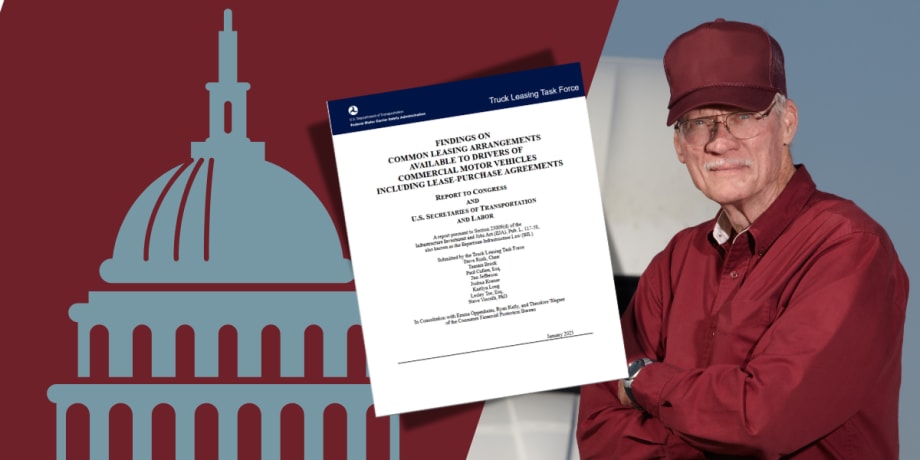
Truck drivers have long accused some motor carriers of creating lease-purchase programs "designed to fail."
HDT Graphic
4 min to read
U.S. Rep. Julia Brownley has introduced legislation in the House of Representatives that would crack down on truck leasing programs between motor carriers and truck drivers that are seen as exploitative of owner-operator drivers.
Brownley, a California Democrat, explained in a news release that “far too many drivers are trapped in crushing debt, denied fair pay, and prevented from ever owning their trucks.”
The Predatory Truck Leasing Prevention Act (H.R. 5423) would implement recommendations from the Truck Leasing Task Force, a group assembled by the Federal Motor Carrier Safety Administration under the Biden administration to investigate motor carrier lease-purchase programs with drivers.
That task force issued a report in January recommending that Congress pass a law to ban such programs, or at least create more significant oversight, calling these programs “irredeemable tools of fraud and driver oppression.”
TLTF submitted its findings to the U.S. Department of Transportation, the U.S. Department of Labor, and Congress. The final report found that inequitable lease-purchase programs negatively affect individual drivers (especially new drivers), the trucking workforce, the health of the industry, and roadway safety.
Why Are These Lease-Purchase Programs a Problem?
According to the news release from Rep. Brownley, while traditional lease agreements can allow truckers to operate as independent small businesses, many lease-purchase or “lease-to-own” arrangements are structured in ways that exploit drivers.
Under these agreements, a motor carrier (or related entity) owns a truck and leases it to a driver, who makes payments in hopes of eventually owning the vehicle and agrees to operate it exclusively for the motor carrier. In these schemes, the lessor and motor carrier are effectively the same entity.
Companies offering these agreements, Brownley’s announcement said, often offer false promises of fair compensation, future ownership of the truck, and independence from employer-employee requirements.
“While the supposed goal of these agreements is for the driver to become a full-fledged owner-operator at the end of the lease, these schemes rarely work out that way. Instead, drivers are often paid pennies on the dollar and have their work limited by the motor carrier to prevent them from ever securing ownership of the truck. They are also provided with no independence to seek better compensation or more steady work with other motor carriers.”
These programs also may run afoul of the definition of independent contractor vs. employee and result in allegations of “employee misclassification” — that the drivers under the predatory lease-purchase programs are in reality employees, but without any of the benefits of being an employee, such as overtime pay, workers compensation, and so on.
What Does Brownley’s Bill Do?
Brownley’s bill, just three pages long, would require the U.S. Department of Transportation to write new regulations to prohibit the use of predatory commercial motor vehicle lease-purchase programs by motor carriers. It calls for the department to do so within one year of enactment.
The bill defines “lease-purchase agreement” as a financial contract by which a driver leases a commercial motor vehicle from a motor carrier (or a firm affiliated with the motor carrier) to haul freight while driving for the same motor carrier under a separate contract.
It defines “predatory commercial motor vehicle lease-purchase agreement program” as “the framework of motor carrier-driver relationship, including the lease-purchase agreement, the contract for the driver’s work for the motor carrier, and the motor carrier’s practices in implementing the contracts that are not provided in the contract, including the motor carrier’s recruitment practices, operational practices, and tax and finance practices, whereby the motor carrier controls the work, compensation, and debts of the driver, and the driver accrues no equity or is forced to give up equity accrued in the contracted truck.”
Options Beyond a Ban
In its report, the Truck Leasing Task Force recommended that if Congress does not ban predatory leasing programs altogether, then it should fund programs to regulate and oversee truck leasing at the Federal Motor Carrier Safety Administration, the Department of Labor, the Consumer Financial Protection Bureau, and others.
How much appetite there will be for such actions in the current deregulatory environment is questionable. The Consumer Financial Protection Bureau, for instance, has been under attack by the Trump Administration and is a shadow of its former self.
Endorsed by Driver Groups
The Predatory Truck Leasing Prevention Act is endorsed by the Owner-Operator Independent Drivers Association and the Teamsters union, both of which had representatives on the Truck Leasing Task Force.
These “predatory lease-purchase schemes … have fleeced truck drivers for decades,” said OOIDA President Todd Spencer in a news release.
“These scams dangle the promise of ownership but leave drivers broke, trapped in debt, and kicked to the curb with nothing to show for it.”
Teamsters General President Sean M. O’Brien stated, “Predatory truck leasing arrangements target decent hardworking people looking for careers in the trucking industry only to lead them to financial ruin.”
More Drivers
How Fraley & Schilling Improved Logbook Compliance by Over 50%
Fraley & Schilling needed a way to close a compliance workflow gap in its ELD system without adding more work from driver training, reminders, and back-office follow-ups. It found the answer in a custom driver app.
Read More →
Volvo Goes Gaming
Volvo has roared into American Truck Simulator with two new flagship trucks.
Read More →
What the Best Fleets to Drive For Teach About Driver Retention
Survey fatigue, AI-powered routing, owner-operator expectations, and the decline of social media all emerged as themes from this year's Best Fleets to Drive For program.
Read More →
Driver Retention Lessons From the Best Fleets to Drive For
What separates trucking's best workplaces from the rest? Jane Jazrawy shares the biggest lessons from this year's Best Fleets to Drive For program on driver retention, communication, AI, and workforce trends on the HDT Talks Trucking podcast.
Read More →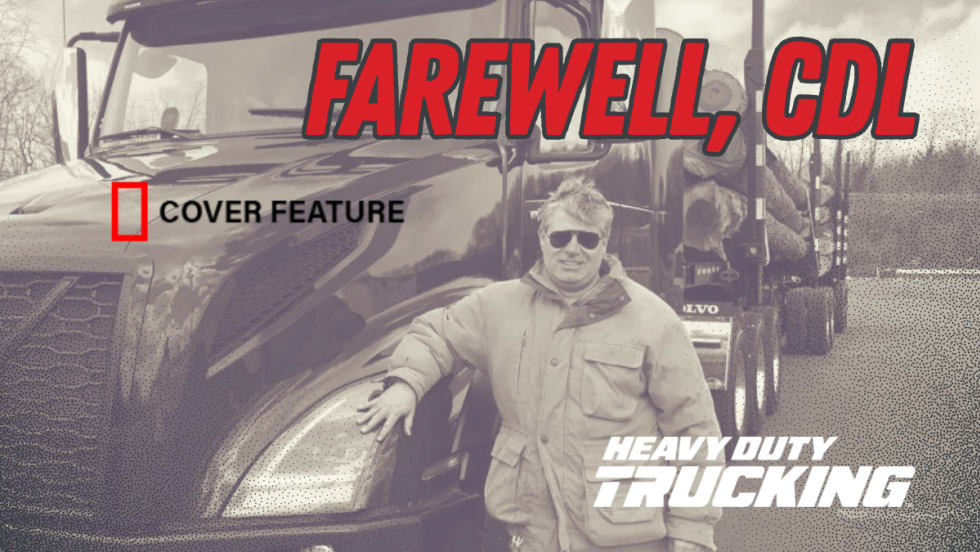
Farewell, CDL: Why I'm Giving Up My Commercial Driver's License
After more than 20 years as a CDL holder, HDT Executive Editor Jack Roberts is letting his commercial license expire. Not because he wants to — but because trucking's nuclear verdict crisis has made the risks of public-road test drives too great for editors, manufacturers, and everyone involved.
Read More →
How Top Trucking Fleets Improve Driver Retention [Video]
What do healthy snacks, optimized routing, and just picking up the phone have in common? They're all strategies the Best Fleets to Drive For are using to retain truck drivers.
Read More →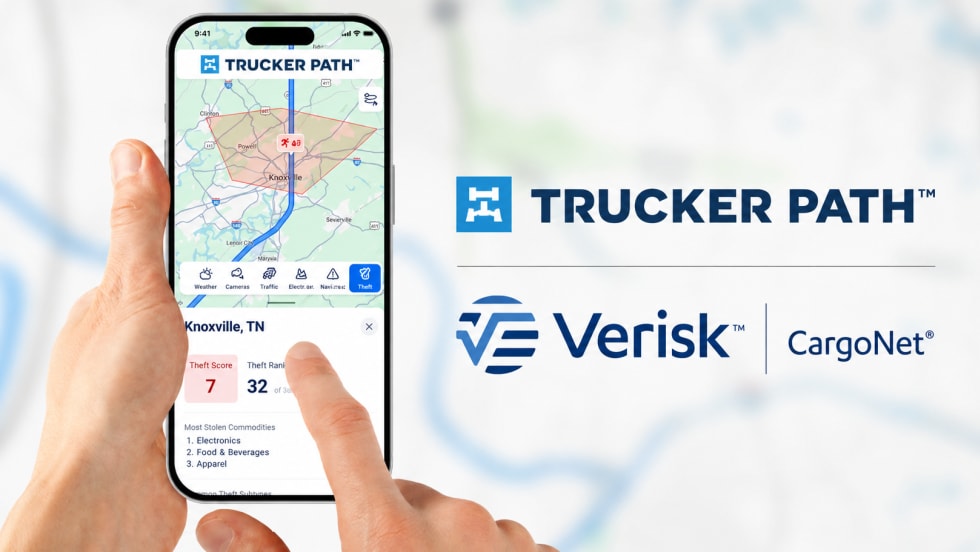
Trucker Path Adds Verisk CargoNet Theft Data to Navigation Platform
Trucker Path’s new cargo theft risk overlays give drivers and fleets visibility into high-risk areas, stolen commodity trends, and theft hotspots.
Read More →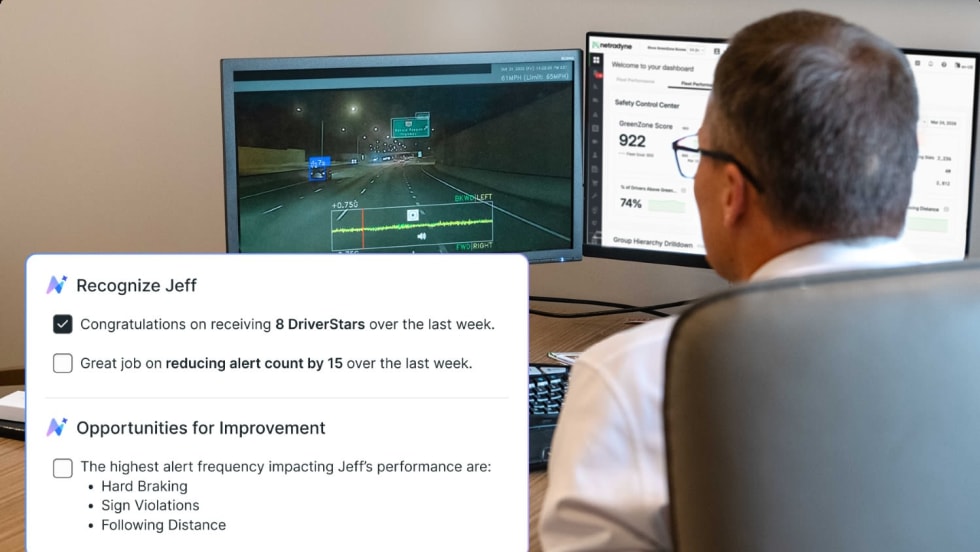
Netradyne Intelligence Uses New AI Agents to Automate Response to In-Cab Camera Data
The company called the next-generation in-cab camera safety platform "a fundamental shift from systems that report on what happened to systems that actively drive what should happen next."
Read More →
Why Truck Detention Keeps Costing Fleets Time and Money
A 2024 ATRI study found detention affects nearly 40% of truckload stops and costs the industry more than $15 billion annually. Despite the toll on drivers, fleets, and supply chains, the problem remains stubbornly persistent.
Read More →
Prime Inc. to Open $7.9M Flagship Used-Truck Dealership
A new driver-focused facility to sell Prime Inc's used trucks and trailers will be the first purpose-built location in the company's history.
Read More →