





Scaling Electric Trucks: NACFE Reveals Key Findings on Cost, Infrastructure
ABF Pilots Tesla Electric Semi Truck in LTL Operations
Less-than-truckload carrier ABF Freight ran a battery-electric Tesla Semi in a three-week pilot program, finding progress in heavy-duty BEVs in some areas but improvement needed in others.
July 9, 2025
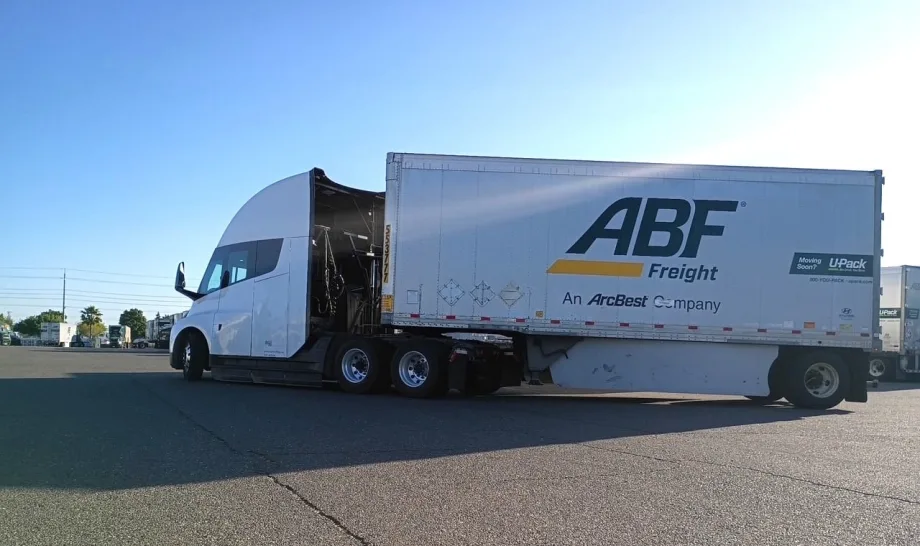
The electric Tesla Semi logged 4,494 miles, averaging 321 miles per day with an overall energy efficiency of 1.55 kWh per mile in a three-week pilot program with ABF Freight.
Photo: ArcBest
3 min to read
Less-than-truckload carrier ABF Freight ran a battery-electric Tesla Semi in a three-week pilot program that included over-the-road routes and regional runs.
ABF operated a Tesla Semi across typical dispatch lanes, including over-the-road routes between service centers in Reno, Nevada, and Sacramento, California. The pilot also included regional runs in the Bay Area and rail shuttle operations.
The electric Semi logged 4,494 miles, averaging 321 miles per day with an overall energy efficiency of 1.55 kWh per mile, according to the company.
The vehicle performed well across a variety of routes — including the 7,200-foot climb over Donner Pass — and generally matched the performance of its diesel counterparts.
Driver feedback was positive, with operators noting the vehicle’s comfort, safety and ease of use. Features like the center seat configuration, wide visibility and intuitive controls contributed to strong driver experience, according to the company.
Did The Tesla Semi Match Diesel-Truck Performance?
“We’re not looking for a truck that performs well ‘for an EV,’” said Matt Godfrey, ABF Freight president. “It must meet or exceed the performance and total cost of ownership targets of our most efficient diesel units. This pilot gives us great insight into the potential of EV semis in our operations.”
While the pilot demonstrated strong performance and driver acceptance in ABF's LTL operations, it also highlighted the need for continued development of charging infrastructure to support broader deployment across longer routes, ABF noted.
The vehicle showed meaningful progress in areas such as range, charging efficiency and driver support, the company said, reinforcing the value of continued evaluation.
ArcBest: The Path to Decarbonization
ABF Freight is part of ArcBest, which said in a news release that the pilot reflects the company’s ongoing commitment to exploring emerging technologies that support operational efficiency and environmental responsibility.
This pilot builds on ArcBest’s broader efforts to explore electric vehicles across its operations.
The company currently operates nine electric yard tractors, two electric forklifts and two Class 6 electric straight trucks.
ArcBest said it will continue to assess the long-term viability of Class 8 EVs within its fleet, with a focus on leveraging innovation to improve efficiency, reduce emissions and deliver sustainable logistics solutions that create value for customers.
“Freight transportation is a vital part of the global economy, and we know it also plays a significant role in overall greenhouse gas emissions,” said Dennis Anderson, ArcBest chief innovation officer.
“While the path to decarbonization presents complex challenges — such as infrastructure needs and alternative fuel development — it also opens the door to innovation. Vehicles like the Tesla Semi highlight the progress being made and expand the boundaries of what’s possible as we work toward a more sustainable future for freight.”
More Fuel Smarts
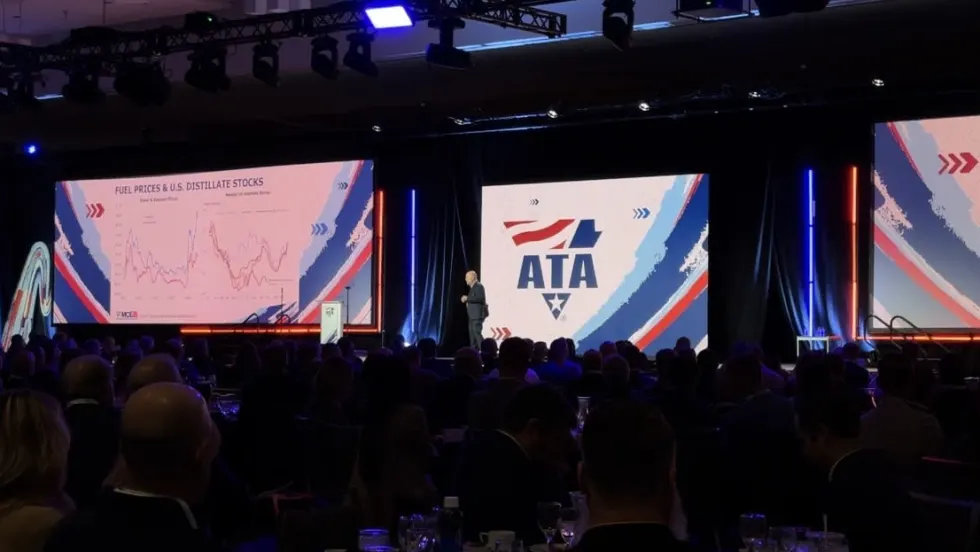
Trucking’s Diesel Squeeze Isn’t Letting Up
With diesel topping $6 a gallon nationally, ATA's Bob Costello explains why fleets should prepare for continued pressure at the pump.
Read More →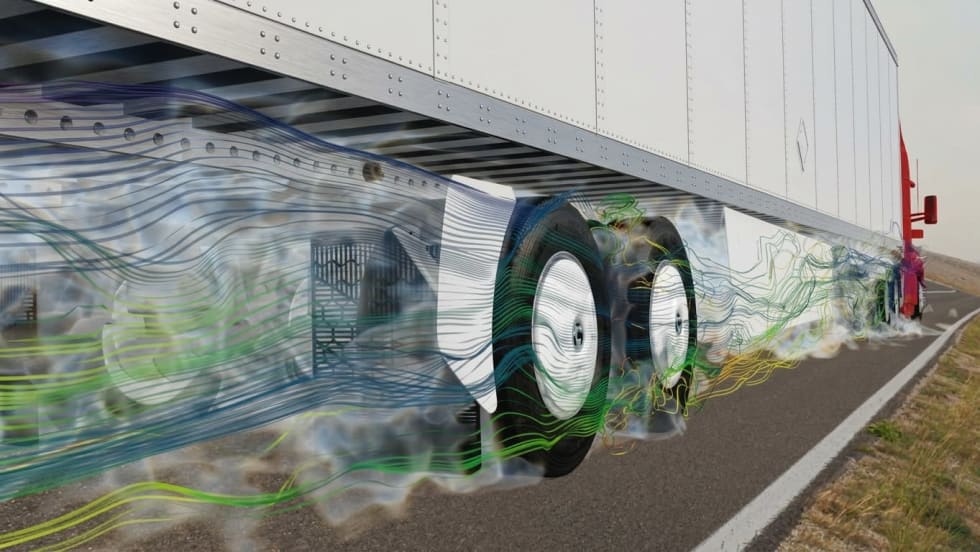
FlowBelow Redesigns Trailer AeroSlider to Cut Fuel Use
The lighter trailer aerodynamic system installs in less than 45 minutes, according to the company, with potential payback in under a year depending on fuel prices and trailer mileage.
Read More →
Why Diesel Price Relief Efforts May Fall Short
Diesel prices have eased from September’s record high, but doubts about additional Russian supply and limits on dyed-diesel tax relief mean trucking fleets still face expensive fuel. And prices could go higher.
Read More →
Why Small Fuel Savings Matter in Trucking
Can better fuel economy help pay for driver raises? In this podcast, GP Transco explains how small efficiency gains create room to reinvest in its people.
Read More →
How GP Transco Cuts Trucking Fuel Costs, a Tenth of a Gallon at a Time
What’s another tenth of a mile per gallon worth? GP Transco shares how equipment upgrades and driver coaching turn small gains into meaningful fuel savings.
Read More →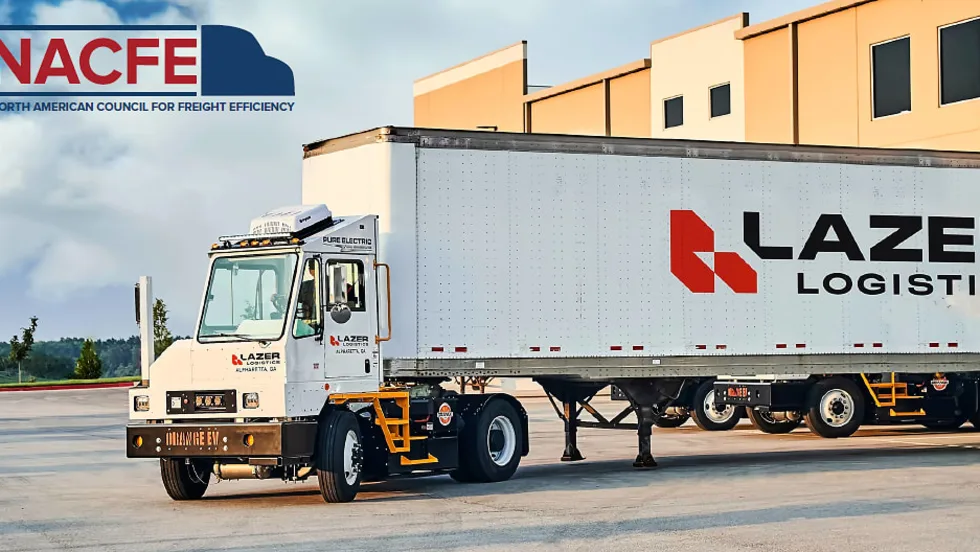
Electric Yard Tractors Move Beyond Pilots
Operating-cost savings have overtaken sustainability goals as the leading reason surveyed fleets are adopting battery-electric terminal tractors, according to new NACFE research.
Read More →
Geotab Links Fleet Card to Vehicle Data
The new card combines fuel discounts with telematics-based purchase controls. Geotab’s analysis also points to potential savings from choosing lower-priced fuel stops.
Read More →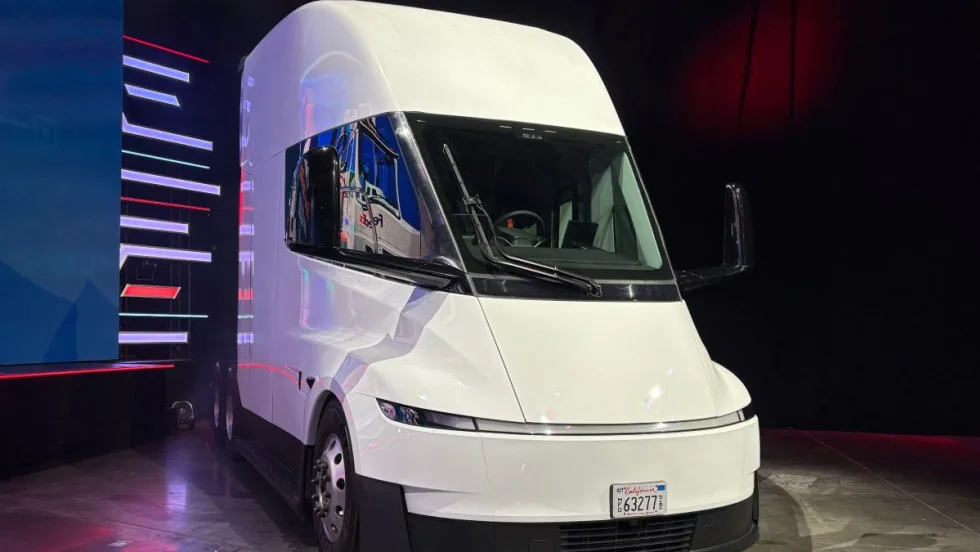
Fleet Economics Shape Electric Truck Outlook
ACT Research expects costs, charging infrastructure, and technology improvements to drive zero-emission commercial vehicle adoption as federal regulations and incentives retreat.
Read More →
Wex Adds Cardless Fuel Payments for Over-the-Road Customers
A new fuel card feature for Wex customers offers convenience and security.
Read More →
New California Law Could Shed Light on Electric Truck Prices
Why do battery-electric Class 8 trucks remain so expensive? A California bill signed by Gov. Gavin Newsom would give fleets and state agencies more visibility into what manufacturers charge.
Read More →