




5 Things Motor Carriers Need to Know about LTL Freight Classification Changes
Significant changes in the National Motor Freight Classification system will impact less-than-truckload fleet operations in 2025. Are you ready?

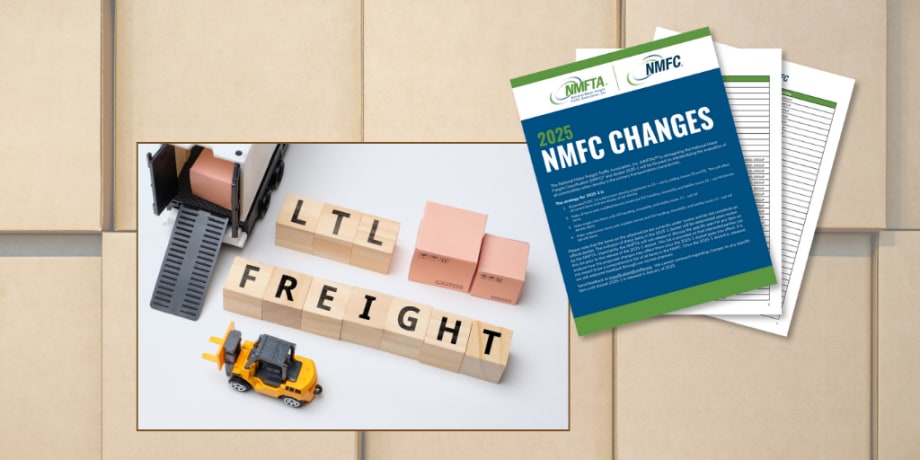
2025 will bring changes to how less-than-truckload freight is classified.
Image: HDT Graphic
It’s imperative that freight moves safely, efficiently, and is cost-effective. But this is slightly more complex for those who transport less-than-truckload freight, as there are other important factors: ensuring commodities are classed correctly and that the shipment size and/or weight is accurately determined to allot proper space in a trailer.
With all of the commodity types that are shipped every day, it is important to know how to determine the freight class of most items — if cargo is labeled as the wrong freight class, this can interfere with logistics when loading LTL shipments.
Since 1935, the National Motor Freight Traffic Association's National Motor Freight Classification (NMFC) has been the standardized system in North America that classifies freight for LTL shipping purposes. It simplifies how carriers and shippers determine shipping costs and procedures.
For those unfamiliar with the system, currently the NMFC assigns a freight class based on four criteria:
Density
Handling
Stowability
Liability
Based on a combination of these characteristics, a freight shipping class is assigned, ranging from 50 to 500.
There are 18 separate classes ranging within these values, with lower numbers indicating cargo that is more favorable to ship. Freight that is in a higher freight class will also have a higher shipping cost, owing to its difficulty to ship.
Changes Are Coming to LTL Freight Classification
But as of 2025, the freight classification system will undergo significant changes, and your trucking fleet operations must be prepared.
“We have re-evaluated the current freight classification system so it reflects the current state of LTL freight transport,” said Keith Peterson, director of operations for NMFTA. “Major changes are set to take place in 2025 and we need those who transport LTL freight to be aware.”
The new NMFC will be easier to use and understand, according to NMFTA. Classifying freight will be more accurate on the first try.
To ensure all users are in the know, the NMFTA and NMFC hosted hour-long LTL Listening Sessions for carriers, shippers, and third-party logistics providers (3PLs), respectively in early August.
Attendees gained in-depth insights on the changes, asked questions directly to NMFTA representatives, and shared experiences that can help shape the future of the NMFC and its online classification tool, ClassIT.
5 Things You Need to Know About the New LTL Classifications
1. The NMFC changes will directly impact carriers, shippers, and third-party logistics providers (3PLs) who ship LTL freight.
2. The overall goal of the NMFC changes is to ultimately reduce any friction between carriers, shippers, and 3PLs as they work alongside one another to effectively and efficiently transport products to the desired end destination.
3. The NMFC changes will take place in a phased approach, with the first set of changes coming in Docket 2025-1. Here's a summary:
Standardized density scale for LTL freight with no handling, stowability, and liability issues.
Unique identifiers for freight with special handling, stowability, or liability needs.
Condensed and modernized commodity listings.
Improved usability of the ClassIT, the NMFC’s online classification tool.
4. NMFTA has several resources to help motor carriers prepare for the change:
NMFTA's NFMC changes page, where you can download the list of changes and access frequently asked questions.
5. You'll need to spread the message to your shippers to ensure they’re informed of the changes.
More Fleet Management
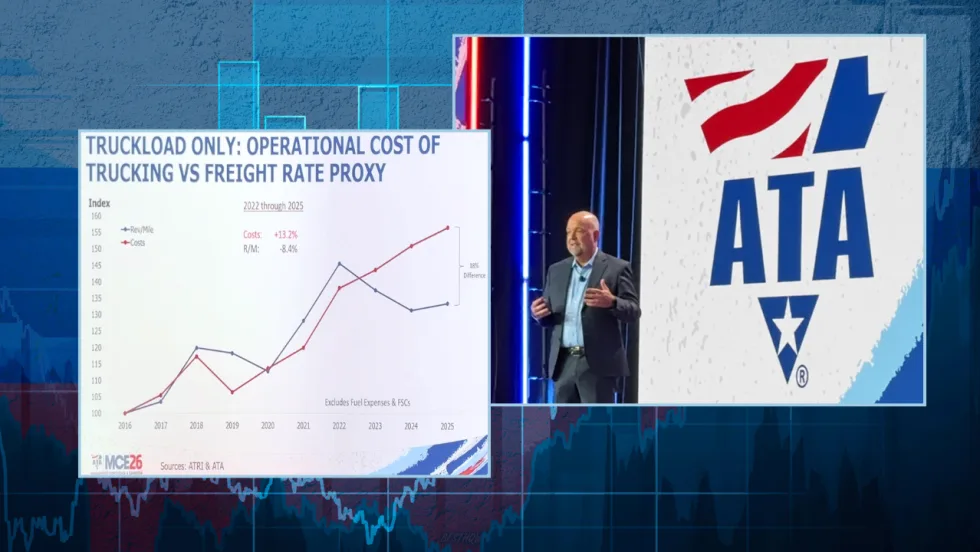
Why This Trucking Recovery Is Different
Freight demand remains sluggish, but rising costs and tougher enforcement have taken enough capacity out of the market to change the outlook for motor carriers.
Read More →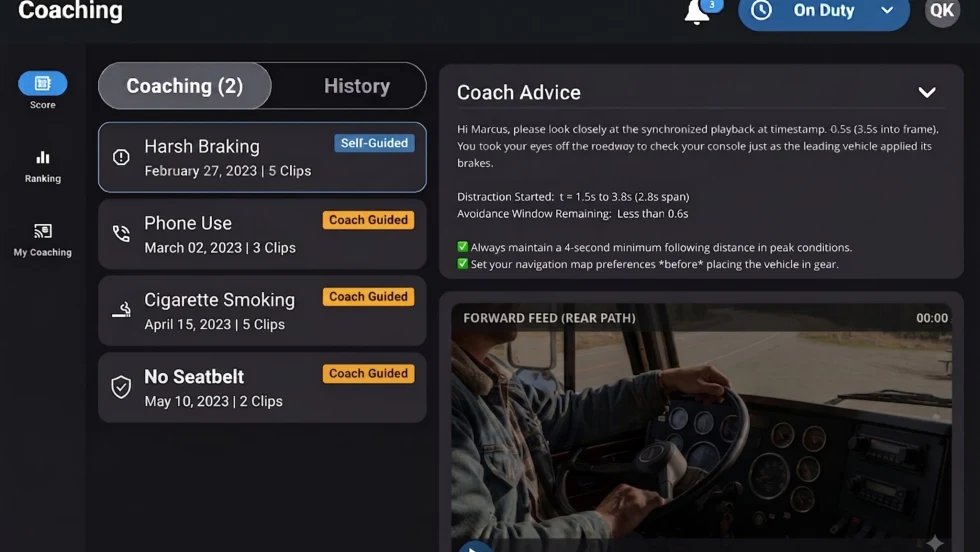
Platform Science Adds Dispatch and Safety Tools
Four additions to PS Fleet help fleets monitor loads, manage driver coaching, share truck locations and adjust video system settings.
Read More →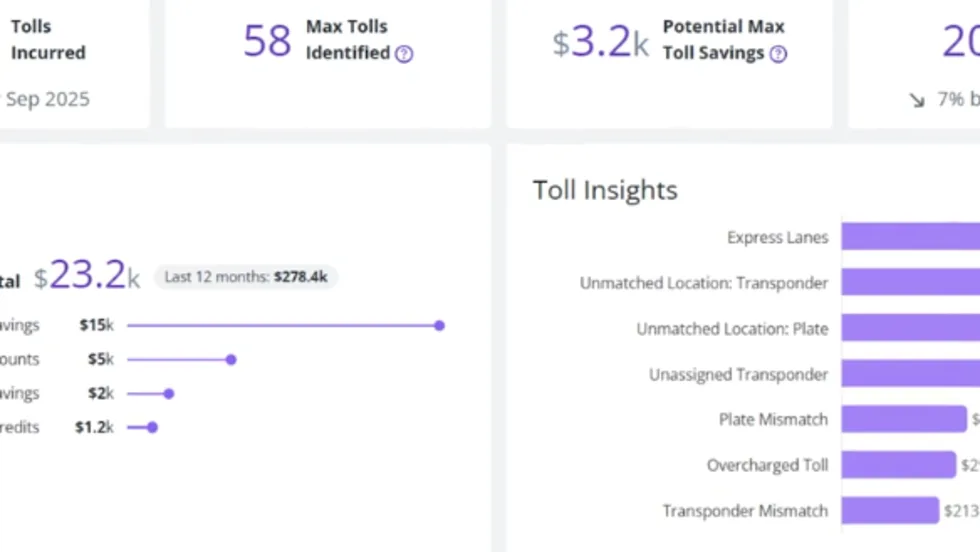
PrePass Intelligence Mines Fleet Bypass, Toll and Safety Data
PrePass Intelligence helps fleets measure bypass savings, flag potential toll overcharges, and spot suspicious transactions by combining data from separate systems.
Read More →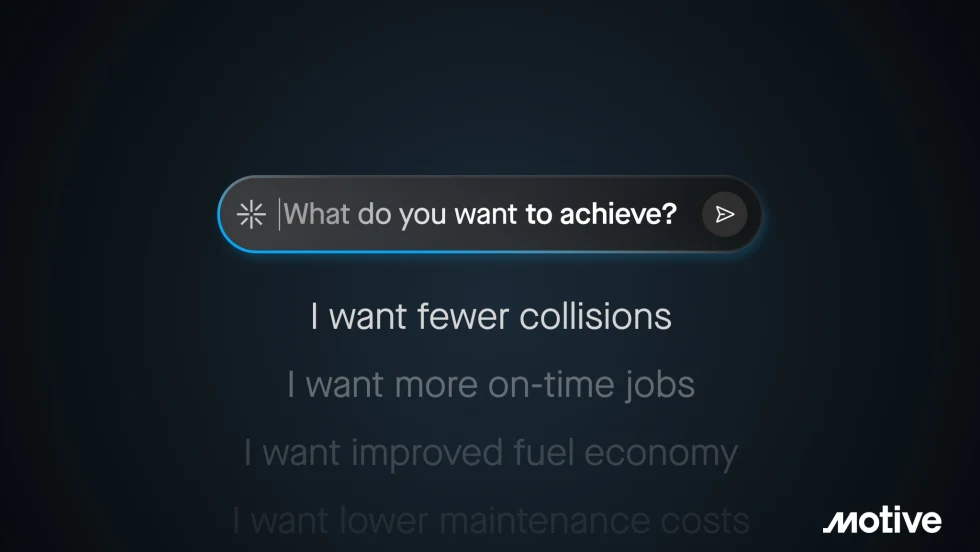
Motive Adds AI Agents for Fleet Operations
New tools automate follow-up on fleet data, from maintenance work orders to driver alerts, with two-way voice conversations planned for later this year.
Read More →
Can You Beat Our Trucking Trivia Challenge?
Test your truck knowledge with 19 trivia questions from Heavy Duty Trucking Exchange. Can you keep up with the fleet pros?
Read More →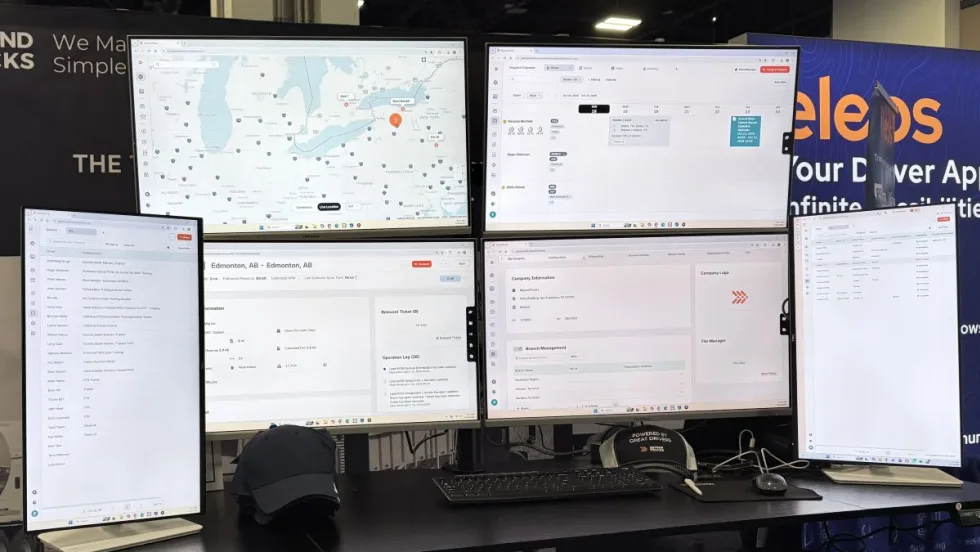
BeyondTrucks Adds Rules Checks to Dispatch
New Compatibility Engine checks driver qualifications, equipment requirements and fleet policies before loads are dispatched.
Read More →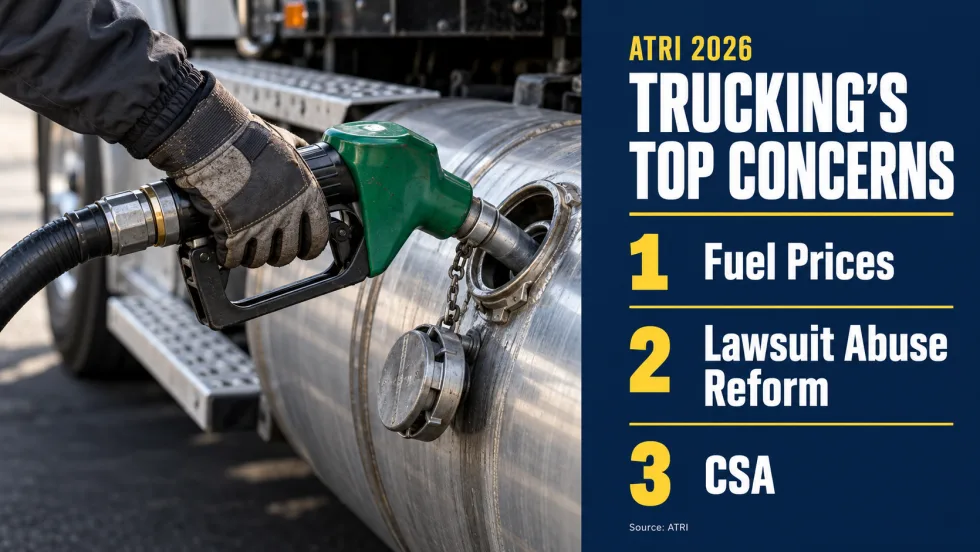
Diesel Prices Hijack Trucking’s Worry List
ATRI’s annual survey finds cautious optimism about freight, but diesel costs, litigation, and insurance continue to squeeze fleets. Drivers have different priorities on several issues.
Read More →
Nomination Deadline Extended for HDT Emerging Leaders
Just a few more days to nominate accomplished trucking fleet professionals under 40 who are making an impact and helping lead the industry forward for the HDT Emerging Leaders award. Deadline extended to October 20!
Read More →
What Will ATA’s New Leader Bring to Trucking's Table?
Incoming President and CEO Mark Colson’s record in Alabama offers clues about his priorities and approach following Chris Spear’s abrupt departure as the head of the American Trucking Associations.
Read More →
Volvo, Waabi Start Commercial Autonomous Operations in Texas
Volvo VNL Autonomous trucks, powered by the Waabi Driver, are hauling freight directly to third-party facilities for a customer in Texas.
Read More →