




U.S., California Look to Accelerate Self-Driving Truck Deployment
Testing and deployment of self-driving trucks may accelerate after the federal government announced a new "automated vehicle framework" and California announced proposed new rules allowing autonomous trucks.

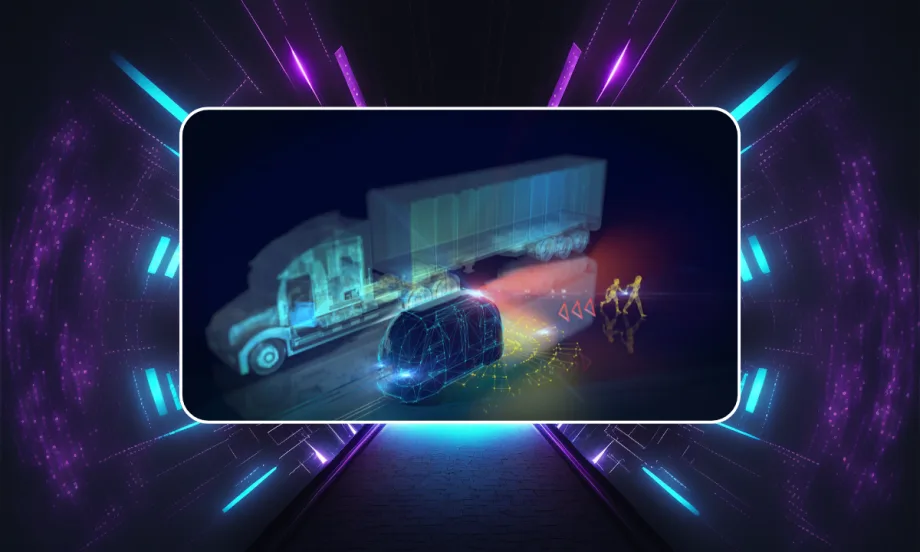
NHTSA and California are changing rules regarding autonomous truck deployment.
Image: HDT Graphic
Testing and deployment of self-driving trucks may accelerate after the federal government announced a new "automated vehicle framework" and California is contemplating new rules allowing them.
The first actions under this framework will help accelerate work toward modernizing Federal Motor Vehicle Safety Standards.
The National Highway Traffic Safety Administration is maintaining its Standing General Order on Crash Reporting for vehicles equipped with certain advanced driver assistance systems (ADAS) and automated driving systems (ADS).
However, the agency will streamline the reporting to sharpen the focus on critical safety information while removing “unnecessary and duplicative requirements.”
NHTSA is expanding the Automated Vehicle Exemption Program to now include domestically produced vehicles. Previously open only to imported AVs, AVEP has promoted vehicle innovation and safety through simpler, faster exemption procedures that allow companies to operate non-compliant imported vehicles on U.S. roads.
NHTSA announced the change via an open letter to AV developers.
“This administration understands that we’re in a race with China to out-innovate, and the stakes couldn’t be higher,” said U.S. Transportation Secretary Sean P. Duffy in a news release.
“As part of DOT's innovation agenda, our new framework will slash red tape and move us closer to a single national standard that spurs innovation and prioritizes safety.”
Self-Driving Trucks in California?
The California Department of Motor Vehicles is proposing regulations for testing and deployment of heavy-duty commercial autonomous vehicles on California’s public roads.
Under the proposed framework, heavy-duty autonomous vehicles (weighing 10,001 pounds or more) can now be tested with a DMV-approved permit.
The state currently prohibits autonomous vehicles weighing more than 10,000 pounds on public roads. Self-driving heavy-duty trucks are already being tested in other states such as Texas and Arizona.
Safety advocates and the Teamsters union will likely oppose the regulations.
The California legislature passed a Teamsters-backed bill in 2023 to require human drivers aboard self-driving heavy-duty trucks. It was vetoed by Gov. Gavin Newsom.
What Do California’s Proposed Autonomous-Truck Regulations Say?
Applications received after the new regulations are implemented will be subject to a phased permitting process for AV testing and deployment.
Initially, manufacturers must obtain a permit for testing with a safety driver. Subsequent phases require obtaining a Driverless Testing Permit and a Deployment Permit after completing the required test miles and submitting a report detailing the testing conducted.
These steps ensure that manufacturers meet stringent safety requirements through a comprehensive process tailored to each manufacturer’s technology and operational environment, according to a California DMV news release.
Heavy-duty autonomous trucks would be limited to testing and deployment in an “operational design domain” that only includes routes legal for the vehicle’s size and weight load. They aren’t allowed on local roads with a speed limit of 25 mph or less unless those roads are “within the shortest distance to freeways from hubs, motor carrier and shipper facilities, distribution centers, fueling and charging stations, and end points, while using arterial roadways wherever possible.”
Autonomous commercial vehicle test drivers, remote drivers, and remote assistants would need to comply with state and federal commercial driver requirements, including licensing and hours-of-service restrictions.
Manufacturers would be allowed to receive compensation for transporting goods during testing.
Certain commercial vehicle operations would be excluded, including household movers, oversized loads, hazardous materials, and bulk liquids requiring a tank endorsement.
The DMV said the proposed regulations offer the nation’s most comprehensive rules for the operation of autonomous vehicles.
The updated regulations also refine the guidelines for light-duty AVs, enhancing data reporting requirements and implementing recent legislative changes from AB 1777 (Chapter 682, Statutes of 2024). These include updated protocols for autonomous vehicle interactions with first responders and a new procedure for law enforcement to report potential non-compliance with traffic regulations.
There’s a 45-day public comment period, which ends on June 9. After the conclusion of the public comment period, the DMV will conduct a public hearing to gather further input on the regulations. Details regarding the date and location of this hearing will be announced separately, closer to the event, along with an invitation for public participation.
Written comments may be submitted to LADRegulations@dmv.ca.gov during the 45-day period. The proposed regulations are available on the DMV Autonomous Vehicles webpage.
More Safety & Compliance
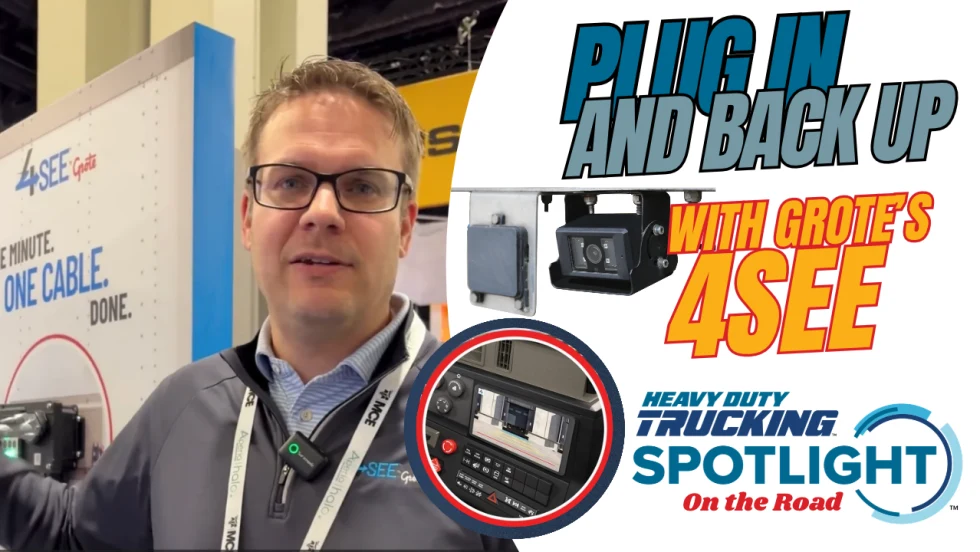
More Trailer Data Through the Same Seven-Way [Video]
Can trucking’s standard seven-way connector handle more cameras and trailer data? Grote’s Adam Slade shows HDT how the company is using new technology with its 4See trailer system, not only to add a new backup camera but also to expand other capabilities — without adding another connection.
Read More →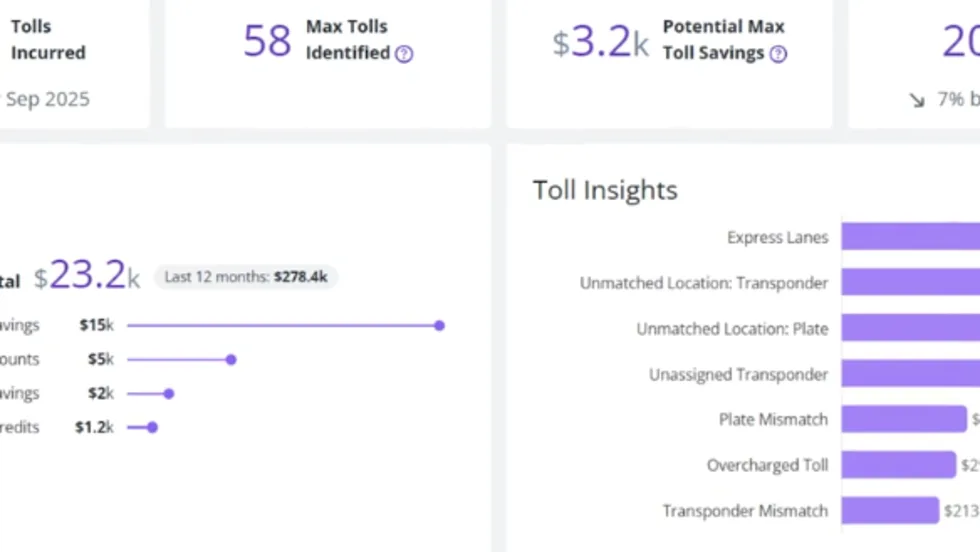
PrePass Intelligence Mines Fleet Bypass, Toll and Safety Data
PrePass Intelligence helps fleets measure bypass savings, flag potential toll overcharges, and spot suspicious transactions by combining data from separate systems.
Read More →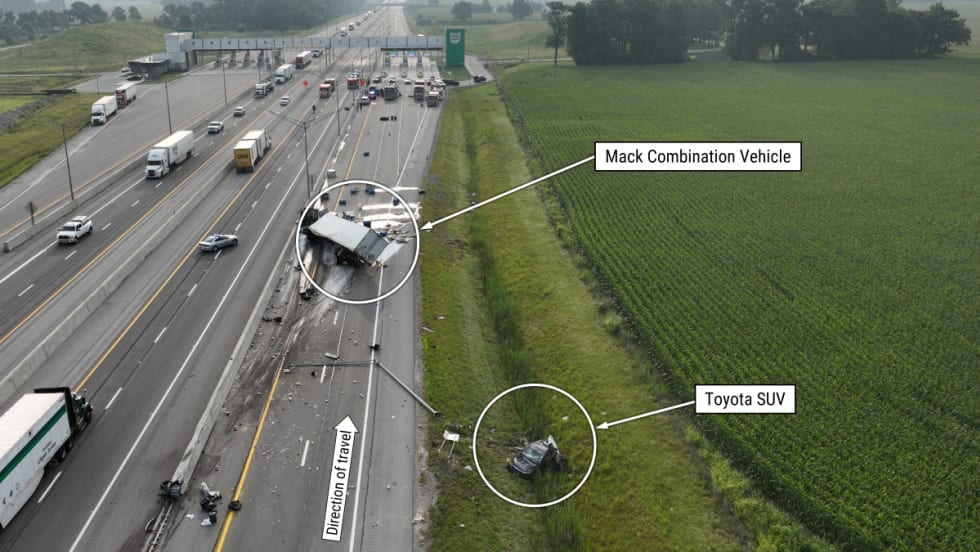
Fatal Crash Exposes Toll Plaza Risks
An NTSB investigation found that last-minute lane changes and large speed differences at an Ohio toll plaza created a hazard the truck driver couldn't avoid in time.
Read More →
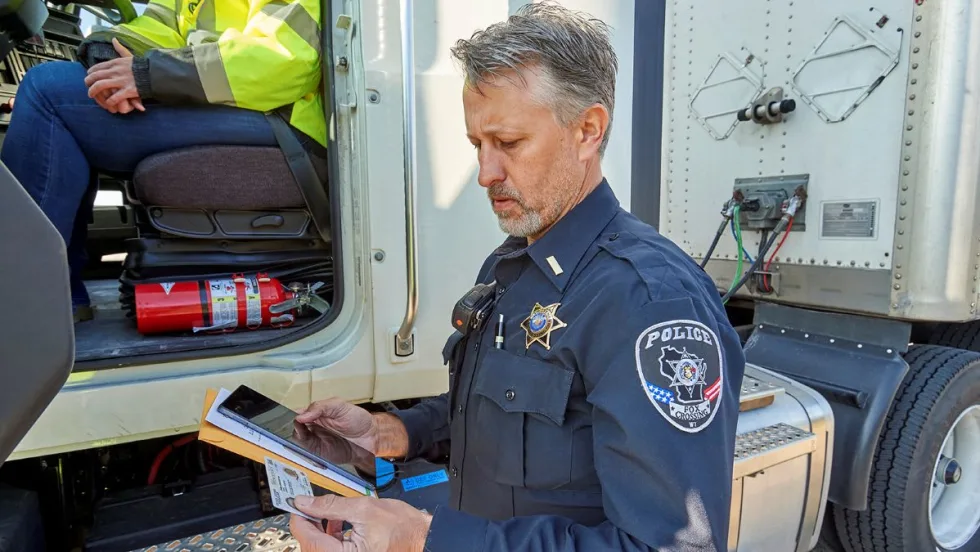
When Language Stops the Truck: The Return of ELP Out-of-Service Orders
English language proficiency rules for commercial drivers aren’t new, but renewed out-of-service enforcement has raised the stakes. Here’s what carriers need to know before a driver reaches a roadside inspection.
Read More →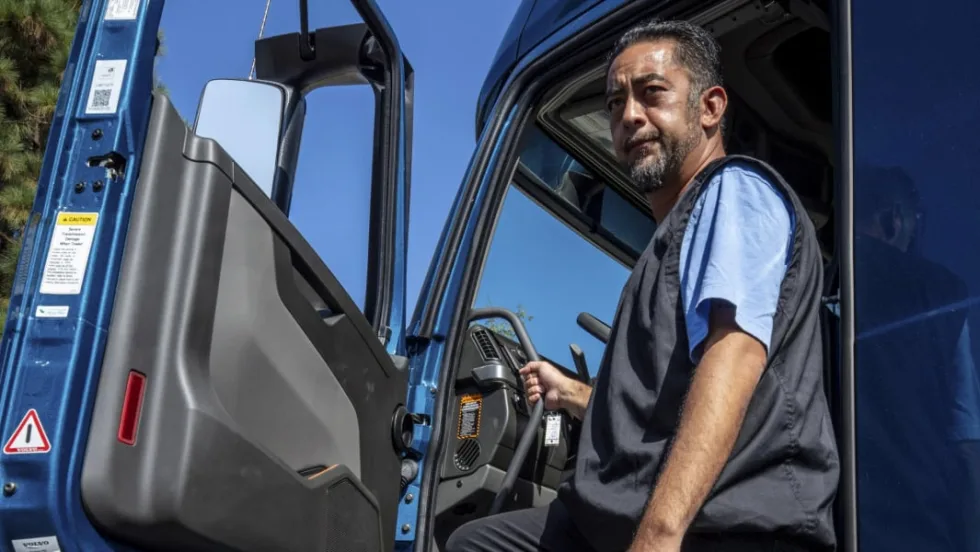
A Camera Isn't a Safety Program. Here's What Brokers Are Screening for Now
Footage alone may not be enough to pass broker vetting processes. Here's what counts as a defensible safety program now.
Read More →
Marijuana and Trucking’s Drug-Testing Dilemma
Marijuana is getting stronger, laws are changing, and drug tests still can’t reliably establish impairment. What does that mean for truck drivers and the fleets that employ them?
Read More →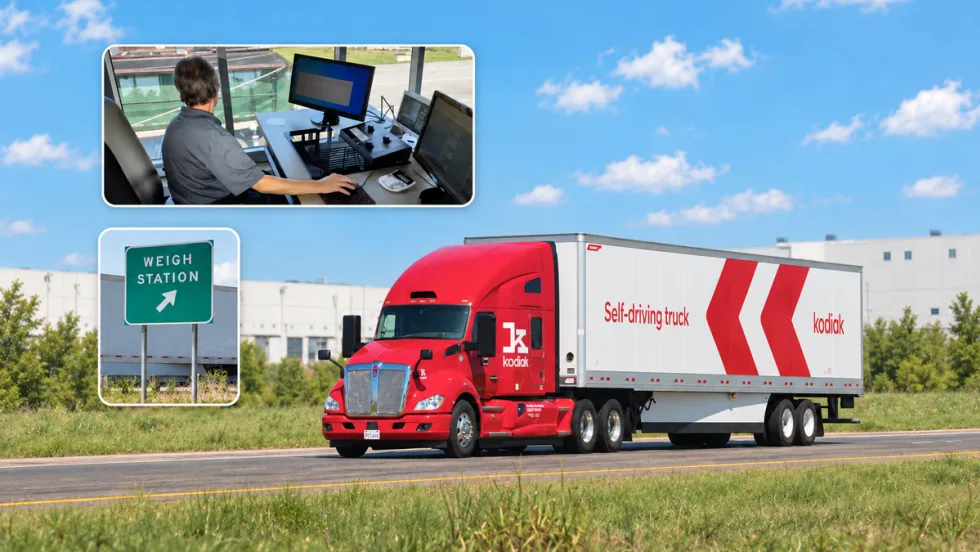
PrePass, Kodiak Connect Driverless Trucks to Roadside Enforcement
The system will allow enforcement agencies to verify Enhanced Inspection information and decide whether Kodiak’s autonomous trucks can bypass roadside screening sites.
Read More →
From One Generation to the Next: How Mentorship Builds Safer Truck Drivers
After three decades in trucking, Harold Perry shares what he's learned about driver safety, mentorship, and helping the next generation build confidence behind the wheel.
Read More →
FMCSA Pauses Biennial-Update Enforcement Amid Motus Transition
Carriers whose updates were due on or after June 1 have more time, while FMCSA works to stabilize its new registration system and warns of phishing sites impersonating its new carrier registration system, Motus.
Read More →
ZF Expands Commercial Vehicle Push in North America
ZF is expanding its North American commercial-vehicle presence with new transmission applications, electrification, trailer technology and autonomous-driving systems.
Read More →