




International Approves Renewable Diesel for S13 Powertrain
International’s S13 Integrated Powertrain has now been approved to run on renewable diesel fuel -- sustainable fuel that can directly replace traditional petroleum diesel.

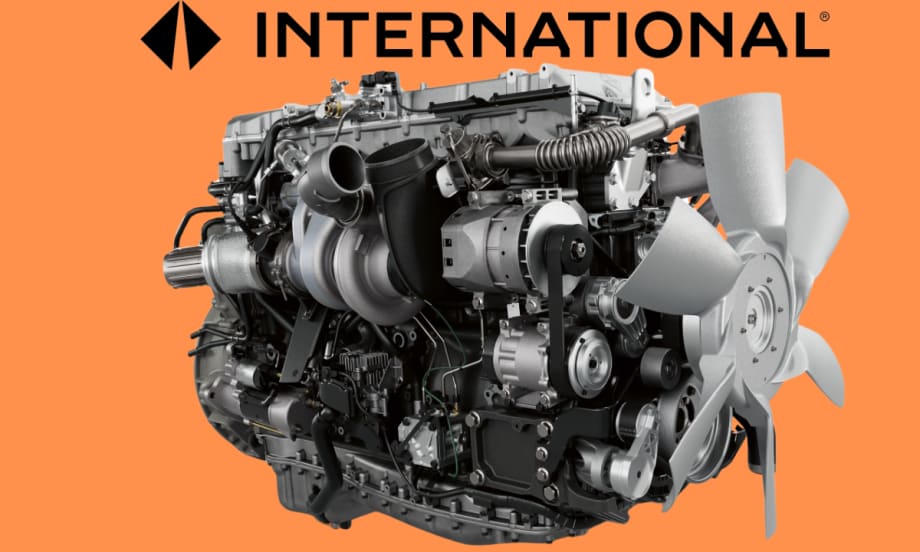
International has approved the use of renewable diesel fuel in its S13 Integrated Drivetrain.
Photo: International/Canva
International has issued certification and approval of the S13 Integrated Powertrain to be used with renewable diesel fuel, the OEM announced.
Renewable diesel is often referred to as R100/R99 or hydrotreated vegetable oil (HVO). International said the use of renewable diesel can support customers as they continue to take steps toward their zero-emissions goals.
A Step Toward Zero-Emission Trucking
"Given the industry's ambitious sustainability targets, International aims to provide customers with various options to support their unique carbon reduction goals," stated Chet Ciesielski, vice president, National Fleets and Truck Equipment Manufacturers. "Our mission at International is to accelerate the impact of sustainable mobility. However, there isn't a one-size-fits-all solution for every customer, so it is crucial that we offer incremental options to help them achieve their individual objectives."
Due to its similar chemical structure, renewable diesel is a sustainable fuel that can directly replace traditional petroleum diesel. Made from recycled vegetable oils, tallow, or used cooking oil, it marks a significant advancement in eco-friendly fuel technology.
Renewable diesel is produced through a hydrotreating process, where fats, oils, and agricultural waste are reacted under high pressure and temperature in the presence of a hydrogen catalyst. This process results in a cleaner-burning fuel that works seamlessly in existing S13 diesel engines while significantly reducing carbon emissions.
Superior Performance
Unlike biodiesel, R100 is a paraffinic fuel that does not have any oxygen compounds in it, according to International.
This allows the fuel to have better cold flow properties than biodiesel. In addition, its high Cetane number allows for a cleaner burn, making it a high-quality, low-carbon alternative to conventional diesel.
"Renewable diesel fuel meets the ASTM D975 Diesel Fuel Specification or the EN 15940 Paraffinic Diesel Fuel Specification, has better storage capabilities than biodiesel, and contains less sulfur and ash than petroleum-based diesel fuel which contribute to its lower tailpipe emissions and can be used by fleets as a tool to reach their sustainability goals," added Michael Noonan, vice president of Engineering, International.
The International S13 Integrated Powertrain, available in the International LT, RH, HX, and HV Series trucks.
International said the S13 is its most advanced, fuel-efficient, and streamlined powertrain.
It features capabilities of up to 515 hp and 1,850 lb-ft of torque. The S13 Integrated Powertrain includes an engine, T14-transmission, and aftertreatment system that are designed to work together seamlessly.
More Fuel Smarts

How Volvo Updated Its D13 for EPA 2027 [Watch]
Volvo’s updated D13 promises lower emissions without sacrificing performance or fuel economy. Take a closer look at what changed inside the engine in this HDT Spotlight video.
Read More →
Diesel Price Spike Shortens Payback for Natural Gas Trucks, Report Says
Energy Vision estimates fleets could recover the higher purchase price of an RNG-fueled Class 8 tractor in 1.3 to 2.8 years under current fuel-price scenarios.
Read More →
Calstart Becomes Catalyst Mobility, Reflecting Broader Focus
Calstart is now Catalyst Mobility, reflecting the nonprofit’s growing national role in clean transportation, including zero-emission trucks, infrastructure and incentive programs.
Read More →

Record Diesel Prices Squeeze Trucking Fleets
Average U.S. diesel prices have climbed to nearly $6 a gallon, surpassing the 2022 record as tight refinery capacity and Middle East disruptions keep fuel costs elevated.
Read More →
How Fuel Delivery Shapes Engine Performance
Fuel delivery depends on more than what happens at the injector. For fleet, maintenance and technical professionals, looking at the full path from pump to injector can provide useful context for understanding engine performance.
Read More →
East Coast Port Launches $45M Electric Truck Push
The Port Authority of New York and New Jersey announced millions in incentives for zero-emission drayage trucks, yard tractors, and new charging hubs near the port.
Read More →
California Bill Could Shed Light on Electric Truck Prices
Why do battery-electric Class 8 trucks remain so expensive? A California bill headed to Gov. Gavin Newsom would give fleets and state agencies more visibility into what manufacturers charge.
Read More →
Detroit Opens Orders for EPA 2027 Engines
Detroit isn’t starting from scratch to meet EPA 2027 diesel emissions standards. Its Gen 6 DD13 and DD15 engines keep much of today’s platform while updating the fuel and aftertreatment systems.
Read More →
Zero-Emission Truck Corridor Planned for West Coast
California, Oregon, Washington, British Columbia and Baja California are coordinating plans for truck charging and hydrogen fueling from Canada to Mexico.
Read More →
A Closer Look at Kenworth’s Electric T880E Vocational Truck [Video]
Learn more about Kenworth's T880E battery-electric vocational truck at the Paccar Technical Center, including its range, applications, upfitting considerations, and PTO options, in this HDT Spotlight video.
Read More →