




Why TTP is Suing the EPA to Embrace Biofuels for Heavy Trucks
In this opinion piece, Daniel Gage, president of the Transport Project, explains why the organization is suing the Environment Protection Agency in an effort to force it to embrace biofuel solutions for heavy-duty transport in Phase 3 Greenhouse Emissions Regulations.
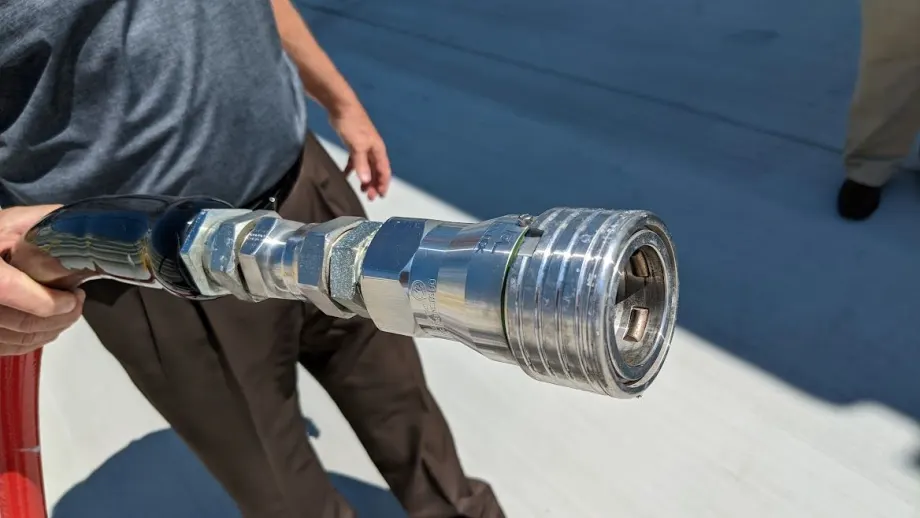
The E.P.A.'s Phase 3 Greenhouse Gas Emissions are essentially an "EV Mandate," argues TTP President Daniel Gage.
Photo: TTP
The founding of the Natural Gas Vehicle Coalition in the late 1980s coincided with the start of a new era for alternative fuels. Addressing energy security was a top priority, and Congress was preparing a major rewrite of the Clean Air Act.
In the three-plus decades since a lot has changed. Our organization – now known as The Transport Project – has actively partnered with U.S. Environmental Protection Agency policymakers and other federal regulators. We have worked closely with these agencies to advance the switch to cleaner, domestic transportation fuels.
The result: Deployment of hundreds of thousands of clean natural gas cars, trucks, and buses on America’s roadways, clearing the air of harmful criteria pollutants and decarbonizing commercial fleets.
But today, we are sadly suing the EPA. How did we get here?
Discarding RNG
The simple answer is new EPA mandates as they relate to on-road transportation are unrealistic and unimplementable. Moreover, they work against complementary science-based policies and initiatives that EPA itself is advancing
And it gets worse. After years of championing affordable conventional and renewable natural gas (RNG) to achieve dramatic emission reductions, EPA has soured on any vehicle without an electrical cord. The EPA’s Greenhouse Gas Emissions Standards for Heavy-Duty Vehicles – Phase 3 released in March effectively discards RNG and other biofuels as viable alternatives.
First the facts. Trucks and buses powered by RNG are 90 percent cleaner than the current cleanest diesel, delivering a zero-emission equivalent in terms of harmful criteria pollutants. For decarbonization efforts important to climate, RNG trucks can achieve a carbon-negative outcome.
And RNG trucks are proven, affordable, scalable, and on our roads today, delivering heavy-duty workloads that will be impractical to electrify.
Phase 3 GHG Rules: 'A De Facto EV Mandate'
Phase 3 defenders say the rule is not a mandate. They argue that it is technology-neutral and performance-based. And this, they say, allows each manufacturer to choose what set of emissions control technologies is best suited to meet the standards and the needs of their customers.
But this rule effectively places the federal government’s finger on the scale for battery electric to the detriment of any other solution.
Truck and engine makers must weigh unwieldy compliance requirements against market demand and real-world economics. They are forced to sell an increasingly larger share of battery electric or hydrogen fuel cell vehicles to meet tailpipe-specific GHG emission targets. And these targets are increasingly unachievable by internal combustion engines.
Phase 3 is a de-facto EV mandate.
And herein lies the contradiction. Through its Renewable Fuel Standard and Methane to Markets programs, EPA has advanced the role biofuels like RNG and biodiesel play in decarbonizing our nation’s emissions. The agency has incentivized their development and expanding their production.
But in the Phase 3 tailpipe rule, EPA blindly limits their end use and thus their ability to play a broader role.
For years, EPA has stated in rulemakings and proposals that life cycle emissions matter. And it is worth noting that reliable tools exist for evaluating full life cycle.
Yet the Phase 3 rule inexplicably ignores upstream emissions to focus solely on an antiquated tailpipe standard. And doing so allows EPA to promote electric vehicles over other equally beneficial solutions like biofuels.
EPA policy must engage all realistic, cost-effective, and available solutions. It is myopic to think that only one technology will solve the global climate issue.
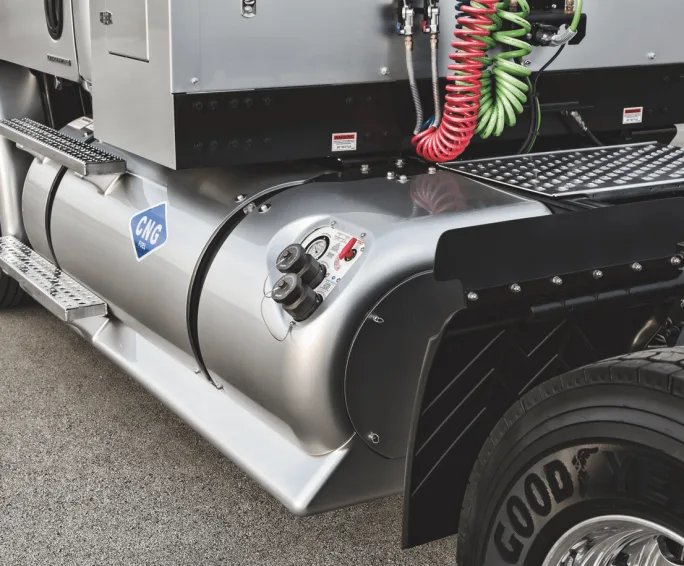
A central point in TTP's argument is that RNG trucks are proven, affordable, scalable, and on our roads today, delivering heavy-duty workloads that will be impractical to electrify.
Photo: TTP
Moving freight – everything we eat, wear, and use – involves high volumes and low margins. Cost matters. The ease of incorporating in new technologies matters. Upending existing operations and business models will not yield success.
The Transportation Project is Born
This past April, our organization transformed into The Transport Project (TTP). Our organization is a broad collective of industry drivers from every corner of the commercial transportation field. Our members include fleets and end users, vehicle dealers, servicers and suppliers, fuelers and fuel producers, and OEMs and engine manufacturers.
TTP fleet members deploy every on-road technology available, carefully considering duty cycle and range needs for each application.
We endorse an “all-of-the-above” set of clean freight technologies.
Why doesn’t EPA?
Daniel Gage is president of the The Transport Project. TTP (formerly the Natural Gas Vehicle Coalition) is a national coalition of roughly 200 fleets, vehicle and engine manufacturers and dealers, servicers and suppliers, and fuel producers and providers dedicated to the decarbonization of North America’s transportation sector. TTP believes gaseous motor fuels such as renewable natural gas and hydrogen deserve more attention in efforts to improve GHG emissions.
This contributed guest article was authored and edited according to Heavy Duty Trucking’s editorial standards and style to provide useful information to our readers. Opinions expressed may not reflect those of HDT.
More Blog Posts

Fragmented AI: Why Trucking Must Take Security More Seriously
As AI becomes embedded throughout transportation operations, the result can be a tech environment that looks more advanced on paper, but isn't necessarily more efficient, secure, or manageable in practice.
Read More →
We've Been Thinking About Truck Uptime Backward
The truck repair operations that minimize downtime aren’t necessarily the ones with the fastest technicians. They’re the ones who have the part.
Read More →
The Real Cost of Trailer Tires: Why It's Not Just a Maintenance Problem Anymore
Tire wear isn't random. The trucking fleet with a tire program that knows which trailers, positions, and routes are punishing tires the hardest is the one that buys fewer of them.
Read More →
A New Argument for Electrification: Managing Fuel Volatility
As oil prices surge amid Middle East conflict and a blocked Strait of Hormuz, fleets are feeling the squeeze in real time. In this guest column, Geotab's Neil Cawse argues electrification is no longer just about sustainability or ROI — it’s about insulating operations from what he calls a "volatility tax."
Read More →
The Time is Now to Expand Longer Combination Vehicles [Opinion]
The reauthorization of the federal highway bill offers a rare chance to advance double 53-foot LCVs. Industry leaders shouldn’t miss it, says a longtime trailer industry professional in this Guest Voices blog post.
Read More →
The Hidden Costs of 'Free' Smart Trailer Tech Installations [Commentary]
Free installation of smart trailer technologies may sound good on paper, but you could end up paying down the road.
Read More →
Protecting Small Trucking Fleets from Scammers: Lessons from the Insurance Frontlines
Hijacked DOT numbers, fake invoices, and high-tech cargo theft are on the rise. A veteran trucking insurance broker shares how to spot trouble early — and why a trusted advisor may be your strongest defense.
Read More →
Tire Retreading Makes Sense for Trucking Fleets. H.R. 3401 Could Make It Even Smarter.
Retreaded tires offer trucking fleets cost savings, sustainability gains, and supply chain security. New legislation, H.R. 3401, could make retreads even more attractive and support U.S. jobs.
Read More →
Hydrogen Fuel Cell Trucks Are Ready for the Long Haul. Now Policymakers Must Act
Accelerating the growth of hydrogen-fuel-cell-truck adoption would help make zero-emission trucking is not only possible, but practical and profitable, argues the Center for Transportation and the Environment in this Guest Voices blog.
Read More →
A New Definition for Long-Haul Heavy-Duty Trucking
Understanding the various routes that make up long haul is important as we move through trucking’s Messy Middle — a time when fleets have a variety of powertrain solutions to choose from, writes NACFE's Mike Roeth.
Read More →