





Another View:When Consumer Spending on Goods Produces No Freight
'Return to Normal' Economy Means Good News for Trucking
After the ups and downs of the Covid-19 pandemic and its aftermath, economic and industry numbers indicate that the industry is slowly getting “back to normal,” Bob Costello, American Trucking Associations chief economist, told attendees at ATA’s management conference in Nashville.
October 15, 2024
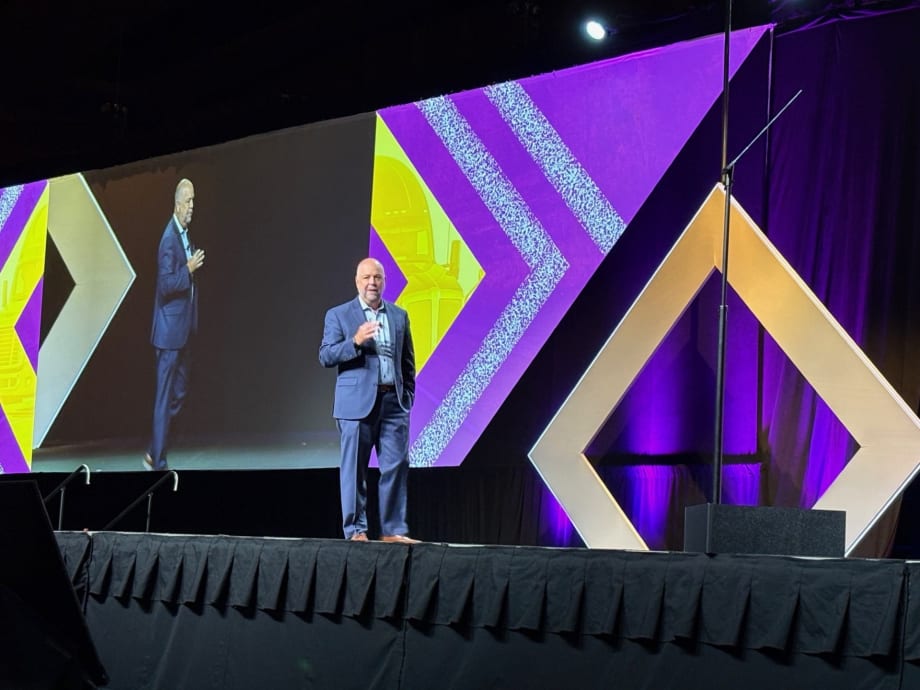
ATA Chief Economist Bob Costello expects 2025 to be better for trucking than 2024 -- although not a boom.
Photo: Deborah Lockridge
5 min to read
After the freight ups and downs of the Covid-19 pandemic and its aftermath, economic and industry numbers indicate that the industry is slowly getting “back to normal,” Bob Costello, American Trucking Associations chief economist, told attendees at ATA’s management conference in Nashville.
The growth of the U.S. economy is slowing, with the gross domestic product dropping to closer to the “normal” level of around 2%. The probability of a recession remains low. And, he said, with the slowing of growth that has driven high levels of inflation, the Fed will feel more comfortable dropping interest rates.
“The economy is slowing down, and while that may seem scary, the main drivers of truck freight are going to get no worse and in some cases could get a little bit better,” he said.
He admitted that at first blush that sounds counterintuitive, the idea that the slowing economy won’t mean slowing freight.
“How are we expected to get a little better if macro economy is slowing down back to normal? Remember, we didn’t partake in that,” Costello said. “We’ve been in a recession – over 60% of these numbers are services.”
The economic indicators, he said, show that the balance between goods and services is shifting back closer to normal. During the early days of the pandemic, that balance shifted to goods as people stayed home. Once things opened back up, consumers more than made up for that by shifting spending to services and experiences such as travel and concerts.
What the Economic Numbers Say
Costello outlined the following when it comes to the macro economy:
Factory activity: U.S manufacturing activity – or the lack of – has hurt truck freight volumes this year. It’s a major reason why freight hasn’t picked up. 2025 is forecasted to be better, but not overly strong.
Consumer behavior: Consumers have been spending a lot on experiences and services at the expense of goods, but the data is already showing that is going back to normal.
Housing and construction: Non residential construction has been strong, but housing has been really tough, as high interest rates have kept homebuyers out of the market.
The Fed: With inflation coming down, the Fed will continue to decrease interest rates at a moderate pace, he said. In fact, mortgage rates have already fallen somewhat. But keep in mind it takes a while to work through the economy.
GDP: "Normal” growth of the economy as measured by gross domestic product is around 2%, Costello said. We’ve been above that average, which has helped drive inflation, but it is coming back down. Costello predicts third quarter GDP to be around 2.8%, and after that he is expecting a return to GDP growing at about 2%.
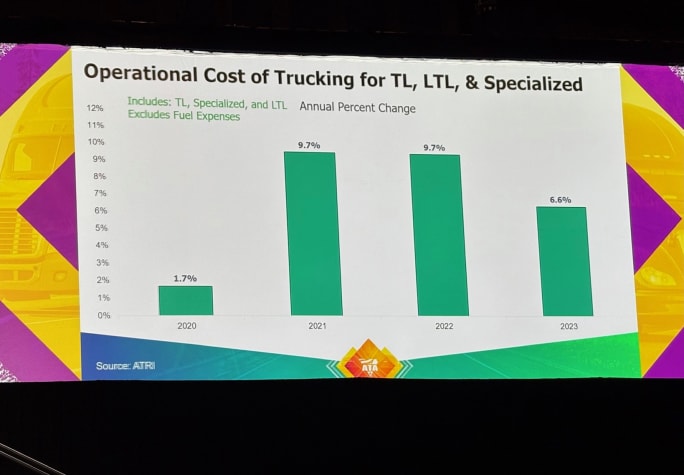
High operating costs combined with a freight recession have created stagflation for trucking fleets the past couple of years.
Photo: Deborah Lockridge
Truck Freight is Improving
“We do have indications that at least some parts of the truck freight sector are improving,” Costello said.
There are some indications that contract truckload freight is at or near a bottom. While spot market may be near a bottom, too, it has fallen significantly more than contract freight, a bad situation for fleets that get most of their freight in the traditional spot market.
The trucking industry has been hit with a recession and higher cost inflation at the same time. This "stagflation" will likely push more fleets under in the months ahead. Again, somewhat counterintuitively, he said, when the market starts to look up, some fleets that have been getting grace from their lenders on truck payments may lose that.
Fleets have worked hard to reduce costs, but some have likely gone too far in putting off maintenance, which could cost them dearly later. Others have been illegally using Mexican B-1 drivers to keep labor costs down, but ATA has been working with the federal government on that issue, and he said those fleets can expect a crackdown on this practice.
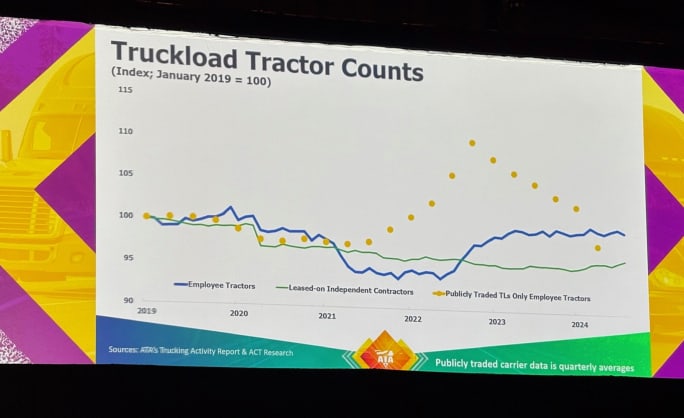
Costello looked at several metrics to show capacity trends. Large publicly traded motor carriers have been shrinking their fleets, and tractor counts are now actually below where they were in early 2019.
Photo: Deborah Lockridge
Supply (Capacity) Must Come Down
Freight demand is only one side of the supply-demand equation that drives rates. The other thing that has been keeping rates down is an abundance of supply, or overcapacity. There have been more trucks available to move freight, so shippers don’t need to pay as much.
“Supply in this industry is not an easy thing to measure,” Costello said. “We can look at companies, drivers, trucks, all of the above.
“At the end of the day, they are all pointing in the same direction, and that is supply has been coming down. We just haven’t felt it yet because demand hasn’t ticked up enough.”
Because costs to operate a trucking company have been high, Costello said, he believes that more supply will be coming out of the marketplace, based on some of the factors he outlined in talking about supply.
“I don’t enjoy saying this, that more companies need to fail,” Costello said. “But the fact of the matter is, you’re operating in a market economy, and when supply exceeds demand, you have to come into equilibrium or closer to it.”
Another supply/capacity factor, he said, is that during the pandemic boom when rates rose so much, “There is evidence that private fleets started to expand. One of the reasons freight hasn’t recovered as much is private fleets have taken some of the share -- which by the way has not happened in a long time.”
He believes that some of those private fleets may start experiencing more of the challenges faced by for-hire fleets, such as higher driver turnover, and could pull back on that expansion.
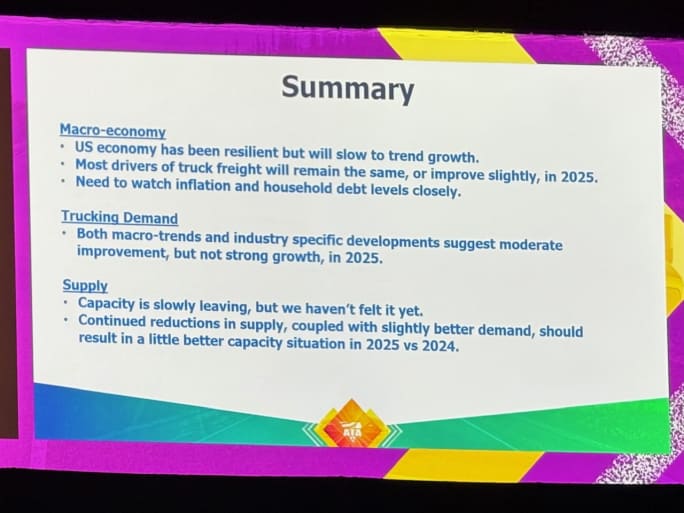
The main trends that ATA Chief Economist Bob Costello believes point to a slightly better 2025 for trucking.
Photo: Deborah Lockridge
A Trucking Economist's View on the Election
During the question and answer session, Costello answered a question about potential effects of the presidential election on the economy.
“As an economist, I will tell you that presidents get way too much credit and way too much blame for the economy,” he said.
“In the long run, just two things determine economic growth – population growth and productivity growth.”
Asked about the federal debt, Costello noted that politicians don’t like to talk about the national debt, “because the solution is no fun to tell constituents.”
You can’t fix it just with spending cuts, he said. “You would have to cut spending so much we’d be in a recession for years.”
On the other hand, he said, “you can’t fix it by only taxing the rich. It’s got to be a combination of the two.”
More Fleet Management
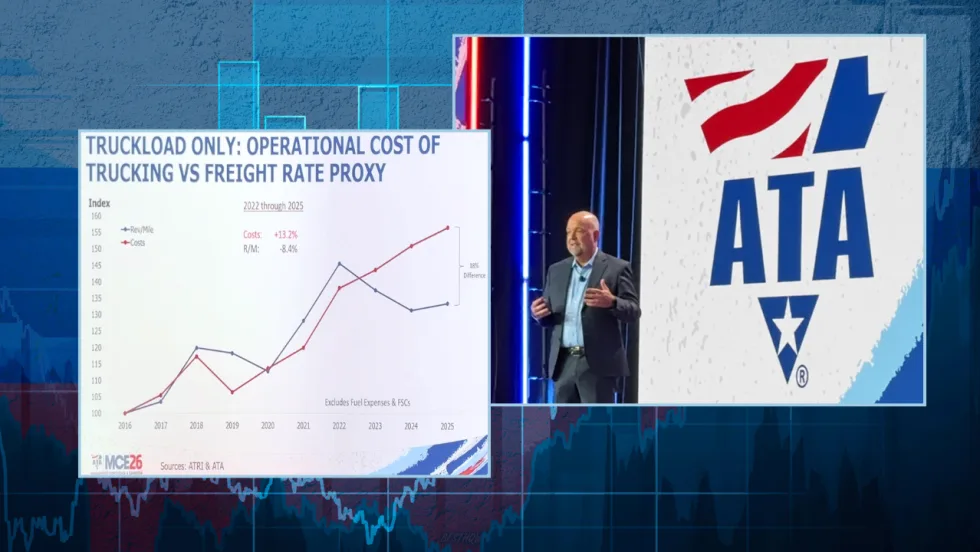
Why This Trucking Recovery Is Different
Freight demand remains sluggish, but rising costs and tougher enforcement have taken enough capacity out of the market to change the outlook for motor carriers.
Read More →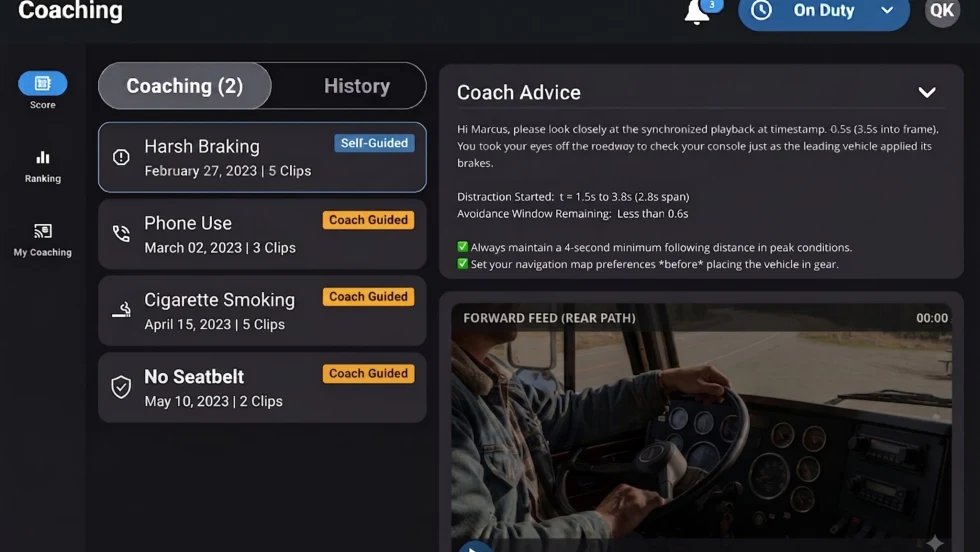
Platform Science Adds Dispatch and Safety Tools
Four additions to PS Fleet help fleets monitor loads, manage driver coaching, share truck locations and adjust video system settings.
Read More →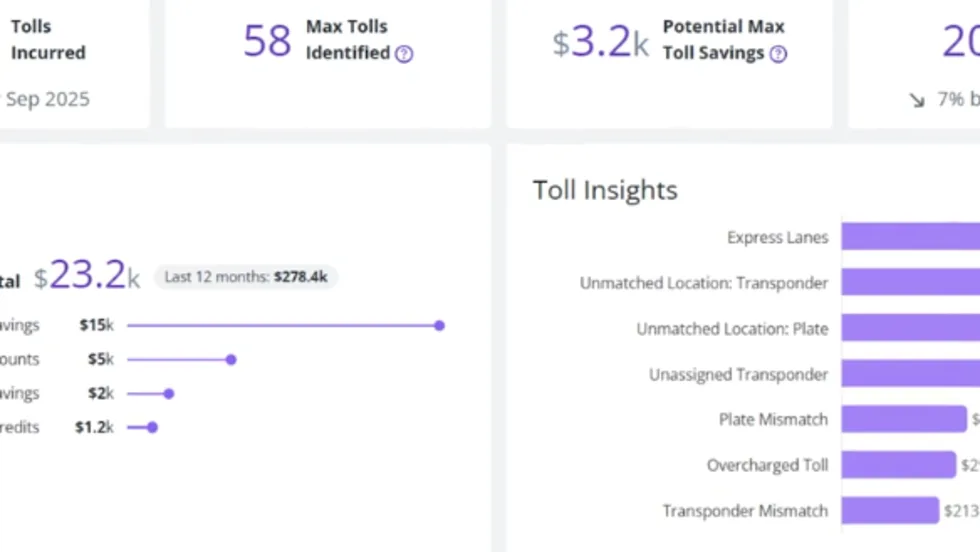
PrePass Intelligence Mines Fleet Bypass, Toll and Safety Data
PrePass Intelligence helps fleets measure bypass savings, flag potential toll overcharges, and spot suspicious transactions by combining data from separate systems.
Read More →
Motive Adds AI Agents for Fleet Operations
New tools automate follow-up on fleet data, from maintenance work orders to driver alerts, with two-way voice conversations planned for later this year.
Read More →
Can You Beat Our Trucking Trivia Challenge?
Test your truck knowledge with 19 trivia questions from Heavy Duty Trucking Exchange. Can you keep up with the fleet pros?
Read More →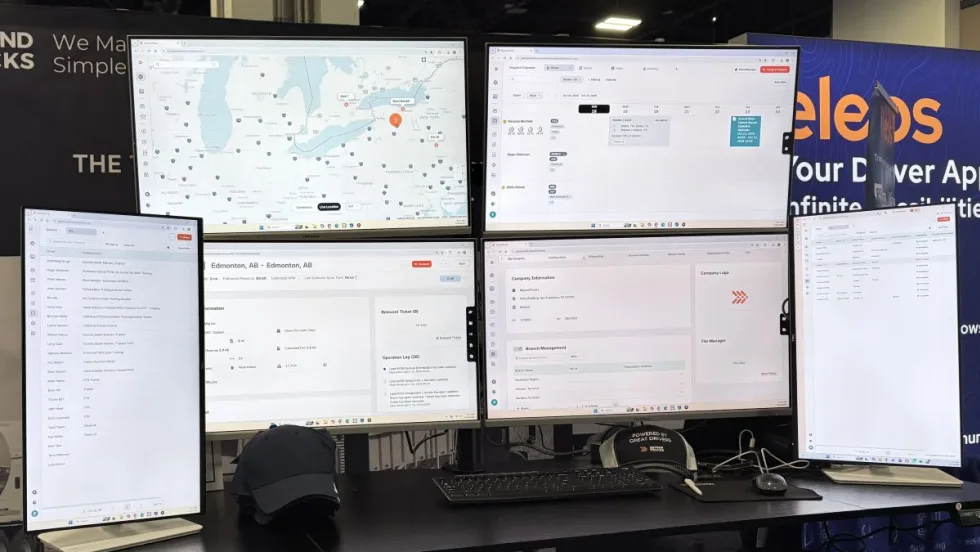
BeyondTrucks Adds Rules Checks to Dispatch
New Compatibility Engine checks driver qualifications, equipment requirements and fleet policies before loads are dispatched.
Read More →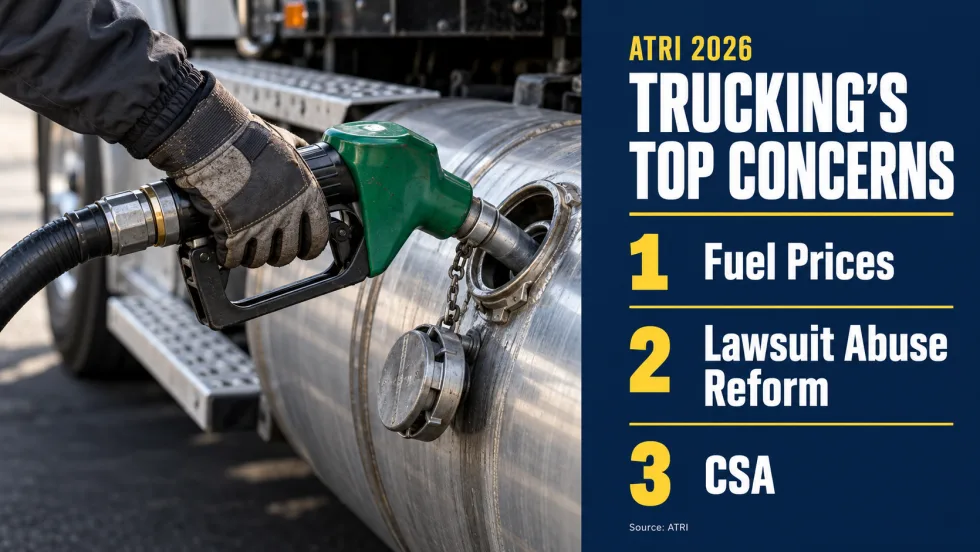
Diesel Prices Hijack Trucking’s Worry List
ATRI’s annual survey finds cautious optimism about freight, but diesel costs, litigation, and insurance continue to squeeze fleets. Drivers have different priorities on several issues.
Read More →
Nomination Deadline Extended for HDT Emerging Leaders
Just a few more days to nominate accomplished trucking fleet professionals under 40 who are making an impact and helping lead the industry forward for the HDT Emerging Leaders award. Deadline extended to October 20!
Read More →
What Will ATA’s New Leader Bring to Trucking's Table?
Incoming President and CEO Mark Colson’s record in Alabama offers clues about his priorities and approach following Chris Spear’s abrupt departure as the head of the American Trucking Associations.
Read More →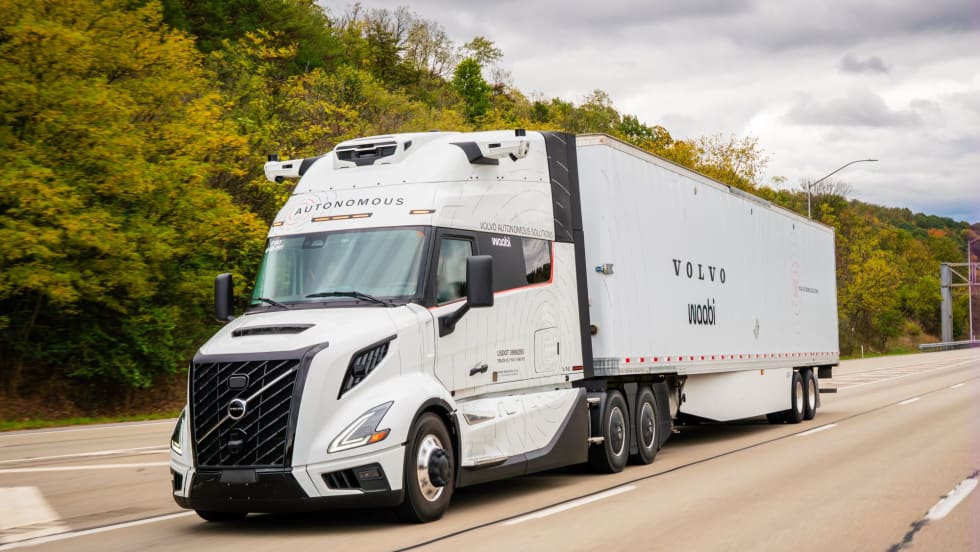
Volvo, Waabi Start Commercial Autonomous Operations in Texas
Volvo VNL Autonomous trucks, powered by the Waabi Driver, are hauling freight directly to third-party facilities for a customer in Texas.
Read More →