




Nikola Building ZF Safety Systems into FCEV Truck
ZF's automatic emergency braking and radar-based blind spot detection systems are making their North American debut in Nikola's hydrogen fuel-cell Class 8 truck.

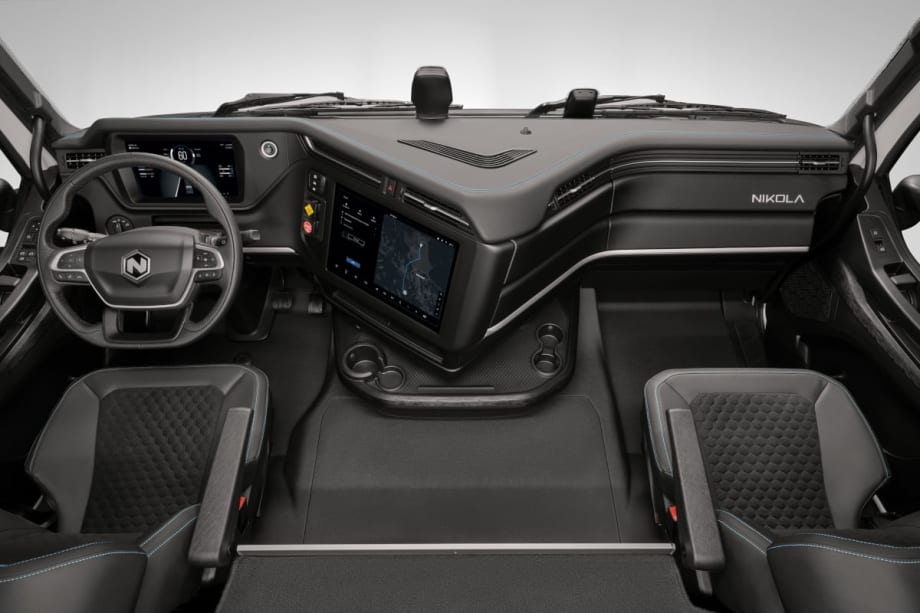
ZF safety systems will equipped in Nikola's hydrogen fuel-cell truck.
Photo: ZF
Nikola’s hydrogen fuel-cell electric truck will feature ZF’s automatic emergency braking and radar-based blind spot detection systems. ZF said this is the first application of these ZF driver-assistance technologies on a commercial vehicle for the North American market.
The Nikola hydrogen fuel-cell electric truck is now in production at its manufacturing facility in Coolidge, Arizona, and available at authorized dealerships.
Automatic Emergency Braking
ZF said OnGuardMax, the company’s most advanced automatic emergency braking system with autonomous functionality for commercial vehicles, is designed to assist drivers in recognizing and responding to possible dangerous traffic situations.
Data integration and a high-tech camera and radar suite help the system autonomously detect, classify, and react to moving and stationary objects such as pedestrians, vehicles, motorcycles, and bicycles.
The system warns the driver of obstructions in the vehicle’s immediate path and, if necessary, can automatically slow the vehicle down or bring it to a full stop. This advanced object detection and autonomous braking capability further enables the new ZF system to help avoid or mitigate accidents involving pedestrians, the company said.
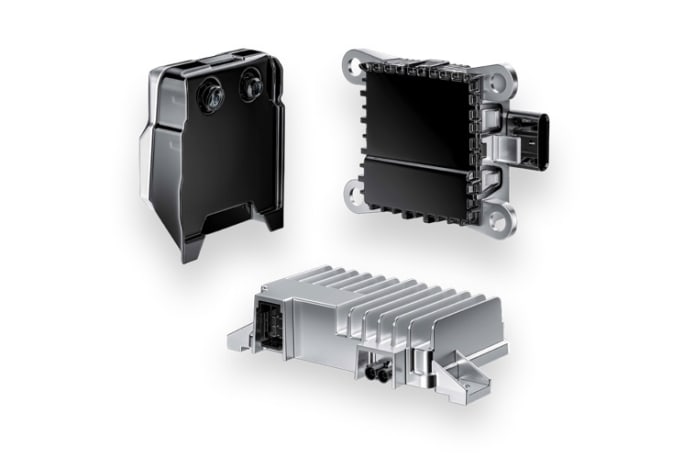
Shown are the components in ZF's OnGuardMax safety system.
Photo: ZF
Blind Spot Detection
ZF said OnSideAlert is a radar-based blind spot detection (BSD) system that continuously identifies a wide variety of stationary and moving objects in a vehicle’s blind spot. This technology, according to ZF, helps prevent or mitigate side collisions.
“Safety is of paramount importance to Nikola and our customers, and the ZF products, including the company’s driver-assistance technologies, integrate well into our Class 8 hydrogen fuel cell electric truck platform,” said Pedro Garcia, global head of product development, Nikola.
Nikola’s hydrogen fuel-cell electric truck features a range of up to 500 miles. ZF said it is expected to be among the longest ranges of all commercially available Class 8 zero tailpipe emission trucks. Applications range from drayage and intermodal to metro-regional truckload, less-than-truckload, and certain specialized hauling use cases.
More Equipment

Detroit Opens Orders for EPA 2027 Engines
Detroit isn’t starting from scratch to meet EPA 2027 diesel emissions standards. Its Gen 6 DD13 and DD15 engines keep much of today’s platform while updating the fuel and aftertreatment systems.
Read More →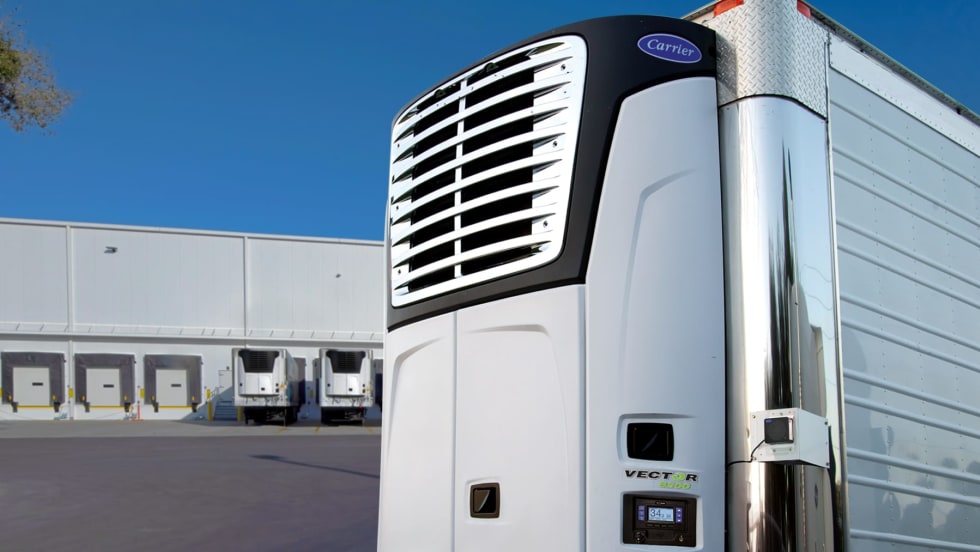
Carrier Transicold Adds All-Electric TRU for Stationary Cold Storage
Carrier Transicold’s new Vector 8200 all-electric transport refrigeration unit gives fleets a diesel-free option for temporary refrigerated and frozen trailer storage.
Read More →
A Closer Look at Kenworth’s Electric T880E Vocational Truck [Video]
Learn more about Kenworth's T880E battery-electric vocational truck at the Paccar Technical Center, including its range, applications, upfitting considerations, and PTO options, in this HDT Spotlight video.
Read More →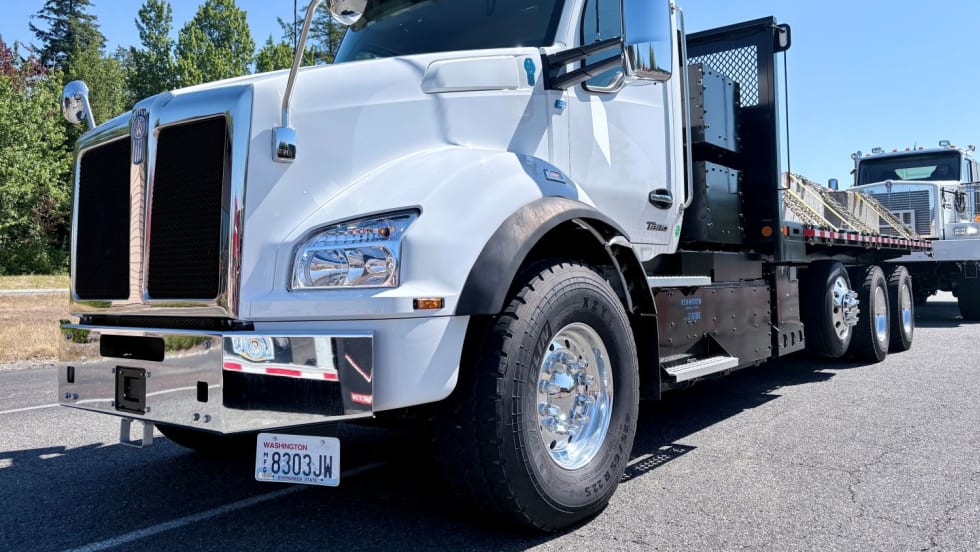
Kenworth T880E Brings EV Power to Vocational Trucks
A closer look at the Kenworth T880E’s range, charging, powertrain and upfit options — and where fleets are showing the most interest.
Read More →
What the U.S.-Canada Trade War Means for Trucking
Escalating U.S.-Canada tariffs could disrupt cross-border freight, reduce truck volumes, raise costs, and create new uncertainty for carriers on both sides of the border.
Read More →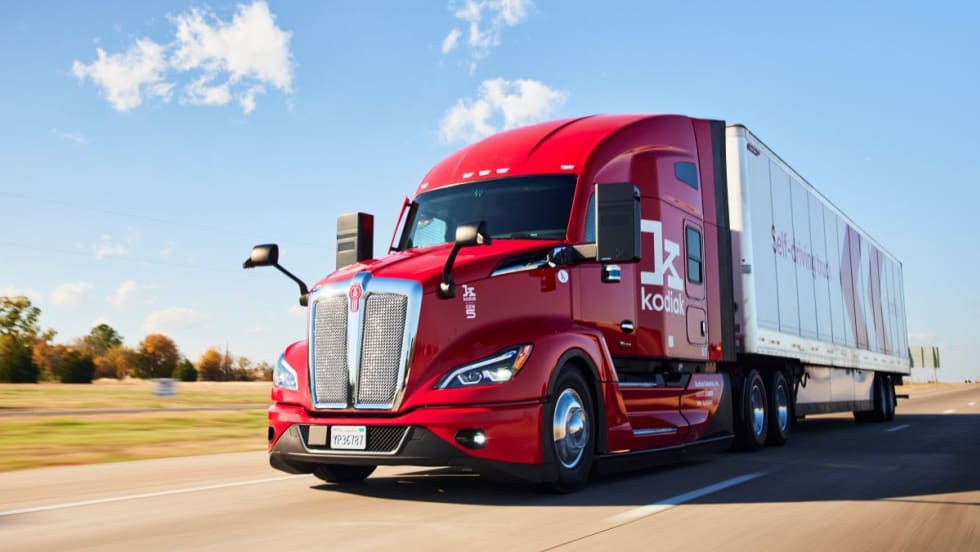
Autonomous Truck Testing Moves Ahead in California as Teamsters Challenge Rules
California has begun permitting heavy-duty autonomous truck testing, with Aurora and Kodiak among the first to receive approval, as the Teamsters sue the DMV over the new regulations.
Read More →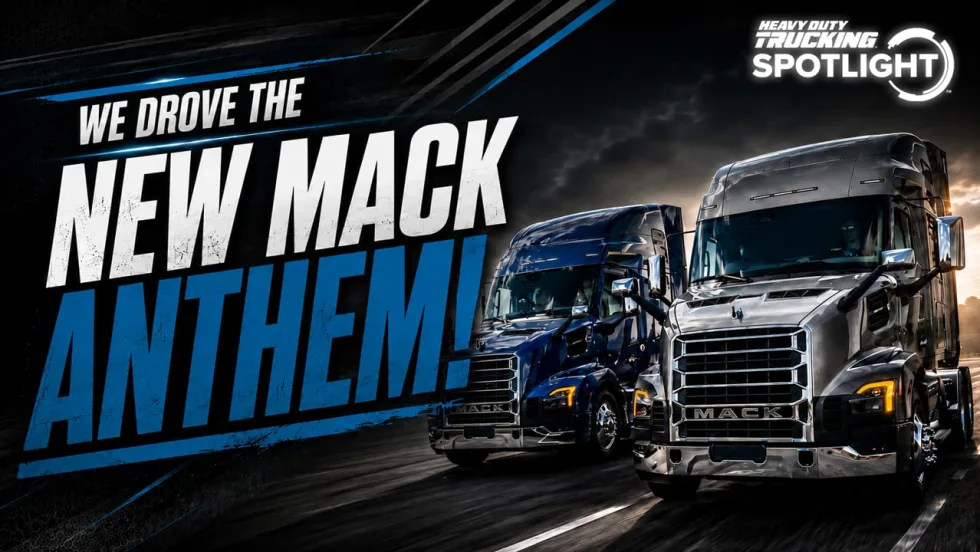
Behind the Wheel of the New Mack Anthem [Video]
HDT takes the new Mack Anthem around Mack’s Pennsylvania test track to see how its driver-focused design, technology, visibility and handling perform from behind the wheel.
Read More →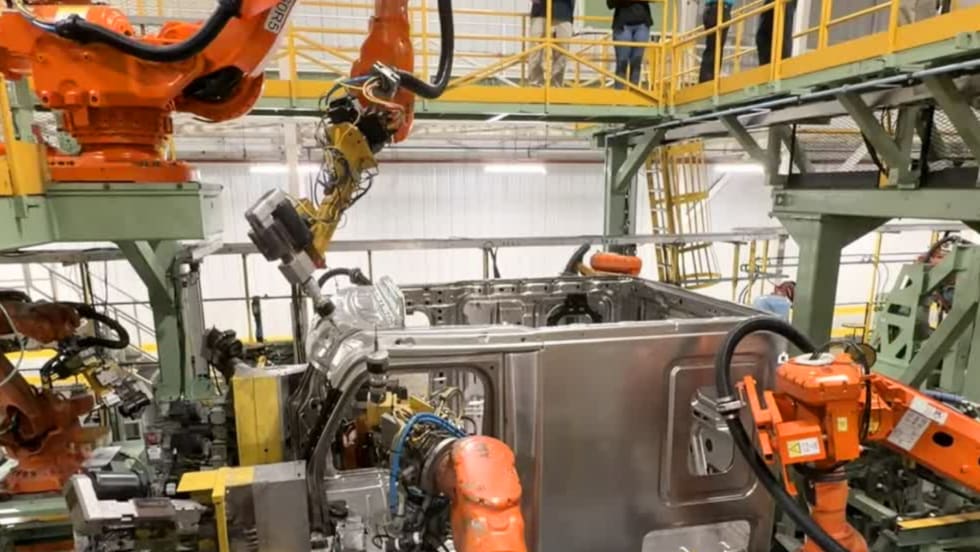
DTNA Plans New U.S. Truck Plant as Manufacturing Footprint Shifts
Daimler Truck North America is evaluating sites for a new assembly plant expected to open in 2029 while winding down operations at its longtime Portland manufacturing facility.
Read More →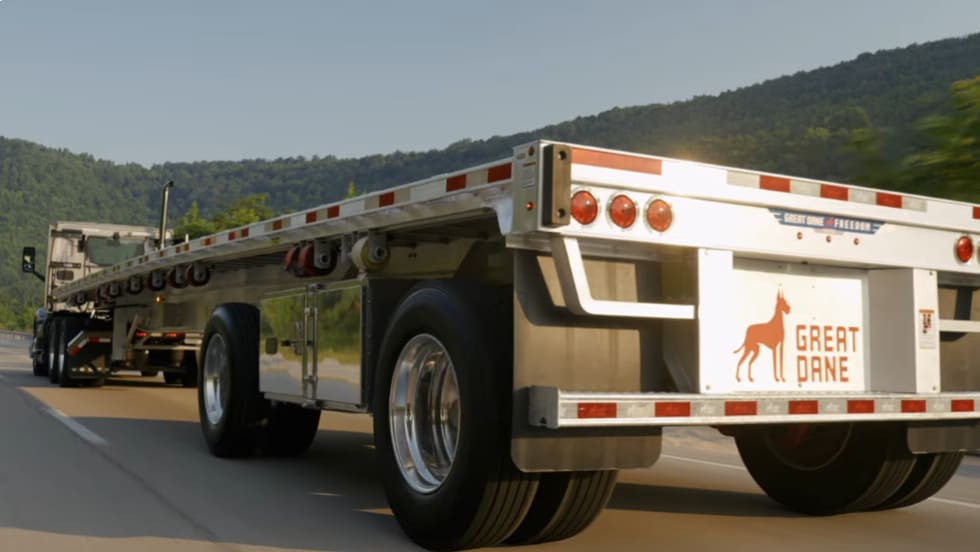
Great Dane Flatbed Trailer Offers Light Weight and Strength
Freedom Ultra is designed for a wide range of open-deck applications, including building materials, lumber, machinery, steel products, industrial freight, and coil hauling.
Read More →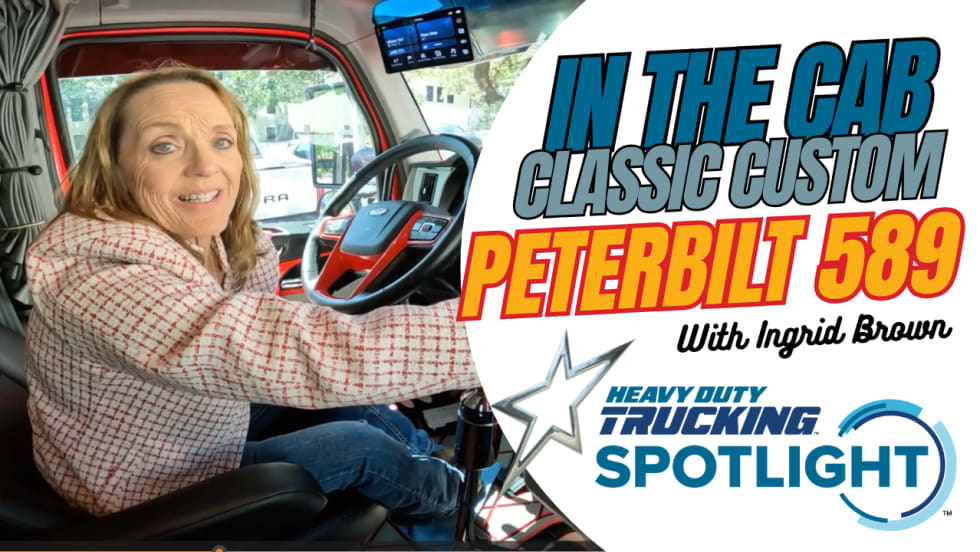
What It's Like Inside this Custom 2025 Peterbilt 589?
Take a driver's-eye tour of this customized 2025 Peterbilt 589 in this video, as longtime driver Ingrid Brown explains its features, compares it to previous models, and shares plenty of personality along the way.
Read More →