




Volvo Buying Proterra EV Battery Business
Volvo Group is paying $210 million to buy the Proterra Powered business unit, which has provided battery technology, drivetrains, vehicle electrification and e-mobility technology to vehicle makers. as part Proterra's Chapter 11 bankruptcy proceedings.

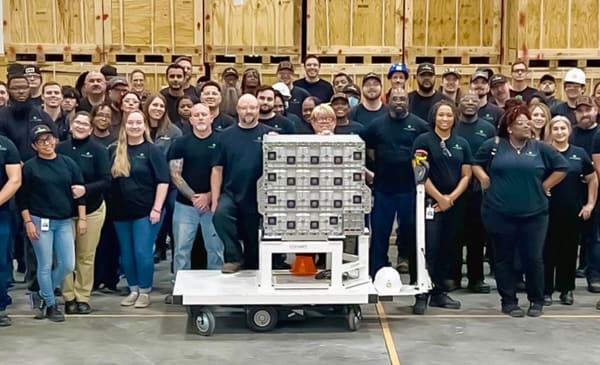
Proterra produced the first Proterra Powered EV battery at its South Carolina manufacturing plant in January.
Photo: Proterra (file photo)
Volvo Group is buying the Proterra Powered business unit as part of the voluntary Chapter 11 bankruptcy proceedings of Proterra Inc. and Proterra Operating Company Inc. Volvo was the winning bidder in an auction for a price of $210 million.
Proterra voluntarily filed for Chapter 11 bankruptcy in August, saying that market and macroeconomic headwinds had affected its ability to scale all of its opportunities simultaneously — which included vehicle and equipment electrification for OEMs, zero-emission transit buses, and charging solutions.
When announcing its bankruptcy, Proterra said it planned to sharpen its focus as a supplier of EV battery technology — the Proterra Powered business, which has offered battery technology, drivetrains, vehicle electrification and e-mobility technology to vehicle makers.
The assets to be acquired include a development center for battery modules and packs in California and an assembly factory in South Carolina.
Proterra produced the first Proterra Powered EV battery at its new Powered 1 battery manufacturing plant located in Greer, South Carolina, in January. This high purpose-built, high-volume battery production plant was built with plans to have multiple gigawatt hours of annual production capacity.
Greer is a little more than 200 miles away from Dublin, Virginia, where Volvo Trucks North America's New River Valley Assembly Plant is, and where it makes the Volvo VNR Electric.
The acquisition will complement Volvo’s current battery-electric road map, according to the company, and accelerate its zero-emissions future. Closing of the transaction is expected in early 2024.
Accelerating Volvo's ZEV Strategy
Alastair Hayfield, senior research director at market intelligence firm Interact Analysis, pointed out that Volvo Group has aggressively pursued an electrification strategy across all lines of its business.
“This acquisition makes perfect sense as it will enable Volvo to 'go faster' with its electrification strategy and give it a battery manufacturing facility to support its U.S. operations,” he said in an email. “What is not clear is whether Proterra's agreements with other OEMs will remain.”
Proterra battery technology powers more than 20 commercial vehicle applications, from Class 3 cargo vans up to Class 8 semi-trucks, as well as off-highway equipment in the U.S., European, and Asia-Pacific markets.
The transaction between Proterra Inc. and Proterra Operating Company as sellers and Volvo is subject to approval by the bankruptcy court in the U.S. Closing also will be subject to merger clearance and certain other conditions.
More Fuel Smarts
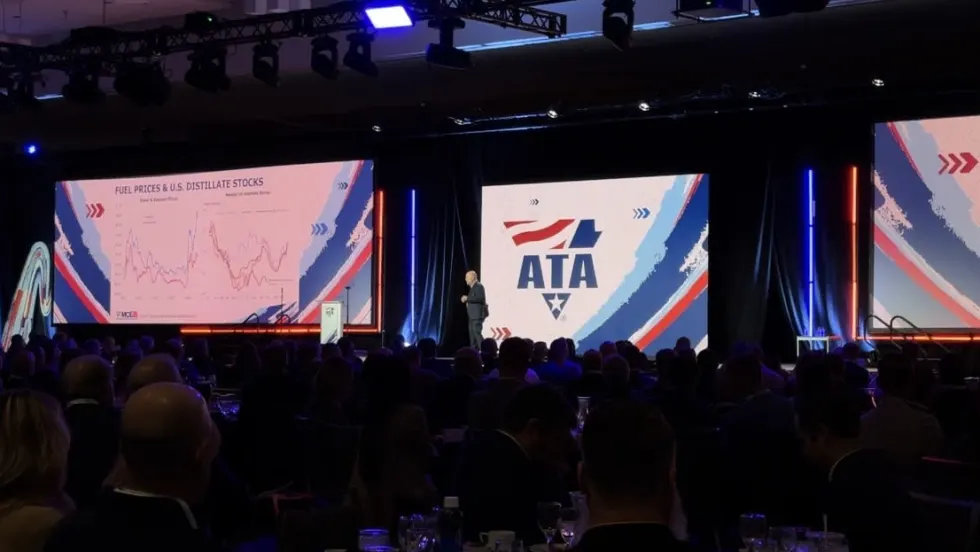
Trucking’s Diesel Squeeze Isn’t Letting Up
With diesel topping $6 a gallon nationally, ATA's Bob Costello explains why fleets should prepare for continued pressure at the pump.
Read More →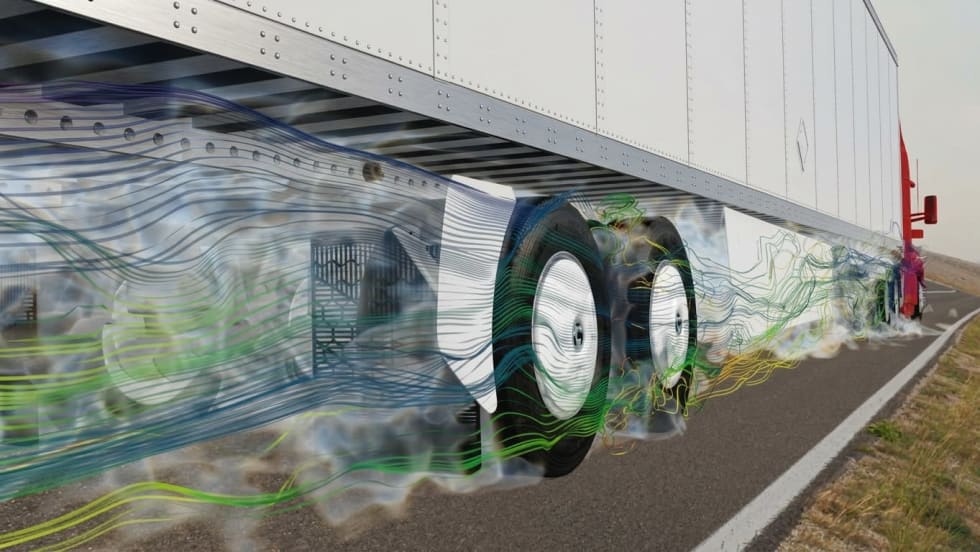
FlowBelow Redesigns Trailer AeroSlider to Cut Fuel Use
The lighter trailer aerodynamic system installs in less than 45 minutes, according to the company, with potential payback in under a year depending on fuel prices and trailer mileage.
Read More →
Why Diesel Price Relief Efforts May Fall Short
Diesel prices have eased from September’s record high, but doubts about additional Russian supply and limits on dyed-diesel tax relief mean trucking fleets still face expensive fuel. And prices could go higher.
Read More →
Why Small Fuel Savings Matter in Trucking
Can better fuel economy help pay for driver raises? In this podcast, GP Transco explains how small efficiency gains create room to reinvest in its people.
Read More →
How GP Transco Cuts Trucking Fuel Costs, a Tenth of a Gallon at a Time
What’s another tenth of a mile per gallon worth? GP Transco shares how equipment upgrades and driver coaching turn small gains into meaningful fuel savings.
Read More →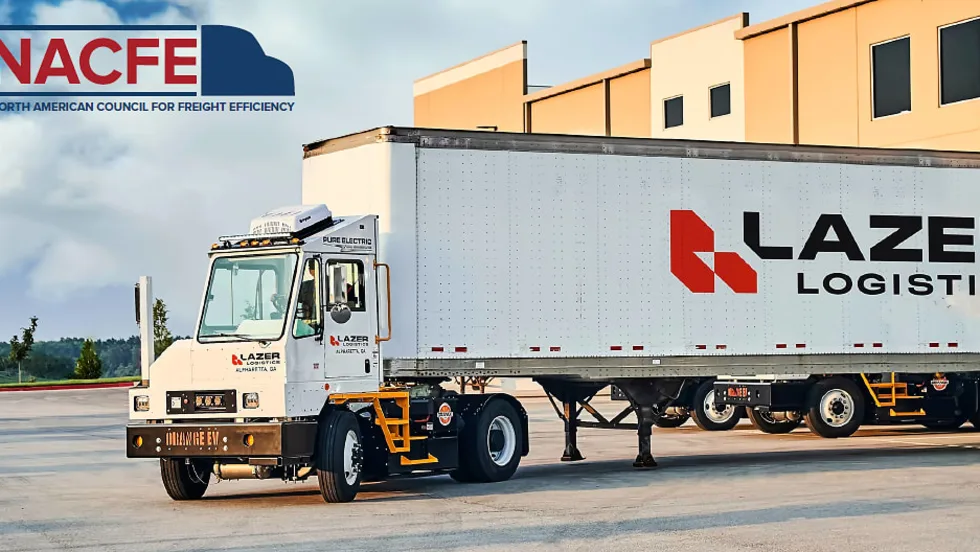
Electric Yard Tractors Move Beyond Pilots
Operating-cost savings have overtaken sustainability goals as the leading reason surveyed fleets are adopting battery-electric terminal tractors, according to new NACFE research.
Read More →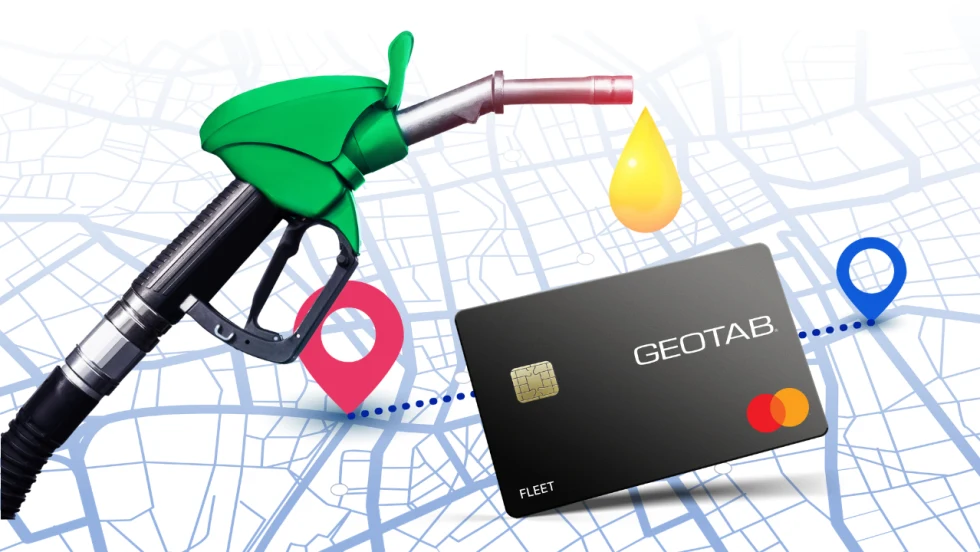
Geotab Links Fleet Card to Vehicle Data
The new card combines fuel discounts with telematics-based purchase controls. Geotab’s analysis also points to potential savings from choosing lower-priced fuel stops.
Read More →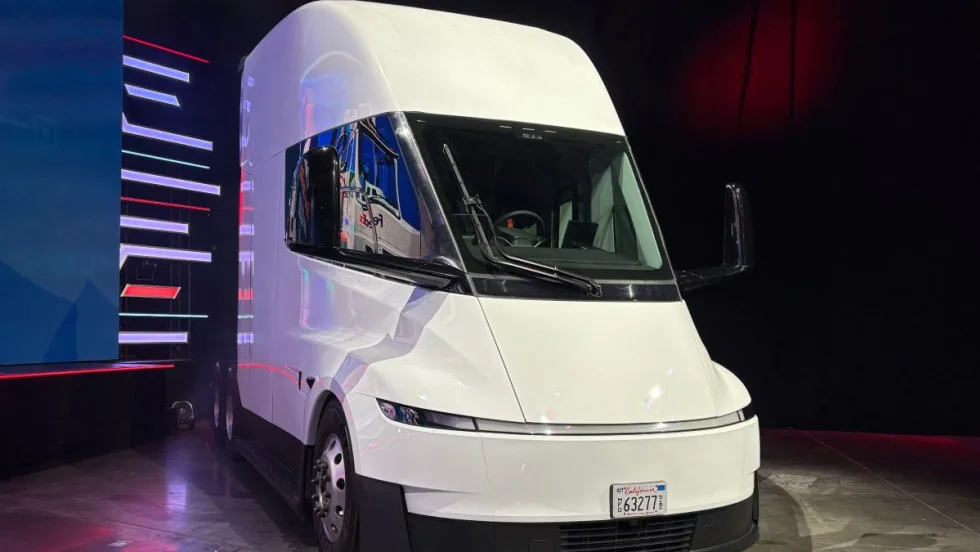
Fleet Economics Shape Electric Truck Outlook
ACT Research expects costs, charging infrastructure, and technology improvements to drive zero-emission commercial vehicle adoption as federal regulations and incentives retreat.
Read More →
Wex Adds Cardless Fuel Payments for Over-the-Road Customers
A new fuel card feature for Wex customers offers convenience and security.
Read More →
New California Law Could Shed Light on Electric Truck Prices
Why do battery-electric Class 8 trucks remain so expensive? A California bill signed by Gov. Gavin Newsom would give fleets and state agencies more visibility into what manufacturers charge.
Read More →