




Feds Looking to Add Fentanyl to Drug Testing Table
The U.S. Department of Health and Human Services wants public comment on adding fentanyl to the Urine and Oral Fluid Analyte Table, which would affect DOT drug testing for truck drivers and other safety-sensitive workers.

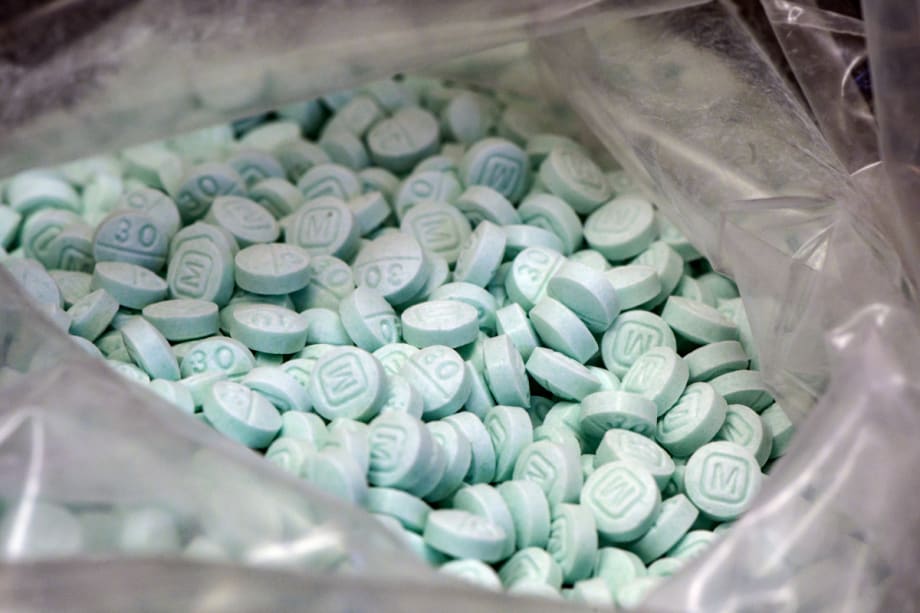
The Substance Abuse and Mental Health Services Administration is considering adding fentanyl to the Urine and Oral Fluid Analyte Table, which could impact workplace drug testing.
Photo: DEA
The Substance Abuse and Mental Health Services Administration within the Department of Health and Human Services, is asking for input on the Mandatory Guidelines for Federal Workplace Testing Programs and possible updates to the Urine and Oral Fluid Analyte Table to include fentanyl.
SAMHSA published a notice in the Federal Register announcing that its Center for Substance Abuse Prevention’s Drug Testing Advisory Board will convene via web conference on Dec. 5, and the board will be discussing adding fentanyl to the analyte table.
The Department of Transportation must follow the HHS scientific guidelines for DOT-regulated drug testing laboratory procedures, so participants in the DOT transportation industry drug testing program should be aware HHS is considering this issue.
Any change to the HHS analyte table may affect the DOT testing program under 49 CFR Part 40, but only after DOT conducts its own rulemaking.
Why HHS Wants to Add Fentanyl to Drug Testing
In its proposal, the agency explained that fentanyl accounts for a large proportion of overdose deaths in the United States and is increasingly used as a stand-alone substance of abuse. According to the National Forensic Laboratory Information System 2021 report, fentanyl was the fourth most frequently identified drug and accounted for nearly 12% of all drugs reported by forensic laboratories.
The Trucking Cares Foundation, the charitable arm of the American Trucking Associations, recently donated $25,000 to Voices for Awareness, a national organization aimed at raising awareness of the dangers of illicit fentanyl in the U.S.
“The epidemic of deadly fentanyl is having a devastating effect on individuals, families, and communities," said TCF Chairman Phil Byrd. "The Trucking Cares Foundation is determined to raise awareness about this growing crisis and recognize elected officials who are shaping our government’s response."
How to Comment
SAMHSA is requesting public comment on the recommendation of adding fentanyl/norfentanyl (along with their proposed testing cutoffs) to its analyte table.
Comments can be submitted prior to the DTAB meeting, during the DTAB meeting, and up to 30 days after the DTAB meeting, but no later than January 4, 2024.
Written comments regarding the addition of fentanyl to the HHS analyte table can be submitted via e-mail to: DFWP@samhsa.hhs.gov.
More Safety & Compliance

More Trailer Data Through the Same Seven-Way [Video]
Can trucking’s standard seven-way connector handle more cameras and trailer data? Grote’s Adam Slade shows HDT how the company is using new technology with its 4See trailer system, not only to add a new backup camera but also to expand other capabilities — without adding another connection.
Read More →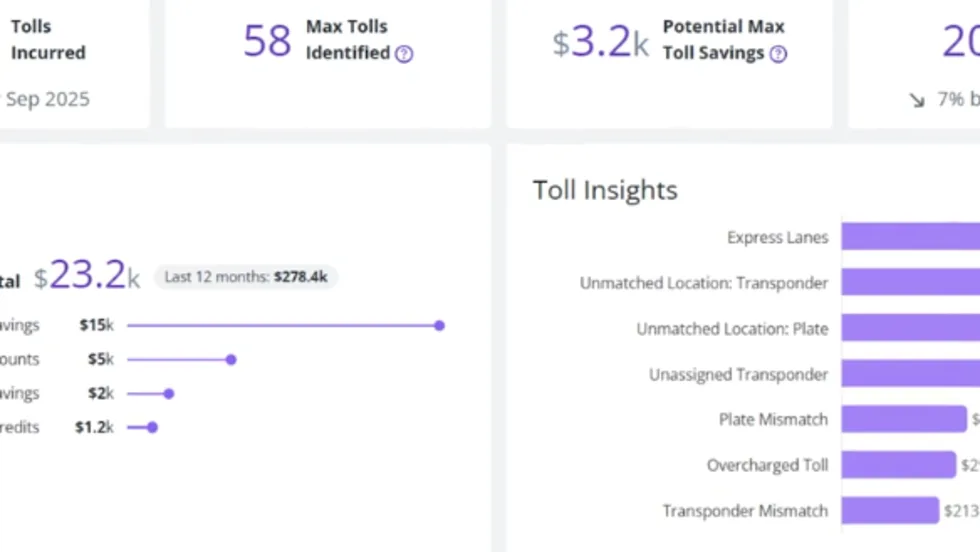
PrePass Intelligence Mines Fleet Bypass, Toll and Safety Data
PrePass Intelligence helps fleets measure bypass savings, flag potential toll overcharges, and spot suspicious transactions by combining data from separate systems.
Read More →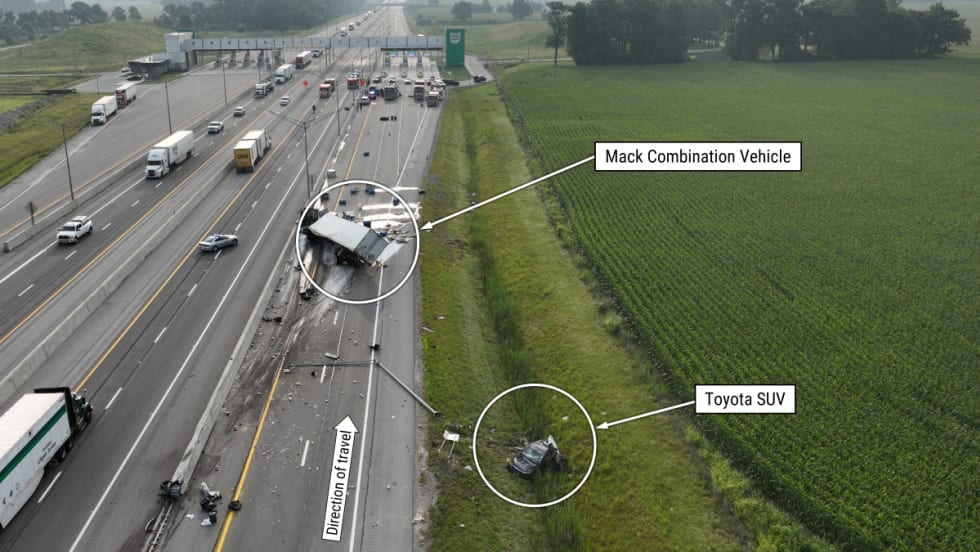
Fatal Crash Exposes Toll Plaza Risks
An NTSB investigation found that last-minute lane changes and large speed differences at an Ohio toll plaza created a hazard the truck driver couldn't avoid in time.
Read More →

When Language Stops the Truck: The Return of ELP Out-of-Service Orders
English language proficiency rules for commercial drivers aren’t new, but renewed out-of-service enforcement has raised the stakes. Here’s what carriers need to know before a driver reaches a roadside inspection.
Read More →
A Camera Isn't a Safety Program. Here's What Brokers Are Screening for Now
Footage alone may not be enough to pass broker vetting processes. Here's what counts as a defensible safety program now.
Read More →
Marijuana and Trucking’s Drug-Testing Dilemma
Marijuana is getting stronger, laws are changing, and drug tests still can’t reliably establish impairment. What does that mean for truck drivers and the fleets that employ them?
Read More →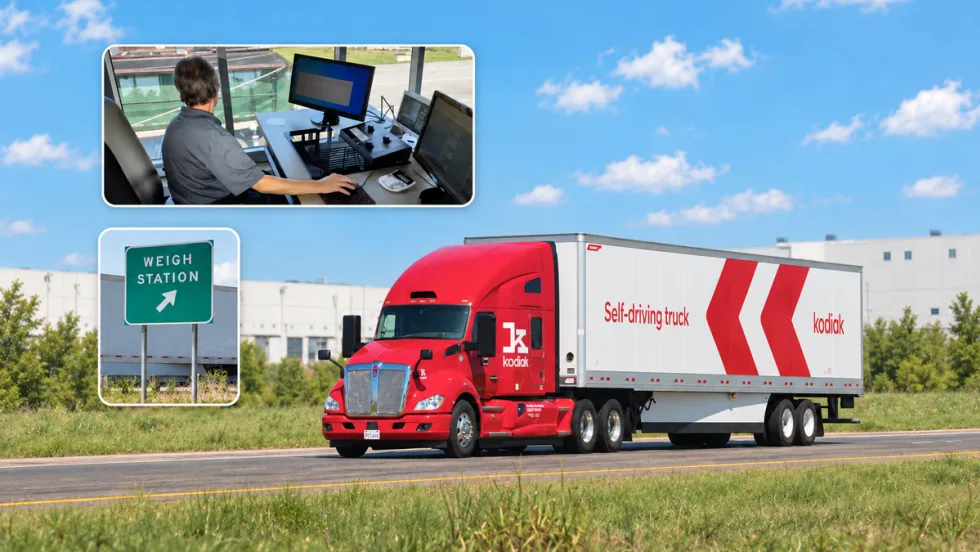
PrePass, Kodiak Connect Driverless Trucks to Roadside Enforcement
The system will allow enforcement agencies to verify Enhanced Inspection information and decide whether Kodiak’s autonomous trucks can bypass roadside screening sites.
Read More →
From One Generation to the Next: How Mentorship Builds Safer Truck Drivers
After three decades in trucking, Harold Perry shares what he's learned about driver safety, mentorship, and helping the next generation build confidence behind the wheel.
Read More →
FMCSA Pauses Biennial-Update Enforcement Amid Motus Transition
Carriers whose updates were due on or after June 1 have more time, while FMCSA works to stabilize its new registration system and warns of phishing sites impersonating its new carrier registration system, Motus.
Read More →
ZF Expands Commercial Vehicle Push in North America
ZF is expanding its North American commercial-vehicle presence with new transmission applications, electrification, trailer technology and autonomous-driving systems.
Read More →