





How Autonomous Trucks Could Transform Middle Mile Deliveries
Tyson Foods, Gatik Deploying Class 7 Autonomous Trucks
Tyson Foods and Gatik announced a joint project aimed at putting autonomous trucks to work hauling refrigerated products in Arkansas.
September 6, 2023
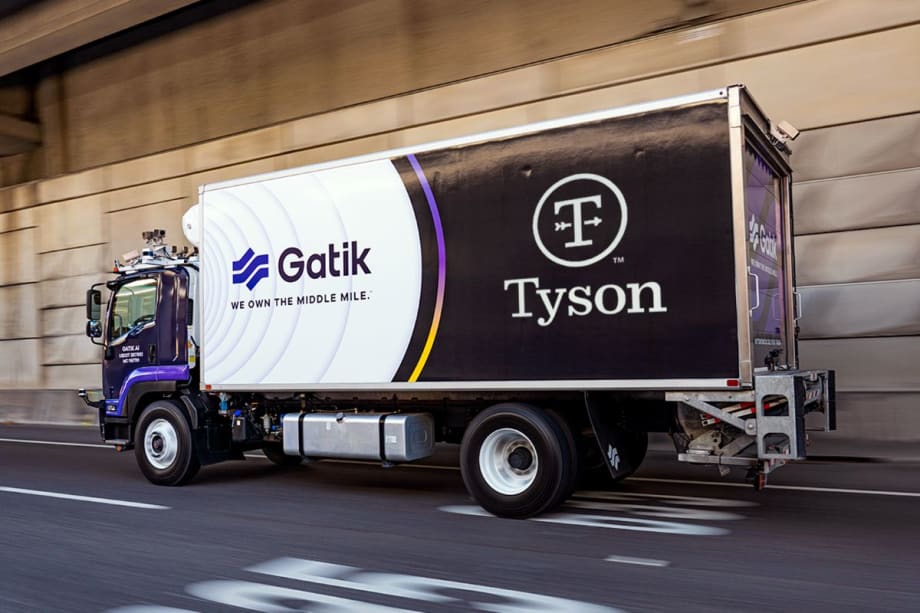
Tyson Foods will begin running autonomous middle-mile logistics in Arkansas using Gatik self-driving technology focused on short-haul operations.
Photo: Gatik
3 min to read
Tyson Foods and Gatik AI announced a multi-year collaboration to deploy autonomous refrigerated box trucks on Tyson routes in Northwest Arkansas.
Gatik is an autonomous technology developer focused on middle-mile logistics. Its trucks are equipped with multiple sensors, custom-designed for short-haul B2B operations.
The two will work together to autonomously deliver Tyson’s frozen protein products to distribution and storage facilities around Northwest Arkansas. Gatik’s fleet will move fresh and frozen Tyson, Jimmy Dean and BallPark food products from a Tyson food processing plant to multiple cold-storage facilities, including Tyson’s own distribution center, where products are organized for final distribution to Tyson’s customers.
The project will deploy autonomous trucks operating 18 hours a day delivering products to distribution and storage facilities in the Rogers and Springdale, Arkansas, areas. A safety driver will initially be present in the cab to monitor the autonomous system and take command of operating the truck if required.
Moving into Heavier-Duty Trucks
This is the first time Gatik is introducing Class 7 autonomous box trucks into its fleet, offering increased delivery capacity.
The company also pointed out that the Tyson deal takes Gatik beyond retailers, grocers, distributors, and e-commerce companies, integrating into the supply chain of the world’s largest consumer packaged goods companies.
The deployment will introduce Gatik trucks equipped with commercial-grade autonomous technology to the Tyson supply chain, operating on predetermined short-haul, repeated routes.
In a press release, Gatik noted that in the midst of an ongoing nationwide truck driver shortage, autonomous trucks are “an innovative and safe way to free up drivers for other transportation positions while ensuring continuous supply chain reliability.”
Additionally, Gatik said, research shows that autonomous trucks operate with increased efficiency and sustainability, leading to reduced emissions and enhanced fuel economy.
A High-Frequency Approach to Goods Movement
The collaboration will include multiple Gatik trucks, with the potential for future expansion. The autonomous trucks are equipped with a 26-foot temperature-controlled box purpose-built to transport refrigerated and frozen goods.
The benefits of Gatik’s autonomous middle mile solution are expected to provide Tyson Foods with increased asset utilization within its short-haul logistics network, assist with inventory objectives, and support "a transition to a more responsive, high-frequency approach to goods movement," according to the announcement.
“At Tyson Foods we are innovating and using automation throughout our business, including transportation,” said Patrick Simmons, vice president of transportation for Tyson Foods. “Working with Gatik allows us to strategically place our drivers where they are needed most while still reliably and safely transporting protein from the plant to distribution centers.”
Gatik CEO and co-founder Gautam Narang added, “At a time when market conditions for traditional transportation networks are leading to increasingly fine margins, our partnership with Tyson is poised to drive long-term innovation and supply chain resiliency while delivering tangible, near-term value.”
The Tyson Foods deal intensifies Gatik's operations in Arkansas, having become the first autonomous trucking company to operate driver-out in Arkansas in 2021.
More Fleet Management
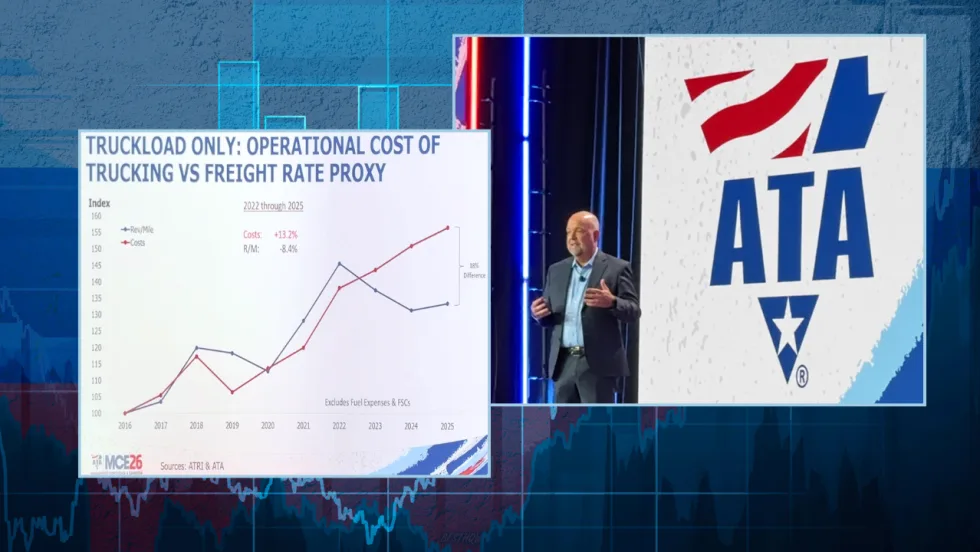
Why This Trucking Recovery Is Different
Freight demand remains sluggish, but rising costs and tougher enforcement have taken enough capacity out of the market to change the outlook for motor carriers.
Read More →
Platform Science Adds Dispatch and Safety Tools
Four additions to PS Fleet help fleets monitor loads, manage driver coaching, share truck locations and adjust video system settings.
Read More →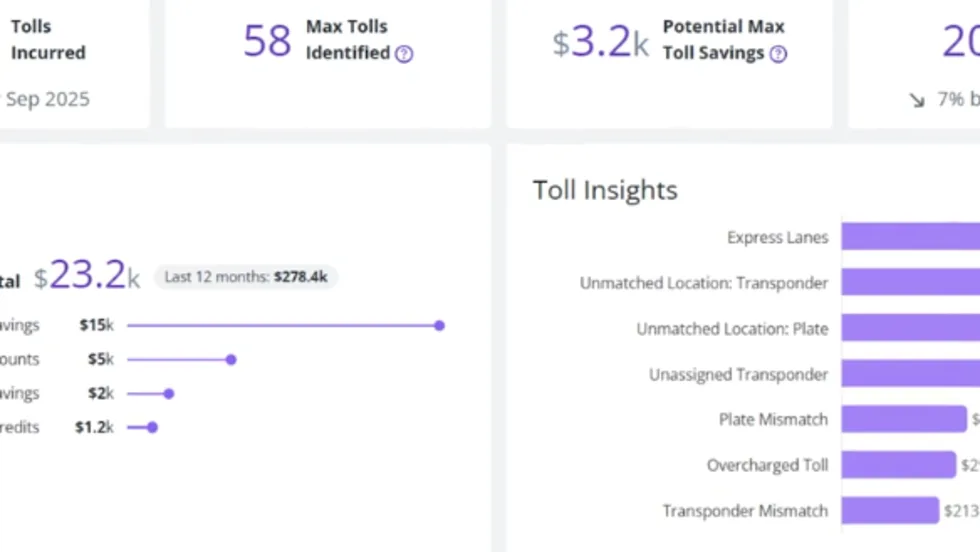
PrePass Intelligence Mines Fleet Bypass, Toll and Safety Data
PrePass Intelligence helps fleets measure bypass savings, flag potential toll overcharges, and spot suspicious transactions by combining data from separate systems.
Read More →
Motive Adds AI Agents for Fleet Operations
New tools automate follow-up on fleet data, from maintenance work orders to driver alerts, with two-way voice conversations planned for later this year.
Read More →
Can You Beat Our Trucking Trivia Challenge?
Test your truck knowledge with 19 trivia questions from Heavy Duty Trucking Exchange. Can you keep up with the fleet pros?
Read More →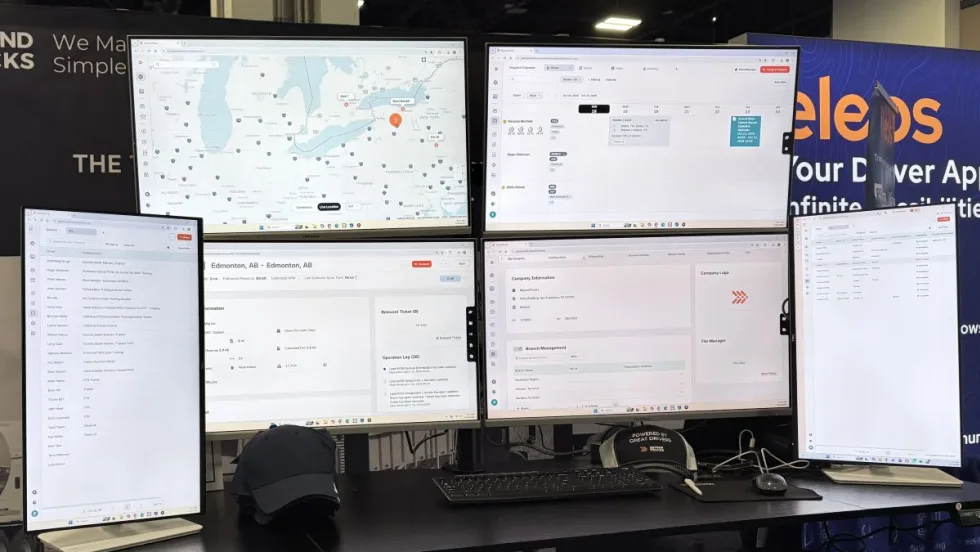
BeyondTrucks Adds Rules Checks to Dispatch
New Compatibility Engine checks driver qualifications, equipment requirements and fleet policies before loads are dispatched.
Read More →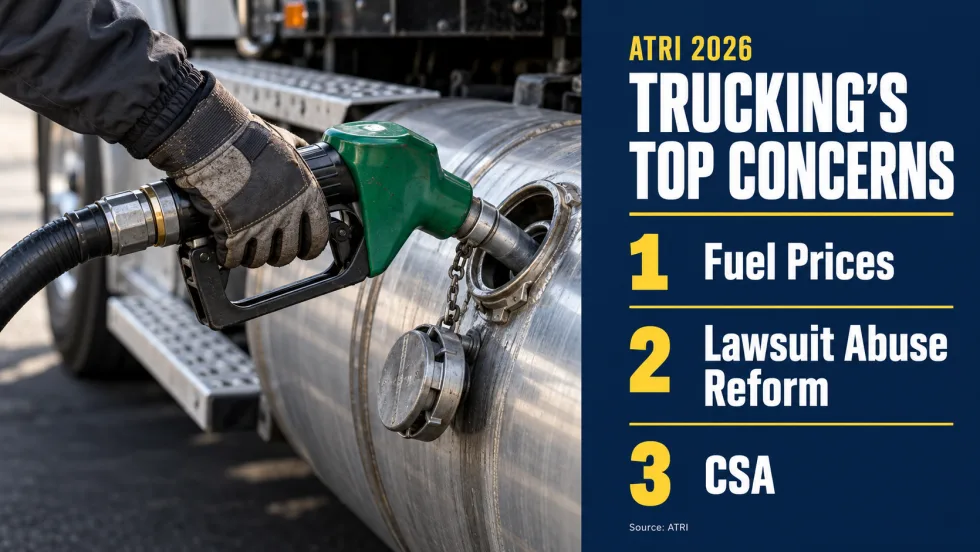
Diesel Prices Hijack Trucking’s Worry List
ATRI’s annual survey finds cautious optimism about freight, but diesel costs, litigation, and insurance continue to squeeze fleets. Drivers have different priorities on several issues.
Read More →
Nomination Deadline Extended for HDT Emerging Leaders
Just a few more days to nominate accomplished trucking fleet professionals under 40 who are making an impact and helping lead the industry forward for the HDT Emerging Leaders award. Deadline extended to October 20!
Read More →
What Will ATA’s New Leader Bring to Trucking's Table?
Incoming President and CEO Mark Colson’s record in Alabama offers clues about his priorities and approach following Chris Spear’s abrupt departure as the head of the American Trucking Associations.
Read More →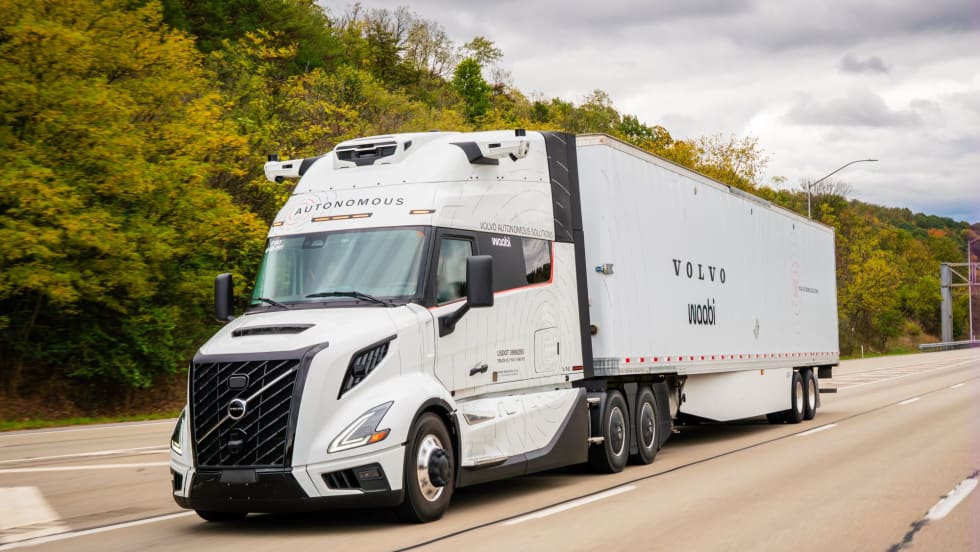
Volvo, Waabi Start Commercial Autonomous Operations in Texas
Volvo VNL Autonomous trucks, powered by the Waabi Driver, are hauling freight directly to third-party facilities for a customer in Texas.
Read More →