




Volvo VNR Electric Customers Can Get Chargers Direct From Dealers
The Vendor Direct Shipping program lets fleets order charging hardware solutions directly from Volvo Trucks dealers when they purchase VNR Electric trucks.

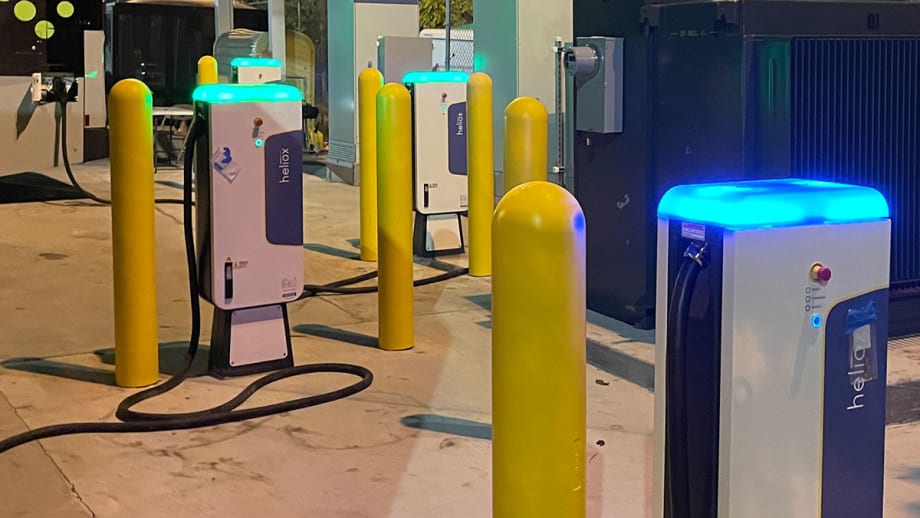
Heliox is the first EV-charger partner in Volvo's Vendor Direct Shipping program.
Photo: Volvo Trucks North America
Volvo Trucks North America is offering a new program that will let customers more easily get electric-truck chargers by ordering through their dealers.
The Vendor Direct Shipping program gives fleets the opportunity to procure mobile and fixed charging hardware solutions directly from Volvo Trucks dealers when they purchase Volvo VNR Electric trucks.
Beginning this month, customers will have two chargers from Heliox to choose from initially: a 50kW Mobile DC Fast Charger (Single Port CCS1) or a 180kW Flex DC Fast Charger (up to three CCS-1 dispensers).
Volvo Trucks will continue to expand its offerings and partners as more and more fleets begin to adopt battery-electric trucks.
Customers participating in the program can also work with participating vendors to develop tailored and scalable infrastructure to ensure the battery-electric trucks are being charged up efficiently while making the best use of available power.
Heliox is the first provider to participate and has a team of EV charging experts and partners to ensure the entire project goes smoothly, from delivery, setup, commissioning, testing, training, operations, and beyond.
“The Vendor Direct Shipping program is a simple and effective method of ordering charging hardware for customers purchasing VNR Electric trucks. The Volvo Trucks dealer will be able to log in to the parts portal and order chargers just as they would to order any truck part,” said Peter Voorhoeve, president, Volvo Trucks North America. “As we’ve said from the beginning, the purchase of a VNR Electric is more than just a truck, it’s a total transportation solution, and providing our customers with reliable charging hardware is a key pillar in that process.”
More Fuel Smarts

Record Diesel Prices Squeeze Trucking Fleets
Average U.S. diesel prices have climbed to nearly $6 a gallon, surpassing the 2022 record as tight refinery capacity and Middle East disruptions keep fuel costs elevated.
Read More →
How Fuel Delivery Shapes Engine Performance
Fuel delivery depends on more than what happens at the injector. For fleet, maintenance and technical professionals, looking at the full path from pump to injector can provide useful context for understanding engine performance.
Read More →
East Coast Port Launches $45M Electric Truck Push
The Port Authority of New York and New Jersey announced millions in incentives for zero-emission drayage trucks, yard tractors, and new charging hubs near the port.
Read More →

California Bill Could Shed Light on Electric Truck Prices
Why do battery-electric Class 8 trucks remain so expensive? A California bill headed to Gov. Gavin Newsom would give fleets and state agencies more visibility into what manufacturers charge.
Read More →
Detroit Opens Orders for EPA 2027 Engines
Detroit isn’t starting from scratch to meet EPA 2027 diesel emissions standards. Its Gen 6 DD13 and DD15 engines keep much of today’s platform while updating the fuel and aftertreatment systems.
Read More →
Zero-Emission Truck Corridor Planned for West Coast
California, Oregon, Washington, British Columbia and Baja California are coordinating plans for truck charging and hydrogen fueling from Canada to Mexico.
Read More →
A Closer Look at Kenworth’s Electric T880E Vocational Truck [Video]
Learn more about Kenworth's T880E battery-electric vocational truck at the Paccar Technical Center, including its range, applications, upfitting considerations, and PTO options, in this HDT Spotlight video.
Read More →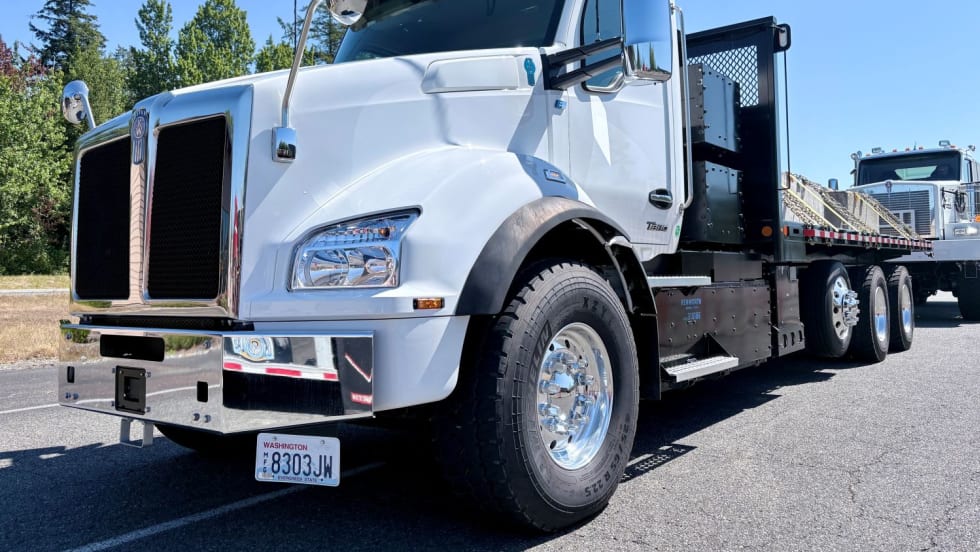
Kenworth T880E Brings EV Power to Vocational Trucks
A closer look at the Kenworth T880E’s range, charging, powertrain and upfit options — and where fleets are showing the most interest.
Read More →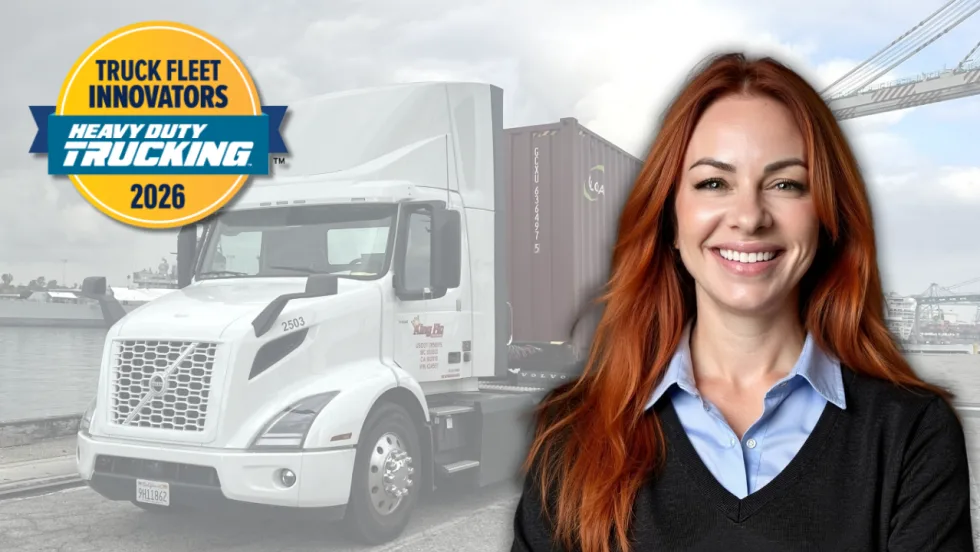
Jennie Abarca Is Proving Electric Trucks Can Do the Job
HDT Truck Fleet Innovator Jennie Abarca is building confidence in fleet electrification one load at a time while openly sharing the challenges she encounters along the way as a small-fleet owner.
Read More →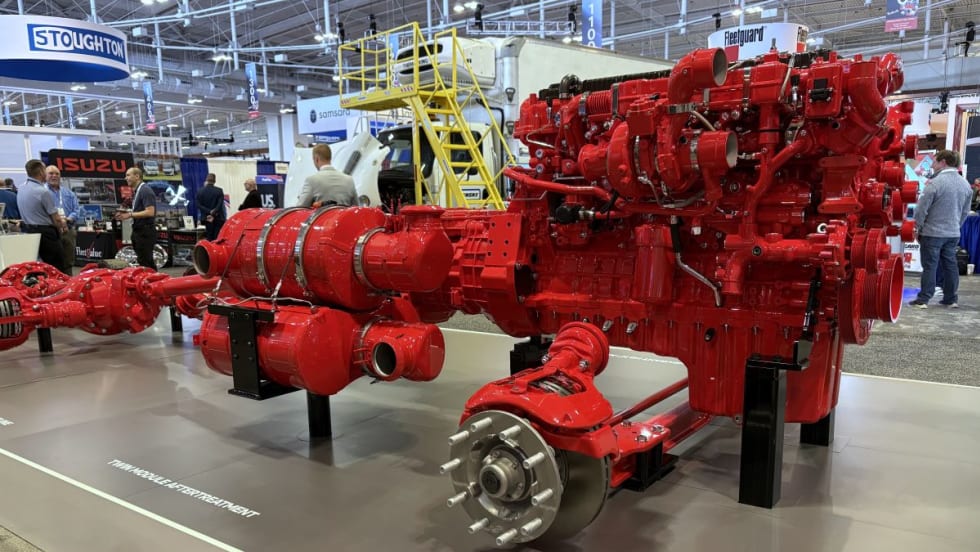
Cummins Adjusts 2027 Engine Rollout After EPA Proposal
The engine maker will gradually introduce its new Model Year 2027 diesel engines while continuing to offer current models during the transition, citing the EPA's proposed emissions rule changes.
Read More →