





More from Pilot Companies: Pilot's $1B Initiative to Remodel Travel Centers Nationwide
Pilot Diversifying into Industrial CNG, Hydrogen
Pilot Company announced a new compressed natural gas and hydrogen delivery platform as it diversifies its fuel business into industrial applications.
June 15, 2022
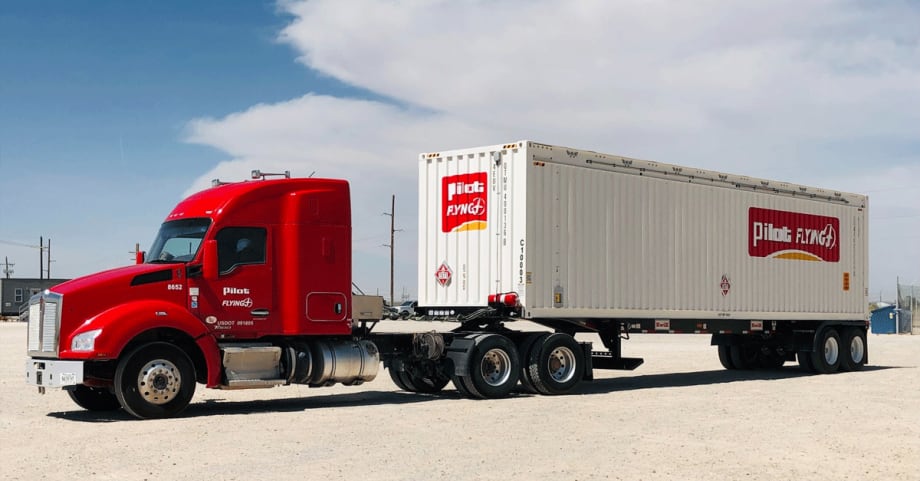
Pilot Companies' new CNG and hydrogen trailers are a departure from the familar tankers.
Photo: Pilot
2 min to read
Pilot Company announced a new compressed natural gas and hydrogen delivery platform as it diversifies its fuel business into industrial applications.
This expansion of its initiatives in the alternative fuels space includes a partnership with VoltaGrid LLC to develop a low-carbon fuels network. This network will contribute to reduced emissions and decarbonization for third-party customers in industries such as water disposal, dual-fuel applications, water heating operations, and natural disaster response.
Pilot, which is a major supplier of fuel and travel center operator in North America, has invested in a large-scale fleet of CNG and hydrogen trailers. Combined with its investment in VoltaGrid's low-carbon oilfield and mining services business, Pilot said, the venture is estimated to bring 350,000 gallons equivalent of low-carbon fuel to the market daily.
This partnership will advance VoltaGrid's power generation venture for electric completions and look at further growth through the joint development of large-scale low-carbon fuel terminals in 2022 and early 2023.
Pilot hired industry veteran Joshua Edge, with more than 20 years of experience in fuel distribution and terminal management, to lead the expansion.
“Pilot Company is a leader in fuel supply and distribution in North America, and we are eager to further diversify our business footprint in the alternative fuels space and scale our capabilities to serve the energy, fuel, and mobility industries," said Edge, Pilot Company's senior director of compressed gas operations.
VoltaGrid, founded in 2020, is currently executing a significant growth plan across North America with a focus on reducing emissions and operating cost reductions while increasing the reliability of portable power generation
“With Pilot's expansive network and our joint efforts to produce and provide cleaner and more efficient power, we are excited to bring even more resources and value to our customers,” said Nathan Ough, CEO and president of VoltaGrid. “The alternative fuel space is ripe with innovation, and this is just one of many steps both companies are taking in reducing emissions and providing clean energy.”
More Fuel Smarts
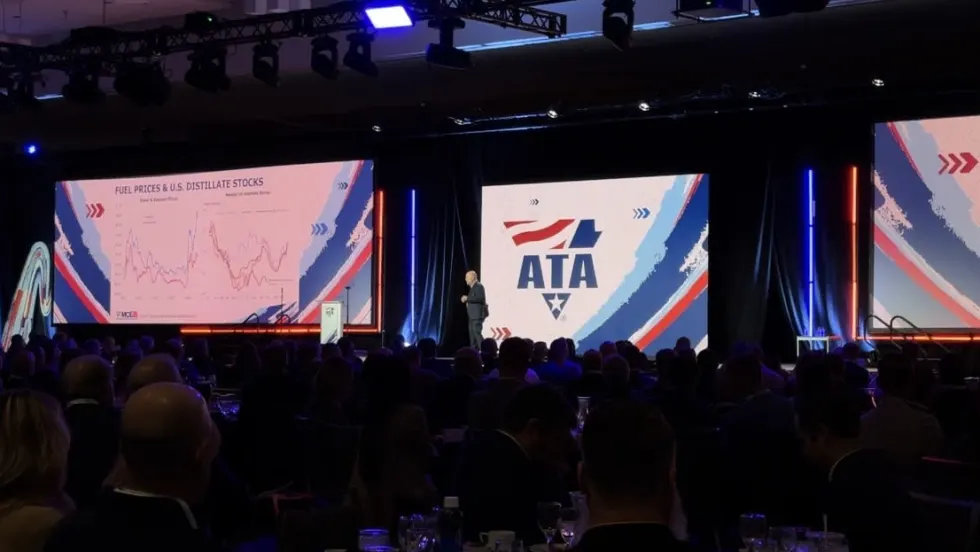
Trucking’s Diesel Squeeze Isn’t Letting Up
With diesel topping $6 a gallon nationally, ATA's Bob Costello explains why fleets should prepare for continued pressure at the pump.
Read More →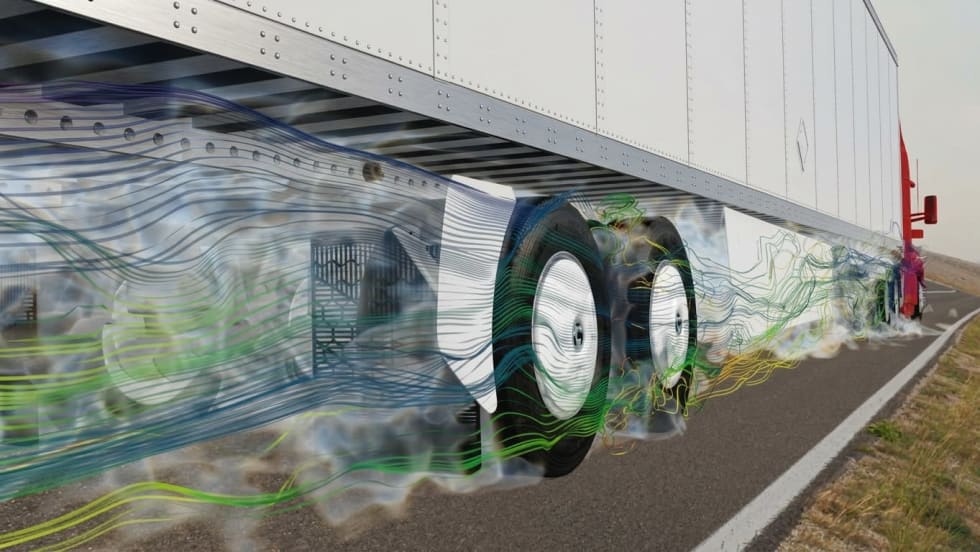
FlowBelow Redesigns Trailer AeroSlider to Cut Fuel Use
The lighter trailer aerodynamic system installs in less than 45 minutes, according to the company, with potential payback in under a year depending on fuel prices and trailer mileage.
Read More →
Why Diesel Price Relief Efforts May Fall Short
Diesel prices have eased from September’s record high, but doubts about additional Russian supply and limits on dyed-diesel tax relief mean trucking fleets still face expensive fuel. And prices could go higher.
Read More →
Why Small Fuel Savings Matter in Trucking
Can better fuel economy help pay for driver raises? In this podcast, GP Transco explains how small efficiency gains create room to reinvest in its people.
Read More →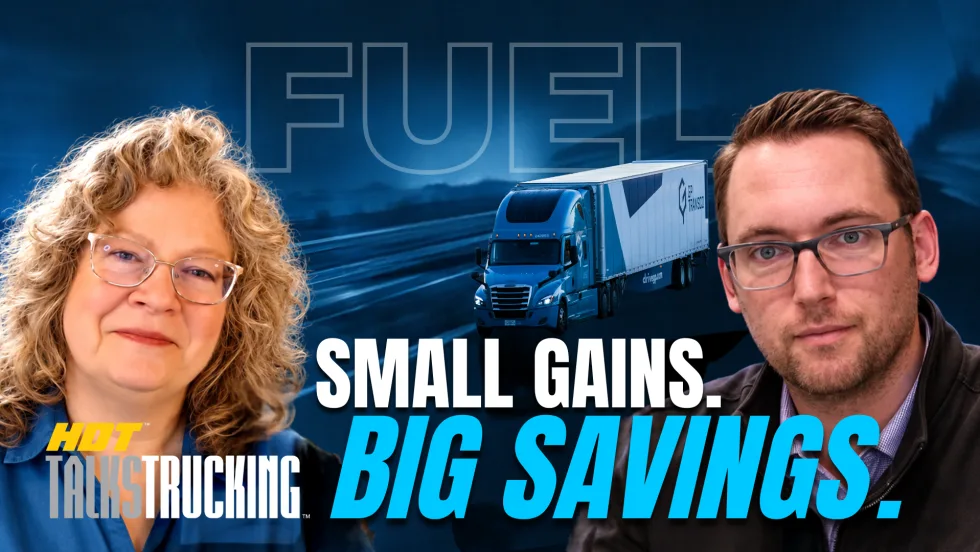
How GP Transco Cuts Trucking Fuel Costs, a Tenth of a Gallon at a Time
What’s another tenth of a mile per gallon worth? GP Transco shares how equipment upgrades and driver coaching turn small gains into meaningful fuel savings.
Read More →
Electric Yard Tractors Move Beyond Pilots
Operating-cost savings have overtaken sustainability goals as the leading reason surveyed fleets are adopting battery-electric terminal tractors, according to new NACFE research.
Read More →
Geotab Links Fleet Card to Vehicle Data
The new card combines fuel discounts with telematics-based purchase controls. Geotab’s analysis also points to potential savings from choosing lower-priced fuel stops.
Read More →
Fleet Economics Shape Electric Truck Outlook
ACT Research expects costs, charging infrastructure, and technology improvements to drive zero-emission commercial vehicle adoption as federal regulations and incentives retreat.
Read More →
Wex Adds Cardless Fuel Payments for Over-the-Road Customers
A new fuel card feature for Wex customers offers convenience and security.
Read More →
New California Law Could Shed Light on Electric Truck Prices
Why do battery-electric Class 8 trucks remain so expensive? A California bill signed by Gov. Gavin Newsom would give fleets and state agencies more visibility into what manufacturers charge.
Read More →