





Commentary: Is Trucking Too Tough for Tesla?
Want to Reserve a Tesla Semi? Get Out Your Wallet
Nearly five years after Elon Musk introduced his electric Class 8 Tesla Semi in a flashy launch event, Tesla has started taking deposits for the truck, at $20,000 each.
May 18, 2022
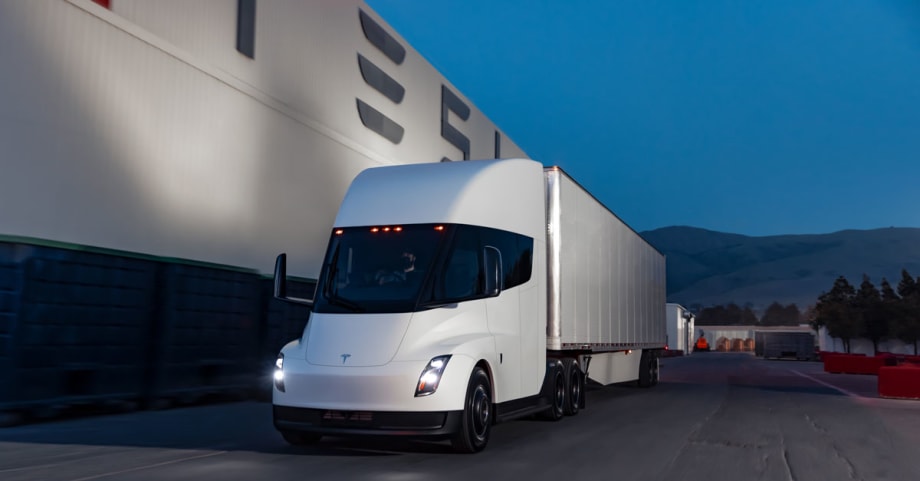
It's still unclear when the Tesla Semi electric Class 8 truck will actually start production.
Photo: Tesla
2 min to read
Nearly five years after Elon Musk introduced his electric Class 8 Tesla Semi in a flashy launch event, Tesla has started taking deposits for the truck, at $20,000 each.
However, potential buyers still don’t know when they will actually get their trucks. According to published reports, the Semi won’t be released this year, and it could be next year or later.
The Semi has seen a string of delays since the Semi was unveiled in 2017; at that time, it had a projected date of 2019 for availability. Last fall, supply-chain problems caused Tesla to once again push out the estimated date for production. Most recent indications were 2023 would be the earliest.
According to the Tesla website, Semi reservations require an initial $5,000 credit card payment. A $15,000 wire transfer payment is required for the first Tesla Semi, plus a $20,000 wire transfer for each additional Tesla Semi. Wire transfers are due within 10 days.
Those deposits presumably will be applied toward the Tesla selling price. In 2017, the company posted prices at $150,000 on its Standard variant, and $180,000 for its extended-range version.
Among the companies that previously said they had placed orders were Albertson’s, Anheuser-Busch, Golden State Foods, J.B. Hunt, PepsiCo, Pride Group, Schneider, UPS, and Walmart.
Tesla was noticeably absent at last week’s Advanced Clean Transportation Expo in Long Beach, California, while attendees waited in long lines for a ride-and-drive of Nikola Tre electric trucks, the new Freightliner eCascadia, Hyundai’s fuel-cell electric, and other zero-emissions commercial vehicles.
More Fuel Smarts

California Bill Could Shed Light on Electric Truck Prices
Why do battery-electric Class 8 trucks remain so expensive? A California bill headed to Gov. Gavin Newsom would give fleets and state agencies more visibility into what manufacturers charge.
Read More →
Detroit Opens Orders for EPA 2027 Engines
Detroit isn’t starting from scratch to meet EPA 2027 diesel emissions standards. Its Gen 6 DD13 and DD15 engines keep much of today’s platform while updating the fuel and aftertreatment systems.
Read More →
Zero-Emission Truck Corridor Planned for West Coast
California, Oregon, Washington, British Columbia and Baja California are coordinating plans for truck charging and hydrogen fueling from Canada to Mexico.
Read More →
A Closer Look at Kenworth’s Electric T880E Vocational Truck [Video]
Learn more about Kenworth's T880E battery-electric vocational truck at the Paccar Technical Center, including its range, applications, upfitting considerations, and PTO options, in this HDT Spotlight video.
Read More →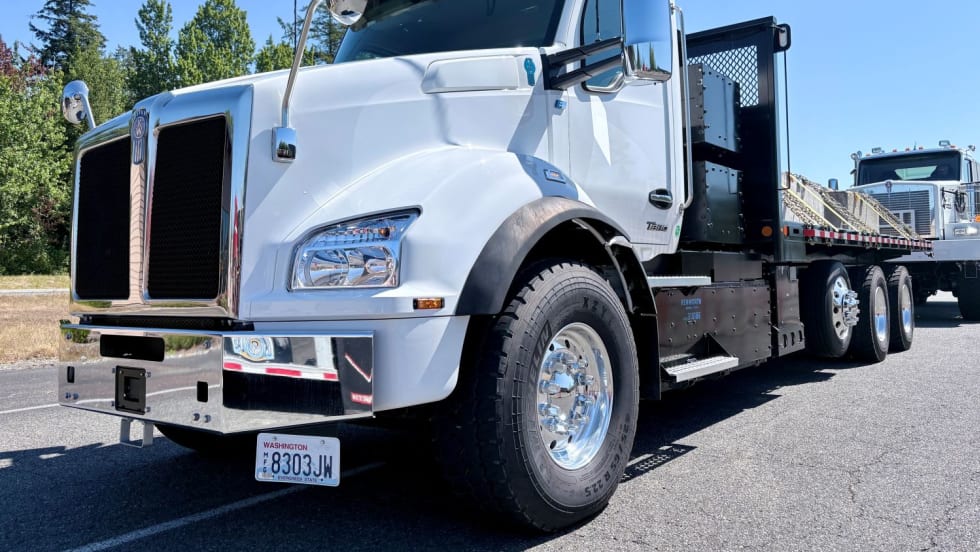
Kenworth T880E Brings EV Power to Vocational Trucks
A closer look at the Kenworth T880E’s range, charging, powertrain and upfit options — and where fleets are showing the most interest.
Read More →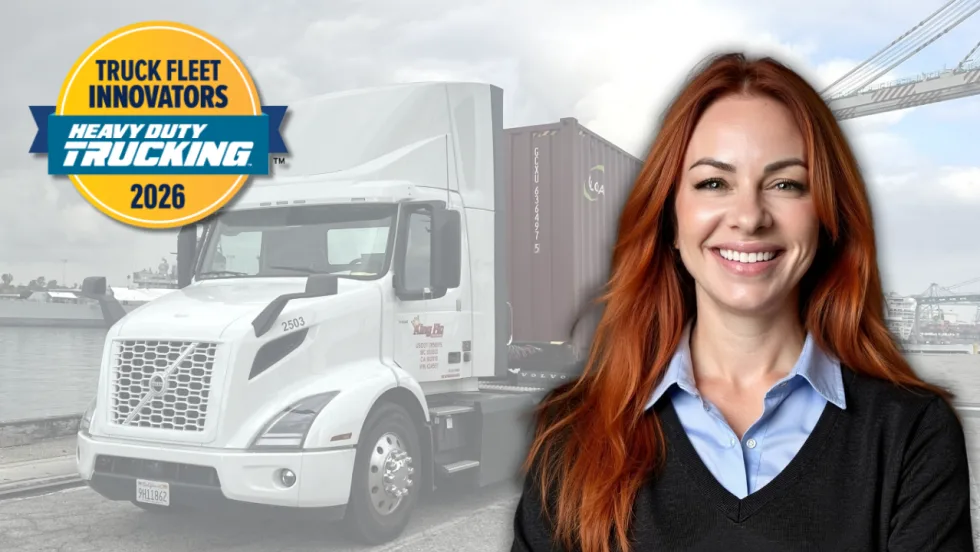
Jennie Abarca Is Proving Electric Trucks Can Do the Job
HDT Truck Fleet Innovator Jennie Abarca is building confidence in fleet electrification one load at a time while openly sharing the challenges she encounters along the way as a small-fleet owner.
Read More →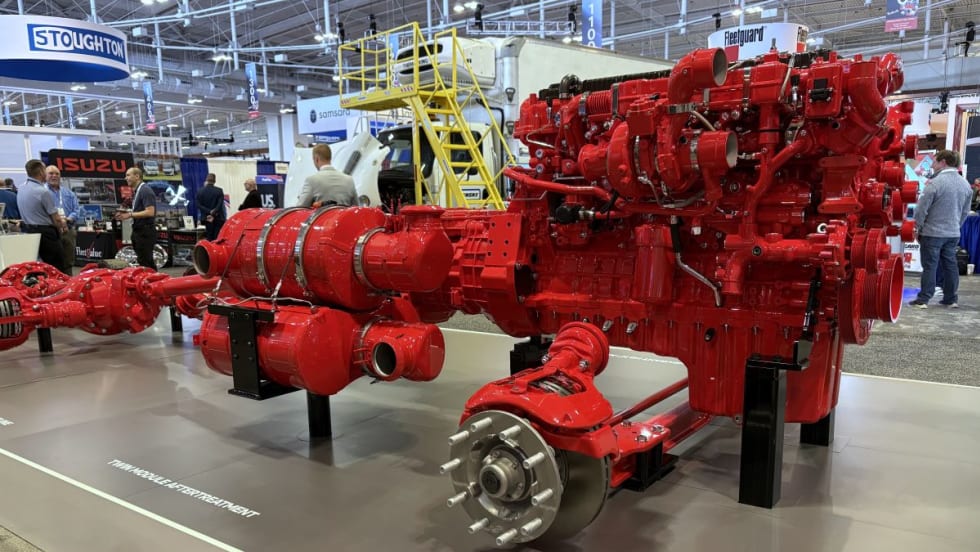
Cummins Adjusts 2027 Engine Rollout After EPA Proposal
The engine maker will gradually introduce its new Model Year 2027 diesel engines while continuing to offer current models during the transition, citing the EPA's proposed emissions rule changes.
Read More →
EPA Proposal Could Ease 2027 Truck Costs and Buying Uncertainty
The proposal doesn't change the tougher NOx standard, but it would revise key implementation requirements that manufacturers say have driven up costs and complicated fleet purchasing decisions.
Read More →
Cummins, Paccar Ease DEF Derates After EPA Guidance
Updated diesel engine software gives truck operators more time to address emissions-system issues while staying compliant with EPA emissions standards.
Read More →
Maintenance in the Messy Middle Part 3: Biodiesel
Biodiesel can reduce emissions, improve fuel-system lubricity and use existing diesel infrastructure. But NACFE’s Messy Middle maintenance report says fleets must actively manage storage, cold-weather operation, filters and oil drain intervals to avoid problems.
Read More →