





From the archives (2017) — Quick Spin: Orange EV's All-Electric Terminal Tractor
Orange EV Unveils e-Triever Electric Yard Truck
Orange EV introduces the e-Triever, its third-generation electric yard truck.
May 11, 2022
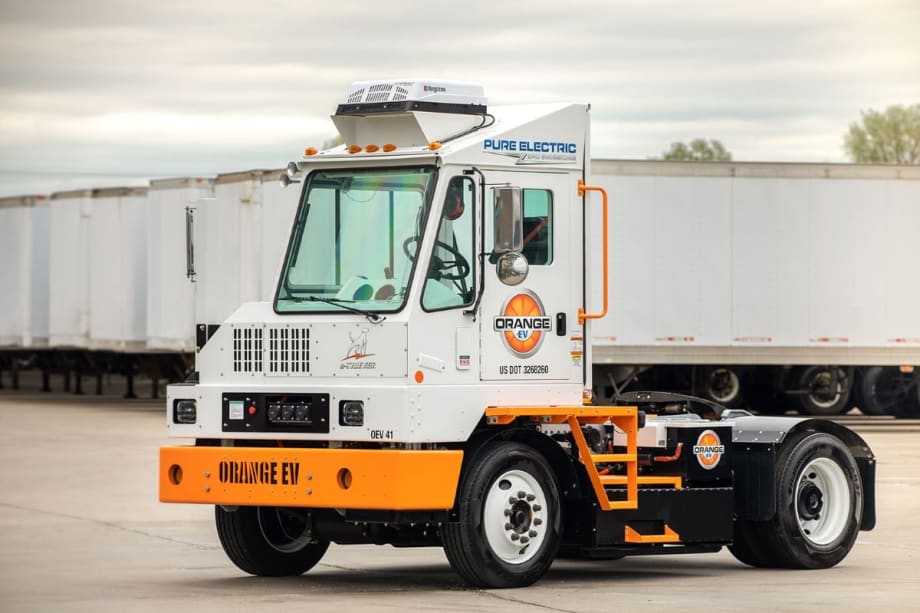
Orange EV now has about 400 heavy-duty electric yard trucks operating across the U.S.
Photo: Orange EV
2 min to read
Zero-emission truck manufacturer Orange EV announced its new 2022 e-Triever electric yard truck, which builds on the foundation of Orange EV's T-Series.
The company commercially deployed its first all-electric yard truck in 2015 and now has a presence in about 120 fleets across the U.S. and Canada. Orange EV electric trucks deliver 98-99% average uptime and a lower total cost of ownership, with many customers experiencing a 3- to 4-year payback on a 10-year expected life, according to the announcement.
The e-Triever features sub-systems designed to integrate with autonomous control systems, such as improved sensing, remote diagnostic capabilities, and an optional IntelliBoom package that captures fifth wheel load weight, boom lift cycles, and kingpin presence and retention data.
Basic specifications for the 4x2 e-Triever:
GCWR: 81,000 lbs
Speed: Up to 25 mph
Battery capacity: 180 kWh or 100 kWh
Charge rate: Up to 70 kW
Range: Up to 24 hours on a single charge
Motor: Brushless AC induction
Transmission: None; direct drive
Availability: Custom builds delivered in 90-120 days
“Orange EV’s vision is to excel on all fronts: the lowest cost of ownership, highest up-time, best service, highest quality, longest life, and most beneficial for drivers,” said Kurt Neutgens, Orange EV president and CTO, in the statement. "We are delivering on that vision. Drawing upon our 10-year heritage of electric truck innovation, the e-Triever continues this excellence, and we believe the new name conveys Orange EV’s staunch commitment to our customers – the e-Triever is loyal, hardworking, and delivers every time.”
More Fuel Smarts

How GP Transco Builds Fuel Savings a Fraction at a Time
Aerodynamic specs, solar panels, and driver incentives help GP Transco turn small efficiency gains into savings it can reinvest in its people.
Read More →
Trucking’s Diesel Squeeze Isn’t Letting Up
With diesel topping $6 a gallon nationally, ATA's Bob Costello explains why fleets should prepare for continued pressure at the pump.
Read More →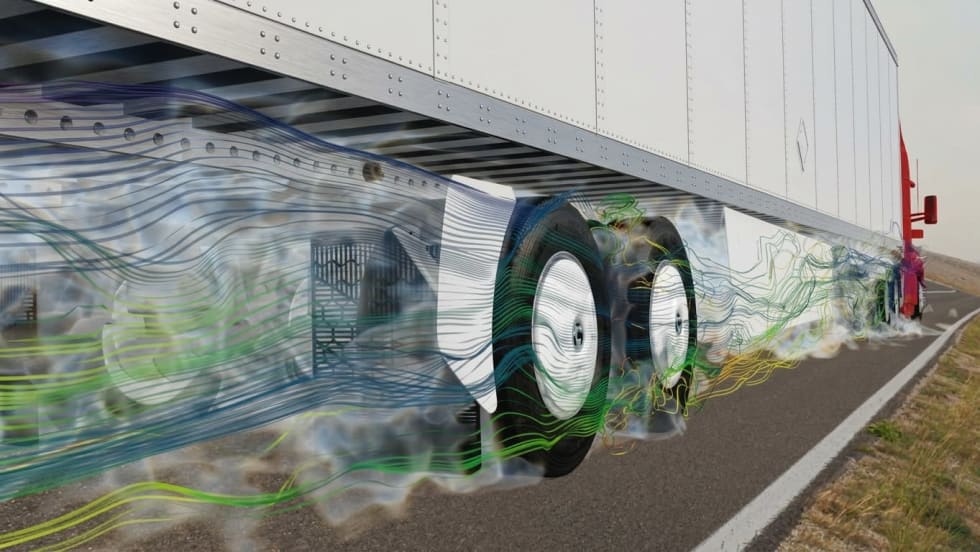
FlowBelow Redesigns Trailer AeroSlider to Cut Fuel Use
The lighter trailer aerodynamic system installs in less than 45 minutes, according to the company, with potential payback in under a year depending on fuel prices and trailer mileage.
Read More →
Why Diesel Price Relief Efforts May Fall Short
Diesel prices have eased from September’s record high, but doubts about additional Russian supply and limits on dyed-diesel tax relief mean trucking fleets still face expensive fuel. And prices could go higher.
Read More →
Why Small Fuel Savings Matter in Trucking
Can better fuel economy help pay for driver raises? In this podcast, GP Transco explains how small efficiency gains create room to reinvest in its people.
Read More →
How GP Transco Cuts Trucking Fuel Costs, a Tenth of a Gallon at a Time
What’s another tenth of a mile per gallon worth? GP Transco shares how equipment upgrades and driver coaching turn small gains into meaningful fuel savings.
Read More →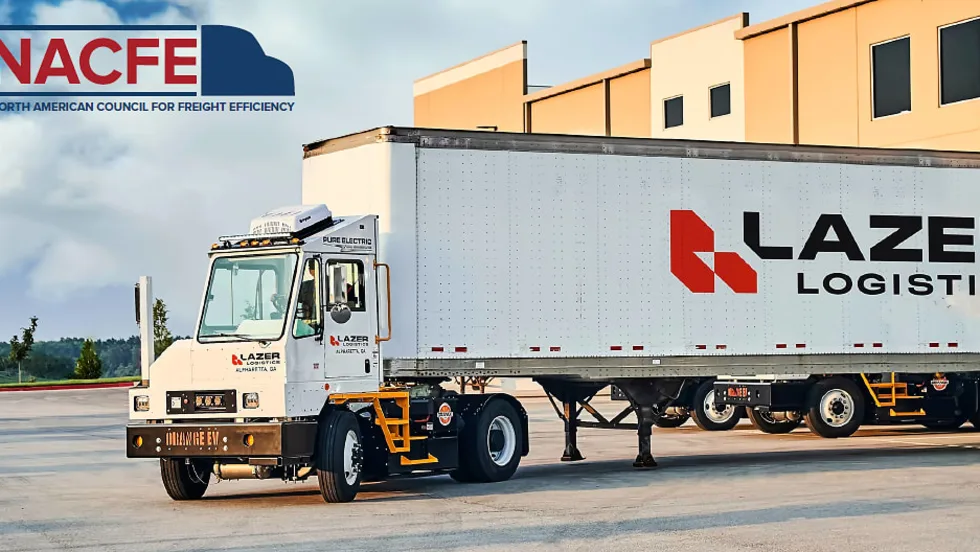
Electric Yard Tractors Move Beyond Pilots
Operating-cost savings have overtaken sustainability goals as the leading reason surveyed fleets are adopting battery-electric terminal tractors, according to new NACFE research.
Read More →
Geotab Links Fleet Card to Vehicle Data
The new card combines fuel discounts with telematics-based purchase controls. Geotab’s analysis also points to potential savings from choosing lower-priced fuel stops.
Read More →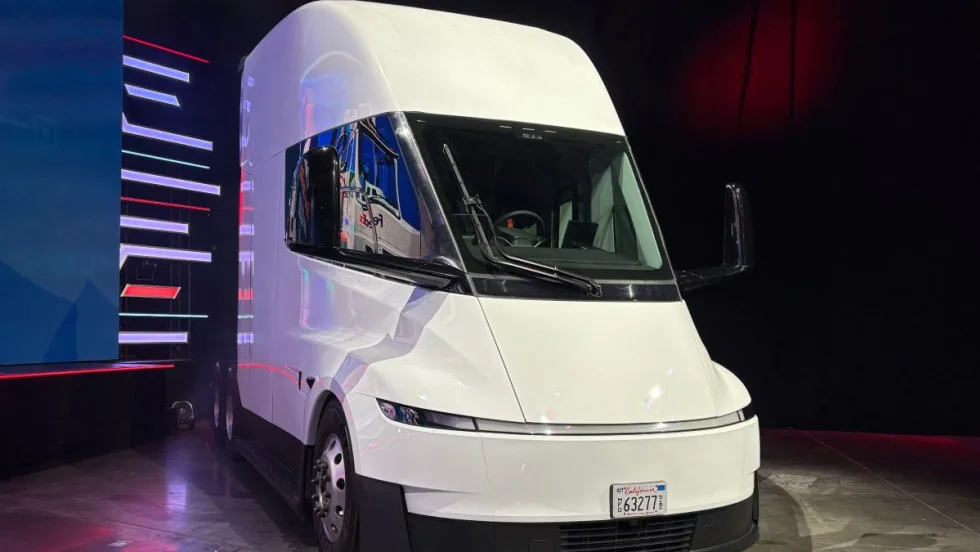
Fleet Economics Shape Electric Truck Outlook
ACT Research expects costs, charging infrastructure, and technology improvements to drive zero-emission commercial vehicle adoption as federal regulations and incentives retreat.
Read More →
Wex Adds Cardless Fuel Payments for Over-the-Road Customers
A new fuel card feature for Wex customers offers convenience and security.
Read More →