





Volvo, Daimler, Traton to Develop Electric Charging Network in Europe
European Truck EV Charging Network One Step Closer
Daimler Truck, Traton Group and Volvo Group will create a joint venture to install and operate a public charging network for battery electric, heavy-duty long-haul trucks across Europe in 2022.
December 16, 2021

Volvo Group, Daimler Truck and the Traton Group will create a joint venture to install and operate a public charging network for battery electric heavy-duty trucks across Europe in 2022.
Graphic: Volvo
2 min to read
Volvo Group, Daimler Truck and the Traton Group have signed a binding agreement to create a joint venture to install and operate a high-performance public charging network for battery electric, heavy-duty long-haul trucks across Europe in 2022.
As previously reported, the parties are committed to initiating and accelerating the necessary build-up of charging infrastructure for the increasing number of customers of electric vehicles in Europe and contribute to climate-neutral transportation in Europe by 2050. The charging network will be open and accessible to all commercial vehicles in Europe, regardless of brand.
The parties are together committing to invest about $567 million, which is assumed to be by far the largest charging infrastructure investment in the European heavy-duty truck industry to date, company officials said in a press release.
The plan is to install and operate at least 1,700 high-performance green energy charging points on and close to highways as well as at logistic and destination points within five years of the establishment of the JV.
The future JV is planned to operate under its own corporate identity and be based in Amsterdam, Netherlands.
Volvo, Daimler and Traton will own equal shares in the planned JV but continue to be competitors in all other areas. The creation of the JV is subject to regulatory approvals
"A collaboration with strong competitors like Daimler Truck and Volvo Group might seem unusual,” said Traton Group CEO Christian Levin in a press release. “However, the topic is of crucial importance and this unique cooperation will make us faster and more successful in delivering the transformational action needed to tackle climate change. Our joint venture will be a strong push for the rapid breakthrough of battery electric trucks and coaches, the most efficient and sustainable transport solutions."
More Fuel Smarts
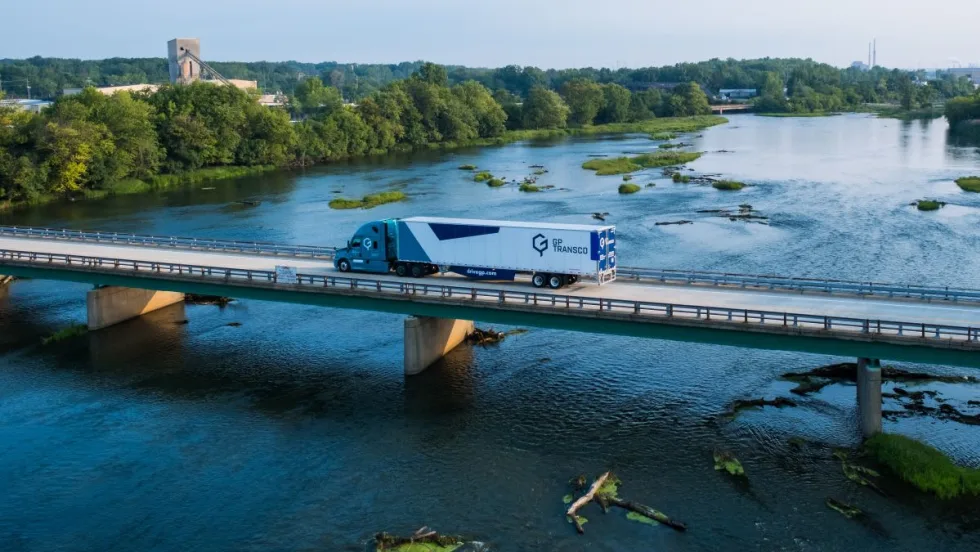
How GP Transco Builds Fuel Savings a Fraction at a Time
Aerodynamic specs, solar panels, and driver incentives help GP Transco turn small efficiency gains into savings it can reinvest in its people.
Read More →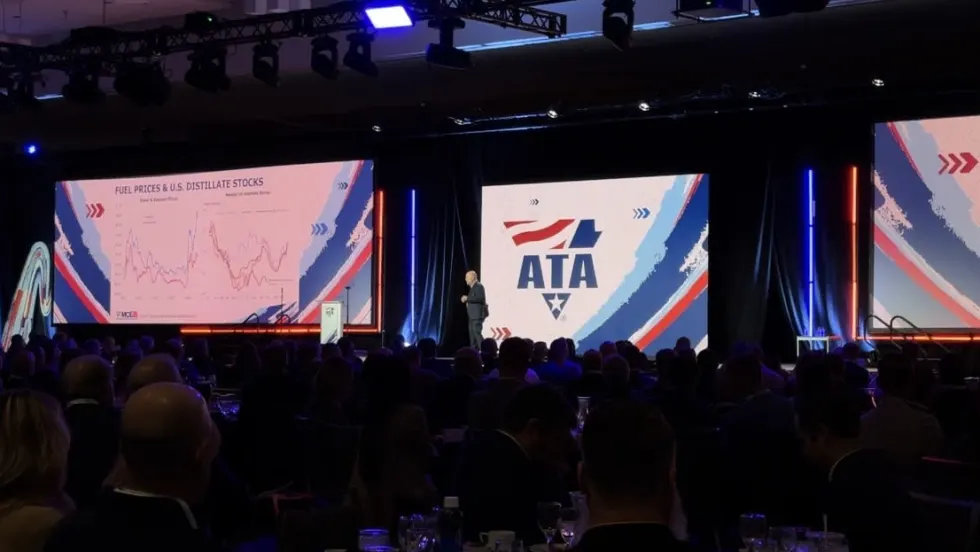
Trucking’s Diesel Squeeze Isn’t Letting Up
With diesel topping $6 a gallon nationally, ATA's Bob Costello explains why fleets should prepare for continued pressure at the pump.
Read More →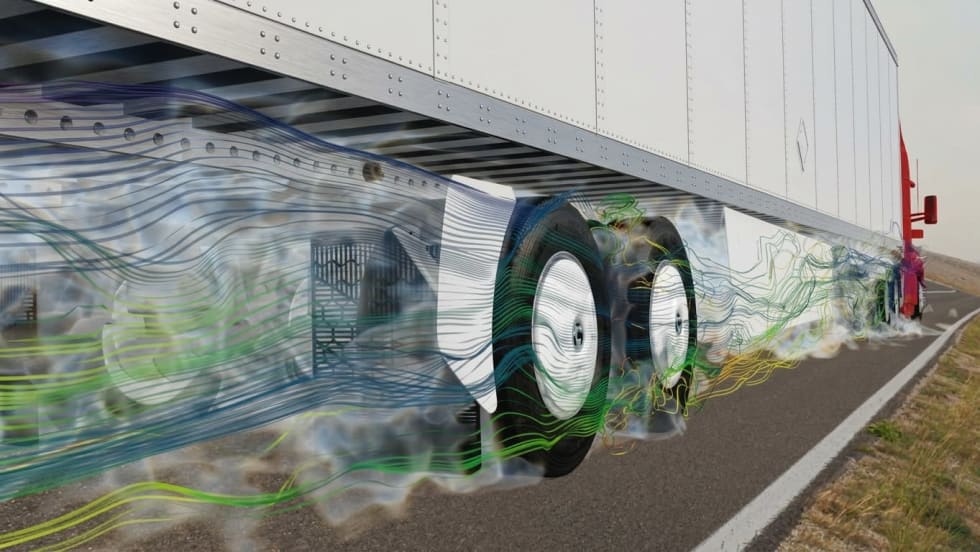
FlowBelow Redesigns Trailer AeroSlider to Cut Fuel Use
The lighter trailer aerodynamic system installs in less than 45 minutes, according to the company, with potential payback in under a year depending on fuel prices and trailer mileage.
Read More →
Why Diesel Price Relief Efforts May Fall Short
Diesel prices have eased from September’s record high, but doubts about additional Russian supply and limits on dyed-diesel tax relief mean trucking fleets still face expensive fuel. And prices could go higher.
Read More →
Why Small Fuel Savings Matter in Trucking
Can better fuel economy help pay for driver raises? In this podcast, GP Transco explains how small efficiency gains create room to reinvest in its people.
Read More →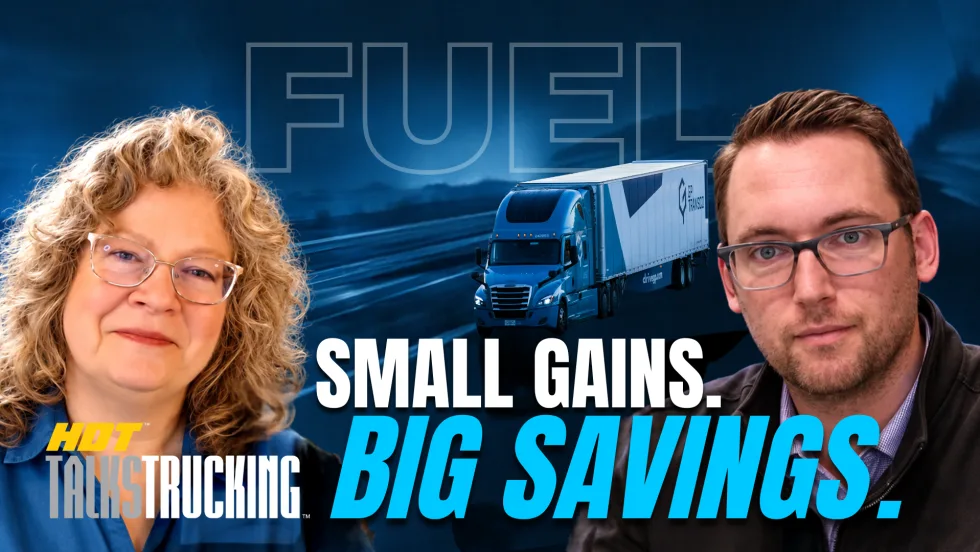
How GP Transco Cuts Trucking Fuel Costs, a Tenth of a Gallon at a Time
What’s another tenth of a mile per gallon worth? GP Transco shares how equipment upgrades and driver coaching turn small gains into meaningful fuel savings.
Read More →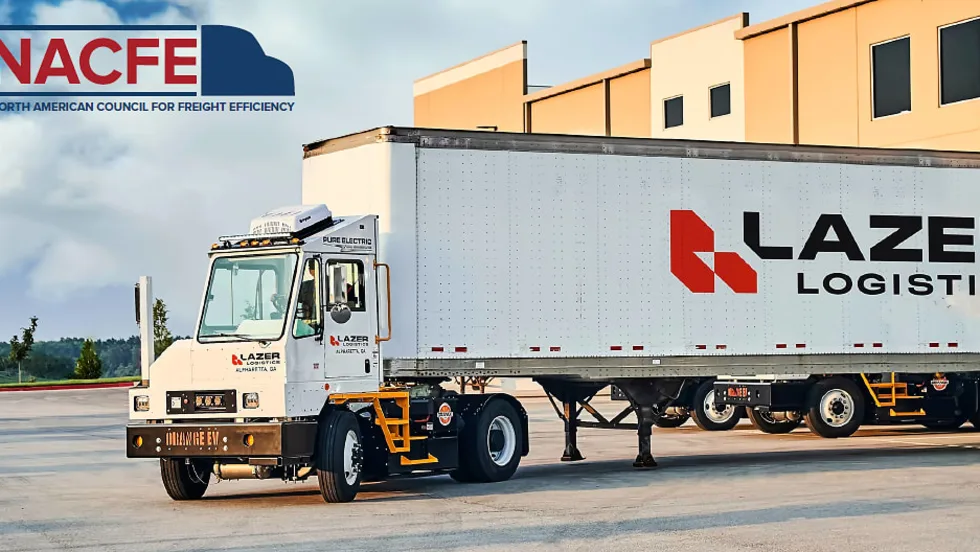
Electric Yard Tractors Move Beyond Pilots
Operating-cost savings have overtaken sustainability goals as the leading reason surveyed fleets are adopting battery-electric terminal tractors, according to new NACFE research.
Read More →
Geotab Links Fleet Card to Vehicle Data
The new card combines fuel discounts with telematics-based purchase controls. Geotab’s analysis also points to potential savings from choosing lower-priced fuel stops.
Read More →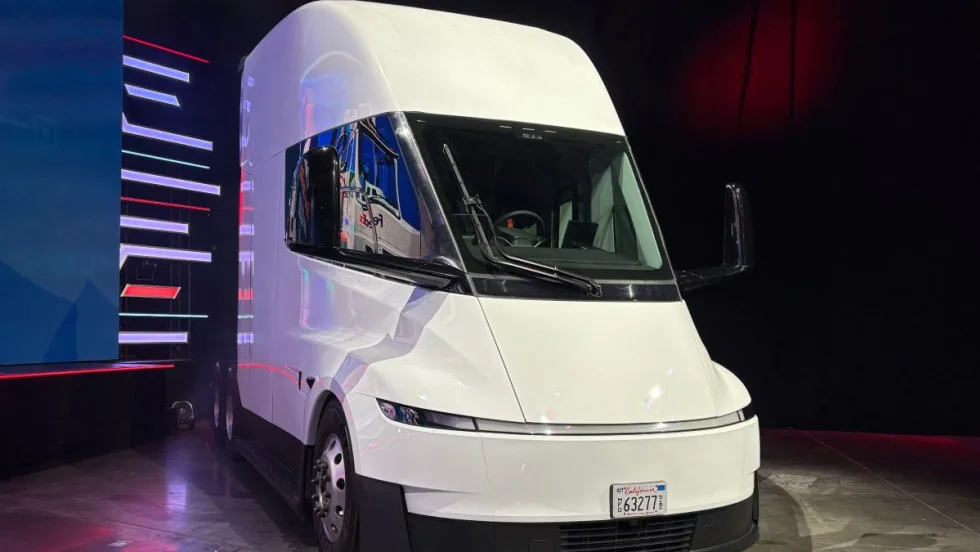
Fleet Economics Shape Electric Truck Outlook
ACT Research expects costs, charging infrastructure, and technology improvements to drive zero-emission commercial vehicle adoption as federal regulations and incentives retreat.
Read More →
Wex Adds Cardless Fuel Payments for Over-the-Road Customers
A new fuel card feature for Wex customers offers convenience and security.
Read More →