





Related: Trucking Company Fights Back Against Nuclear Verdicts
How to Leverage Data as a Fleet Safety Tool
Discover how data can help fleet managers identify problem areas that need to be addressed, and even predict which drivers are most likely to be involved in a crash.
November 5, 2021

Leveraging data can help fleet managers identify problem areas that need to be addressed, and even predict which drivers are most likely to be involved in a crash.
File Photo: WEX
6 min to read
Data analytics is becoming well-known for driving the development of predictive maintenance, but it’s also being deployed as a smart tool for improving fleet safety performance.
Leveraging data can help fleet managers identify problem areas that need to be addressed, from developing meaningful driver scorecards and rewards programs to improving driver-coaching with real-world information to instantly alerting drivers to upcoming trouble spots or risky driving practices. Predictive analytics can even help predict which drivers are most likely to be involved in a crash.
How to use data to improve fleet safety programs was the topic discussed in a recent Safety First webinar, titled “Data as a Fleet Safety Tool,” produced by the editors of Heavy Duty Trucking.
“People don't think of trucking as a place for data geeks and numbers, things like that,” said kickoff speaker Jeremy Stickling, chief administrative officer of nationwide truckload carrier Nussbaum Transportation. “When you think of data, what are we talking about? Where does it come from? What is a data point? What does that even mean?
“I feel pretty safe saying that there are 20,00 to 25,000 safety-relevant data points [coming off trucks,]" he continued. “That’s in a week’s time. You take that over the course of the year, we're up over a million and if you're talking about a fleet our size, we have some 470 trucks, and you're talking over 10 million safety-relevant data points. How do you handle all of this?”
Stickling, who was honored in 2015 with HDT’s Annual Safety and Compliance Award, suggested that the best way to handle this deluge of data is to move away from the “being able to do everything” ethos of management.
“In trucking, we don't believe in silos and hiring specialists; we all do everything," he said. "Really, it’s people power that’s going to unlock your data power. If you haven't already, just invest in your IT talent. Because there's so much data in this industry, trucking should be trying to hire every good programmer and data scientist out there.”
Harnessing Data
Speaker Doug Marcello, chief legal officer of Bluewire LLC and defense attorney with law firm Marcello & Kivisto, discussed the fusion between harnessing data and defending against so-called nuclear verdicts in liability cases. An active trucking defense attorney with over 35 years of trial experience, he also has the distinction of holding a CDL.
“Risk can be divided three ways,” Marcello said. “There are the ‘known knowns,’ those things that you know; the data is there and you can get it if it's available. Then, there’s the ‘known unknown,’ variables out there that we know exist, we just don't have data on them right now. For example, when an accident occurs, we know that key elements include medical bills, the geography of the accident, and the nature of the claimant and the injuries they suffer. But we don't know this before the accident occurs. The last one to know is the ‘unknown, unknown,’ those are things that we cannot predict, cannot anticipate, in terms of the potential for risk.
“What we want to focus on is [the data] that defines the ‘known knowns,’” he continued. “This is information that we now have available, so you can take advantage of it for risk mitigation [before an accident] to protect yourself afterwards.”
Marcello said a key aspect of leveraging data after an accident is knowing what data you need to manage the safe operation and risk analysis of your fleet.
“Take a look at that and identify that data because, at some point, you are going to be held responsible for why you did not determine that to be the data that you needed," he said.
To do that, he explained, make sure there is inventory across the board.
"There was a client of mine years ago with a fleet of owner-operators who said that he ‘basically ran a financial business that just happened to involve trucks.’ Well, nowadays we are in a data business that involves transportation and trucks," Marcello said.
Marcello advised that once fleet managers identify the data sources they have, the next step is to analyze that data.
“What you want to do is to analyze that information in terms of which of it indicative of an unsafe act or [other] potential risk?," he said.
Firehose Drinking
“With all the data coming off your trucks, you're drinking from a firehose," Marcello said. "You want to find the stream that is the most indicative, the best analysis of what is the risk factor. That’s what needs to be monitored and needs to be modified to protect your fleet.”
Stickling advised understanding what your key data points mean over time and then aggregating the date, scrubbing out any bad data. “Once you have that data in context, you can coach drivers off it," he said.
“If you've hired the people to manage the data, make it meaningful for you, you got to have the right coaches, too,” he continued. “So, invest in the people to coach and do it effectively.”
Stickling observed that drivers may meet data with skepticism, contending that “the computer doesn’t know how to do his job. That’s why you have to realize you can't coach everything. We like to look for the trends, look for the outliers, look for the top 10%, the bottom 10%, what's out of bounds of what's beyond normal, and start your coaching there.
“And we take a consultative approach, really,” he continued. “In a lot of cases with data as it relates to safety, you aren't dealing with a bad result, right off the bat, like a ticket or a crash. Now, I'm not saying to forget discipline or progressive discipline. But you can start with more of a ‘Hey, I want to show you what I'm seeing; this may be of help’ as opposed to ‘Hey, the truck said you did this.’” Stickling allowed that that’s common sense but added that “It's pretty hard to remember to do that the right way in the moment sometimes.”
Keep It Simple
Stickling also urged keeping coaching simple.
“If you're presenting data so drivers can use it, they need to understand it," he said. "f I'm telling a driver that he had 20 turning maneuvers in the last month, they’re going to debate about 18 of those maneuvers. What we like to do is put it into a score or rating and tell them, ‘You’re nine out of 10? That’s pretty good.’ That keeps them off the defensive and they’re going to say, ‘Okay, how do I get to 10?’
All the safety data that’s collected, analyzed, and aggregated should inform an effective progressive discipline program, advised Marcello.
“The bottom line is that if there is extreme behavior, behavior that’s within the bandwidth of what you find to be the most risky behavior, the most indicative of potential threat of accident or injury, you need to take action to identify that and discipline it and not tolerate that behavior," Marcello said.
“Even though we live in a world where there's a driver shortage, what we need to do from a safety and risk-behavior perspective is to identify and discipline those drivers,” he said. “Because the ultimate risk is if they get into an accident, hurt somebody else among the motoring public, you will be held responsible for that and put under scrutiny for what you did or failed to do with regard to discipline [for safety effectiveness].”
Subscribe to Our Newsletter
More Fleet Management
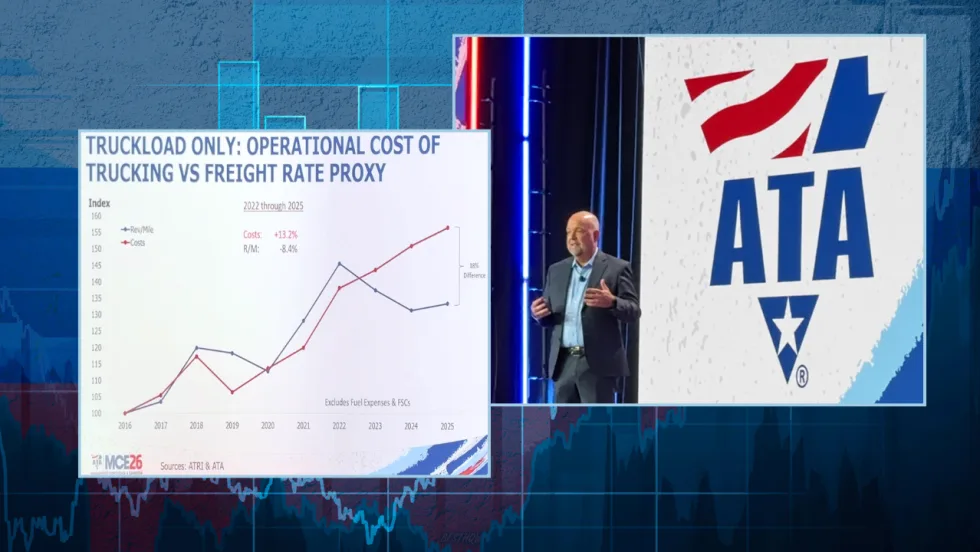
Why This Trucking Recovery Is Different
Freight demand remains sluggish, but rising costs and tougher enforcement have taken enough capacity out of the market to change the outlook for motor carriers.
Read More →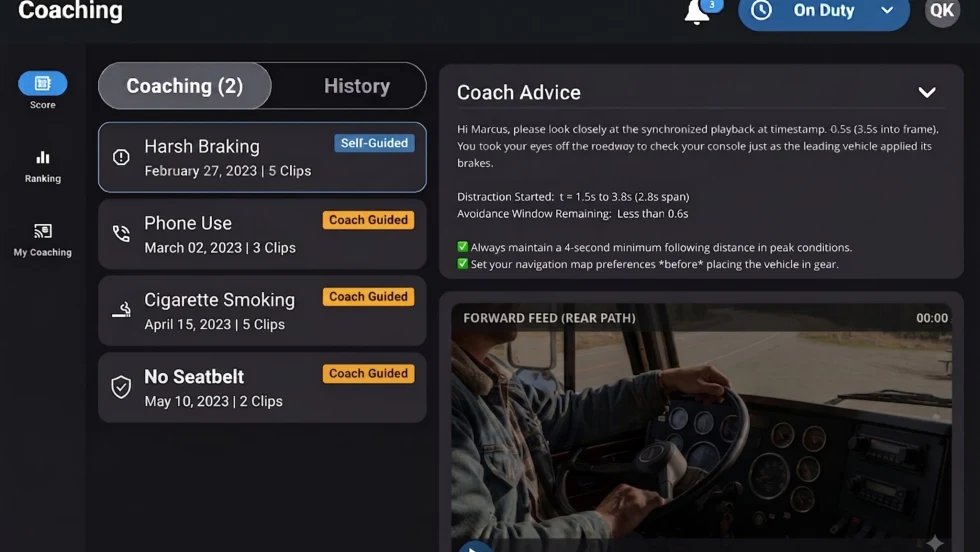
Platform Science Adds Dispatch and Safety Tools
Four additions to PS Fleet help fleets monitor loads, manage driver coaching, share truck locations and adjust video system settings.
Read More →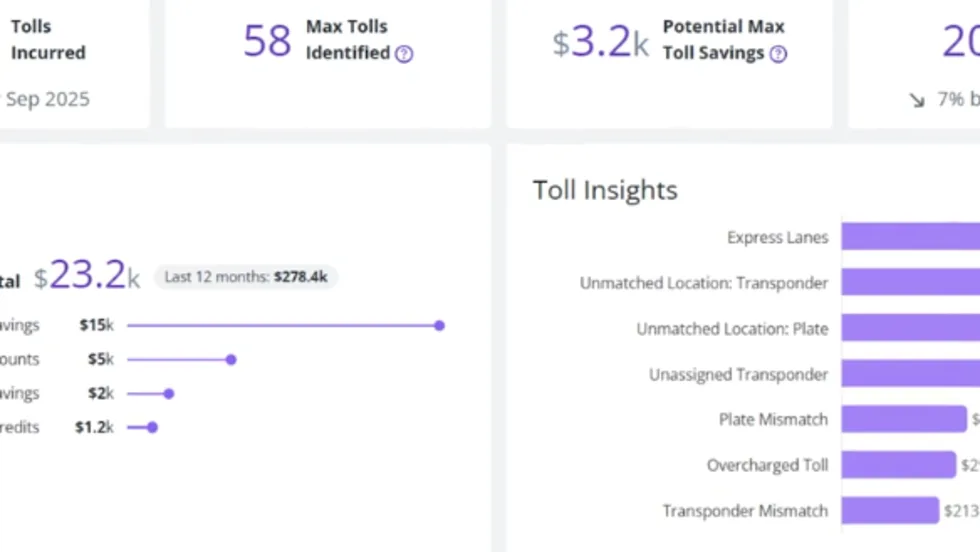
PrePass Intelligence Mines Fleet Bypass, Toll and Safety Data
PrePass Intelligence helps fleets measure bypass savings, flag potential toll overcharges, and spot suspicious transactions by combining data from separate systems.
Read More →
Motive Adds AI Agents for Fleet Operations
New tools automate follow-up on fleet data, from maintenance work orders to driver alerts, with two-way voice conversations planned for later this year.
Read More →
Can You Beat Our Trucking Trivia Challenge?
Test your truck knowledge with 19 trivia questions from Heavy Duty Trucking Exchange. Can you keep up with the fleet pros?
Read More →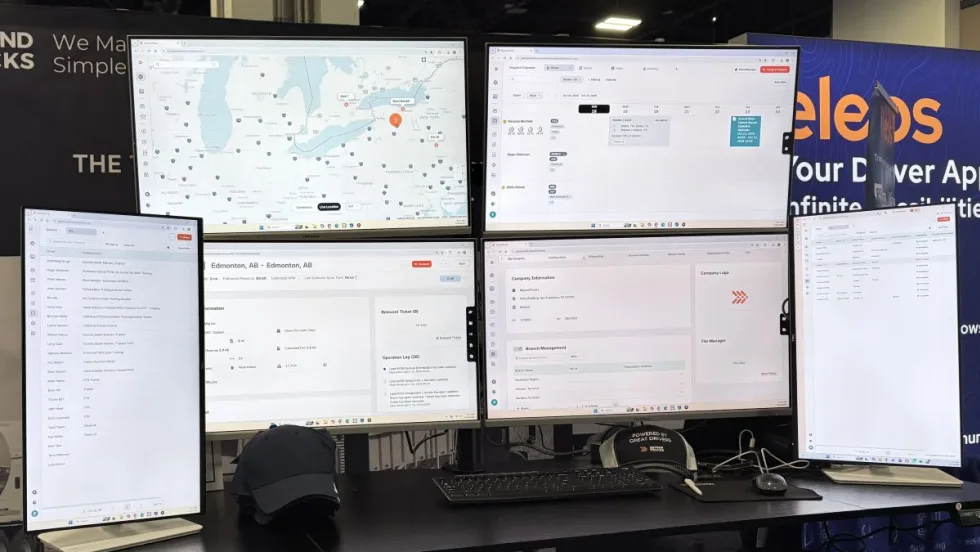
BeyondTrucks Adds Rules Checks to Dispatch
New Compatibility Engine checks driver qualifications, equipment requirements and fleet policies before loads are dispatched.
Read More →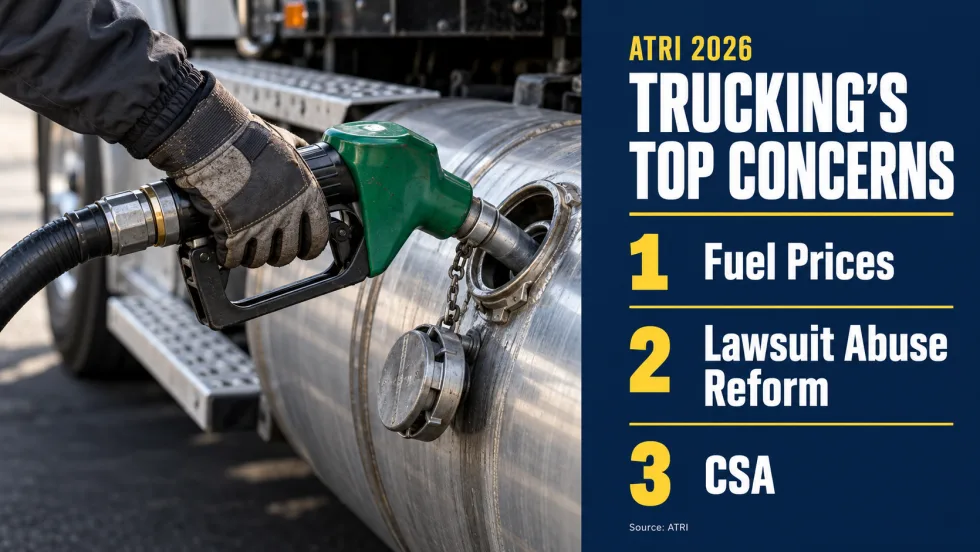
Diesel Prices Hijack Trucking’s Worry List
ATRI’s annual survey finds cautious optimism about freight, but diesel costs, litigation, and insurance continue to squeeze fleets. Drivers have different priorities on several issues.
Read More →
Nomination Deadline Extended for HDT Emerging Leaders
Just a few more days to nominate accomplished trucking fleet professionals under 40 who are making an impact and helping lead the industry forward for the HDT Emerging Leaders award. Deadline extended to October 20!
Read More →
What Will ATA’s New Leader Bring to Trucking's Table?
Incoming President and CEO Mark Colson’s record in Alabama offers clues about his priorities and approach following Chris Spear’s abrupt departure as the head of the American Trucking Associations.
Read More →
Volvo, Waabi Start Commercial Autonomous Operations in Texas
Volvo VNL Autonomous trucks, powered by the Waabi Driver, are hauling freight directly to third-party facilities for a customer in Texas.
Read More →