





Truck Tech Blog: Is Trucking Too Tough for Tesla?
Tesla Semi in 2023?
Supply-chain problems have caused Tesla to once again push out its estimated date for production of its battery-electric Class 8 Semi truck.
October 11, 2021
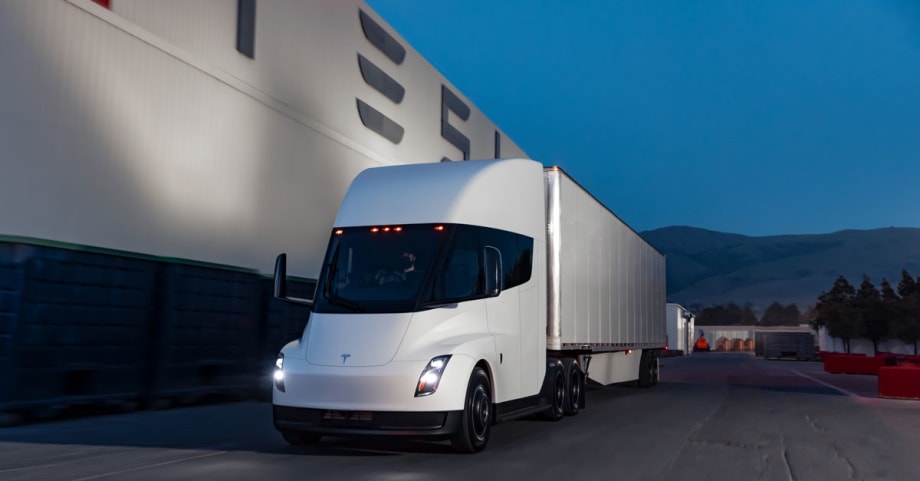
Tesla's electric Semi is now not expected until 2023.
Photo: Tesla
2 min to read
Supply-chain problems have caused Tesla to once again push out its estimated date for production of its battery-electric Class 8 Semi truck.
According to published reports, during the 2021 Tesla shareholder meeting, co-founder and CEO Elon Musk explained that supply chain issues for batteries, automotive chips, and other components have been limiting production of all Tesla products.
Musk said that no matter how many more vehicle models the company sold, it wouldn’t be able to deliver more units this year. Considering how many more batteries and chips the Semi needs compared to a Tesla passenger car, it is being delayed until these supply chains ramp up, noted CleanTechnica.
The Tesla Cybertruck is delayed until the end of 2022 for the same reasons.
“It really wouldn’t matter if we had the Semi or Cybertruck or anything, we just wouldn’t be able to make it,” Musk said.
“I think most likely what we’ll see is Cybertruck start production in the next year, and then reach volume production in 2023. And, hopefully, we can also be producing the Semi and the new Roadster in ‘23 as well. So, we should be through our severe supply chain shortages in ‘23. I’m optimistic that that will be the case.”
It’s the latest delay in a string of them since the Semi was unveiled in 2017 with a projected date of 2019 for availability. As recently as late July, a second-quarter earnings report pushed expected Semi production out to 2022. Back in January, Musk said the Tesla Semi was ready for production, held back only by a limited ability to get battery cells, but he was optimistic that the setback was only temporary.
Tesla, of course, is not the only vehicle manufacturer suffering from an inability to get critical components. Transportation intelligence firm FTR recently estimated that there are already 13,000 to 20,000 Class 8 trucks that are not yet completely built because they need semiconductors as well as other parts.
Another possible factor in this latest delay, noted CleanTechnica, is that Jerome Guillen, the longtime Tesla exec who was put over the Semi project in March, left the company in June.
Also during that shareholder’s meeting, Musk announced Tesla will move its headquarters from Silcon Valley in Fremont, California, to Austin, Texas. He cited affordability, space and convenience as some of the reasons behind the move.
Musk has been hinting at the move since May of 2020, when California COVID-19 restrictions temporarily shut down Tesla's operations in Fremont. He called the restrictions "fascist.”
More Fuel Smarts

Trucking’s Diesel Squeeze Isn’t Letting Up
With diesel topping $6 a gallon nationally, ATA's Bob Costello explains why fleets should prepare for continued pressure at the pump.
Read More →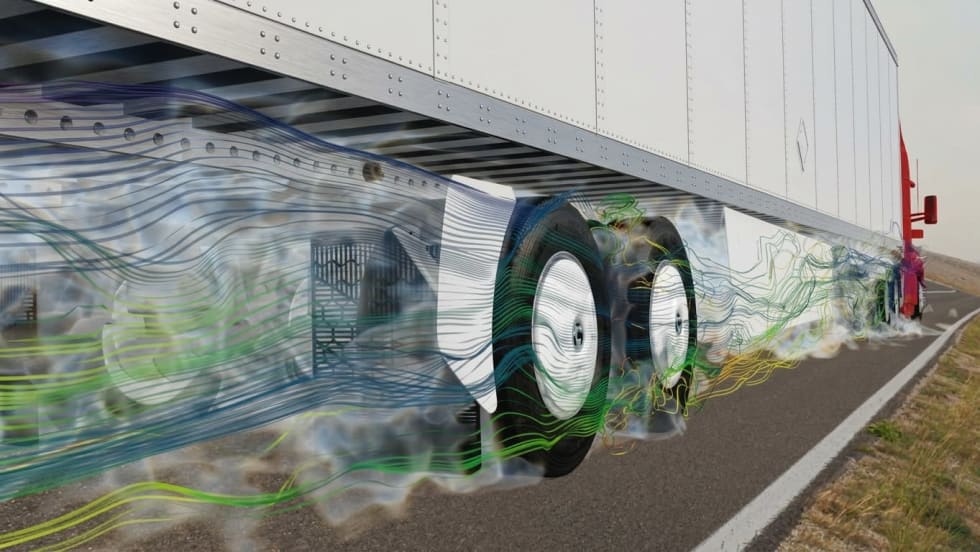
FlowBelow Redesigns Trailer AeroSlider to Cut Fuel Use
The lighter trailer aerodynamic system installs in less than 45 minutes, according to the company, with potential payback in under a year depending on fuel prices and trailer mileage.
Read More →
Why Diesel Price Relief Efforts May Fall Short
Diesel prices have eased from September’s record high, but doubts about additional Russian supply and limits on dyed-diesel tax relief mean trucking fleets still face expensive fuel. And prices could go higher.
Read More →
Why Small Fuel Savings Matter in Trucking
Can better fuel economy help pay for driver raises? In this podcast, GP Transco explains how small efficiency gains create room to reinvest in its people.
Read More →
How GP Transco Cuts Trucking Fuel Costs, a Tenth of a Gallon at a Time
What’s another tenth of a mile per gallon worth? GP Transco shares how equipment upgrades and driver coaching turn small gains into meaningful fuel savings.
Read More →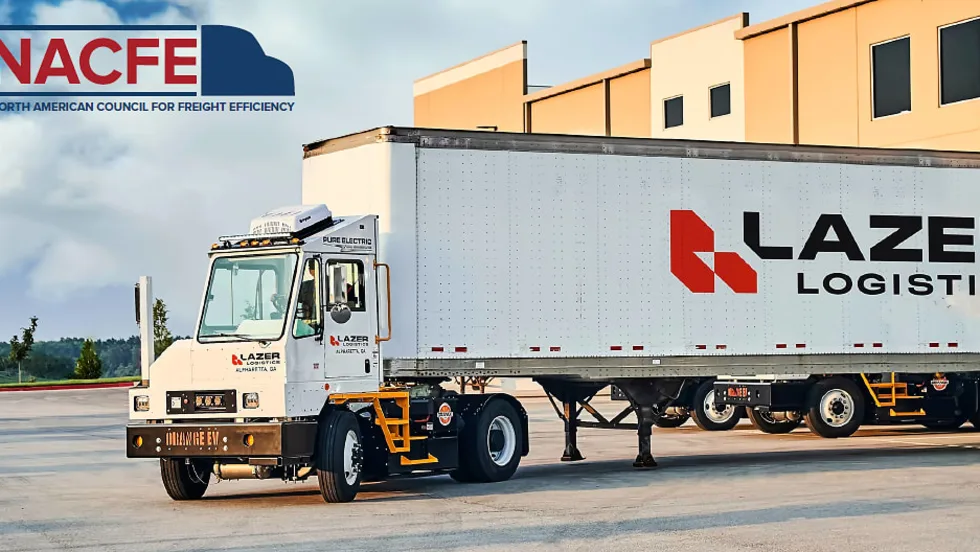
Electric Yard Tractors Move Beyond Pilots
Operating-cost savings have overtaken sustainability goals as the leading reason surveyed fleets are adopting battery-electric terminal tractors, according to new NACFE research.
Read More →
Geotab Links Fleet Card to Vehicle Data
The new card combines fuel discounts with telematics-based purchase controls. Geotab’s analysis also points to potential savings from choosing lower-priced fuel stops.
Read More →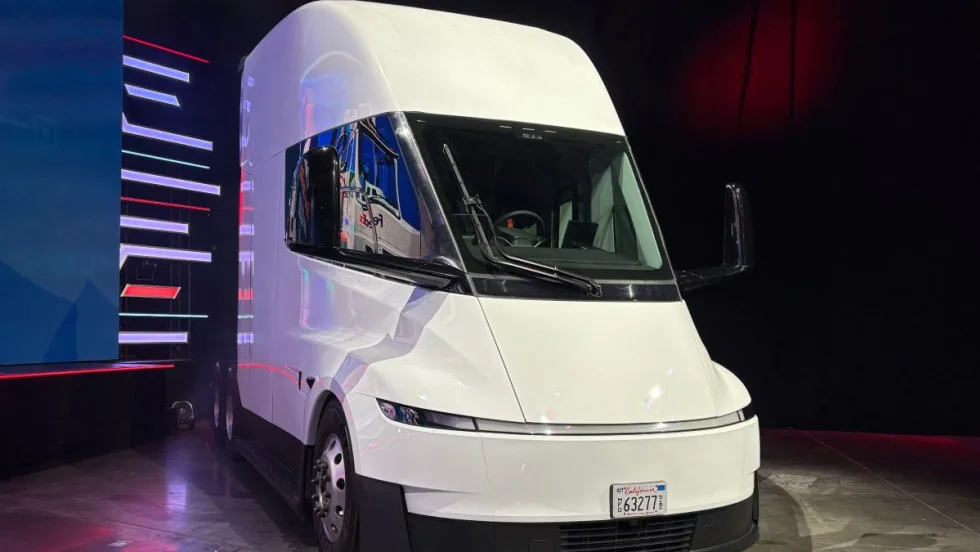
Fleet Economics Shape Electric Truck Outlook
ACT Research expects costs, charging infrastructure, and technology improvements to drive zero-emission commercial vehicle adoption as federal regulations and incentives retreat.
Read More →
Wex Adds Cardless Fuel Payments for Over-the-Road Customers
A new fuel card feature for Wex customers offers convenience and security.
Read More →
New California Law Could Shed Light on Electric Truck Prices
Why do battery-electric Class 8 trucks remain so expensive? A California bill signed by Gov. Gavin Newsom would give fleets and state agencies more visibility into what manufacturers charge.
Read More →