




Market Analysts Say Trucking Capacity Has Peaked
The trucking industry, and the supply chain as a whole, are in an upcycle, but analysts suspect that the industry has reached its peak.


Data from the Council of Supply Chain Management Professionals’ Logistic Managers Index shows that between May 2020 and February 2021, inventory costs, warehouse prices and transportation prices were between 27 to 39 points higher than the breakeven number.
Graph: CSCMP
The trucking industry, and the supply chain as a whole, are in an upcycle, but analysts from Truckstop.com and Transportation Futures suspect that the industry has reached its peak.
Data from the Council of Supply Chain Management Professionals’ Logistic Managers Index shows that between May 2020 and February 2021, inventory costs, warehouse prices and transportation prices were between 27 to 39 points higher than the breakeven number. This index is a good indicator of the entire supply chain market, said Noel Perry, a transportation economist from Transportation Futures, during a April 15 webinar hosted by Stifel called “What Lies Ahead for the Truck Freight Market.”
As far as trucking specifically is concerned, since the third quarter of 2020, spot truck rates have risen above the five-year average between 2015 and 2019, according to Brent Hutto, chief relationship officer at Truckstop.com.
The increase has been driven by a manufacturing boom during the COVID-19 pandemic, with steady availably of household disposal income that consumers shifted from service-based purchasing (like travel) to hard goods that move by truck. But that’s not likely to continue at the same pace for the rest of the year.
Perry and Hutto agreed that it looks like trucking has reached its peak capacity. Which, Perry stressed, doesn’t mean it’s not going to be “spectacular year.” Just that it won’t be any more spectacular than it already is.
“These things happen when [you have] strong demand and weak supply,” explained Perry. “Capacity peaks happen when there is an acceleration and the industry can not keep pace.”
Why is pressure so tight on trucking? A cumulation of intertwining factors.
1. Tight Capacity
With about 40% fewer drivers graduating from commercial driving schools during the pandemic, and a further 50,000 drivers lost through the Drug & Alcohol Clearinghouse, Hutto said this has put pressure on an already tight market.
2. Consumer Purchasing
During the pandemic, consumers were purchasing more hard goods in comparison to service-based goods, and shifting to online sales. Up to 31% of consumers were purchasing online in the U.S., according to Hutto.
“Every goods purchase hits a truck, and that creates a lot more load volumes in the market, which creates a tightness in the marketplace,” he said.
3. Changing Inventory Levels
During the pandemic, many manufacturers were caught short on product as consumer spending habits changed. This led to manufacturers needing to warehouse more things because they didn’t want to get caught short on product again. In turn, businesses were warehousing more items, which lead to warehouse capacity being at an all-time low.
4. High Rates
Rates were at an all-time high going into this year, while traditionally they usually go down in November in December. In typical times, the low rate meant that the negotiation for contract freight and some spot freight tended to be at about 1 to 2%. But in 2020, the average shipper had a price increase of between 8 and 15%, according to Hutto.
“That is a remarkable increase when it comes to the market,” Hutto said. “It’s another indicator of tightness because the carrier had the advantage in negotiating those contracts.”
5. Contract Freight Rejections
One in four loads are being rejected electronically, according to FreightWaves data referenced by Hutto. That’s a big number, he said.
Additional factors include growing confidence in the economy and more freight coming as service purchasing rebounds.
More Equipment
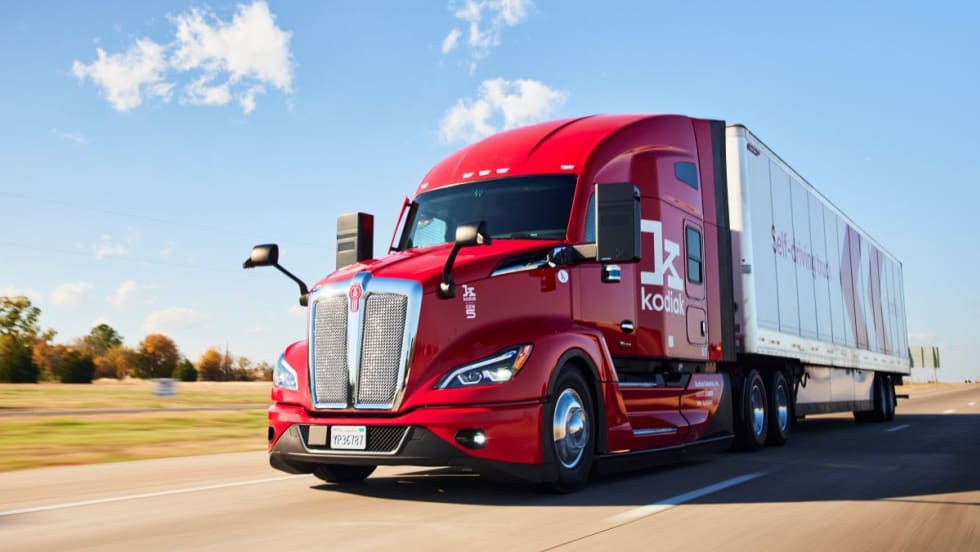
Autonomous Truck Testing Moves Ahead in California as Teamsters Challenge Rules
California has begun permitting heavy-duty autonomous truck testing, with Aurora and Kodiak among the first to receive approval, as the Teamsters sue the DMV over the new regulations.
Read More →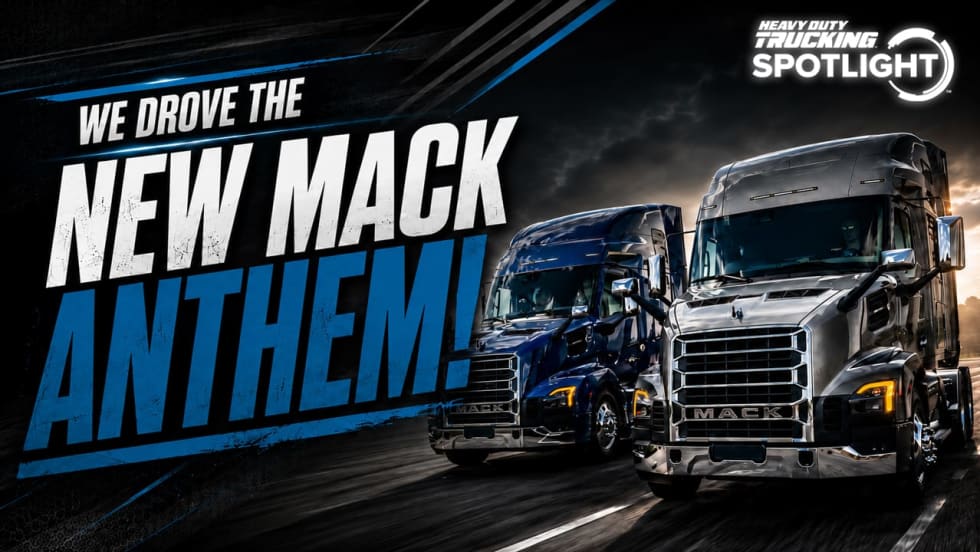
Behind the Wheel of the New Mack Anthem [Video]
HDT takes the new Mack Anthem around Mack’s Pennsylvania test track to see how its driver-focused design, technology, visibility and handling perform from behind the wheel.
Read More →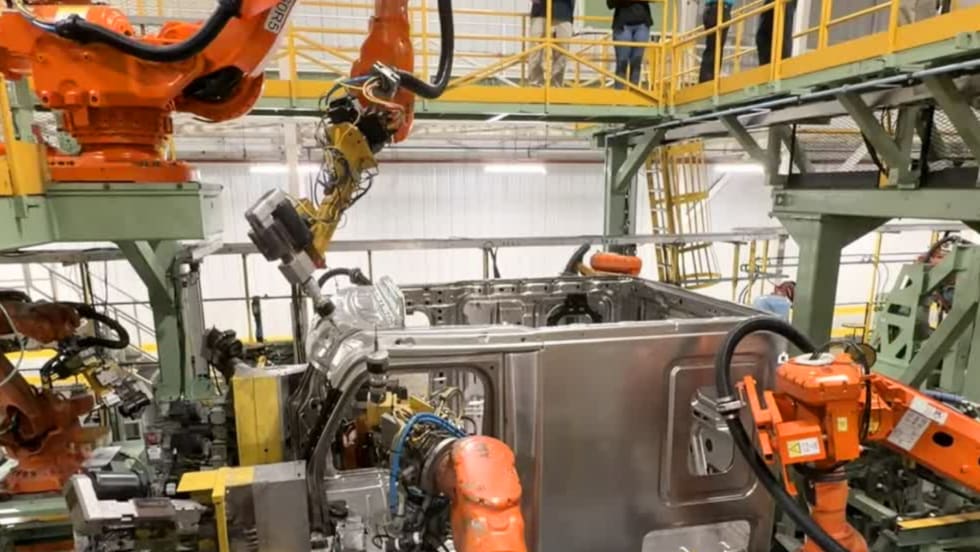
DTNA Plans New U.S. Truck Plant as Manufacturing Footprint Shifts
Daimler Truck North America is evaluating sites for a new assembly plant expected to open in 2029 while winding down operations at its longtime Portland manufacturing facility.
Read More →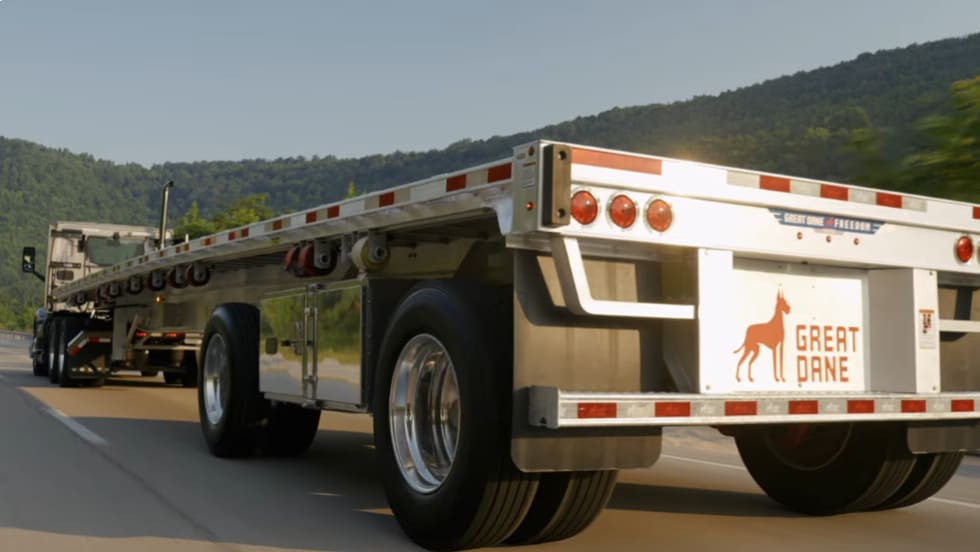
Great Dane Flatbed Trailer Offers Light Weight and Strength
Freedom Ultra is designed for a wide range of open-deck applications, including building materials, lumber, machinery, steel products, industrial freight, and coil hauling.
Read More →
What It's Like Inside this Custom 2025 Peterbilt 589?
Take a driver's-eye tour of this customized 2025 Peterbilt 589 in this video, as longtime driver Ingrid Brown explains its features, compares it to previous models, and shares plenty of personality along the way.
Read More →
Drivers Put Western Star Trucks to the Test at Star Nation Experience
Watch to get an inside look at the Western Star trucks, technology, and community behind the Star Nation Experience 2026!
Read More →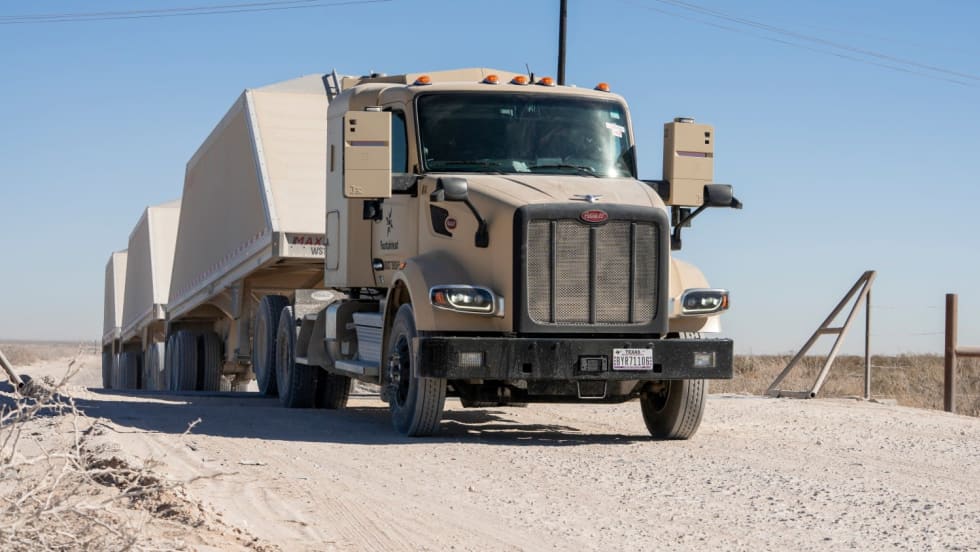
Atlas Expands Kodiak Driverless Truck Fleet in Permian Basin
Atlas Energy Solutions is expanding autonomous frac sand hauling in the Permian Basin with a second load-out location and plans for 100 driverless trucks by mid-2027.
Read More →
Putting Mack’s Command Steer to the Test
A test drive of Mack’s Command Steer active steering system evaluates how it can make truck driving easier and less tiring.
Read More →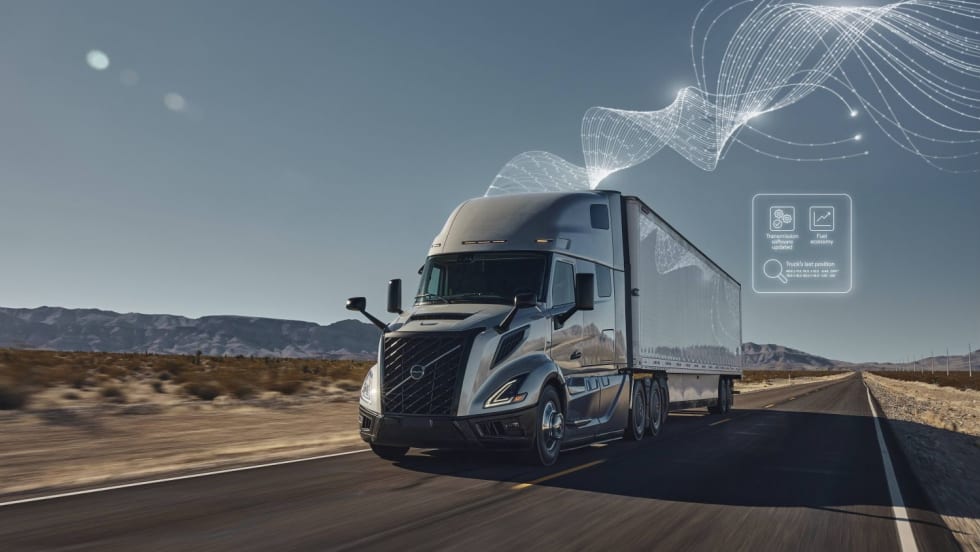
Mack, Volvo Expand DEF Derate Software Updates
The updated software gives Mack and Volvo truck owners more time to address DEF-related issues before the engine derates or the vehicle goes into reduced-speed inducement, following new EPA guidance.
Read More →
Rush, MCT Team Up to Grow Refrigeration Service Network
The joint venture will operate MCT's network of Carrier Transicold dealerships and mobile service locations, with the companies promising greater service capacity and uptime for refrigerated fleets.
Read More →