




Phillips Connect TrailerID Automates Trailer Pairing to Cut Errors and Boost Fleet Visibility
New hardware-and-software solution from Phillips Connect confirms tractor-trailer connections automatically, eliminating manual driver input and improving compliance, dispatch accuracy, security, and billing.

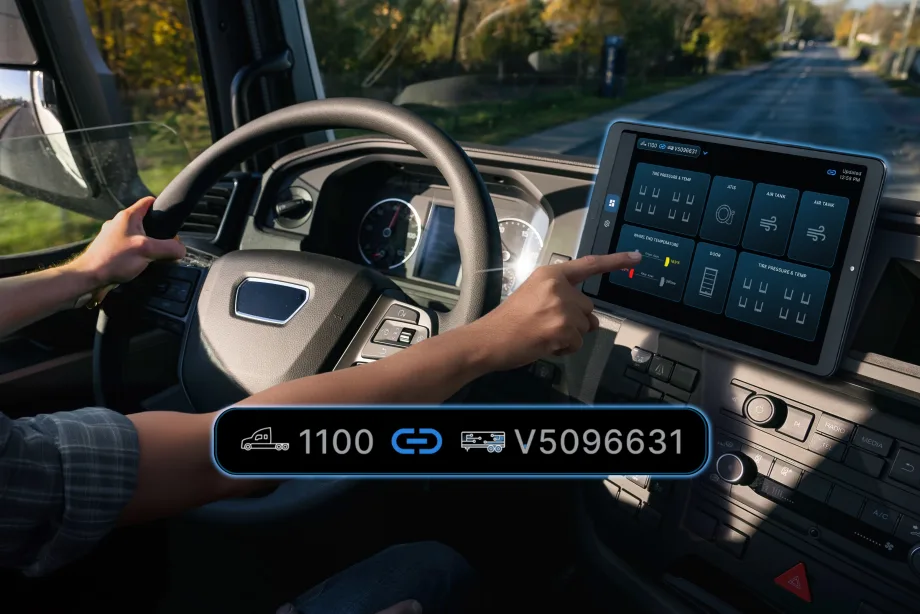
Phillips Connect says its new TrailerID solution is designed to eliminate that friction point by automatically identifying the connected trailer the moment it’s hooked.
Phillips Connect
In day-to-day freight operations, tractors and trailers are constantly being swapped in yards, terminals, and customer locations.
And in many fleets, drivers are still asked to manually confirm which trailer they’ve hooked to before rolling out. It sounds simple enough. But when that step is rushed, skipped, or entered incorrectly, the ripple effects can spread far beyond the cab. That can affect safety records, inspections, dispatch decisions, load security, and even billing.
Phillips Connect says its new TrailerID solution is designed to eliminate that friction point by automatically identifying the connected trailer the moment it’s hooked.
Instead of relying on manual input, TrailerID confirms the tractor-trailer pairing through the physical connection itself and pushes that verified information across the fleet systems already in use.
“Accurate trailer identification affects nearly every part of a fleet’s operation,” said Mark Wallin, general manager and senior vice president of product at Phillips Connect. “With TrailerID, logs stay cleaner, jobs line up with what actually happened, trailers are easier to account for, and billing is easier to start and reconcile.”
From Driver Task to Data Event
At its core, TrailerID removes a manual step from the driver’s in-cab workflow. Pairing happens automatically when the tractor and trailer connect, reducing screens, selections, and opportunities for error.
But the impact extends well beyond the cab, according to Phillips.
Once confirmed, trailer identity data is shared with dispatch, safety, compliance, operations, and billing teams.
That means Hours-of-Service logs and inspection records reflect the correct trailer automatically. Dispatch and planning teams can confirm that the trailer assigned to a job is the one that actually left the yard. Compliance teams reduce rework tied to incorrect trailer entries. And billing departments can initiate invoicing based on verified movement events.
By automating that pairing process, Phillips Connect says fleets gain a cleaner, more reliable operational record without adding complexity for drivers.
Reducing Mispulls and Improving Yard Visibility
Trailer mispulls remain a persistent headache for many fleets, especially in high-volume yards where tractors cycle through multiple trailers daily.
With automated confirmation of which trailer moved and when, operations teams can quickly identify mismatches between planning and execution.
That visibility allows fleets to spot trailers that were moved unexpectedly. It also helps identify assets sitting idle, reduce yard hunts and manual verification, and tighten job execution alignment. Instead of relying on estimated GPS proximity or driver input, TrailerID confirms pairing through the physical tractor-trailer connection using Phillips Connect’s T/T Pair connector, validated through its software platform.
According to the company, that vertically integrated hardware-and-software approach delivers more dependable identification than solutions based solely on GPS or geofencing logic.
Supporting Security and Billing Confidence
The implications also extend to load security and revenue integrity, Phillips said.
Knowing exactly when and where a trailer was dropped provides a clearer chain of custody, helping fleets reduce theft and fraud exposure.
At the same time, verified trailer movement events can trigger billing workflows more quickly, without waiting on manual confirmation or follow-up calls.
In short, Phillips said a confirmed pairing event becomes a trusted operational data point across the organization. Drivers experience the pairing automatically through Phillips Connect’s DriverAssist app, while back-office teams access the same verified events through the Connect1 platform.
TrailerID is available directly through Phillips Connect’s DriverAssist platform and through integrations with leading in-cab and telematics environments, including Platform Science and Geotab’s OrderNow Marketplace.
More Equipment

Kodiak Targets Dallas–Houston for Driverless Trucks
The company says its autonomous trucks are completing the I-45 run without a safety observer taking control. It plans to remove the observer by the end of 2026.
Read More →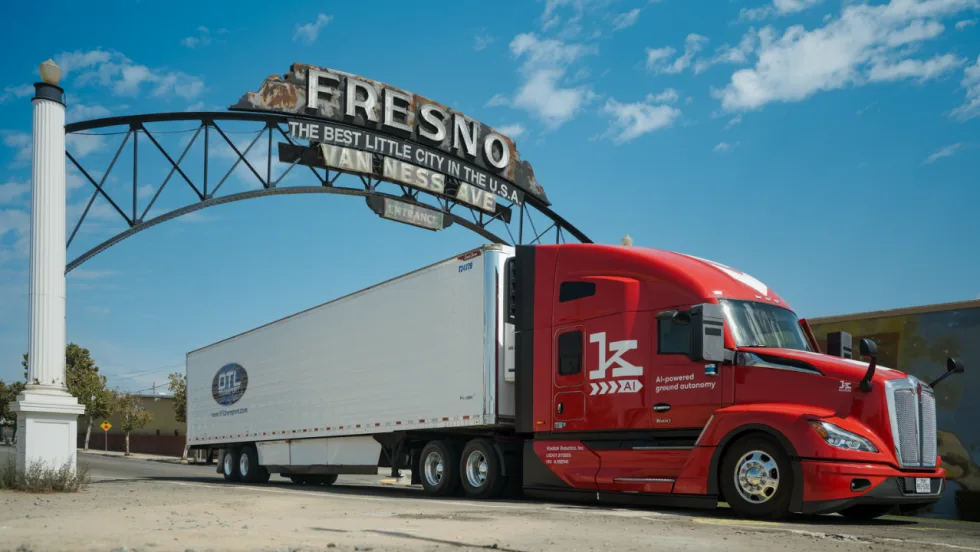
Kodiak Hauls Produce in California Autonomous Truck Pilot
Kodiak AI and DTL Transport have begun hauling produce between Fresno and Los Angeles under California’s new rules for testing heavy-duty autonomous trucks. A safety driver remains behind the wheel.
Read More →
Used-Truck Remarketing Math Is Changing
Used-truck value is no longer just a concern at trade-in. Decisions made throughout a truck’s first life can influence what it’s worth years later.
Read More →
How Volvo Updated Its D13 for EPA 2027 [Watch]
Volvo’s updated D13 promises lower emissions without sacrificing performance or fuel economy. Take a closer look at what changed inside the engine in this HDT Spotlight video.
Read More →
Michelin Tire Improves Efficiency and Durability for Regional Fleets
The Michelin X Multi Energy D2 is a regional haul drive tire engineered to help fleets improve fuel efficiency, durability and traction in demanding stop-and-go operations.
Read More →
ZF Expands Commercial Vehicle Push in North America
ZF is expanding its North American commercial-vehicle presence with new transmission applications, electrification, trailer technology and autonomous-driving systems.
Read More →
Tesla Wants a Self-Driving Semi. Are Cameras Enough?
Could Tesla’s camera-only autonomous driving technology work on an 80,000-pound Semi? In this commentary, HDT's Deborah Lockridge takes a look at Tesla, Cybercab, and how autonomous trucks see the road.
Read More →Kodiak: Driverless Long-Haul Truck Launch on Track for 2026
Kodiak AI says its driverless long-haul safety case is 93% complete and it remains on track to begin commercial operations by year-end 2026.
Read More →
What DOT’s Automated Vehicle Strategy Means for Trucking
The U.S. Department of Transportation issued a new automated-vehicle strategy that outlines plans for driverless-truck regulations, cross-state freight corridors, and federal safety standards.
Read More →
East Coast Port Launches $45M Electric Truck Push
The Port Authority of New York and New Jersey announced millions in incentives for zero-emission drayage trucks, yard tractors, and new charging hubs near the port.
Read More →