




The Rise of ADAS: The Fleet Experience
Advanced driver assistance systems have come a long way in the past few years. These fleets say they are very happy with the results so far, but driver training and coaching are key.


Advanced driver assistance systems make highways safer for everyone.
Photo: Jim Park
Advanced driver assistance systems got their start in 1972, when Eaton began work on what would become its Vorad system, trucking’s first collision warning system. Vehicle Onboard Radar went through multiple iterations during testing and prototyping before becoming commercially available in 1991. Initial driver acceptance wasn’t enthusiastic, but fleets and engineers recognized the potential of the technology.
In the past three decades, systems that once provided only simple (and often annoying) following-distance alerts are now capable of bringing at-risk vehicles to a complete stop to minimize the severity of crashes or avoid them altogether.
These little modern miracles make up for some human shortcomings like distraction, bad judgment, and even aggression, but are they the final word in safety? Do they pay for themselves? Are they worth the investment?
While few fleets would say they regret investing in ADAS technology, many are quick to say they are much happier with today’s more sophisticated systems than the earlier versions, plagued as some were with nuisance alerts. Who hasn’t heard the term “guardrail detection system” applied to some ADAS technology? Unfortunately, those false alerts in early systems have made driver acceptance of current technology a bit of an uphill battle — until they experience it.
“You want drivers to be satisfied with the technology and appreciate what it can do for them,” says Brian Gigoux, vice president of equipment and maintenance at Groendyke Transport, a bulk tanker fleet, which has invested heavily in driver training from the time the first trucks equipped with roll-stability systems came online back in 2005. “That can require some coaching and encouragement, especially with something like adaptive cruise control.”
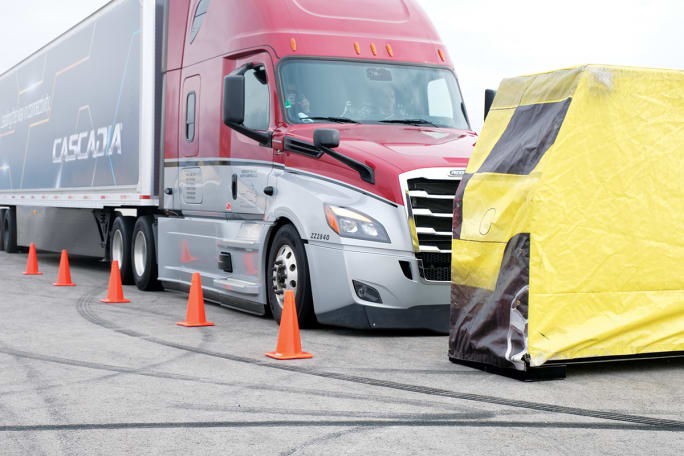
Some of today’s systems are capable of bringing the truck to a complete stop in about three seconds from 55 mph.
Photo: Jim Park
Two Fleets’ Experience with ADAS
The needle seems to be swinging now from the “dislike” to the “like” column, thanks to refinements and improvements in ADAS capability. The number of false alarms is dropping, and the warning bells and buzzers have been dialed back so they aren’t quite so annoying.
Steve Rush, president of Wharton, New Jersey-based Carbon Express, says there’s nothing he doesn’t like about any of the ADAS products his fleet uses. But he’d still like to see a few improvements.
“I’m knocking on wood and saying a prayer while I say this, but we haven’t had a rollover incident in close to 15 years,” he says. “We used to have one about every five years. I attribute a lot of our success there to the electronic roll stability system. With a liquid tank, you need all the help you can get.”
Carbon Express’ tractors are equipped with all the latest ADAS tools, including adaptive cruise control, forward collision warning, electronic stability control and blind-spot detection. The latter is the only one Rush hopes to see improve. “The results have been poorer than we had hoped; we are still seeing blind-spot accidents,” he says. “The drivers have lowered the volume on the alerts, which tells me they haven’t embraced the technology.”
He says he’d like to see a wider field of view on the blind-spot detectors.
Some systems now use two side sensors, one that captures activity on the right-hand side of the tractor and another that is focused rearward toward the trailer wheels, which can be useful in monitoring right-hand turns.
Overall, Groendyke’s Gigoux is equally happy with his ADAS investment. He is quick to note that while some small irritants still exist, OEMs are resolving them with generational updates or software updates.
“We got feedback from the drivers on some of the earlier systems we installed indicating there were getting multiple alarms simultaneously,” Gigoux says. “Depending on the circumstances, they were getting lane-departure warning and blind-spot warnings on top of forward collision warnings — rumble-strip sounds through the speakers, beeps and flashing lights on the dash and right-hand A-pillar. It sometimes got to be a bit much for them all at once. But I have to say, the OEMs have done a very good job at prioritizing the warnings on the newer generation equipment so only the most pressing alert sounds.”
He says there’s sometimes some confusion in the displays that show speed limit signs; they sometimes mistake highway route signs for speed limit signs. And on some two-lane roads, he says, guardrails can set off the blind-spot alerts.
“What the driver sees on the displays in a four- or five-year-old system is quite different from what they see on a new Paccar truck [with the Bendix system] or a Freightliner product,” he says. “Those differences will disappear as we cycle those older trucks out of the fleet. By next year, 100% of the fleet will be fully equipped with ADAS systems.”

Drivers still rebel against the space cushion imposed by forward collision avoidance systems, but they are proven to reduce rear-end collisions.
Photo: Jim Park
Training and Coaching
Whether you like or dislike ADAS may depend on where you sit. Any technology that reduces crash risk tends to be seen as positive by fleets, insurers, safety advocates, etc. Drivers, on the other hand, might not be quite so willing to embrace it. Certain systems are designed to change behavior, such as adaptive cruise control and forward collision warning and mitigation. Drivers are willing to accept the risk associated with following “too closely” if doing so serves some purpose, like preserving vehicle momentum or accelerating to make a passing maneuver. They tend to dislike the audible warnings and eschew automatic brake applications that force the truck to slow down and reestablish a safer following distance.
Rush says his drivers took readily to most of the technology, but reports suggest they are not adapting well to the forward collision warnings.
“It takes a while for the drivers to accept the technology, because they tend to follow closer than the system feels is safe,” he says. “We can train all day long on following distance and how to use the system, but it’s still up to the driver to learn to accept what the system is trying to do.”
Groendyke’s Gigoux says the 2.5-second following interval frustrates drivers, because cars will almost always pull into the gap, forcing the driver to back off to maintain that space cushion.
“We don’t want drivers to work against the system,” he says. “We coach them to accept that the truck can manage the interval on its own so they can keep both hands on the wheel and stay safe.”
When collision mitigation systems began to appear, Groendyke wanted drivers to understand the technology. It soon built an archive of training videos from the system suppliers and rolled them into the company’s smartphone app, so drivers have access to them anytime, day or night. Safety meetings were held to explain how the systems worked, what drivers could expect, and what the systems would do for the drivers.
ADAS is more than “training wheels” for new drivers, as some have described it. But even veteran drivers need some formal introduction to the systems so they will understand the reasons for the alerts and be prepared for the initial shock of some of the haptic warnings.
“You really have to sell this technology,” Gigoux says. “You can’t just put it out there and say, ‘deal with it.’ You have to explain to the driver the foundation and the principle behind the systems. To get the full value from these systems, the training and coaching part is imperative.”
More Equipment

Kodiak Lines Up Fleets for Driverless Trucking
An agreement for 75 trucks, a new Texas freight lane, and progress on safety validation move Kodiak closer to its planned driverless highway launch.
Read More →
How GP Transco Builds Fuel Savings a Fraction at a Time
Aerodynamic specs, solar panels, and driver incentives help GP Transco turn small efficiency gains into savings it can reinvest in its people.
Read More →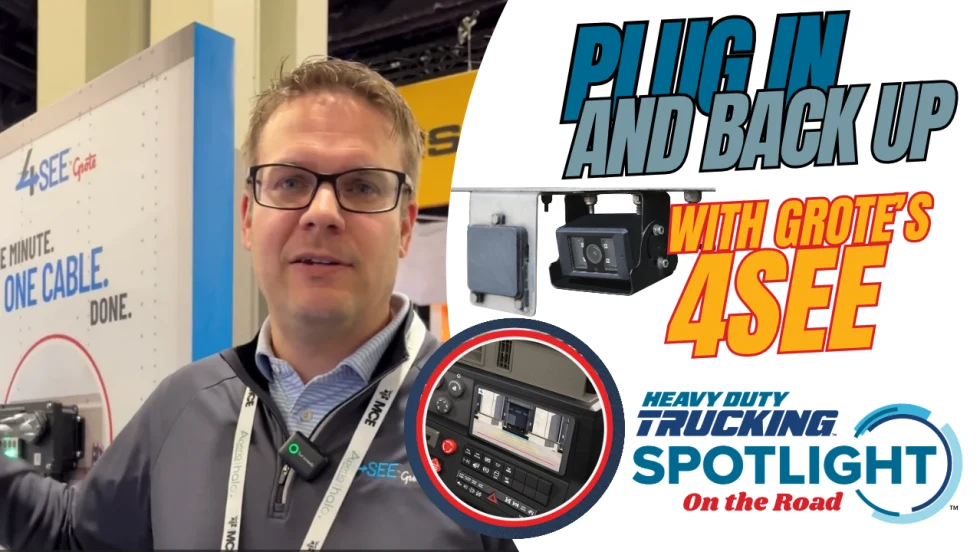
More Trailer Data Through the Same Seven-Way [Video]
Can trucking’s standard seven-way connector handle more cameras and trailer data? Grote’s Adam Slade shows HDT how the company is using new technology with its 4See trailer system, not only to add a new backup camera but also to expand other capabilities — without adding another connection.
Read More →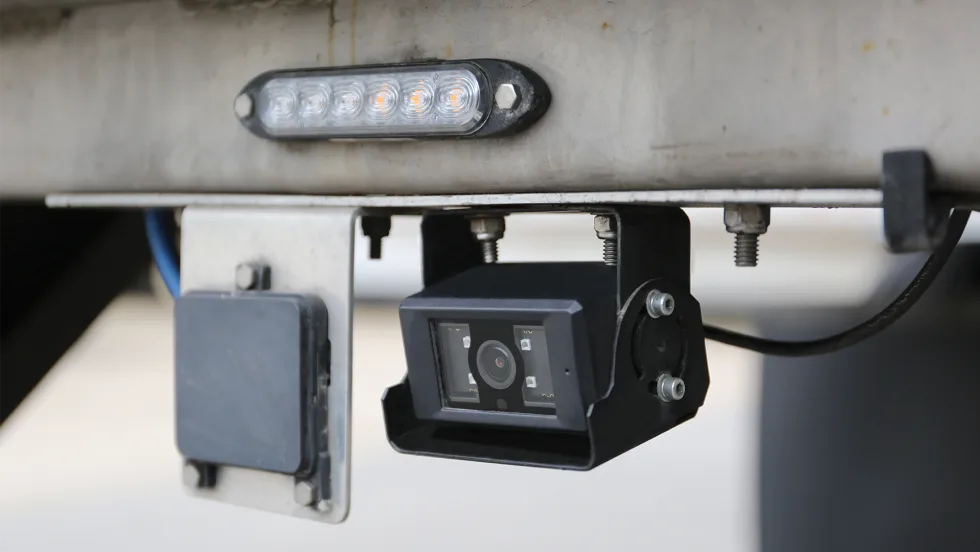
Grote: More Cameras, Same Seven-Way Connector
The next-generation 4See rear-view backup camera from Grote uses the standard seven-way connector and supports additional cameras and other trailer data.
Read More →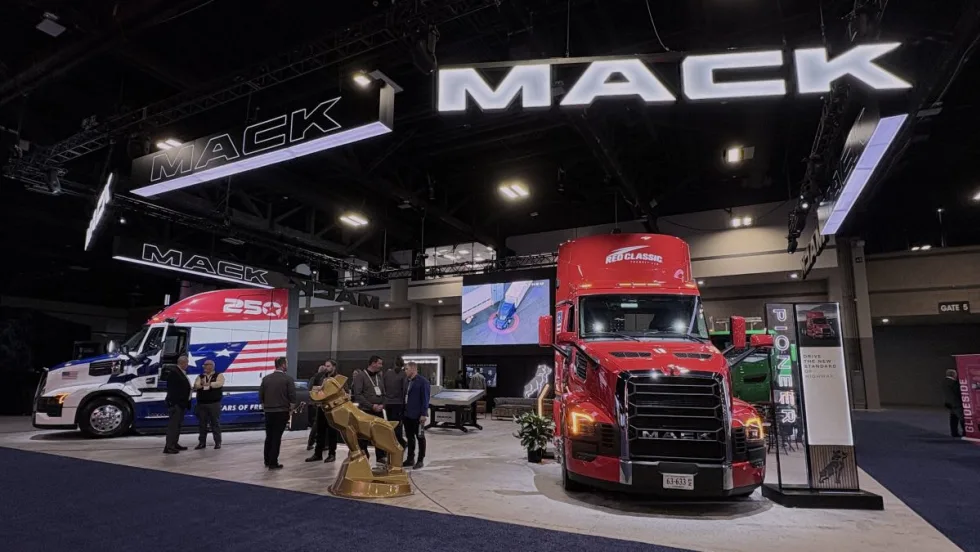
Trucks at ATA's 2026 MC&E in Charlotte, North Carolina [Photos]
From rigs decked out in patriotic America's 250 paint schemes to autonomous trucks and more, check out these photos from ATA's 2026 Management Conference & Exhibition.
Read More →
Help HDT Find Trucking’s Top Products
Have you come across a new product that could make a difference for trucking fleets? Nominate it for HDT’s 2027 Top 20 Products Awards by November 9.
Read More →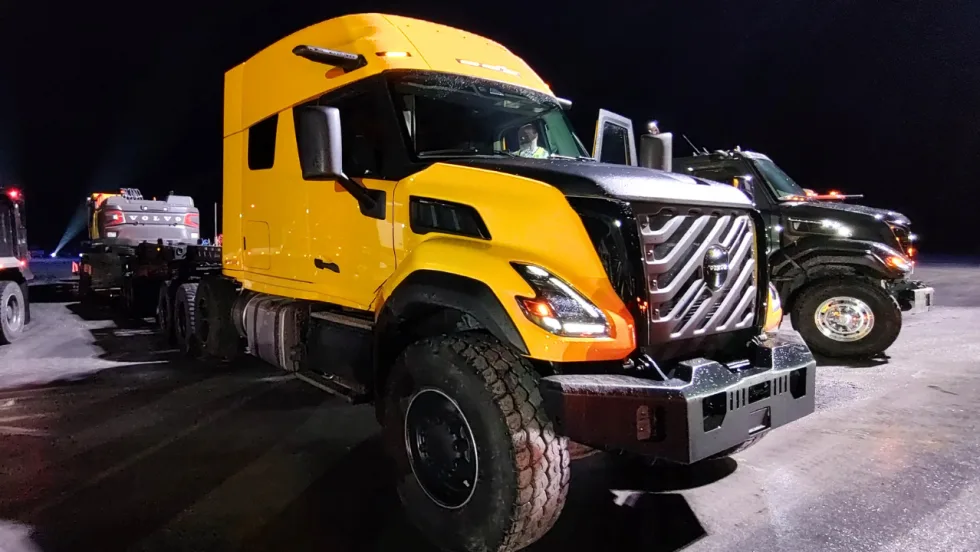
Volvo Unveils New VNX Heavy-Haul and Vocational Truck
Volvo Trucks has launched the VNX, a new vocational truck also available as a tractor in day cab and two sleeper configurations, with one heavy-haul model. The Volvo VNX is powered by Volvo's D13 platform, which delivers up to 540 horsepower and 1,950 pound-feet of torque and is EPA 2027-compliant.
Read More →
How GP Transco Cuts Trucking Fuel Costs, a Tenth of a Gallon at a Time
What’s another tenth of a mile per gallon worth? GP Transco shares how equipment upgrades and driver coaching turn small gains into meaningful fuel savings.
Read More →
Electric Yard Tractors Move Beyond Pilots
Operating-cost savings have overtaken sustainability goals as the leading reason surveyed fleets are adopting battery-electric terminal tractors, according to new NACFE research.
Read More →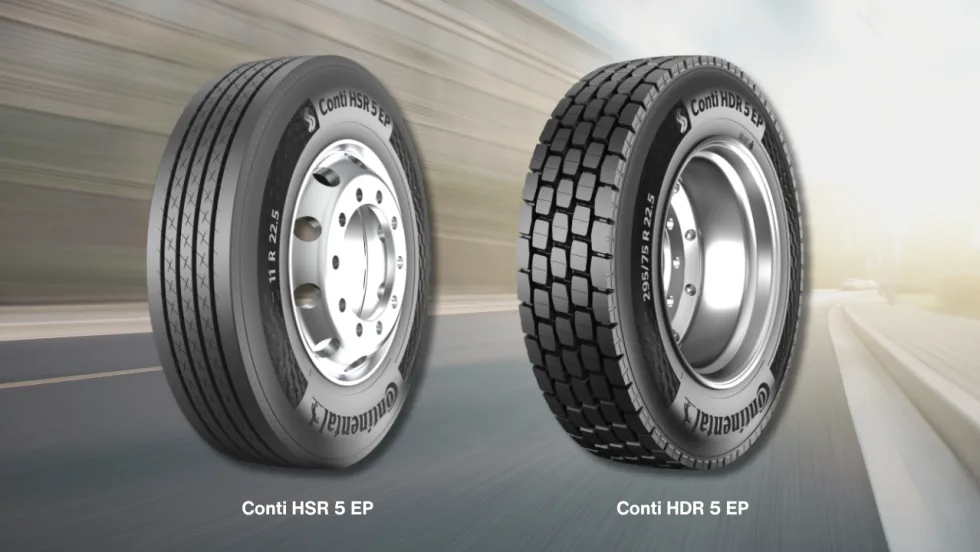
Continental Introduces New Regional Truck Tires
Continental says its new Generation 5 steer and drive tires for regional operations offer longer tread life, with estimated mileage gains of 22% and 19%, respectively.
Read More →