


 MENU
MENU SEARCHMENUSEARCH
Loading data...
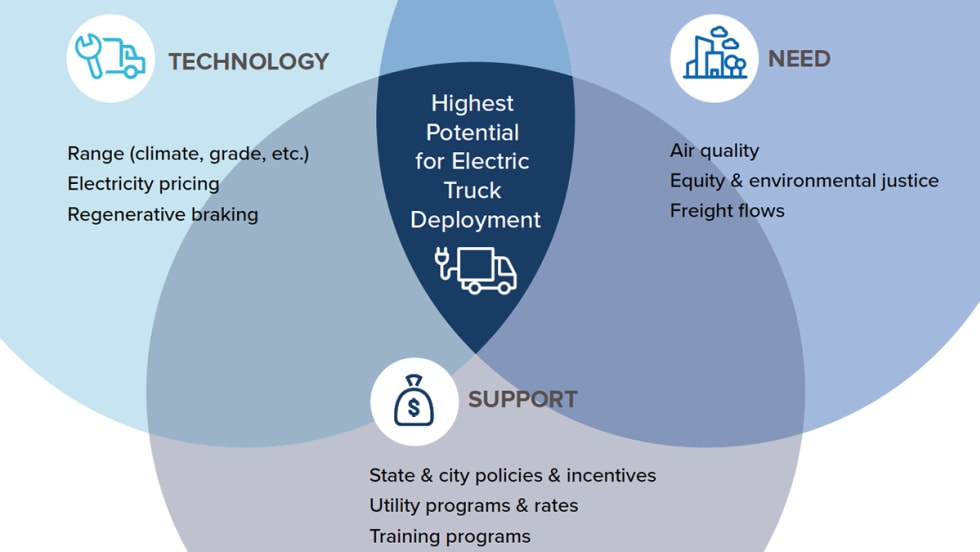
The North American Council for Freight Efficiency (NACFE), along with the Rocky Mountain Institute (RMI), released a report on a three-prong electrification framework that could make electric trucks a reality in states other than just California.
Read More →
Season three of the HDT Talks Trucking podcast is now available, featuring topics such as fuel economy technologies, improving driver retention, and conversations with HDT's 2020 Truck Fleet Innovators.
Read More →
Fuel economy may not be top-of-mind for some regional fleets because of the higher priorities placed on servicing the application. However, technologies exist that can improve fuel efficiency in almost every instance.
Read More →
Look at fuel economy with an eye to the future. Many factors go into the decision to invest in a technology that will save fuel.
Read More →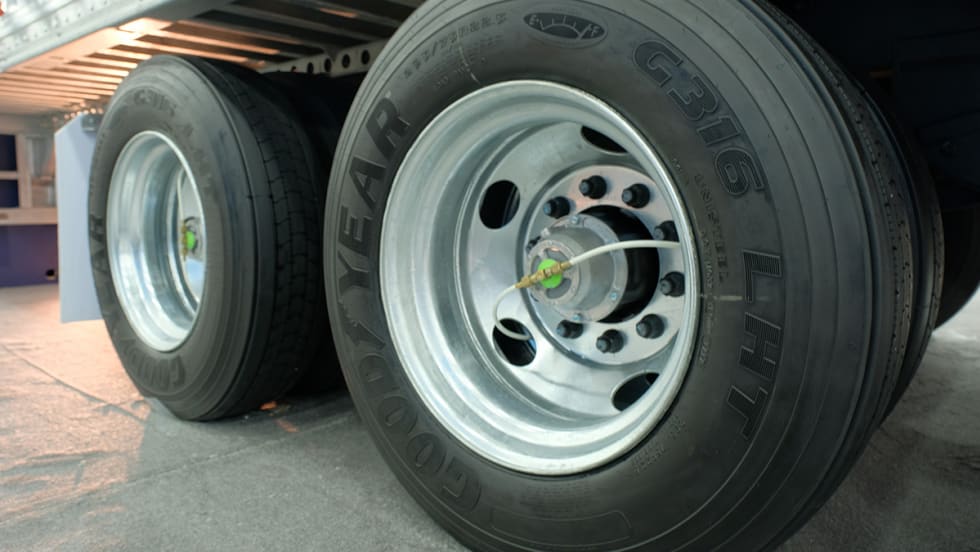
The North American Council for Freight Efficiency revised and updated its Tire Pressure Systems Confidence Report, originally published in 2013.
Read More →
HDT speaks with Rick Mihelic, the director of future technologies at the North American Council for Freight Efficiency (NACFE), about the necessary resources to power electric trucks, and how they create sweeping change to what we currently know about buying, selling, operating, and maintaining trucks.
Read More →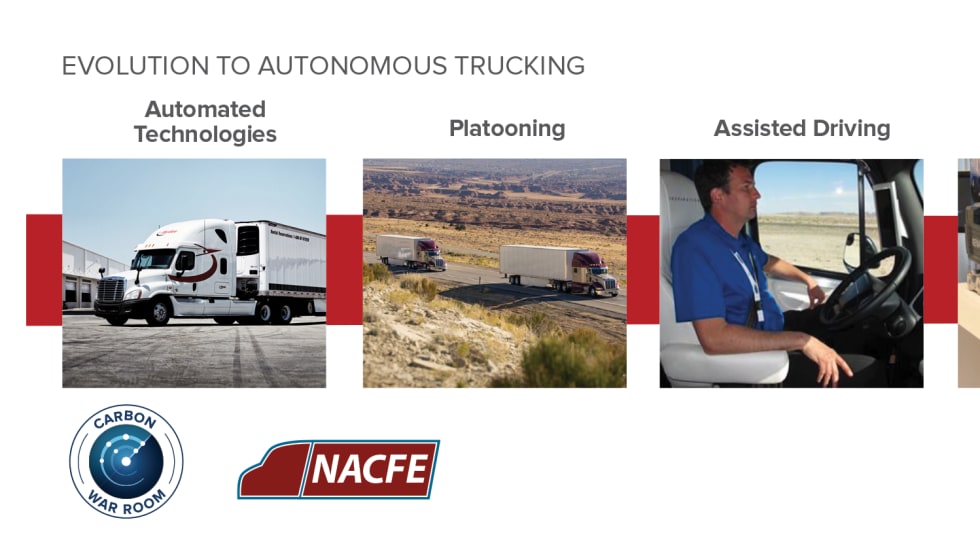
The money thus conserved will pay back a $1,050 to $2,800 investment for necessary equipment in one to two years, it estimates.
Read More →
Carbon War Room and the North American Council for Freight Efficiency have officially launched a joint program to drive the adoption of efficiency technologies and double fleet efficiency. The launch was marked with the release of a free, independent, online technology guide to help fleet owners make the best choices for their operations.
Read More →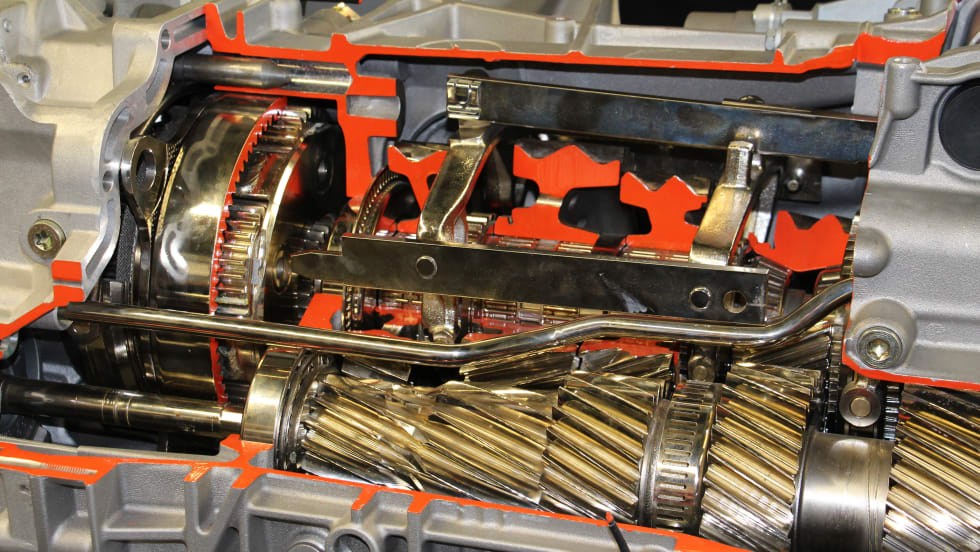
Fleets operating 41,000 tractors and 130,000 trailers achieved fuel savings of $7,200 per year per truck by adopting a variety of new technologies, according to a new study released Wednesday by the North American Council for Freight Efficiency.
Read More →