




Report: New Truck Technologies Can Dramatically Cut Fuel Bills
Fleets operating 41,000 tractors and 130,000 trailers achieved fuel savings of $7,200 per year per truck by adopting a variety of new technologies, according to a new study released Wednesday by the North American Council for Freight Efficiency.
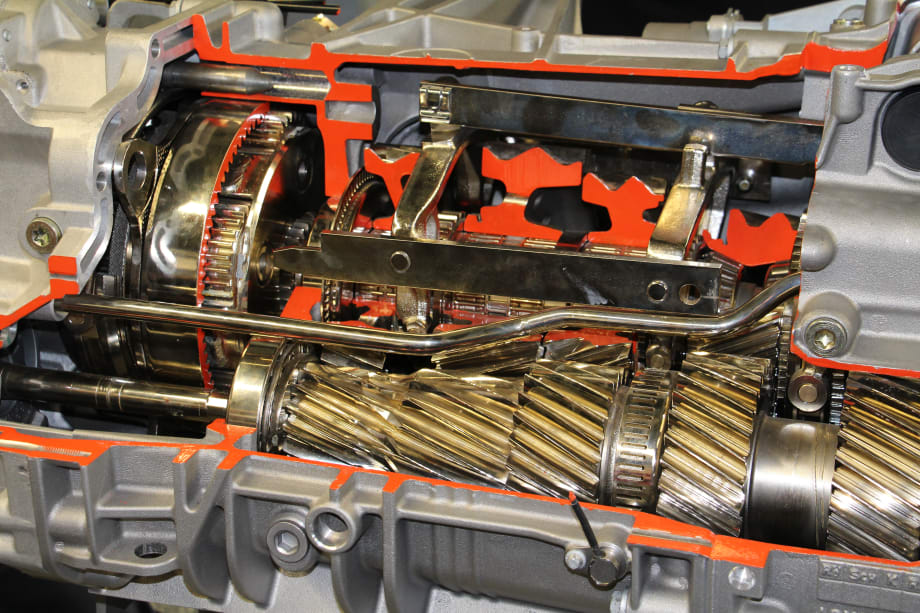
Inside of an automated transmission, one of several technolgies helping fleets reduce their fuel bills, according to NACFE. Photo: Evan Lockridge

Fleets operating 41,000 tractors and 130,000 trailers achieved fuel savings of $7,200 per year per truck by adopting a variety of new technologies, according to a new study released Wednesday by the North American Council for Freight Efficiency.
Since 2011 this group of fleets, manufacturers, government and nongovernment organizations has conducted its Annual Fuel Efficiency Benchmark Study, a report on 10 of the largest most innovative fleets in terms of using products to improve fuel efficiency.
The studied fleets, which represent 2.5% of all the trucks on the road, include regional and long haul carriers who haul dry goods and refrigerated cargo.
The new study revealed that the average purchased adoption rate of fuel-saving technologies has increased from 31% to 50% since 2003. As a result, these fleets are achieving fuel economy of 6.77 mpg on average, an 8% increase since 2011.
The study also looked at 66 fuel efficiency technologies in six categories: idle reduction, chassis, practices, tires/wheels, tractor aerodynamics and trailer aerodynamics. Fleets that participated in the study shared their implementation experiences and best practices for using the various technologies. The study offers insights for other fleets considering adding these products or practices in the future, said NACFE.
According to NACFE, fuel saving technologies and practices with high adoption rates include: full height roof air fairings, minimizing fifth wheel height, synthetic transmission oil, limiting speed and training drivers for fuel economy.
Technologies that are being used frequently by fleets, according to the study, include:
Tractor chassis skirts – partial; 40%, up from 27% in 2012
Fixed 5th wheel with minimum gap; 51%, up from 38% in 2012
Specified weight reduction on tractors; 54%, up from 44% in 2012
Specified weight reduction on trailers; 60%, up from 50% in 2012
Spec’ing dead axles; 14% up from 10%, in 2012
Move to automated transmissions; 20%, up from 0% in 2012
“The study is extremely valuable because it is based on technologies that are currently available and being used by fleets in their operations today. Real-world data shows that fleets are increasing their adoption rates of these technologies and seeing measurable improvements in fuel economy,” said Mike Roeth, NACFE executive director.
He said these technologies present an enormous opportunity for improved freight efficiency since there are about 1.5 million tractor-trailers on the road in North America, consuming 26 billion gallons of diesel fuel. For every 1% reduction in fuel use, 260 million gallons of fuel, or about $1 billion, per year are saved, according to Roeth.
“While all these technologies have costs associated with them, the fleets we studied saw a payback in three years,” Roeth. “We anticipate this payback will improve going forward as more fleets adopt these technologies. This should bring economies of scale to producing them and lower the initial purchase price.”
The full report is available on the NACFE website.
More Fuel Smarts

Cummins Adjusts 2027 Engine Rollout After EPA Proposal
The engine maker will gradually introduce its new Model Year 2027 diesel engines while continuing to offer current models during the transition, citing the EPA's proposed emissions rule changes.
Read More →
EPA Proposal Could Ease 2027 Truck Costs and Buying Uncertainty
The proposal doesn't change the tougher NOx standard, but it would revise key implementation requirements that manufacturers say have driven up costs and complicated fleet purchasing decisions.
Read More →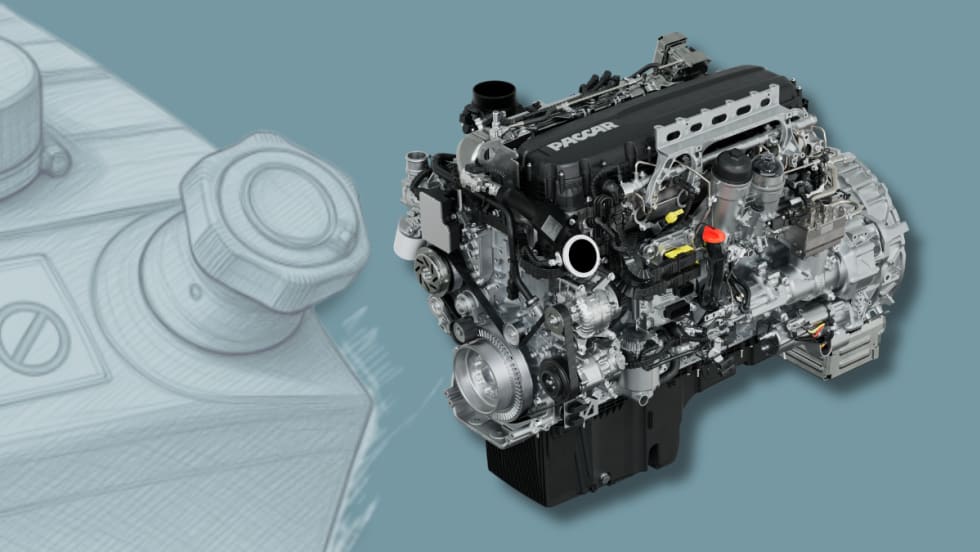
Cummins, Paccar Ease DEF Derates After EPA Guidance
Updated diesel engine software gives truck operators more time to address emissions-system issues while staying compliant with EPA emissions standards.
Read More →
Maintenance in the Messy Middle Part 3: Biodiesel
Biodiesel can reduce emissions, improve fuel-system lubricity and use existing diesel infrastructure. But NACFE’s Messy Middle maintenance report says fleets must actively manage storage, cold-weather operation, filters and oil drain intervals to avoid problems.
Read More →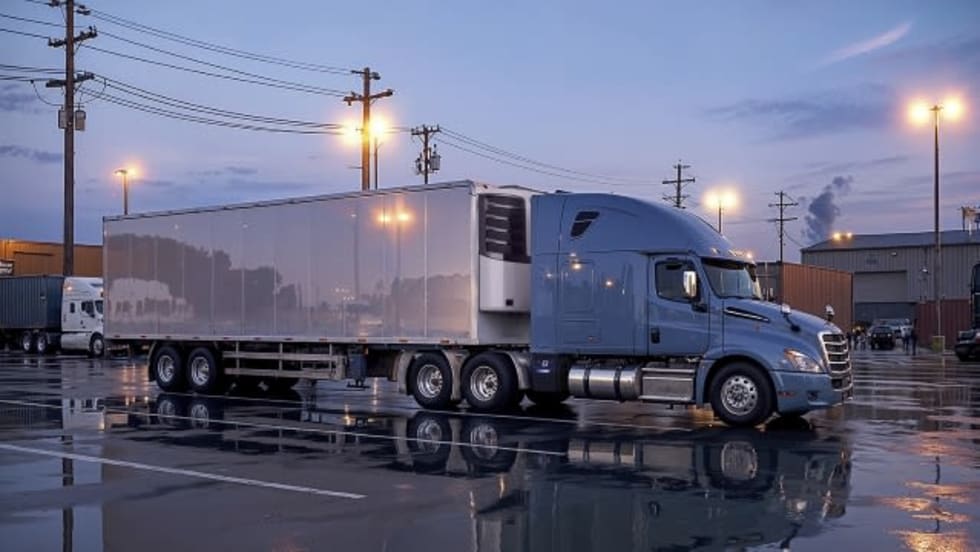
Enhance Fleet Performance with High-Efficiency Auxiliary Power Units
Drive sustainable cost savings while increasing driver comfort during short- and long-haul logistics operations.
Read More →
Maintenance in the ‘Messy Middle’ Part 2: Renewable Diesel Fuel
NACFE's latest Messy Middle Powertrain Service & Maintenance report says renewable diesel gives fleets an opportunity to reduce carbon emissions without changing trucks, fueling infrastructure or maintenance practices. But technicians still need to understand several important operational differences.
Read More →
The Diesel Engine Enters NACFE’s ‘Messy Middle’
NACFE’s new Messy Middle Powertrain Service & Maintenance report says keeping modern diesel engines running now depends as much on software, diagnostics and data as traditional mechanical service.
Read More →
DTNA Software Update Gives Truckers More Time Before DEF Derates Take Effect
The changes reflect EPA guidance aimed at reducing downtime caused by emissions-system faults while maintaining compliance requirements.
Read More →
New Agentic Predictive Maintenance Report Demonstrates How Degraded Aftertreatment Systems Waste Fuel
Questar analyzed a large mixed-class fleet and discovered it was wasting as much as $30 in fuel per vehicle, per day, because of mechanically degraded aftertreatment systems.
Read More →
New York City's Microhub Project is Delivering Results
Trucking, last-mile delivery companies, and environmental advocates like what they are seeing so far with New York's microhub program.
Read More →