




Volvo Trucks Setting Aside $780 Million to Deal with Diesel Emissions Issue
Sweden’s Volvo Group will set aside $780 million to cover estimated costs to address a faulty emissions control component used in diesel engines sold in certain markets, including North America and Europe.


The engines in question are equipped with selective catalytic reduction (SCR) aftertreatment systems designed initially to meet US EPA 2010 emissions standards.
Photo: Volvo Trucks North America
Sweden’s Volvo Group, parent of both Volvo Trucks North America and Mack Trucks, announced it will set aside $780 million (7 billion SK) to cover estimated costs to address a faultyemissions control component used in diesel engines sold in certain markets, including North America and Europe.
The concern, first reported in October, is that this emissions control component “may degrade more quickly than expected, affecting the vehicles emission performance negatively,” Volvo Group stated in a Jan. 3 press release. According to a statement released by the OEM in October, the degradation could cause the engines to exceed emissions limits for nitrogen oxides (NOx).
In its Jan. 3 release, the OEM said the estimated costs are based on such things as testing vehicles, conducting statistical analysis, and having “dialogue with relevant authorities.”
The company stated that “the next step will be to define how to implement corrective actions concerning the component in vehicles affected by this issue. This will be done together with the relevant authorities,” presumably including the U.S. Environmental Protection Administration.
According to Volvo, the “degradation of the component in question does not pose a product safety issue, nor does it negatively affect vehicle or engine performance in areas other than emissions control. The degradation is a result of a materials issue that occurs over time. All engines and vehicles equipped with the component meet emissions limits at delivery.”
The engines in question are equipped with selective catalytic reduction (SCR) aftertreatment systems that were designed initially to meet EPA 2010 emissions standards.
The company said the money set aside will impact operating income in the fourth quarter of 2018, and a negative cash flow effect will start in 2019 and gradually ramp up in the coming years.
Volvo Group added that it “will continuously assess the size of the [financial] provision as the matter develops.”
A Jan 4. Bloomberg reportcited outside analysts as contending the cost of addressing the issue for Volvo is “uncomfortable but affordable.” The report stated the analysts still expect Volvo “to pay shareholders an extra dividend, after a year in which the truck maker has seen orders surge and profits reach record levels.”
Another global diesel engine maker has had an issue with a defective SCR system. In July, Cummins initiated a voluntary recallaffecting more than 500,000 of its engines after an investigation by the California Air Resources Board discovered higher-than-expected NOx emissions from SCR systems.
More Fuel Smarts
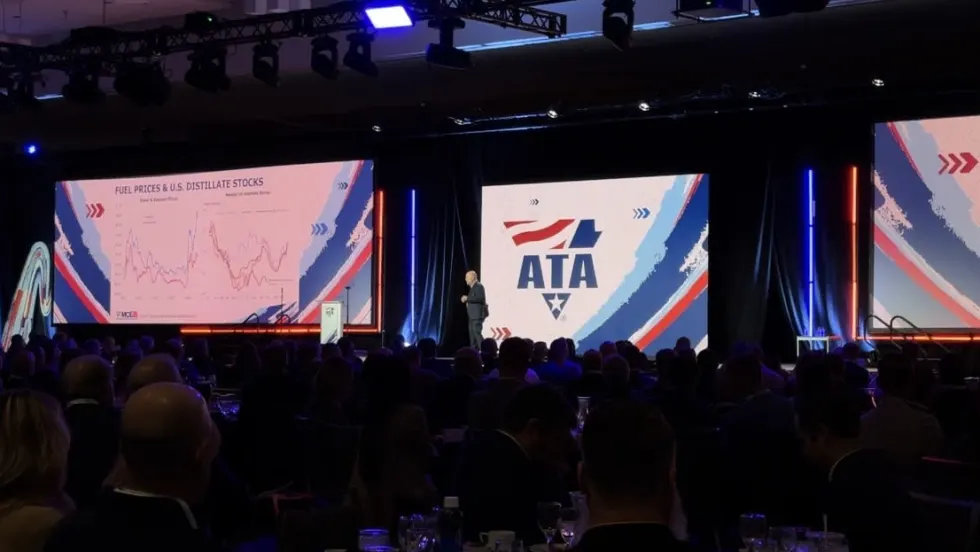
Trucking’s Diesel Squeeze Isn’t Letting Up
With diesel topping $6 a gallon nationally, ATA's Bob Costello explains why fleets should prepare for continued pressure at the pump.
Read More →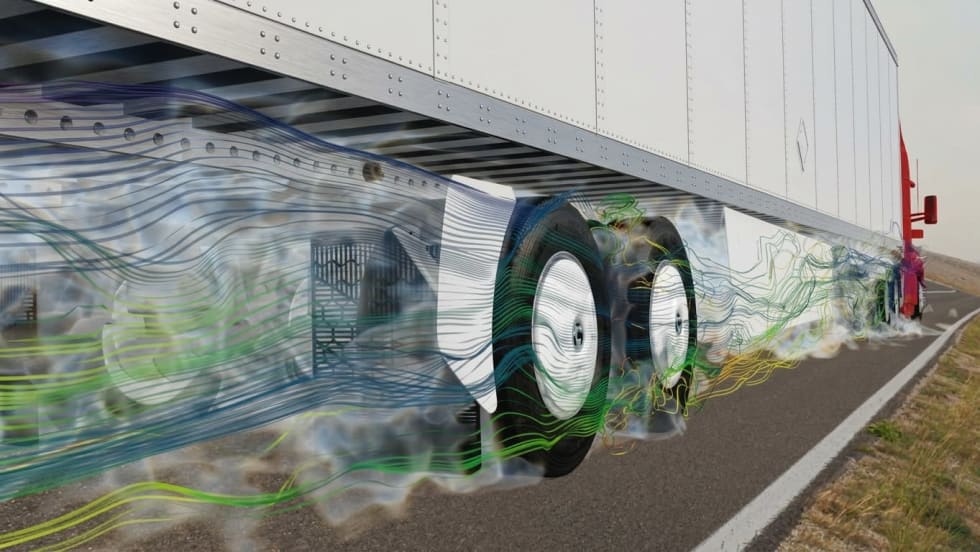
FlowBelow Redesigns Trailer AeroSlider to Cut Fuel Use
The lighter trailer aerodynamic system installs in less than 45 minutes, according to the company, with potential payback in under a year depending on fuel prices and trailer mileage.
Read More →
Why Diesel Price Relief Efforts May Fall Short
Diesel prices have eased from September’s record high, but doubts about additional Russian supply and limits on dyed-diesel tax relief mean trucking fleets still face expensive fuel. And prices could go higher.
Read More →
Why Small Fuel Savings Matter in Trucking
Can better fuel economy help pay for driver raises? In this podcast, GP Transco explains how small efficiency gains create room to reinvest in its people.
Read More →
How GP Transco Cuts Trucking Fuel Costs, a Tenth of a Gallon at a Time
What’s another tenth of a mile per gallon worth? GP Transco shares how equipment upgrades and driver coaching turn small gains into meaningful fuel savings.
Read More →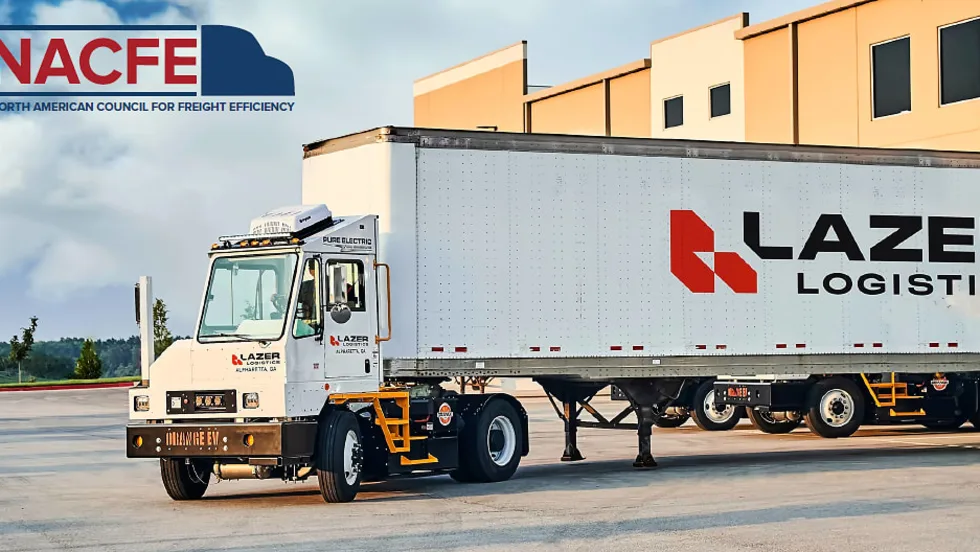
Electric Yard Tractors Move Beyond Pilots
Operating-cost savings have overtaken sustainability goals as the leading reason surveyed fleets are adopting battery-electric terminal tractors, according to new NACFE research.
Read More →
Geotab Links Fleet Card to Vehicle Data
The new card combines fuel discounts with telematics-based purchase controls. Geotab’s analysis also points to potential savings from choosing lower-priced fuel stops.
Read More →
Fleet Economics Shape Electric Truck Outlook
ACT Research expects costs, charging infrastructure, and technology improvements to drive zero-emission commercial vehicle adoption as federal regulations and incentives retreat.
Read More →
Wex Adds Cardless Fuel Payments for Over-the-Road Customers
A new fuel card feature for Wex customers offers convenience and security.
Read More →
New California Law Could Shed Light on Electric Truck Prices
Why do battery-electric Class 8 trucks remain so expensive? A California bill signed by Gov. Gavin Newsom would give fleets and state agencies more visibility into what manufacturers charge.
Read More →