




U.S. Foodservice Acquires Waste Vegetable Oil Processing Company for Fuel
U.S. Foodservice has bought a company that will provide a supply of B20 biodiesel made from used vegetable oil from fryers
U.S. Foodservice has bought a company that will provide a supply of B20 biodiesel made from used vegetable oil from fryers.
The foodservice distributor bought WVO Industries of Bluffton, S.C. WVO collects and removes water, food particles and other impurities from waste vegetable oil, then ships the bio feedstock to a processing company that produces an 80/20 diesel/biodiesel blend known as B20 that will be used to fuel hundreds of food delivery trucks at the U.S. Foodservice-Columbia Division in Lexington, S.C. The use of biodiesel made from cooking oil reduces lifecycle carbon emissions by 80 percent over carbon-based diesel, according to the Environmental Protection Agency.
U.S. Foodservice has been the exclusive collection agent for WVO since 2009, providing it with waste cooking oil from restaurant deep fryers. The waste vegetable oil is collected in specially designed, sealed cans that are convenient for restaurant use. The oil collection trucks are separate and distinct from U.S. Foodservice food delivery trucks to ensure the absolute quality and safety of food transported to customers. Outbound food never comes in contact with inbound waste vegetable oil.
U.S. Foodservice-Columbia will relocate the WVO assets to a new tipping station at the Lexington distribution center to store waste oil for processing and blending into biofuel. The tipping station will be operational by late 2011 and will be able to convert 5 million pounds of waste oil into 400,000 gallons of bio feedstock each year. The division plans to use approximately 200,000 gallons of converted waste vegetable oil for biodiesel annually, which would allow the remaining gallons to be made available elsewhere in the company or as a supply source for outside companies.
A member of the Kohlberg Kravis Roberts & Co Green Portfolio Program, U.S. Foodservice has improved its sustainability profile since 2007. By improving fleet efficiency by 5 percent and increasing distribution center energy efficiency by 15 percent between 2007 and 2009, U.S. Foodservice avoided 101,000 metric tons of greenhouse gas emissions, the equivalent of taking more than 8,000 cars off of the road and taking more than 8,600 homes off the electrical grid.
For more information, read the January profile of U.S. Foodservice.
More Drivers
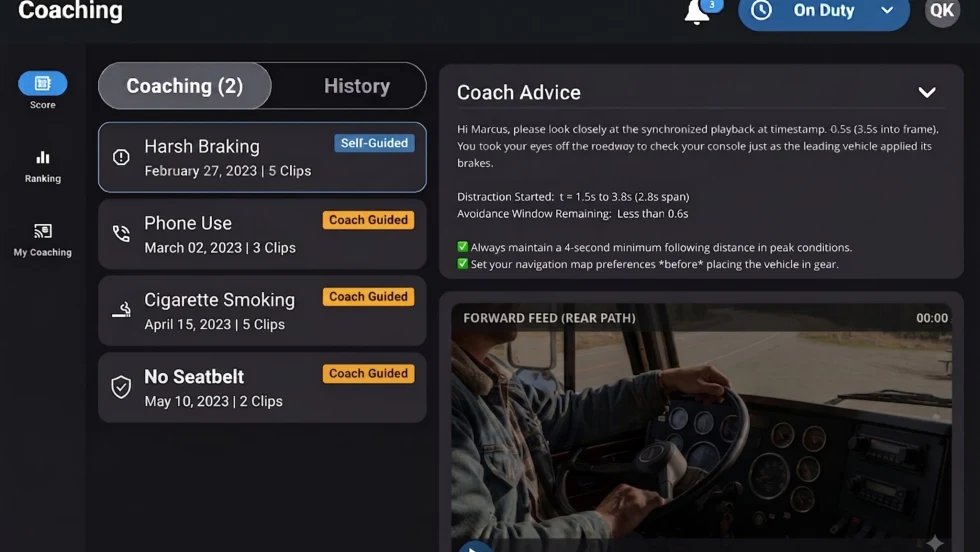
Platform Science Adds Dispatch and Safety Tools
Four additions to PS Fleet help fleets monitor loads, manage driver coaching, share truck locations and adjust video system settings.
Read More →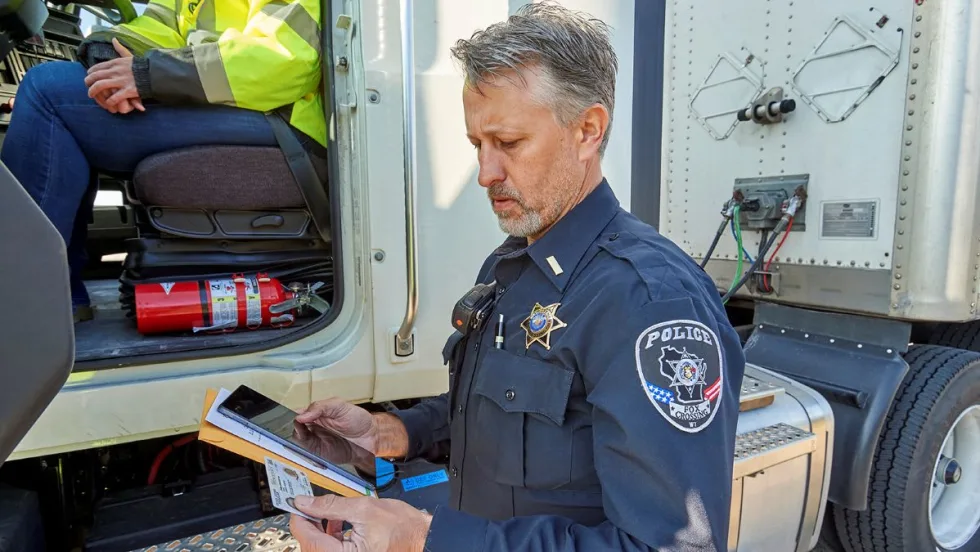
When Language Stops the Truck: The Return of ELP Out-of-Service Orders
English language proficiency rules for commercial drivers aren’t new, but renewed out-of-service enforcement has raised the stakes. Here’s what carriers need to know before a driver reaches a roadside inspection.
Read More →
Samsara Launches Custom AI Agent Builder
Agent Studio lets fleets create AI tools for hours-of-service monitoring, reporting and driver support, including agents that communicate by phone.
Read More →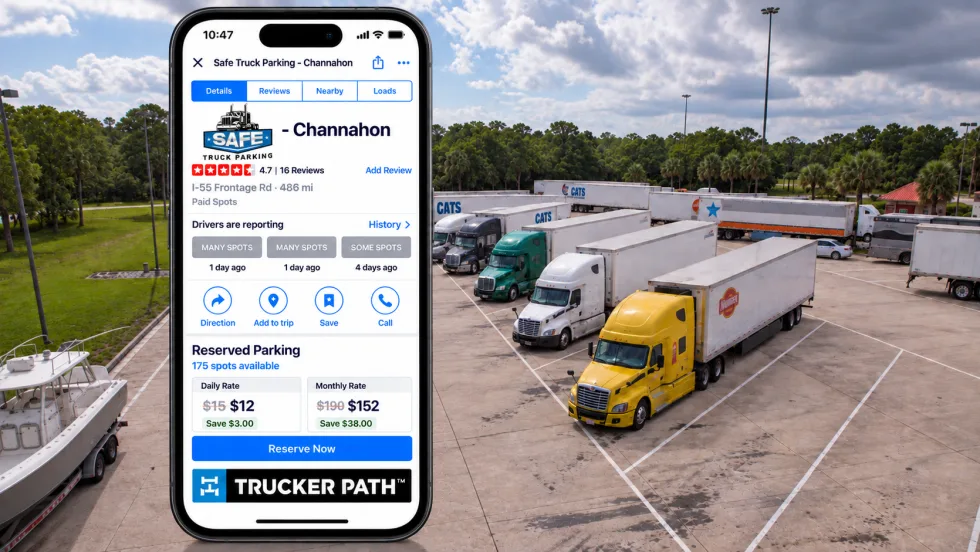
Trucker Path Expands Reserved Parking Network
Trucker Path has added close to 6,000 more truck parking spaces to its Trucker Path Reserved Parking Network with the addition of Safe Truck Parking.
Read More →
EEOC Sues Texas Trucking Company Over Driver Age Limits
The agency says Trancasa USA rejected applicants over 65 and applied tougher driving-record standards to those over 60.
Read More →
Nussbaum, Roehl Announce Second Driver Pay Increase This Year
This year has seen a swath of major truck driver pay increases as freight capacity has tightened.
Read More →
From One Generation to the Next: How Mentorship Builds Safer Truck Drivers
After three decades in trucking, Harold Perry shares what he's learned about driver safety, mentorship, and helping the next generation build confidence behind the wheel.
Read More →
Truck Drivers Need More Than Another Alert
Fleets have more visibility into truck health, safety events, and driver activity than ever. The next challenge is turning all that information into useful guidance for the person who has to decide what to do next.
Read More →
FMCSA Removes 110 Truck Driver Training Schools from Certified ELDT List
Federal regulators also are targeting more than 160 additional training providers and launching a nationwide audit of third-party CDL skills testers as part of a broader crackdown on trucking fraud.
Read More →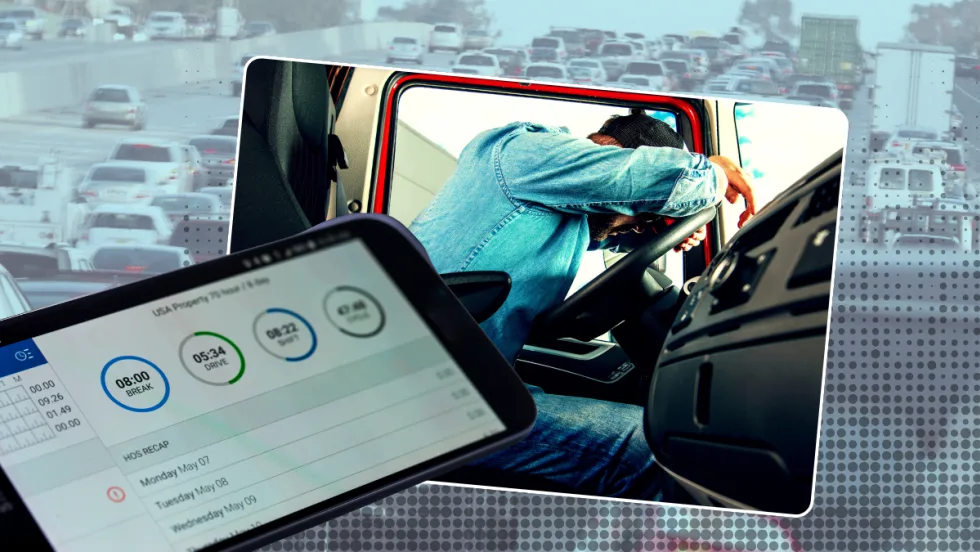
Hours of Service Pilot Programs: FMCSA Readies for 2027 Rollout
Two pilot programs could eventually reshape hours-of-service rules, giving truck drivers options to pause their 14-hour clock or use longer split sleeper rest periods.
Read More →