




UPS Sustainability Report Details Fuel Use Reduction of 1.3 Million Gallons in 2012
UPS released its latest sustainability report, which details the progress the company made that year toward making its overall operations more environmentally friendly and offers specifics on how it is managing its fleet to meet its larger goals.
UPS released its latest sustainability report, which details the progress the company made that year toward making its overall operations more environmentally friendly and offers specifics on how it is managing its fleet to meet its larger goals.
One of the key performance indicators (KPIs) the company measures is total miles driven, and in 2012, UPS avoided driving more than 12.1 million miles, compared to 2011, in its U.S. Domestic Package segment. This also reduced CO2 emissions by 13,000 metric tonnes. The company was able to achieve this via a number of methods.
To start, the company used its own telematics platform to optimize routes, which helped reduce idling time at stoplights and helped drivers avoid traffic and to reach destinations in less time. Next, the company re-routed vehicles as-needed based on changing customer pick-up requests, requested changes in delivery, etc. Also, the company identified loading and unloading locations that allow for multiple deliveries.
In terms of measuring miles avoided by using telematics, UPS tracks the number of stops its delivery drivers made per mile traveled during a given year. In 2012, the company said it improved the number of stops per mile to 1.456 from 1.437 in 2011, which translates into the 12.1 million miles the company's drivers avoided driving. Although UPS said its total number of stops increased 2.3% in 2012, the number of miles its drivers traveled only increased 1.3%.
UPS' telematics platform provides the company’s drivers with feedback on their fuel-efficiency performance and tells them methods for improving it. For example, in dealing with idling, UPS said telematics helped its drivers reduce the average time spent idling per driver per day to 48 minutes in 2012, which was down from the average of 122 minutes spent idling in 2011. UPS said this equates to 250,000 gallons of fuel savings and emissions reductions of 2,600 metric tonnes.
The company also uses telematics to collect vehicle data that allowed it to replace parts and perform service closer to when needed. In 2012, the company said it completed 96% of its targeted telematics rollout for its U.S. Domestic Package segment, which includes more than 74,800 vehicles.
Beyond optimizing its ground fleet’s operations, UPS operates a number of alternative-fuel vehicles, and at the end of 2012, the company had 2,688 of the on the road in 10 countries. The company drove these vehicles 49 million more miles in 2012, which was approximately 43% more compared to 2011.
When measuring its sustainability progress, one method the company uses is the metric of ground packages per gallon of fuel to track the carbon intensity of its ground transportation fleet in its U.S. Domestic Package service. The company said in 2012, it increased the number of ground packages per gallon of fuel used for the fourth year in a row to 8.85. UPS added that although its package volume rose 2.7% for this business segment in 2012, its fuel consumption only rose 0.3%.
More Fleet Management
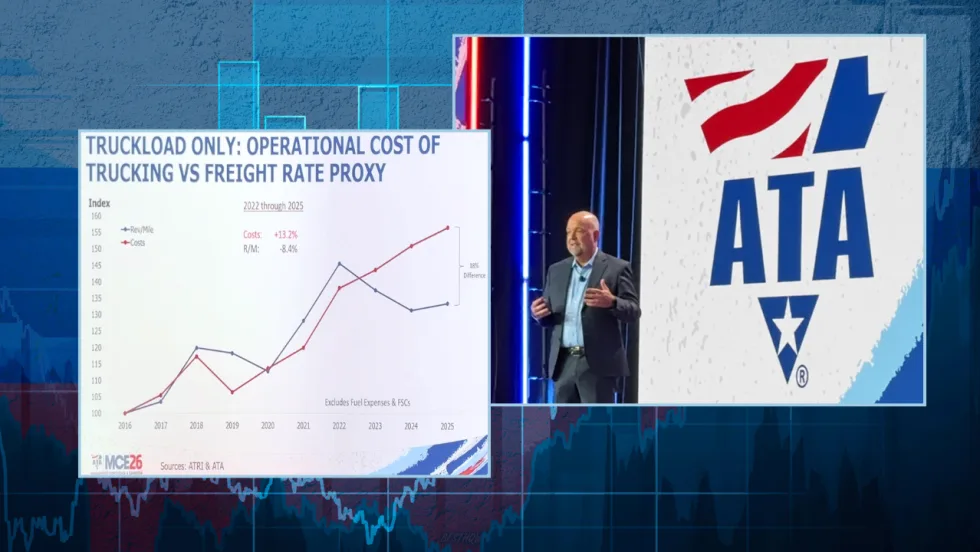
Why This Trucking Recovery Is Different
Freight demand remains sluggish, but rising costs and tougher enforcement have taken enough capacity out of the market to change the outlook for motor carriers.
Read More →
Platform Science Adds Dispatch and Safety Tools
Four additions to PS Fleet help fleets monitor loads, manage driver coaching, share truck locations and adjust video system settings.
Read More →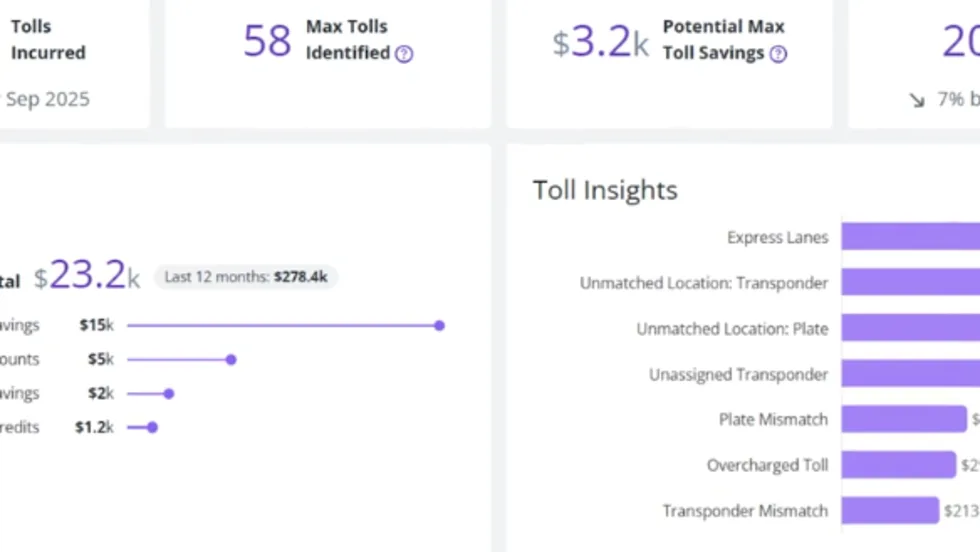
PrePass Intelligence Mines Fleet Bypass, Toll and Safety Data
PrePass Intelligence helps fleets measure bypass savings, flag potential toll overcharges, and spot suspicious transactions by combining data from separate systems.
Read More →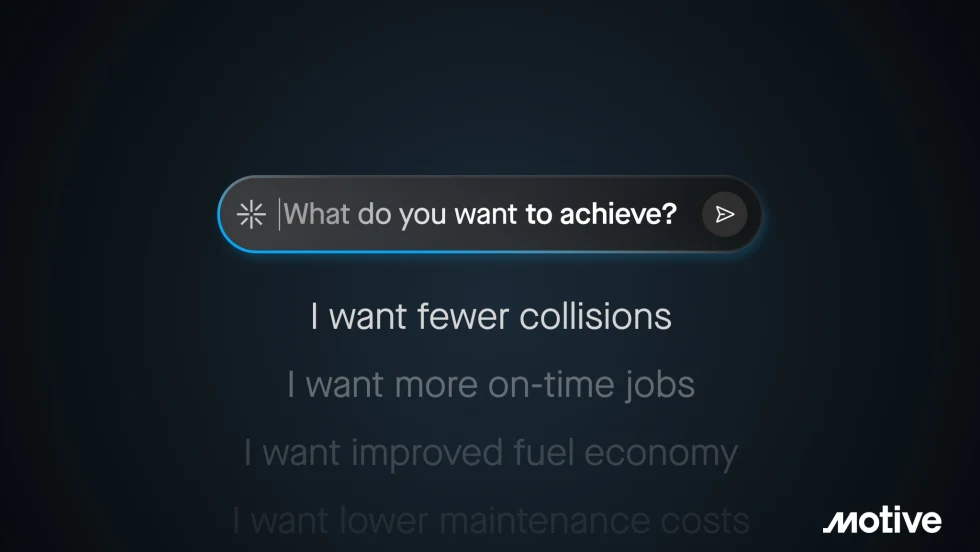
Motive Adds AI Agents for Fleet Operations
New tools automate follow-up on fleet data, from maintenance work orders to driver alerts, with two-way voice conversations planned for later this year.
Read More →
Can You Beat Our Trucking Trivia Challenge?
Test your truck knowledge with 19 trivia questions from Heavy Duty Trucking Exchange. Can you keep up with the fleet pros?
Read More →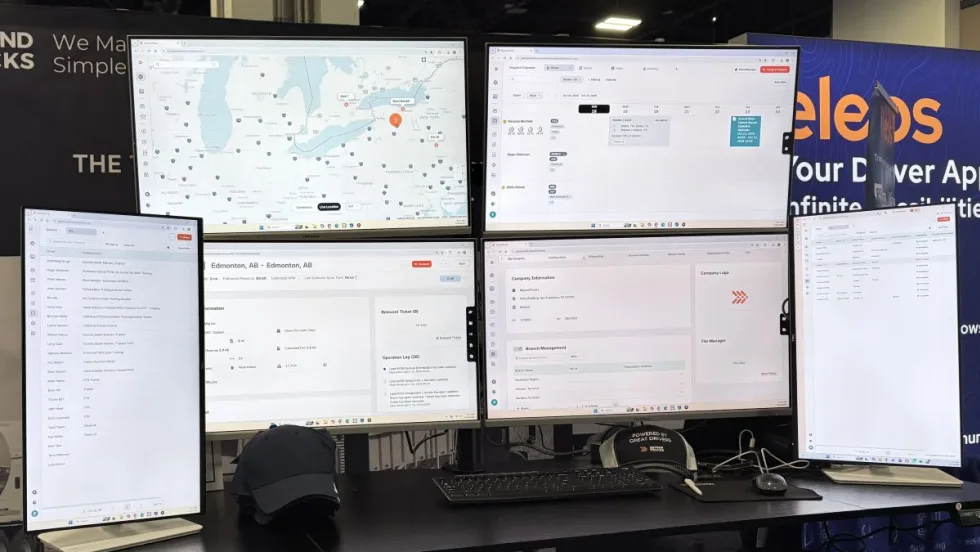
BeyondTrucks Adds Rules Checks to Dispatch
New Compatibility Engine checks driver qualifications, equipment requirements and fleet policies before loads are dispatched.
Read More →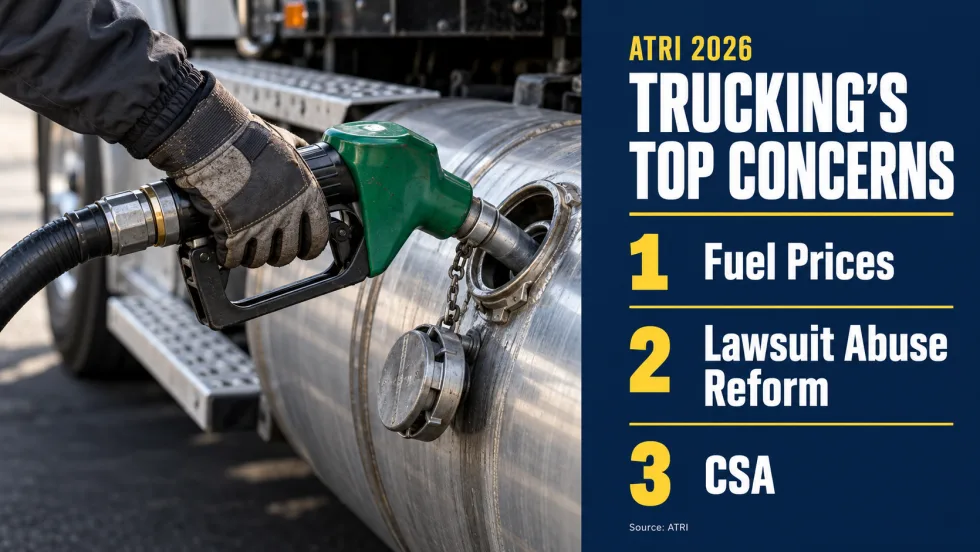
Diesel Prices Hijack Trucking’s Worry List
ATRI’s annual survey finds cautious optimism about freight, but diesel costs, litigation, and insurance continue to squeeze fleets. Drivers have different priorities on several issues.
Read More →
Nomination Deadline Extended for HDT Emerging Leaders
Just a few more days to nominate accomplished trucking fleet professionals under 40 who are making an impact and helping lead the industry forward for the HDT Emerging Leaders award. Deadline extended to October 20!
Read More →
What Will ATA’s New Leader Bring to Trucking's Table?
Incoming President and CEO Mark Colson’s record in Alabama offers clues about his priorities and approach following Chris Spear’s abrupt departure as the head of the American Trucking Associations.
Read More →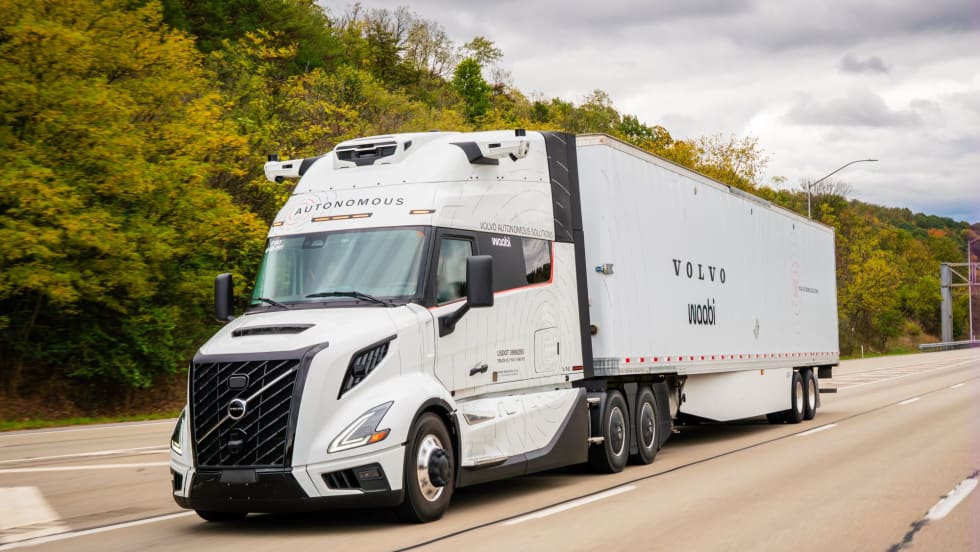
Volvo, Waabi Start Commercial Autonomous Operations in Texas
Volvo VNL Autonomous trucks, powered by the Waabi Driver, are hauling freight directly to third-party facilities for a customer in Texas.
Read More →