




Related: Seeing Safe Driving and Self-Driving as Going Hand in Hand
Trucking Industry Debates Driver-Assistance Technologies
The National Safety Council and The National Transportation Safety Board hosted a roundtable discussion prior to this week's Fleet Safety Conference about the future of advanced driver assistance systems in trucking.

Steven Martinez・Web Editor

HDT Equipment Editor Jim Park addresses the panel at the NSC and NTSB's roundtable discussion on ADAS. Photo: Stephane Babcock
4 min to read

Schaumburg, Ill. — The National Safety Council and the National Transportation Safety Board hosted a roundtable discussion prior to this week's Fleet Safety Conference here about the future of advanced driver assistance systems in trucking.
The series of discussions brought together leaders in the world of driving assistance technology, the trucking industry, original equipment manufacturers, media, and insurers to talk about the current state of ADAS and how it could most effectively be implemented into commercial trucking.
The session took place on July 24 at the Renaissance Schaumburg Convention Center Hotel in Schaumburg, Ill., the day before the official start of the Fleet Safety Conference, which takes place July 25 to 26.
NSC President and CEO Deborah Hersman, who is a former chair of NTSB, gave an opening address in which she spoke about the importance of ADAS adoption in trucking as a way to improve safety. She implored the industry to trust the technology while acknowledging the difficulty in training drivers and balancing costs for fleets.
“We have to face the fact that heavy-duty vehicles can cause a disproportionate impact in certain events,” said Hersman. “We have the potential to use game-changing technology today, but we’ve got to invest in that technology in fleets and commit to improving that technology with operational experience.”
After her keynote, a panel of industry experts opened a series of topical discussions covering the current state of ADAS, driver interaction, regulation vs. voluntary adoption, and challenges of implementation.
Executives from Bendix and Wabco were on hand to discuss the technical aspects of ADAS, including its use of radar and sensors, automatic braking and driver alerts. Fred Andersky, director of customer solutions & marketing and government affairs for Bendix, spoke about the current state of driver assistance systems and how they are already being integrated into vehicles.
Andersky said that the systems designed for heavy-duty vehicles were currently at collision mitigation level one, meaning alerts and some automatic braking, no driver replacement systems. Despite all of the discussion about autonomous vehicles, the industry was not nearly at that point, he said.
Many new vehicles come equipped with or can be equipped with some form of collision mitigation, but with added costs and the possibility of federal mandate, fleets are skeptical. Jim Park, equipment editor for Heavy Duty Trucking magazine, said that he expects fleets to be wary about implementation-- referring to older versions of collision mitigation that were problematic and “not ready for prime time.”
When fleets invest in the early version of technologies and they don’t work as advertised, they tend to be cautious of the better versions that come out later, even if they are told that all of the kinks are worked out. “Fleets have long memories,” said Park.
Training was also a big issue because ADAS systems are most effective when the driver is aware of the capabilities of the truck. Current ADAS technology is already capable of recognizing a threat much faster than a human can react. This makes the interaction between the driver and system much more important when it comes to how the ADAS warns a driver of an impending collision or ultimately decides to automatically avoid it. Even details such as whether to use visual, audible or physical warnings are an important detail to iron out.
Just as important to the adoption of ADAS is how passenger vehicle drivers deal with these technologies. In the future, platooning technologies could allow for tight following distances between several trucks. Yet a reckless driver might still want to weave into that space, not understanding what platooning actually is.
But the message of the day was that ADAS technology was inevitable and continuing to improve. The faster that fleets and manufacturers adopt it, the faster the technology can save lives.
“You’re always chasing perfection but if you wait for perfection, you’ll never get there,” said Tom DiSalvi vice president of safety at Schneider National. “If [an issue] is real, let's study it, let’s test it, let’s resolve it. But let’s get the word out there because It’s easy to drag your feet on the right decision because you’re concerned about a ‘what if.’”
The Fleet Safety Conference, hosted by Bobit Business Media publications Heavy Duty Trucking, Automotive Fleet, and Work Truck, is designed specifically for fleet, risk, safety, sales, and human resources professionals.
More Fleet Management

Long-Awaited Canadian Border Bridge to Open in Detroit
For trucking, the bridge opening should offer immediate improvements in efficiency and reliability, with new customs facilities, expanded inspection capacity, and direct freeway-to-freeway connections.
Read More →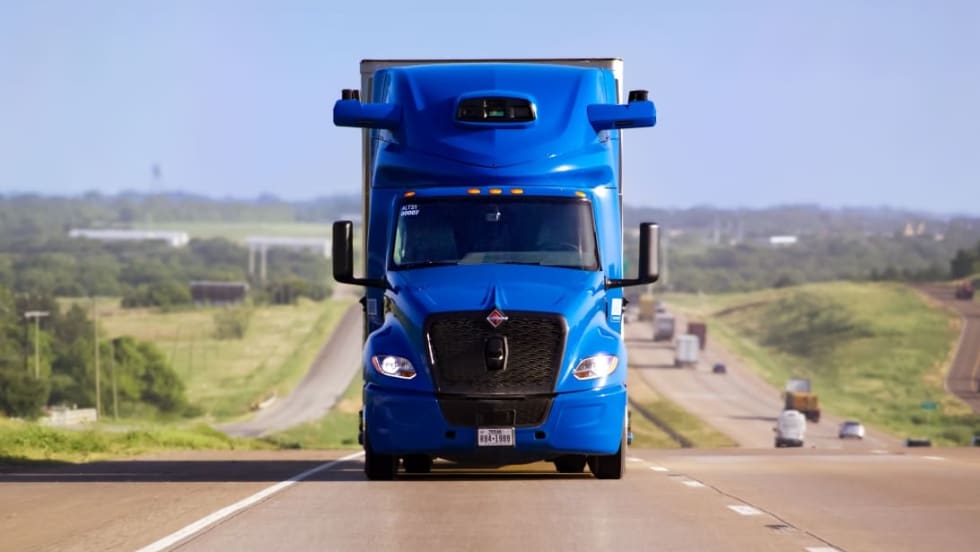
Aurora Rolls Out Next Generation of Driverless Trucks for Commercial Freight
Aurora's latest autonomous trucks it's rolling out with International feature lower-cost hardware designed for a million miles as the company expands commercial driverless freight operations across the U.S. Sun Belt.
Read More →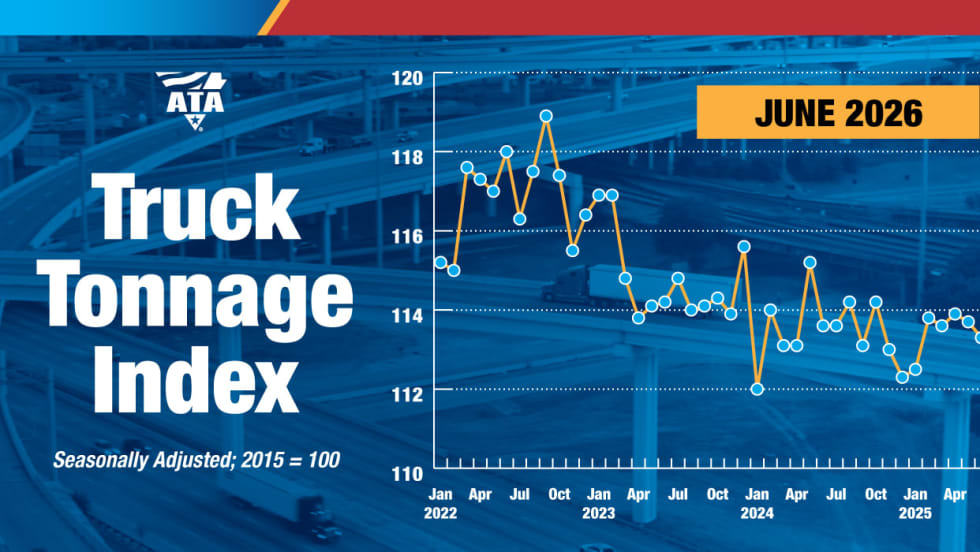
Freight Tonnage Down, Rates up, as Lower Capacity Powers Trucking Recovery
The recovery from the freight recession continues to be driven by reduction in capacity rather than by increased demand.
Read More →

Think Your Trucking Fleet Isn't Using Much AI? Think Again
Shadow AI — the use of unauthorized artificial intelligence tools at work — is becoming increasingly common, putting sensitive company data at risk. Learn how trucking fleets can protect sensitive data while embracing AI.
Read More →
ArcBest Consolidates Brands, Cuts Workforce
The company will bring three business units under the ArcBest brand, eliminate about 2% of positions, and expects the changes to generate $40 million in annual savings.
Read More →
Trucking Fleets Faced Record Operating Costs During Third Year of Freight Recession
ATRI's annual operational cost report shows carriers trimmed fleets, delayed equipment purchases, and ran older trucks as expenses continued to outpace freight rates.
Read More →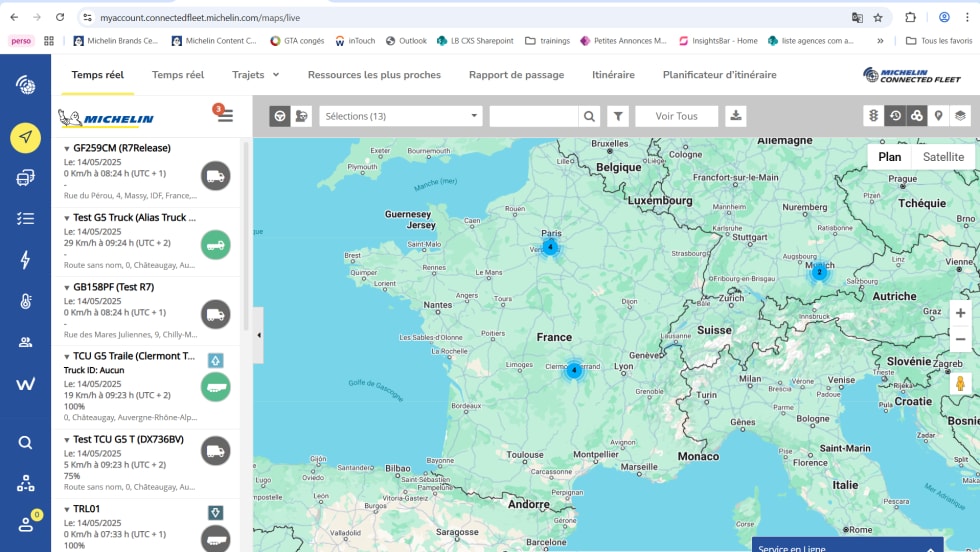
Michelin Adds AI Assistant to MyConnectedFleet Platform
Michelin’s new generative AI tool delivers instant fleet insights, helping managers analyze fuel use, tire maintenance, vehicle status, and operational performance without manually creating reports.
Read More →
LytxOne Platform Now Features AI, Compliance, and Asset Tracking Tools
New enhancements add AI-powered insights, asset tracking, compliance automation, and configurable privacy controls to Lytx's all-in-one fleet management platform.
Read More →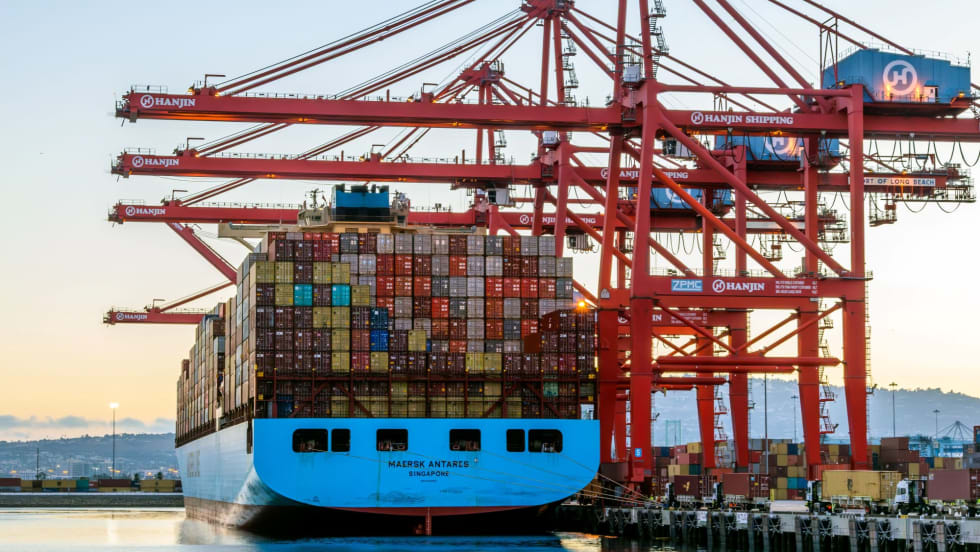
July Imports Poised to Set Container Record
The National Retail Federation projects July container imports will surpass the pandemic-era record as shippers frontload freight ahead of expected August tariff increases.
Read More →
HDT Announces 2026 Truck Fleet Innovator Finalists
From AI and fleet electrification to safety, operations, and leadership, these HDT Truck Fleet Innovator finalists are changing how trucking gets done.
Read More →