




Truck Use Falls, Trailer Use Up In Fourth Quarter
Seasonal slowdowns and weakness in some sectors drove overall Class 6-8 vehicle utilization down some in fourth quarter 1999, but trailer utilization rose sharply, according to the latest survey by MacKay & Co.
Seasonal slowdowns and weakness in some sectors drove overall Class 6-8 vehicle utilization down some in fourth quarter 1999, but trailer utilization rose sharply, according to the latest survey by MacKay & Co.
On average, fleets operated their Class 6-8 vehicles at 84.1% of capacity, about 1.8 percentage points lower than fourth quarter last year.
Researchers at the Lombard, IL, based consulting firm say this was the lowest fourth quarter utilization rate since 1993. Class 8 utilization was 84.5% for the quarter versus 86.6% a year ago. Class 7 utilization was up slightly, from 84.7% to 85%. Class 6 fell from 80.4% to 76.3%.
Fleets that move industrial and consumer goods reported solid increases. For-hire carrier Class 8 utilization was up 2.3 percentage points, although a 1.7 point decline in owner-operator utilization indicates that carriers may be cutting back on their use of independent contractors. Private fleets utilization was up 4.1 points. Lease/rental utilization was 94.5%, up 6.2 points from a year ago and the highest rate recorded in the 15 years MacKay has been doing the survey.
The overall Class 8 utilization decline is attributed to three market segments:
construction/mining/refuse (down 10.8%), agriculture (down 3%), and “other” (down 23%). Researchers say this is partly due to a weak farm economy and seasonal declines in construction and some utility segments.
“In general, the fundamentals of demand continue strong,” the company said.
The slight decline in Class 6 and 7 utilization was also attributed to declines in agriculture and “other” vocations plus a 5.5 point drop in owner-operator utilization. Private fleets reported a 7.8 point increase, lease rental was up 1.7 points, for-hire carriers up 0.2 points, and school bus utilization up 1.5 points.
Fourth quarter trailer utilization was 88.6%, 8.2 points above the same period in 1998. Only the agriculture segment reported a drop. Owner-operators utilization was up 4.5 points, for-hire carriers up 1.3 points, private carriers up 6.8 points. Lease/rental utilization rose 13.3 points, to 91.5% -- the highest fourth quarter since 1994.
MacKay said Y2K hoarding may have played a small role in the increase, but a strong increase in trailer utilization through the second half of 1999 implies that fleets were moving significantly more freight than earlier in the year, largely because of increased industrial production.
For more information on the MacKay & Co. quarterly utilization survey contact Don Kuntz, director of database services, (630) 916-6110.
More Fleet Management
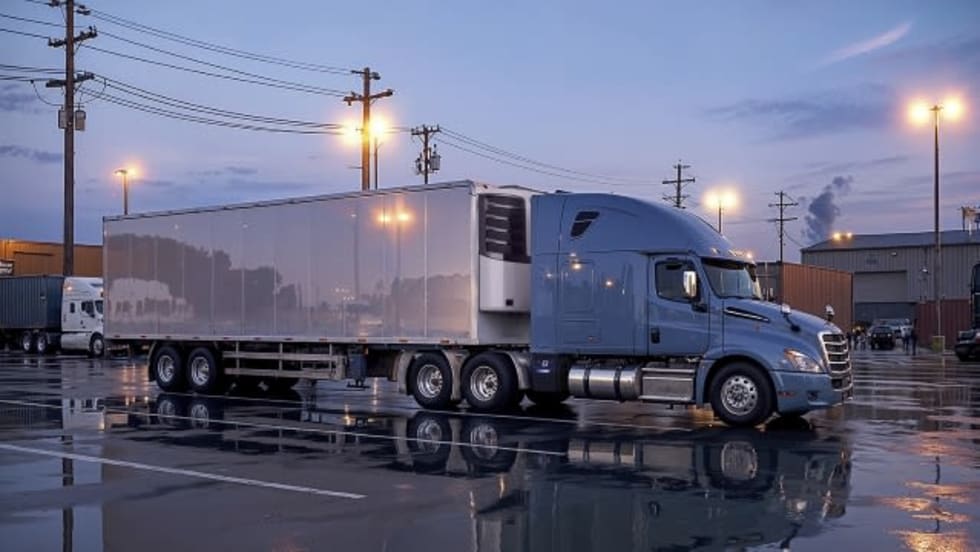
Enhance Fleet Performance with High-Efficiency Auxiliary Power Units
Drive sustainable cost savings while increasing driver comfort during short- and long-haul logistics operations.
Read More →
Is Your Parts Procurement Process Reactive or Proactive?
Ready to revamp your parts procurement process? Learn how now with “Strategic Parts Purchasing: A Process Checklist”
Read More →
What Trucking Events are Happening in 2026?
Looking for trucking-related conventions, expos, and other events? Heavy Duty Trucking has developed this list of national and larger regional trucking shows and events.
Read More →
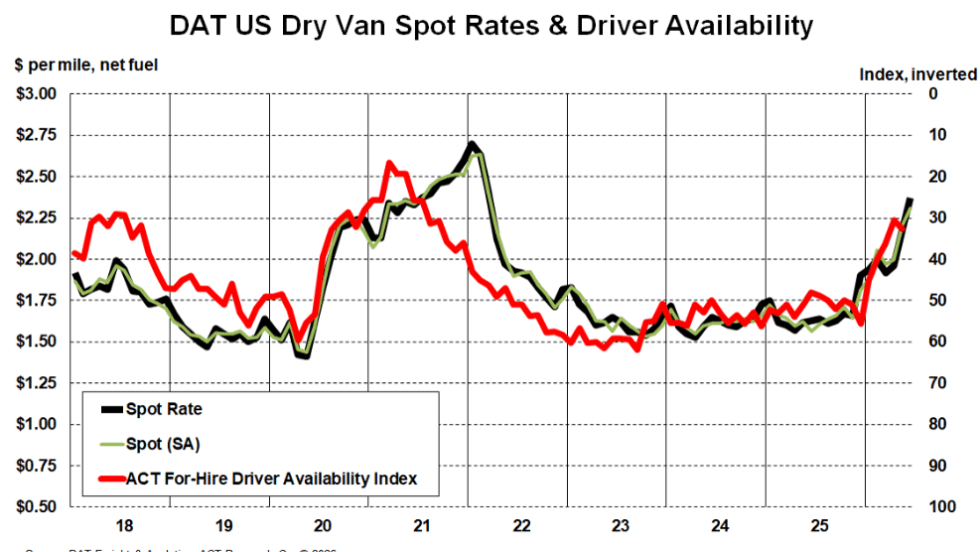
Truckload Rates Keep Rising as Tight Capacity Fuels Freight Market Recovery
Spot and contract rates continued climbing in May and June, not because freight demand is surging, but because fewer trucks and drivers are available.
Read More →
What Geotab's New AI Connector Means for Fleets
Fleets can now ask their usual AI assistants questions about maintenance, safety, fuel use, and vehicle performance, using their live Geotab data, and take action on the answers without leaving their preferred AI tool.
Read More →
New C.H. Robinson Tool Opens Door to More Predictable Freight
BidBoardX lets carriers search, bid on, and secure committed freight opportunities through a single digital marketplace.
Read More →
New York City's Microhub Project is Delivering Results
Trucking, last-mile delivery companies, and environmental advocates like what they are seeing so far with New York's microhub program.
Read More →
Why Truck Detention Keeps Costing Fleets Time and Money
A 2024 ATRI study found detention affects nearly 40% of truckload stops and costs the industry more than $15 billion annually. Despite the toll on drivers, fleets, and supply chains, the problem remains stubbornly persistent.
Read More →
Time is Running Out to Apply for Exclusive HDT Event
Heavy Duty Trucking Exchange brings fleet managers and suppliers together for the deeper conversations that lead to ideas, partnerships, and solutions. Time is running out to apply for the September event.
Read More →
Amazon Launches Less-Than-Truckload Freight Offering for All Businesses
This launch is the latest addition to Amazon Supply Chain Services, a portfolio of supply chain capabilities from Amazon, including freight, distribution, fulfillment, and parcel shipping.
Read More →